ZZ plant
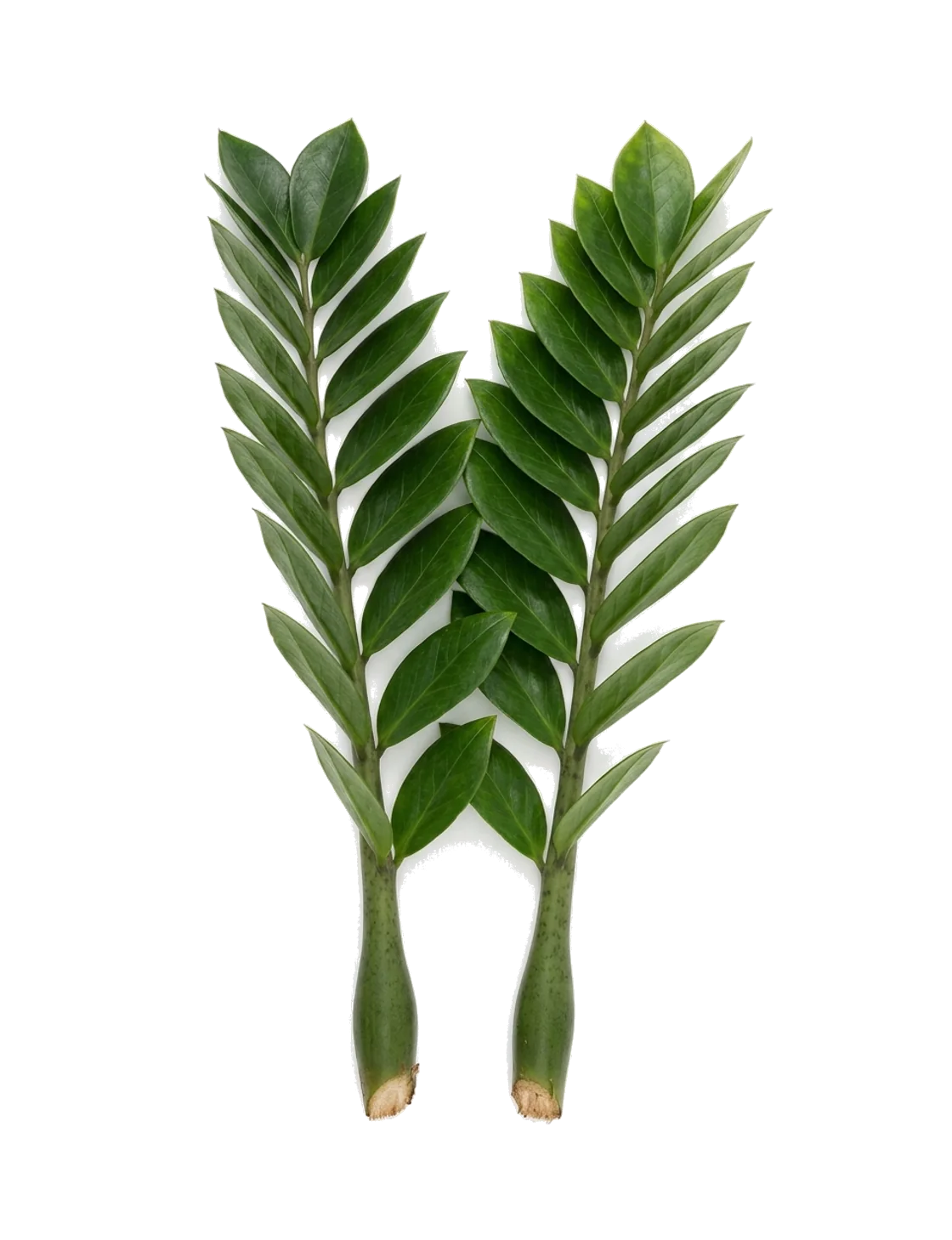
Zamioculcas zamiifolia
Learn how to care for your ZZ plant with proper watering, low-light placement, and fast-draining soil to keep its glossy green foliage healthy.
- Light
- Indirect
- Watering
- 2–3weeks between waterings
- Temperature
- 18–26 °Cideal temperature
- Toxicity
- Non-toxic
The ZZ plant, scientifically known as Zamioculcas zamiifolia, is widely celebrated as one of the most durable and adaptable houseplants in cultivation. Native to the seasonally dry grasslands and rocky forests of Eastern Africa, this upright herbaceous perennial stands out for its graceful stems lined with thick, deep green leaflets that look naturally polished.
Beneath the potting mix, the plant develops substantial potato-shaped rhizomes paired with fleshy roots that efficiently hoard hydration and reserve nutrients. This evolutionary adaptation allows it to withstand severe droughts and thrive in dimly lit interior corners, office settings, and windowless hallways where most other decorative tropical plants would promptly struggle and decline.
Cultivating a healthy ZZ plant requires very little routine intervention, making it a favorite for novice growers and busy plant enthusiasts. Its only true vulnerability is persistent moisture around the roots, meaning that neglect is almost always preferable to overzealous care when it comes to keeping this structural beauty thriving indoors.
Did you know?Its potato-like subterranean rhizomes store so much water and nutrients that the plant can endure months of drought without losing its luster.
Care. What it needs, point by point.
- Watering
- 2–3 weeks between wateringsWater thoroughly only after the entire pot of potting mix has dried out completely, which usually equates to every two or three weeks in warm months and once a month in winter. Check the moisture level by inserting a wooden skewer to the bottom or gauging how light the pot feels before offering water.
- Light
- IndirectIt flourishes best in moderate to bright indirect light, yet it adapts remarkably well to low-light corners and fluorescent lighting. Shield it from direct midday sun to prevent the thick foliage from scorching.
- Temperature
- 18–26 °C ideal temperatureKeep the plant in an average temperature range of 18 °C to 26 °C for steady development. Protect it from sudden cold drafts and avoid letting temperatures drop below 12 °C.
- Soil
- Plant it in a loose, quick-draining mix composed of standard potting soil blended with perlite or coarse sand to prevent moisture accumulation.
- Fertilizer
- Feed with a diluted, balanced houseplant fertilizer only two or three times a year during the active spring and summer growing period.
- Pruning
- Pruning is rarely necessary beyond trimming off naturally aged yellow leaves right at the base of the stem with clean shears.
- Propagation
- The easiest way to propagate is by dividing root rhizomes when repotting in spring. You can also root individual leaflets in moist soil or clean water, although developing new rhizomes takes several months.
Where it grows. In the wild and in homes.
In the wild it grows in south tropical Africa, tropical East Africa, and southern Africa, in a seasonally dry tropical climate.
Range: Plants of the World Online, Royal Botanic Gardens, Kew
Is ZZ plant toxic to cats and dogs?
The ASPCA doesn't list this species. If your pet has chewed it and seems unwell, call your vet.
Common problems What tends to go wrong.
- Overwatering
- Root rot
- Cold damage
- Sunburn
- Mealybugs and scale




Frequently asked questions What people ask most.
Why are my ZZ plant leaves turning yellow?
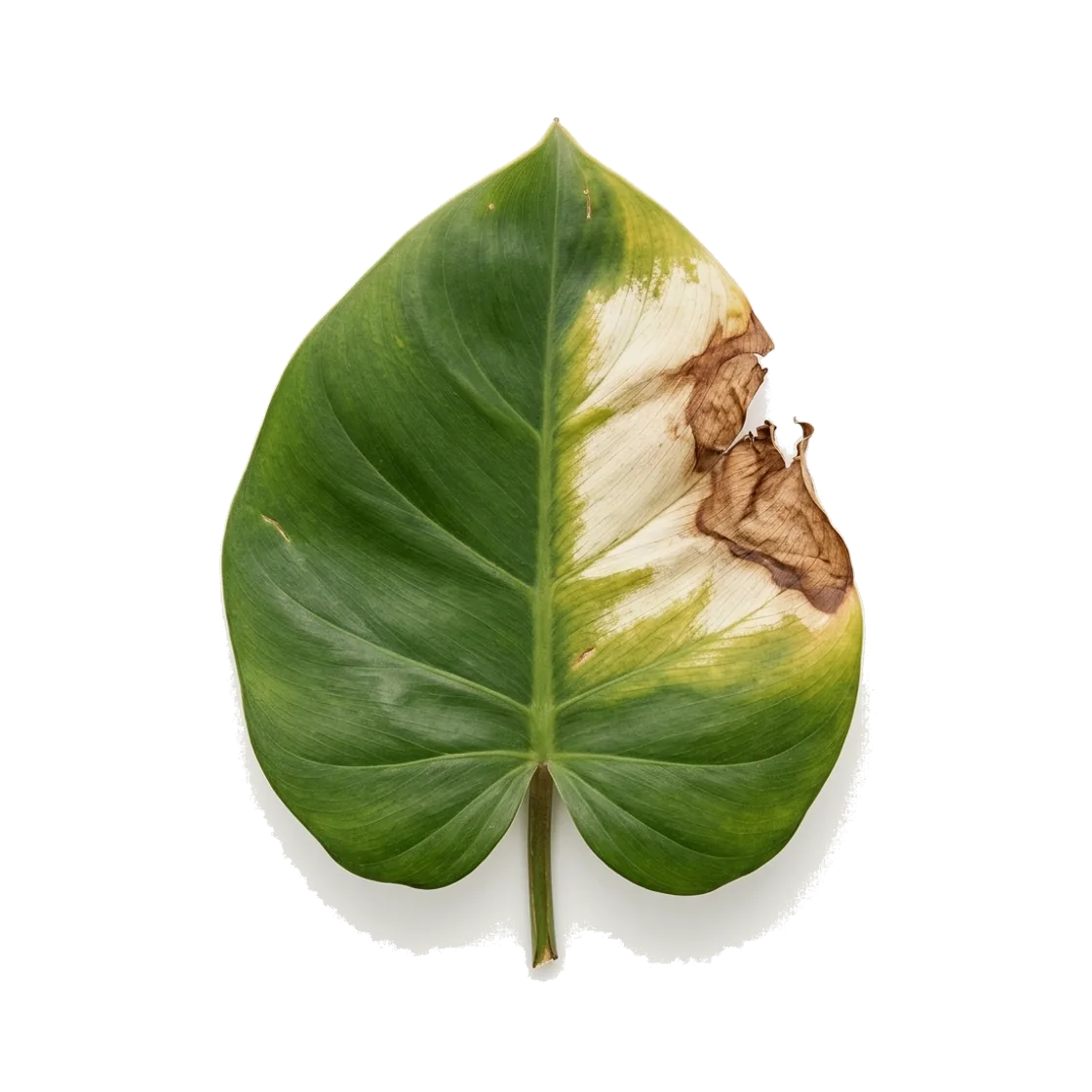
Yellow foliage is almost always a sign of overwatering or poorly draining soil that keeps the rhizomes waterlogged. Allow the medium to dry out entirely, empty standing water from the saucer, and reduce watering frequency.
How long can a ZZ plant survive without water?
Thanks to its large subterranean storage rhizomes, a mature specimen can comfortably endure four to six weeks without a single drop. During dark winter months, this prolonged dry spell is entirely normal and even beneficial.
Can a ZZ plant grow in a room without windows?
It tolerates low artificial fluorescent lighting exceptionally well and can survive in windowless spaces for extended periods. However, moving it occasionally to a brighter location with indirect daylight will keep growth healthy and prevent stagnation.
Why are the stems leaning or falling over?
Stems typically droop when the plant reaches for insufficient light or when excessive moisture softens the underground rhizomes and base. Shift the container into a brighter spot with indirect light and verify that the base feels firm rather than mushy.