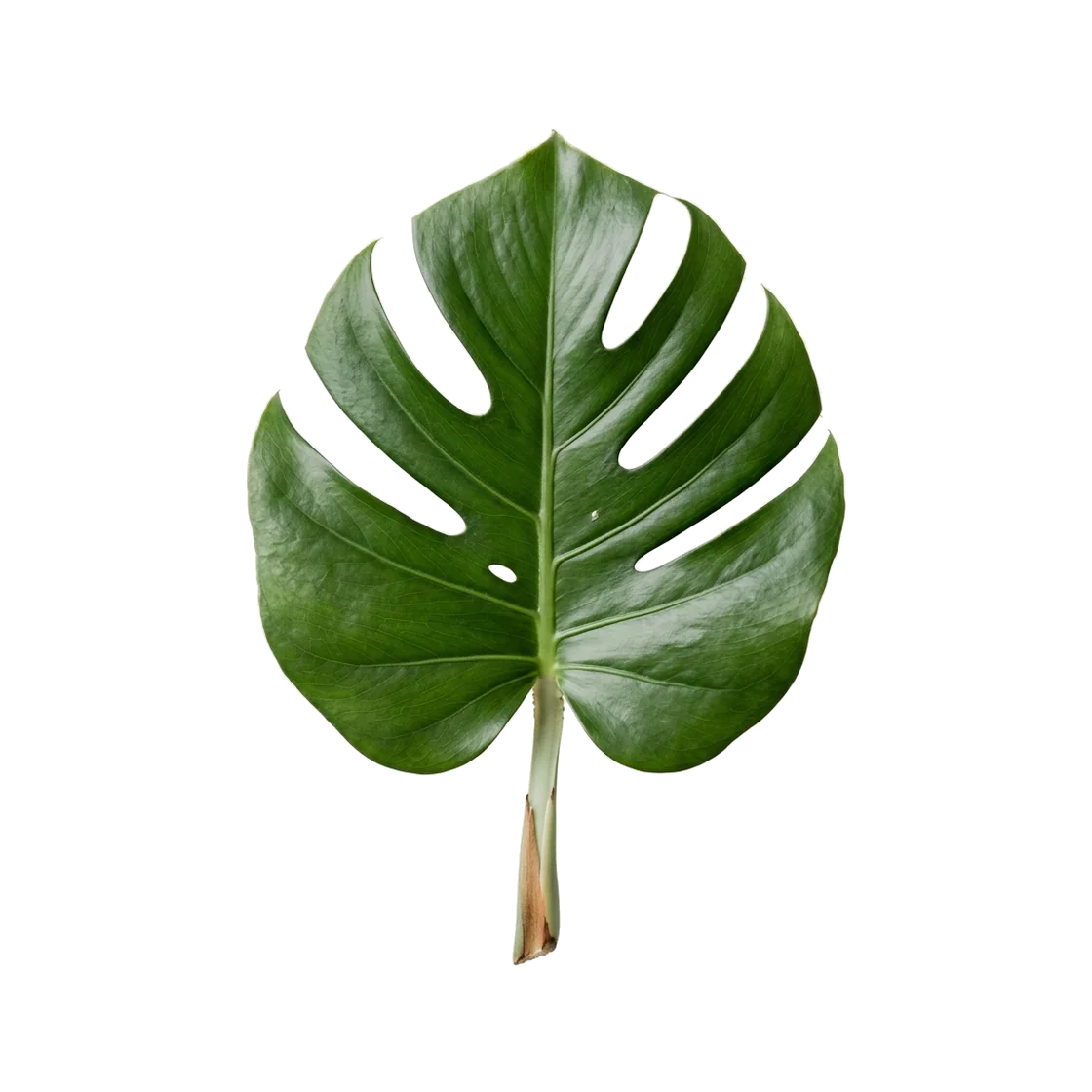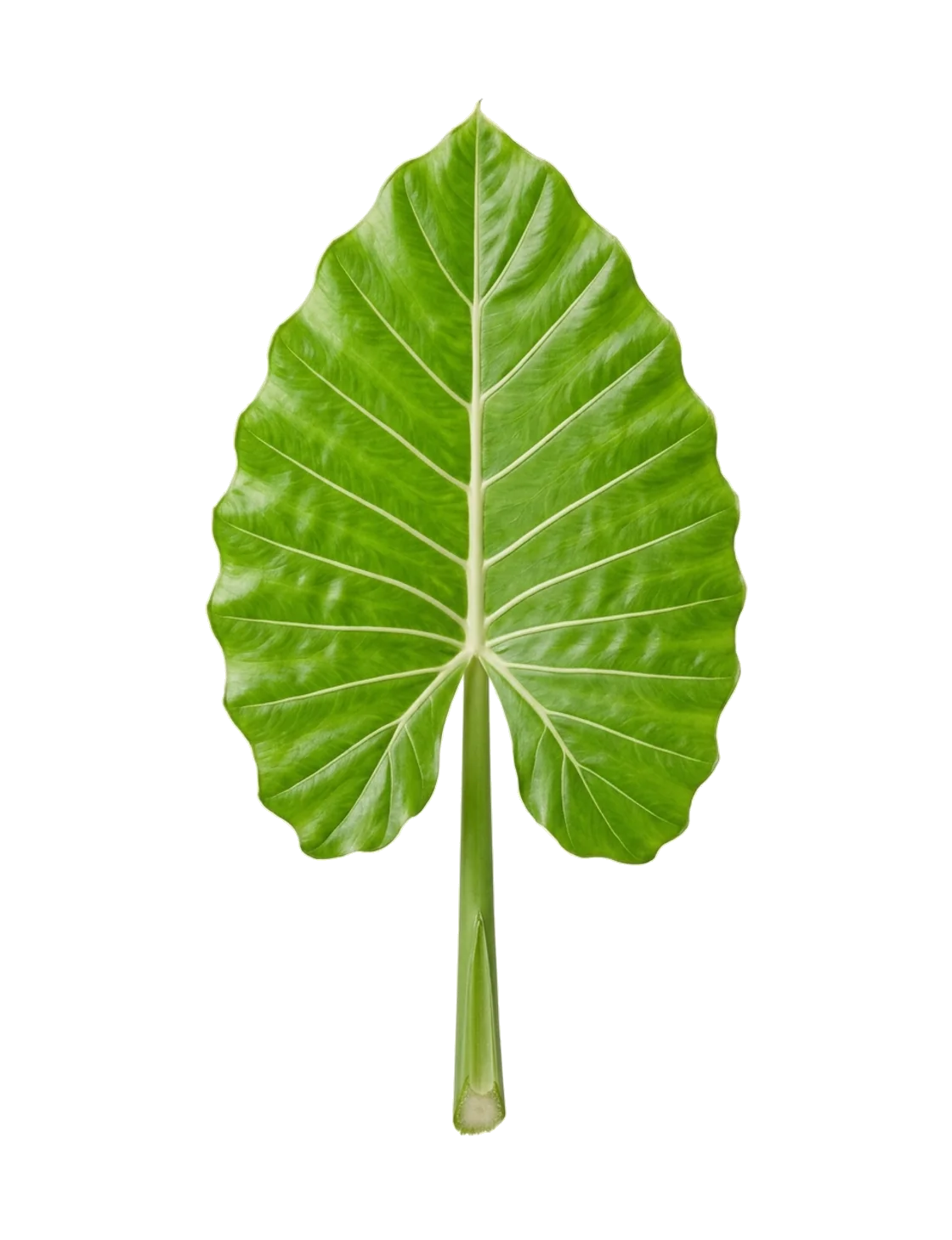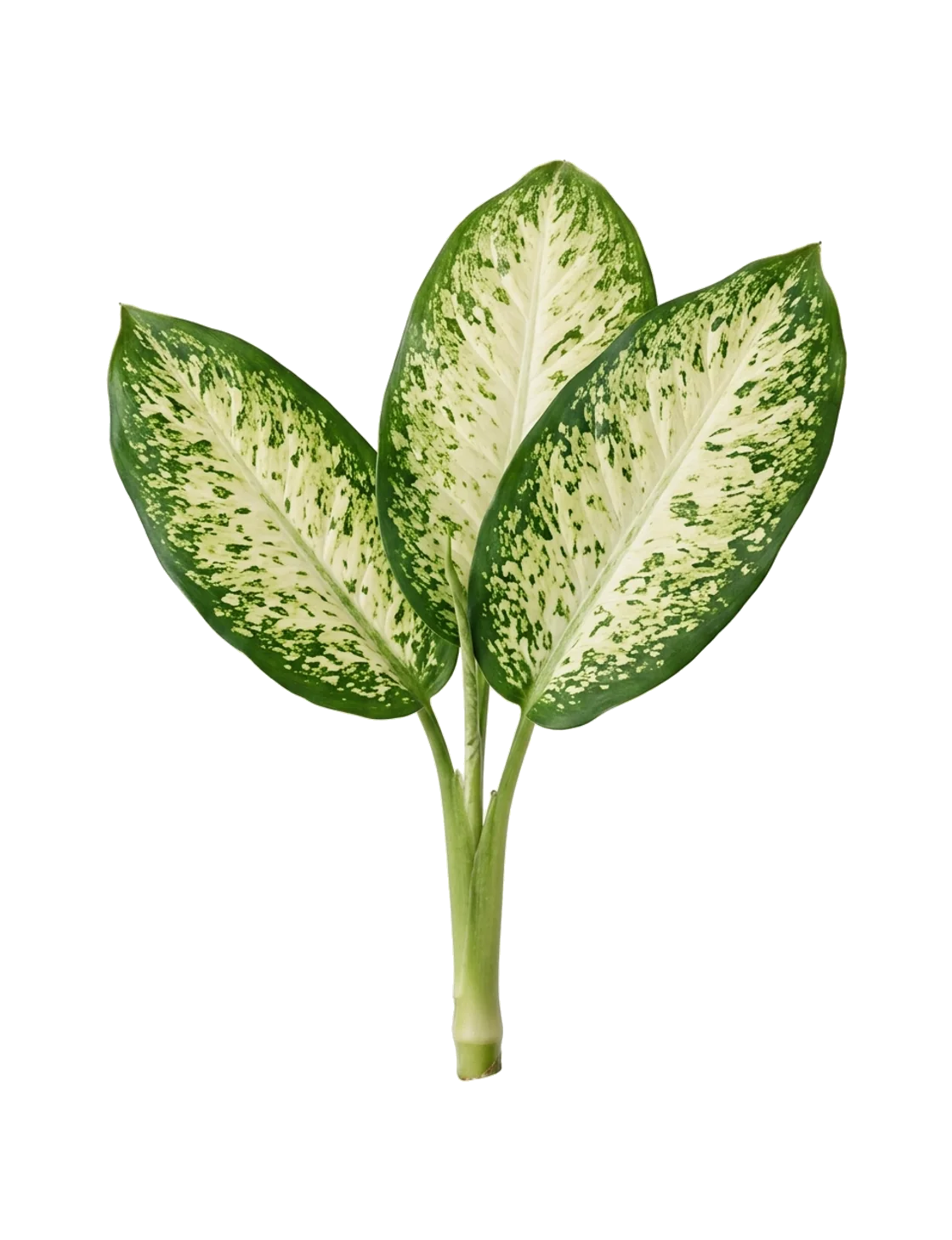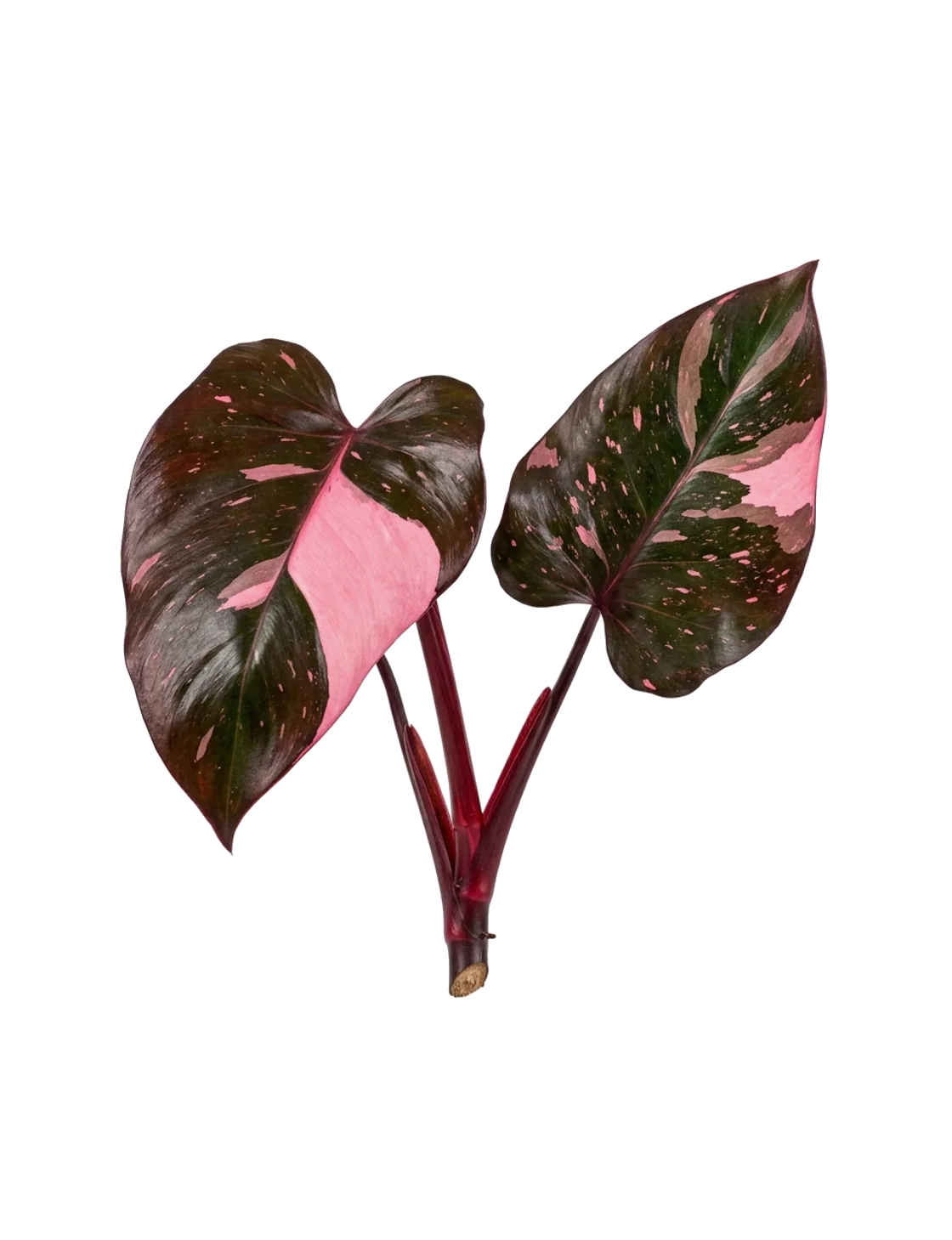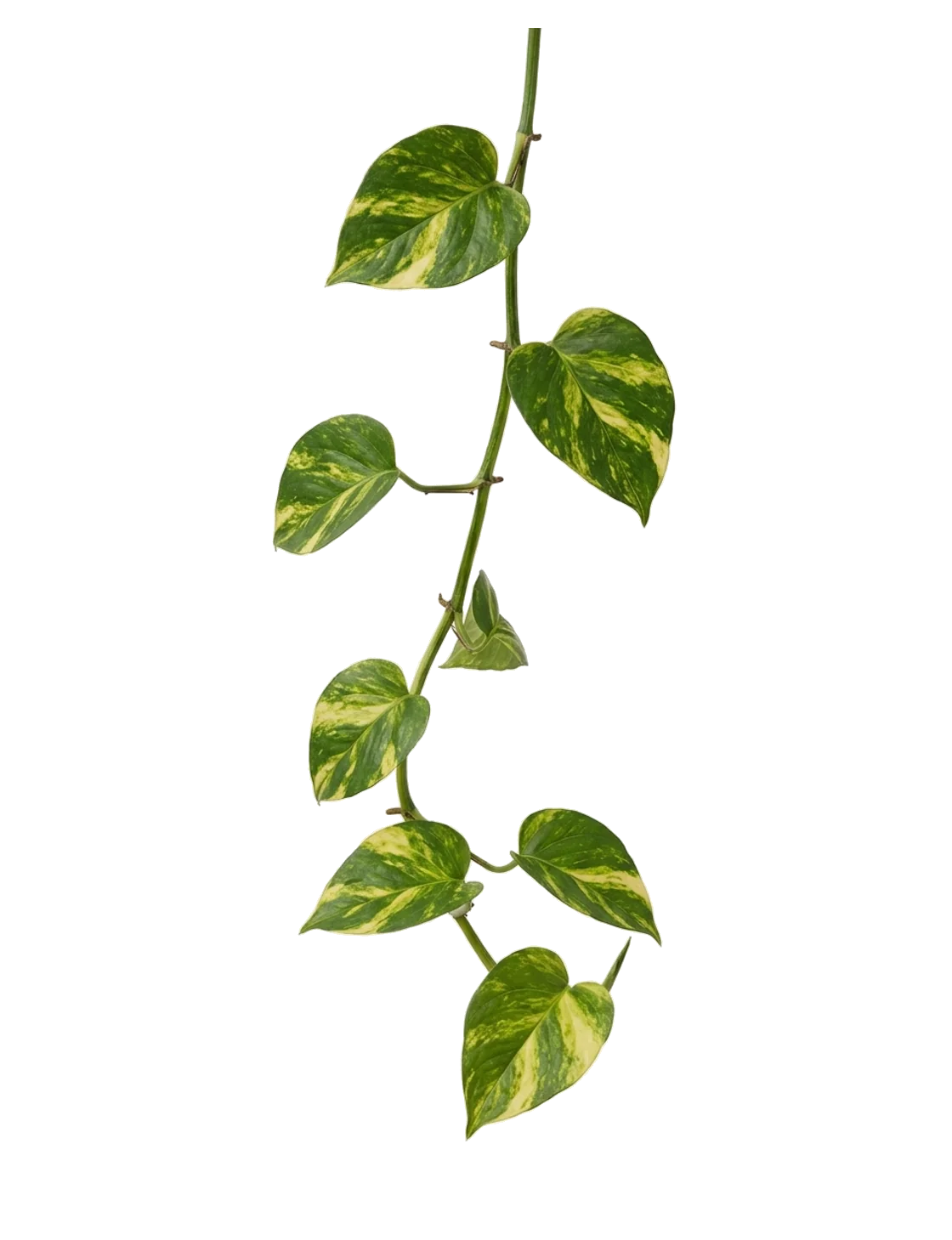
Pothos is a popular vining plant native to French Polynesia, widely grown across the world as a dependable houseplant. It features glossy, heart-shaped leaves often patterned with striking splashes of gold, cream, or white. Thanks to its remarkable adaptability, it easily thrives in diverse domestic environments, making it a staple in homes and offices.
In nature, pothos climbs up tree trunks using adventitious aerial roots, eventually developing huge foliage. When grown indoors, it is most commonly displayed as a trailing plant in hanging baskets or on high shelves where its leafy vines cascade gracefully. If trained onto a moss pole or trellis, its leaves can grow significantly larger over time.
This species is exceptionally forgiving, which makes it ideal for beginning plant enthusiasts. It handles irregular watering schedules well and visually signals thirst when its leaves begin to droop slightly. While pothos tolerates low-light corners, providing bright indirect light ensures vigorous growth and maintains its characteristic leaf variegation.
Did you know?In the wild, pothos vines can climb up to 40 feet high and produce leaves that measure nearly three feet across.
Care. What it needs, point by point.
- Watering
- 1× a weekWater thoroughly when the top two inches of potting mix feel dry to the touch. In general, this means watering once a week during warmer months and every ten to fourteen days in winter. It is always safer to underwater pothos than to leave its roots sitting in soggy soil.
- Light
- IndirectPosition your plant in bright, indirect sunlight to maintain its vibrant variegated leaf patterns. It easily tolerates medium to low light, though growth will slow down and leaves may turn solid green.
- Temperature
- 18–26 °C ideal temperatureMaintain temperatures between 18 °C and 26 °C (65 °F to 80 °F) for consistent, healthy growth. Protect the plant from cold drafts and temperatures dropping below 10 °C (50 °F).
- Soil
- A well-aerated potting mix containing peat or coco coir combined with perlite provides the necessary drainage and moisture retention.
- Fertilizer
- Feed with a balanced liquid houseplant fertilizer once a month through spring and summer. Withhold fertilizer entirely throughout the colder fall and winter months.
- Pruning
- Trim back overly long or leggy vines in spring to encourage bushier, fuller growth near the base. The trimmed stem cuttings can be easily saved and rooted to start new plants.
- Propagation
- Propagate by taking stem cuttings that include at least one leaf and one aerial root node. Place the cuttings in water or moist potting soil, and roots will reliably emerge within a few weeks.
Where it grows. In the wild and in homes.
In the wild it grows in the south-central Pacific, in a wet tropical climate.
People have also taken it to 40 more regions where it now grows on its own: South and Central America and the Caribbean, tropical Asia, Africa, and the Pacific.
The Florami community has photographed it in España.
Range: Plants of the World Online, Royal Botanic Gardens, Kew
Is Pothos toxic to cats and dogs?
Toxic to cats and dogs.

Cats
Toxic

Dogs
Toxic
Usual signs
Oral irritation, pain and swelling of the mouth, tongue, and lips, excessive drooling, vomiting, and difficulty swallowing.
If your pet has chewed it and shows symptoms, call your vet or the nearest emergency vet.
Source · ASPCA Animal Poison Control
Gallery As the community sees it.
Photo · Joydeep · CC BY-SA 3.0
Common problems What tends to go wrong.
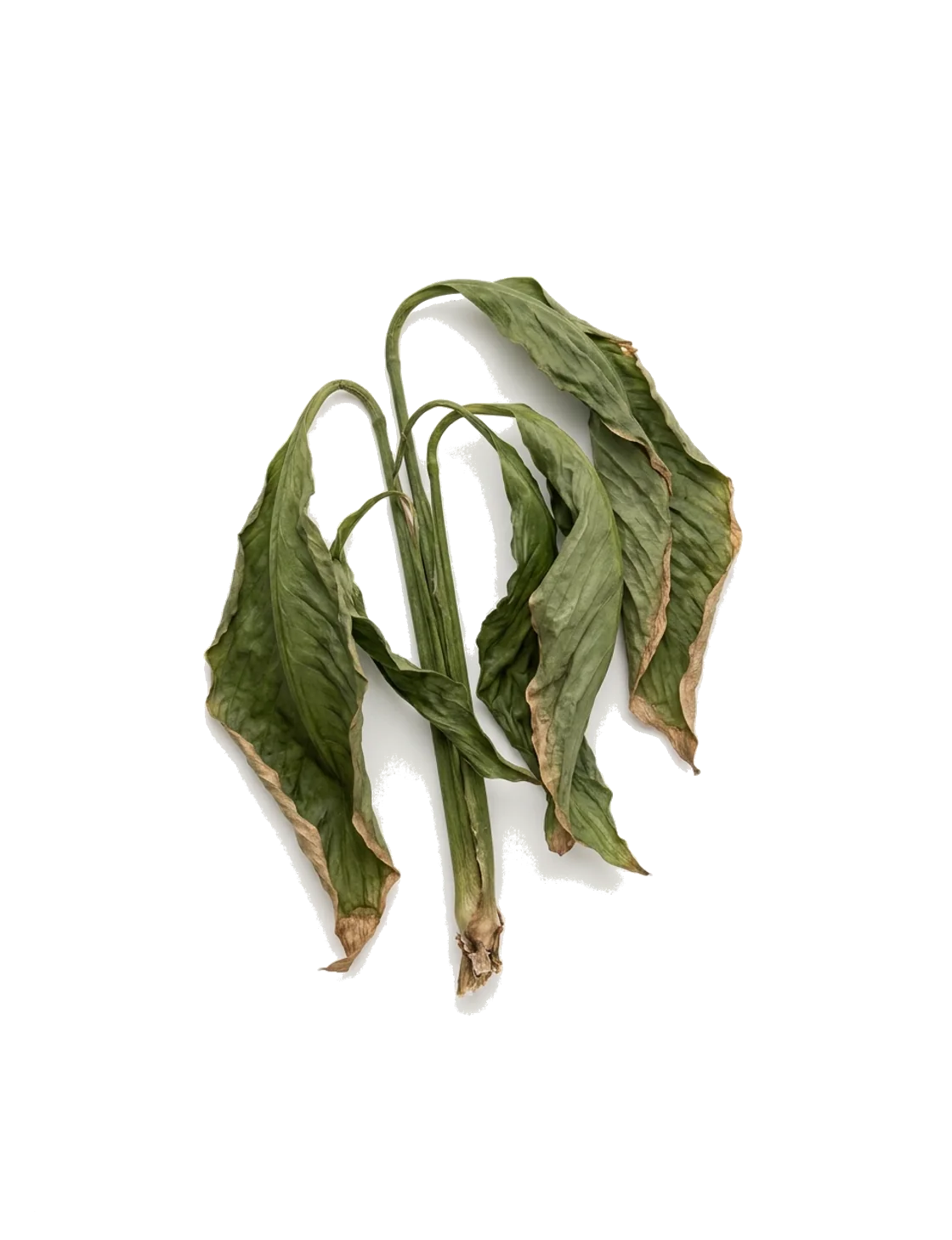
- Root rot
- Overwatering
- Too little light
- Mealybugs and scale
- Underwatering




Frequently asked questions What people ask most.
Why are my pothos leaves turning yellow?
Yellow leaves are most commonly caused by overwatering or soil that stays waterlogged for too long. Check the drainage holes to ensure excess water escapes freely and let the topsoil dry out before watering again.
Why is my pothos losing its variegated leaf pattern?
Loss of variegation indicates that the plant is not receiving sufficient indirect light. When placed in darker rooms, pothos produces more chlorophyll to absorb available light, turning the leaves solid green.
Can pothos grow permanently in water?
Yes, pothos can survive indefinitely in a vase of fresh water if the water is replaced regularly. However, plants grown exclusively in water will grow at a slower rate than those planted in nutrient-rich potting soil.
Is pothos better as a hanging plant or climbing on a pole?
Both styles work wonderfully depending on your space and personal decorative preference. Allowing vines to climb a moss pole encourages the leaves to grow noticeably larger, while trailing them keeps leaves compact and uniform.