Monstera
Monstera deliciosa
Learn how to care for your Monstera: watering tips, light needs, ideal soil mix, and solutions to common problems to keep your houseplant thriving.
- Light
- Indirect
- Watering
- 7–10days between waterings
- Temperature
- 18–27 °Cideal temperature
- Pets
- Toxic
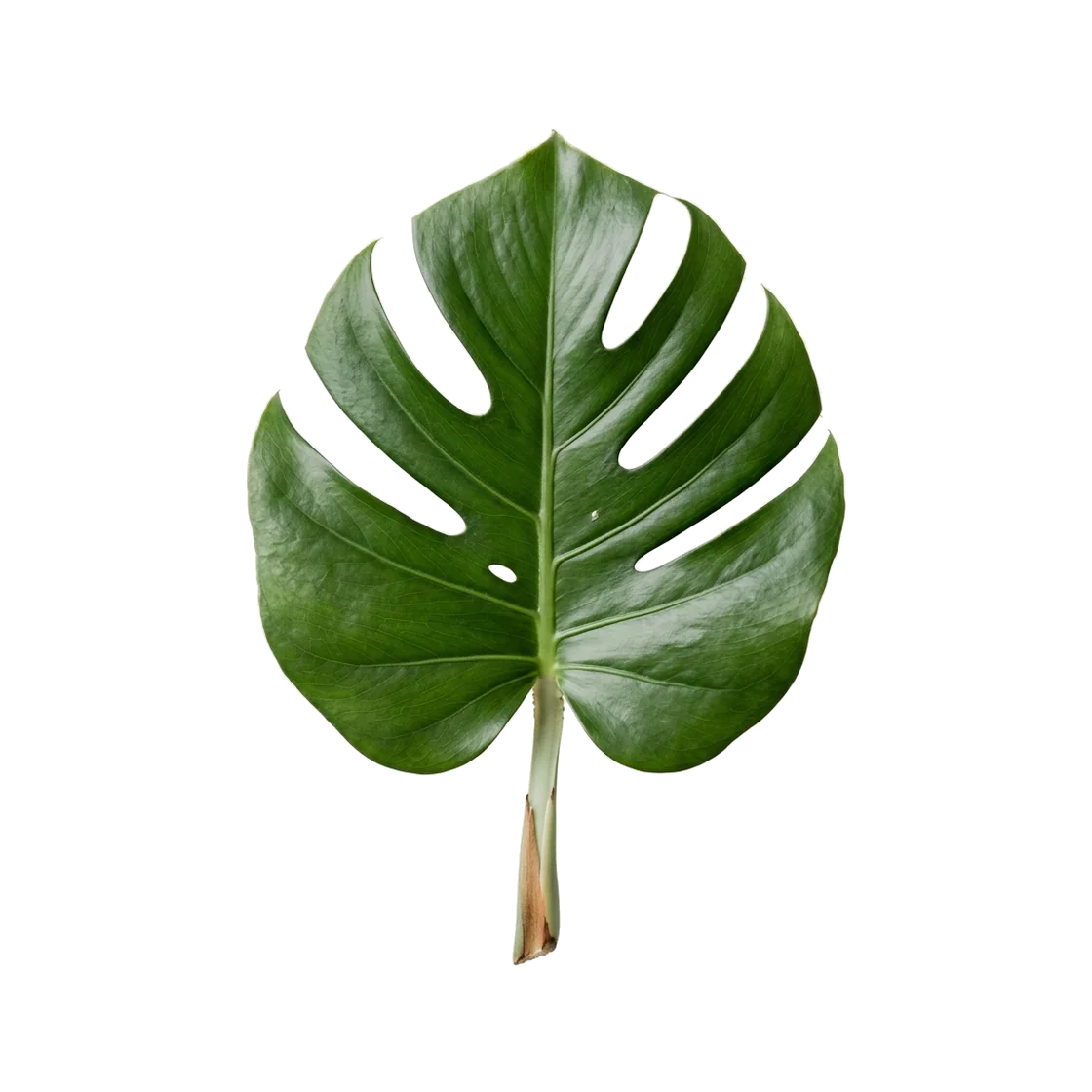
Monstera, commonly known as the Swiss cheese plant or split-leaf philodendron, is a vigorous climbing evergreen native to the tropical rainforests of Central America. It is celebrated worldwide for its glossy, heart-shaped leaves that develop dramatic splits and fenestrations as the plant matures. Thanks to its sculptural presence and reliable hardiness, it has become one of the most iconic indoor plants for home and office spaces.
In its native jungle habitat, Monstera uses thick aerial roots to cling to host trees and climb upwards toward the canopy light. When grown indoors, it benefits greatly from a sturdy moss pole or trellis that supports its climbing habit and encourages larger foliage. While it can survive lower light levels, bright indirect illumination and moderate humidity will produce the healthiest growth and the most perforated leaves.
Caring for this plant is straightforward, making it an excellent choice for beginner and seasoned plant parents alike. Overwatering is the most frequent issue growers encounter, so a pot with drainage holes and a loose, breathable substrate are essential. With adequate space and basic attention to watering, a Monstera will thrive for many decades, quickly becoming a stunning centerpiece in any room.
Did you know?The natural slits and perforations in its leaves, known as fenestrations, allow wild plants to let sunlight through to lower leaves and survive strong winds.
Care. What it needs, point by point.
- Watering
- 7–10 days between wateringsWater every 7 to 10 days during spring and summer, reducing the frequency to every 12 to 15 days in winter. Always check that the top few inches of potting mix feel dry before giving it a thorough soak. Ensure the pot has drainage holes so water never sits around the roots.
- Light
- IndirectIt thrives in bright, indirect sunlight which encourages lush growth and leaf splits. Keep it shielded from intense direct afternoon sun to avoid scorched foliage, though it can tolerate moderate shade.
- Temperature
- 18–27 °C ideal temperatureThe ideal temperature range is between 18 °C and 27 °C for steady growth. Keep the plant away from cold drafts and heaters, and never let it drop below 12 °C.
- Soil
- Use a well-draining, airy potting mix made of quality houseplant soil blended with orchid bark and perlite. This blend prevents compaction and lets roots breathe freely.
- Fertilizer
- Feed monthly during spring and summer using a balanced liquid houseplant fertilizer diluted to half strength. Pause fertilization in autumn and winter when the plant naturally slows down.
- Pruning
- Trim yellowing or damaged leaves close to the main stem using clean, sharp pruning shears. You can also prune unruly stems to manage its size and encourage a bushier habit.
- Propagation
- Propagate by stem cuttings in spring, making sure each cutting has at least one node and an aerial root. Place the cutting in water or moist potting mix until a healthy root system develops.
Where it grows. In the wild and in homes.
In the wild it grows in Mexico and Central America, in a wet tropical climate.
People have also taken it to 13 more regions where it now grows on its own: Africa, South and Central America and the Caribbean, the Pacific, and Europe.
Range: Plants of the World Online, Royal Botanic Gardens, Kew
Is Monstera toxic to cats and dogs?
Toxic to cats and dogs.

Cats
Toxic

Dogs
Toxic
Usual signs
Causes oral irritation, pain and swelling of the mouth, tongue, and lips, excessive drooling, vomiting, and difficulty swallowing.
If your pet has chewed it and shows symptoms, call your vet or the nearest emergency vet.
Source · ASPCA Animal Poison Control
Common problems What tends to go wrong.
- Overwatering
- Root rot
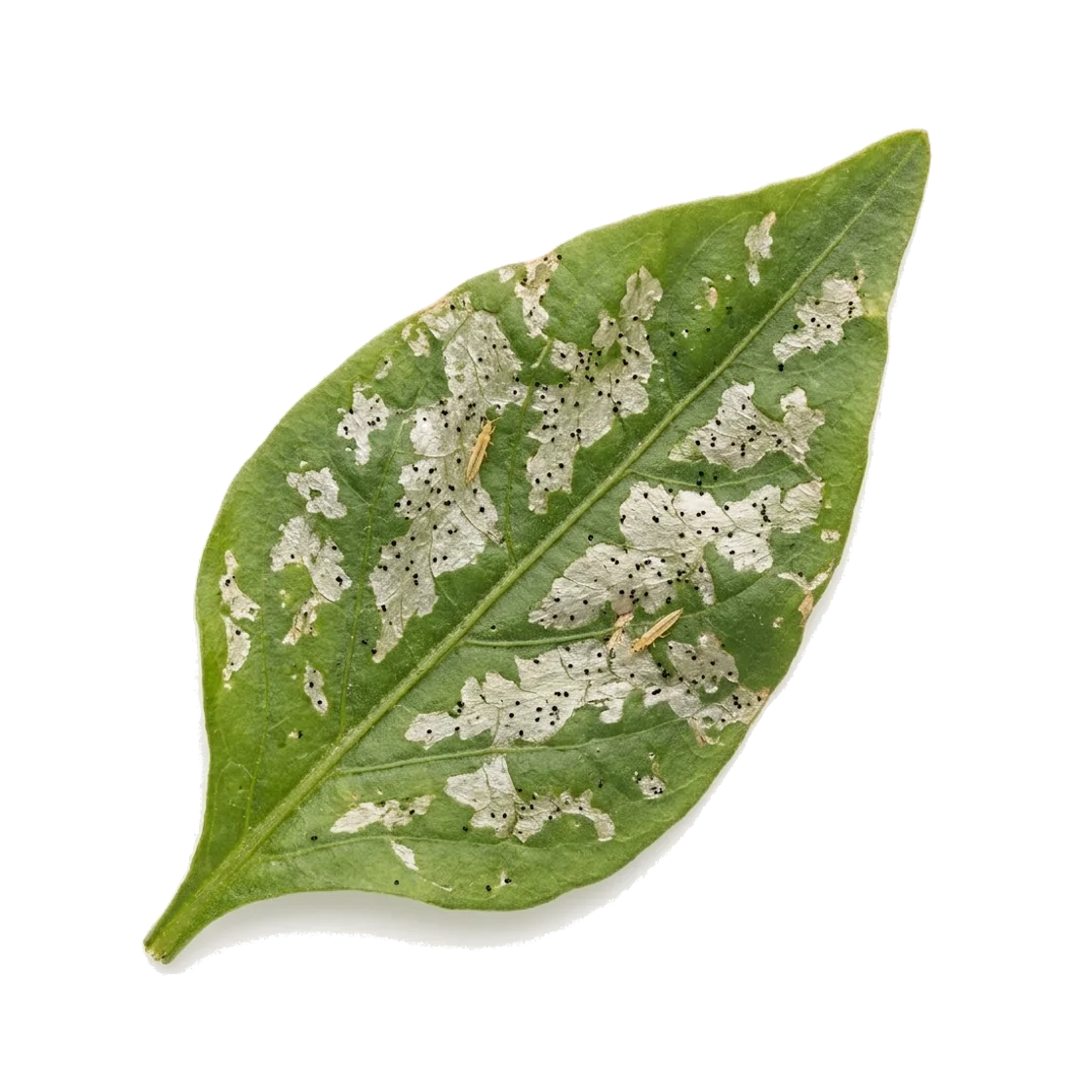
- Thrips
- Spider mites
- Too little light
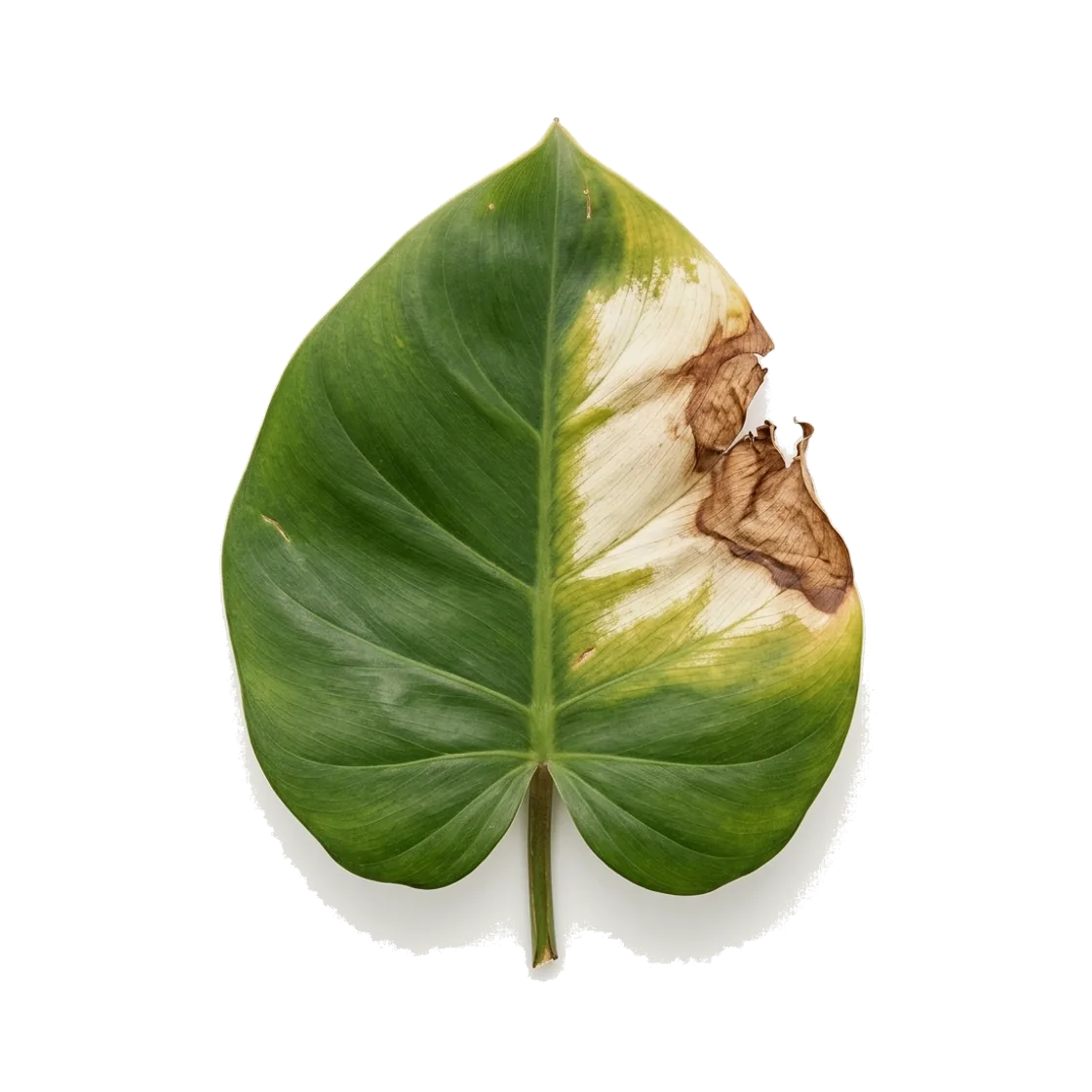
- Sunburn




Frequently asked questions What people ask most.
Why are my Monstera leaves turning yellow?
Overwatering and poor soil drainage are the primary reasons for yellow leaves on a Monstera. Let the top layer of soil dry out between waterings and make sure excess water drains freely. Occasional yellowing on older, lower leaves is simply a normal part of the plant's aging cycle.
Why does my Monstera not have any splits in its leaves?
A lack of leaf fenestrations usually means the plant is either not getting enough light or is still quite young. Move your plant to a brighter spot with plenty of filtered sun to stimulate leaf splits on new growth. Providing a support pole also signals the plant to produce larger, mature foliage.
What should I do with the aerial roots?
You can gently tuck them back into the potting soil so they can absorb additional moisture and nutrients, or train them onto a moss pole. Trimming them is generally not recommended, as they play an active role in plant health, though doing so won't kill the plant. If they become unruly or dry out completely, you can safely snip them off near the stem.
How often should I water my Monstera?
As a general guideline, water once every 7 to 10 days during the growing season, and space it out to every 12 to 15 days in winter. The most reliable method is to feel the soil and only water when the top two inches are dry. Adjust this routine based on your home's humidity, temperature, and seasonal light levels.