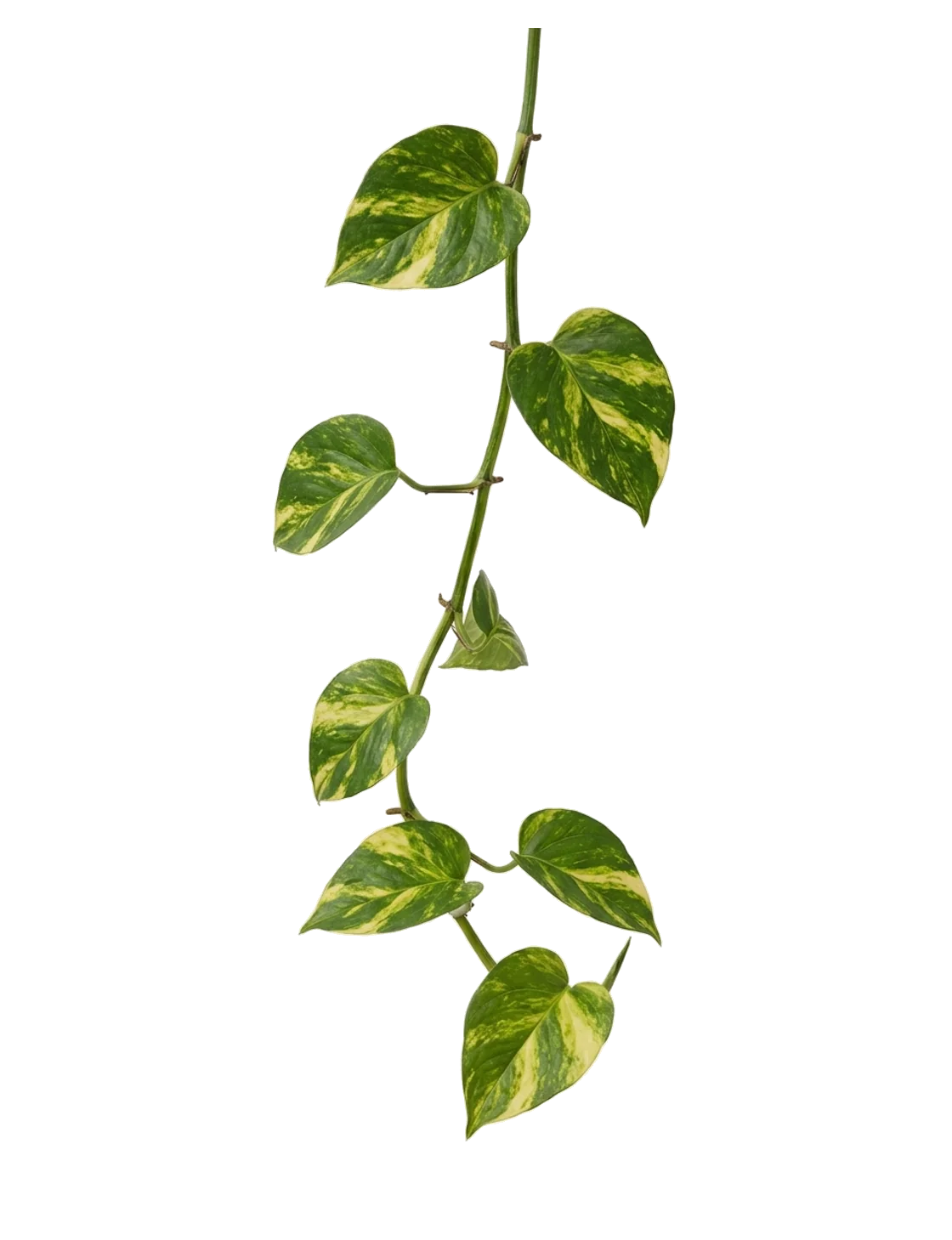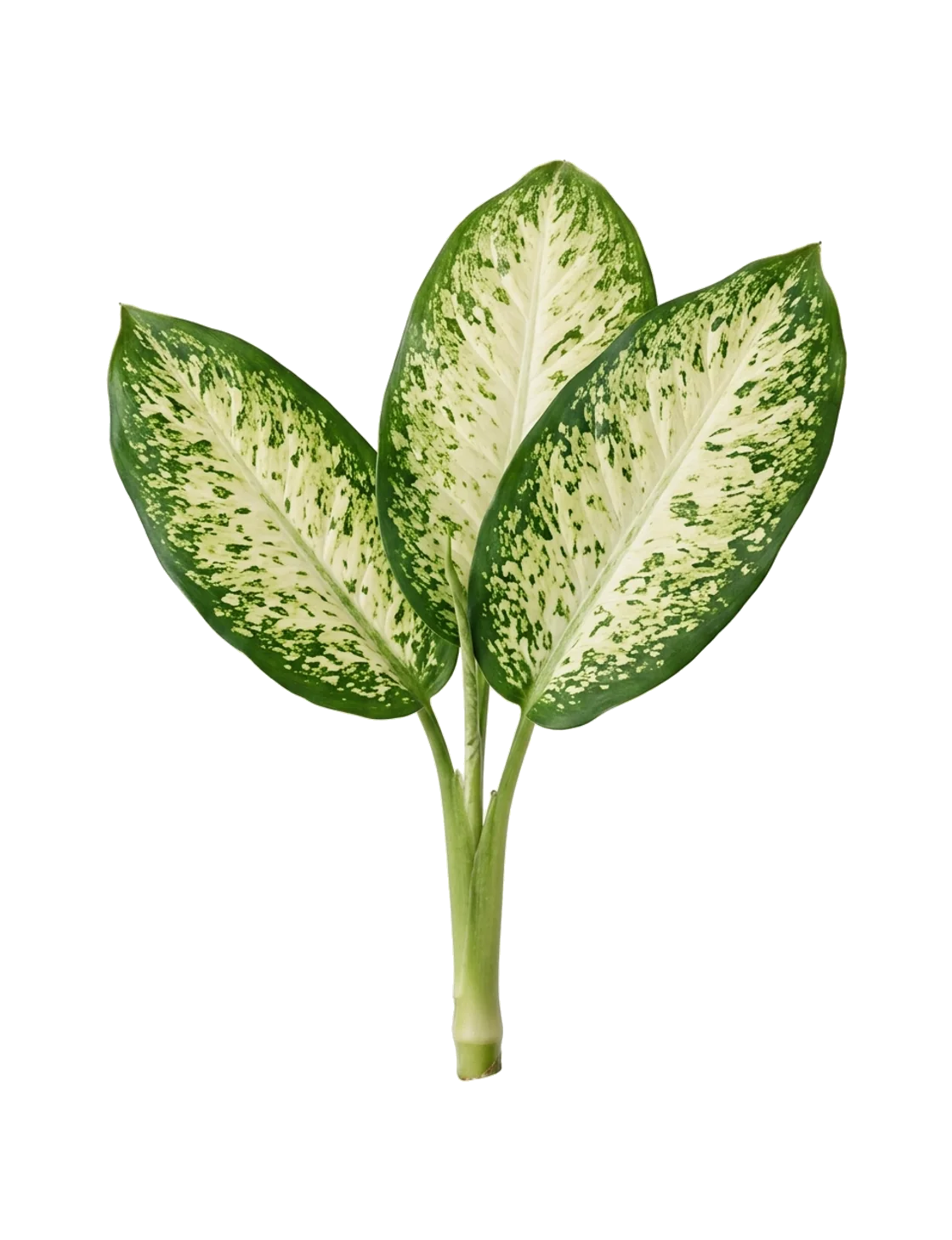
Dumb cane (Dieffenbachia seguine) is a popular tropical evergreen herbaceous plant native to Central and South America as well as the Caribbean. It is celebrated for its lush, broad leaves that display striking patterns of creamy white or pale yellow against deep green edges. Indoors, it typically grows between three and five feet tall, forming an upright and substantial architectural specimen.
Its enduring popularity as a houseplant stems from its rapid growth rate and dependable performance in indoor living areas. It thrives in warm, stable conditions and prefers moderate to high ambient humidity rather than dry, drafty locations. Wiping down the broad foliage occasionally with a damp cloth prevents dust buildup and keeps the plant transpiring smoothly throughout the year.
The most frequent challenge in cultivating dumb cane is overwatering, which quickly causes root rot in its fleshy underground system. By letting the upper layer of soil dry out slightly between waterings and providing bright indirect light, you will enjoy a vigorous and resilient foliage plant for years.
Did you know?The genus Dieffenbachia was named after Joseph Dieffenbach, head gardener at Vienna's Schönbrunn Palace in the early nineteenth century.
Care. What it needs, point by point.
- Watering
- 1× a weekWater thoroughly when the top inch or two of potting soil feels dry to the touch, generally once a week in warm seasons and every ten to fourteen days in winter. Always empty runoff trays promptly to keep the roots from sitting in standing water.
- Light
- IndirectProvide plenty of bright, indirect light to keep leaf variegation vibrant and crisp. Protect it from direct afternoon sun, which scorches the foliage, as well as dense shade that causes weak growth.
- Temperature
- 18–26 °C ideal temperatureKeep temperatures comfortably between 18°C and 26°C (65°F to 80°F) for steady leaf production. Avoid cold drafts and protect the plant from dropping below 15°C (59°F), which triggers leaf loss.
- Soil
- Plant in a loose, well-draining potting mix rich in organic matter, using peat moss, perlite, and a touch of orchid bark.
- Fertilizer
- Feed with a balanced liquid houseplant fertilizer diluted to half strength once a month in spring and summer, pausing during the dormant winter period.
- Pruning
- Trim off yellowing or damaged lower leaves at the stem base using clean, sterilized shears.
- Propagation
- Root stem tip or cane section cuttings in water or moist potting mix during the warm spring months. You can also separate rooted basal shoots during repotting.
Where it grows. In the wild and in homes.
In the wild it grows in South and Central America and the Caribbean, in a wet tropical climate.
People have also taken it to 11 more regions where it now grows on its own: the Pacific, tropical Asia, Africa, and North America.
Range: Plants of the World Online, Royal Botanic Gardens, Kew
Is Dumb cane toxic to cats and dogs?
Toxic to cats and dogs.

Cats
Toxic

Dogs
Toxic
Usual signs
Oral irritation, pain and swelling of the mouth, tongue, and lips, excessive drooling, vomiting, and difficulty swallowing.
If your pet has chewed it and shows symptoms, call your vet or the nearest emergency vet.
Source · ASPCA Animal Poison Control
Common problems What tends to go wrong.
- Overwatering
- Root rot
- Spider mites
- Mealybugs and scale
- Cold damage





Frequently asked questions What people ask most.
Why are my dumb cane leaves turning yellow?
Overwatering and poorly drained soil are the most common culprits behind yellow leaves. If only the lowest, oldest leaves turn yellow one at a time, it is usually just natural aging.
How often should I water my dumb cane?
Water whenever the top couple of inches of soil dry out rather than following a strict calendar schedule. This typically translates to roughly once per week in warmer months and less often during winter.
Why are the leaf tips turning brown and crispy?
Dry indoor air from household heating or air conditioning is the usual cause of brown tips. Raising humidity by grouping plants together or using a pebble tray filled with water helps remedy this issue.
What should I do if my dumb cane gets too leggy with a bare lower stem?
As the plant ages, losing lower leaves is normal and exposes a cane-like stem. You can cut the leafy top off in spring and root it in fresh potting soil to create a fuller, more compact plant.