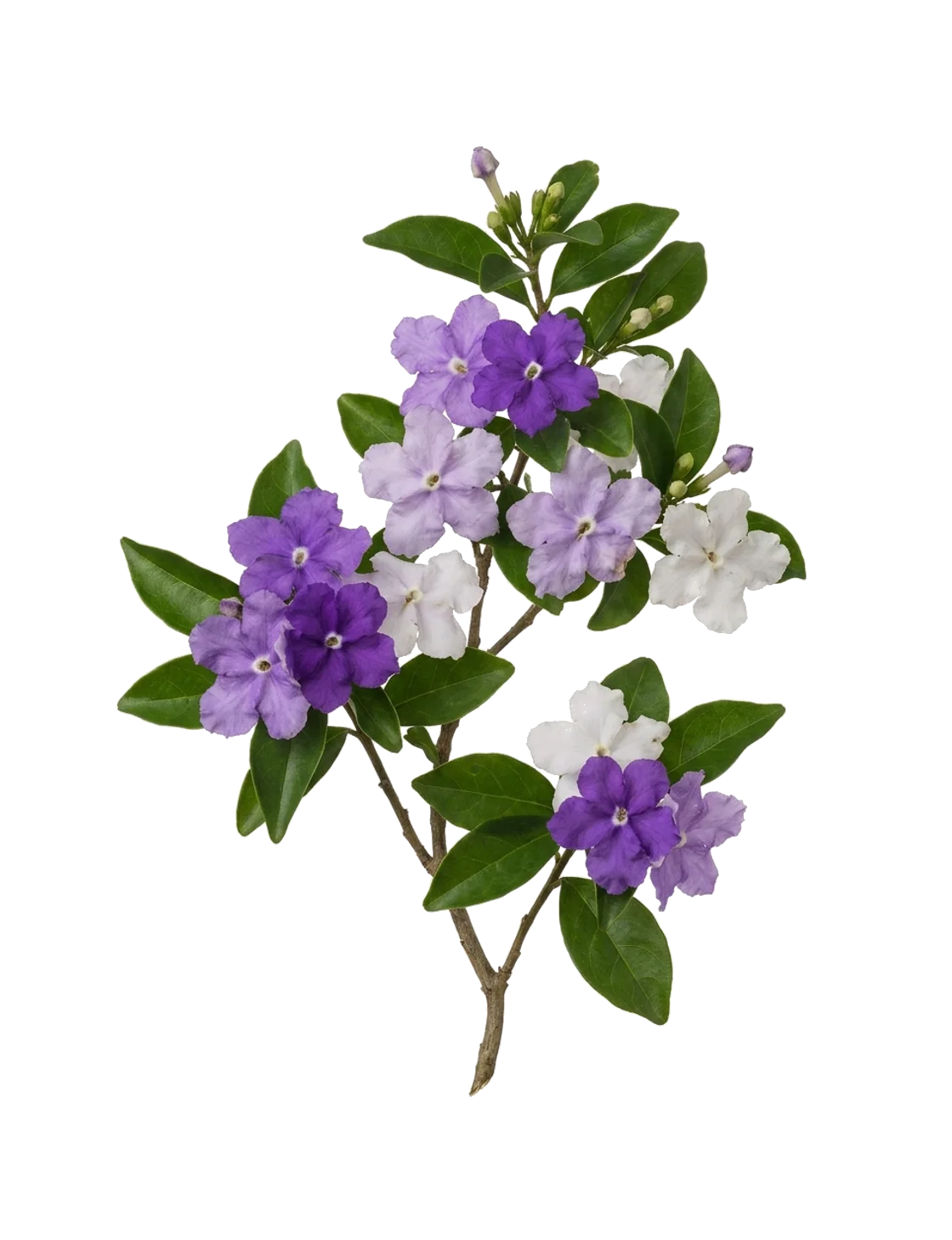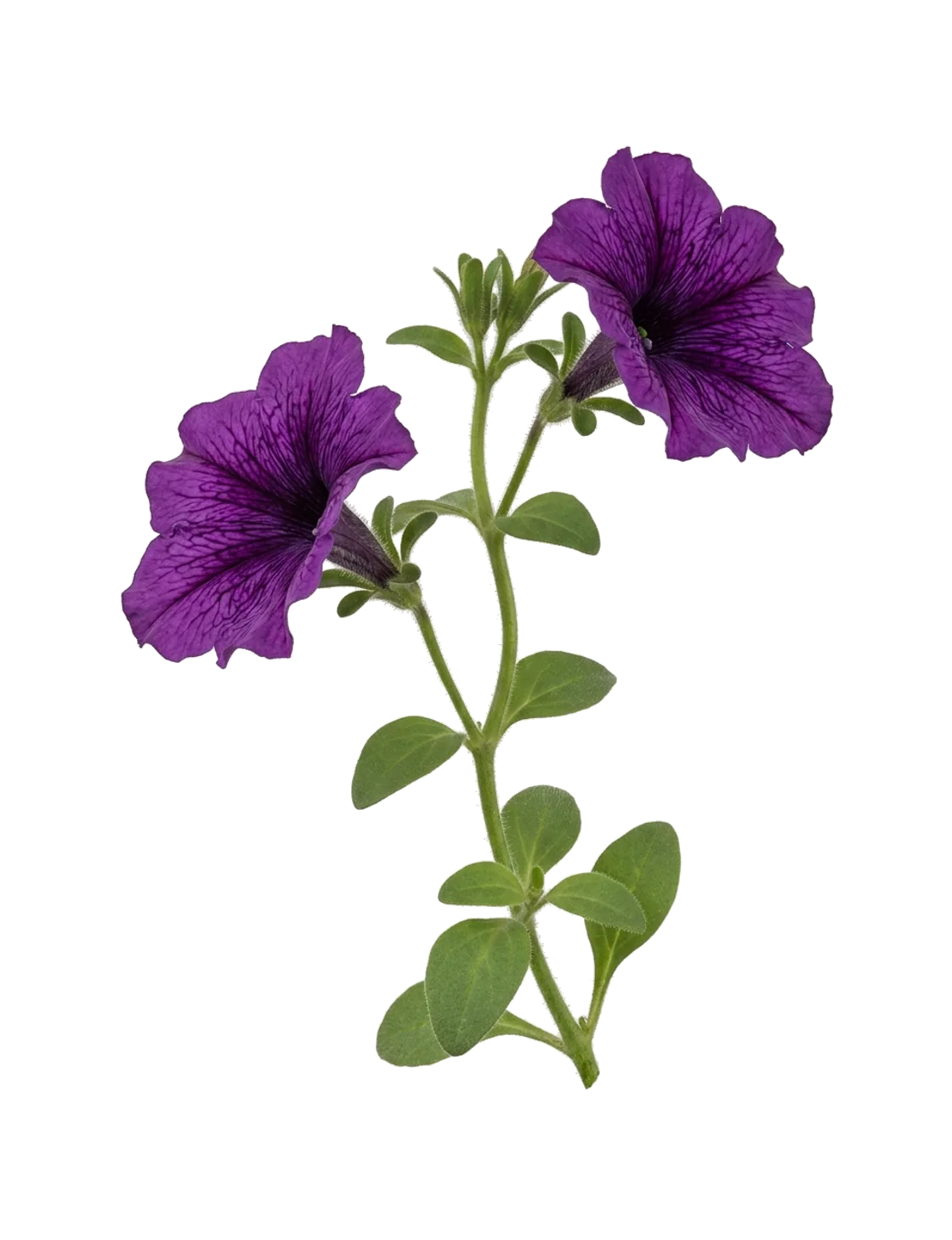
The garden petunia (Petunia hybrida) is one of the most beloved bedding plants worldwide, brightening up balconies, patios, and garden borders from late spring until autumn. Created through crosses of wild South American species, it produces a profusion of trumpet-shaped flowers in an astonishing range of solid colors, stripes, and pastel tones.
Its leaves and branching stems are soft green and slightly sticky to the touch, covered in tiny glandular hairs that help protect the plant from harsh conditions. Although technically a tender perennial, it is almost universally grown as an annual in temperate zones because it cannot survive freezing winter temperatures. It performs brilliantly in hanging baskets, window boxes, and raised beds.
Thriving petunias depend on generous amounts of direct sunlight and consistent moisture without waterlogged soil. Regularly pinching off spent flower heads will prevent seed formation, redirecting all energy into producing fresh buds and keeping your displays dense and vibrant throughout the entire growing season.
Did you know?The sticky texture of petunia foliage is produced by glandular hairs that help protect the plant by trapping and deterring small crawling insects.
Care. What it needs, point by point.
- Watering
- In warm weather, container plants typically need water daily or every other day, keeping the moisture focused on the roots rather than the blossoms. Allow the top inch of potting soil to dry slightly between waterings and ensure pots drain freely.
- Light
- 5–6 h of direct sunThey require full sun to bloom abundantly, demanding at least five to six hours of direct sunlight each day. In partial shade, stems become spindly and flower production drops significantly.
- Temperature
- 15–26 °C ideal temperatureThey grow best in a warm range between 15 °C and 26 °C during the spring and summer months. They have zero frost tolerance and decline rapidly when temperatures dip steadily below 10 °C.
- Soil
- Use a light, fertile, and well-draining potting mix amended with perlite and organic matter. Dense or compacted soils that hold soggy water will quickly lead to root rot.
- Fertilizer
- 10–14 days between feedsFeed every ten to fourteen days during active growth with a balanced liquid fertilizer formulated for flowering plants.
- Pruning
- Pinch off spent blossoms together with their base to stimulate continuous flowering rather than seed production. Cut back leggy stems by roughly a third mid-season to encourage fresh, bushy growth.
- Propagation
- Easily started from seed indoors during late winter, roughly eight to ten weeks before the last frost. Softwood stem cuttings can also be rooted in water or moist potting mix during early spring.
Where it grows. In the wild and in homes.
The Florami community has photographed it in España.
Is Petunia toxic to cats and dogs?
Non-toxic to cats and dogs.

Cats
Non-toxic

Dogs
Non-toxic
Source · ASPCA Animal Poison Control
Gallery As the community sees it.
Photo · Forest & Kim Starr · CC BY 3.0
Common problems What tends to go wrong.
- Aphids
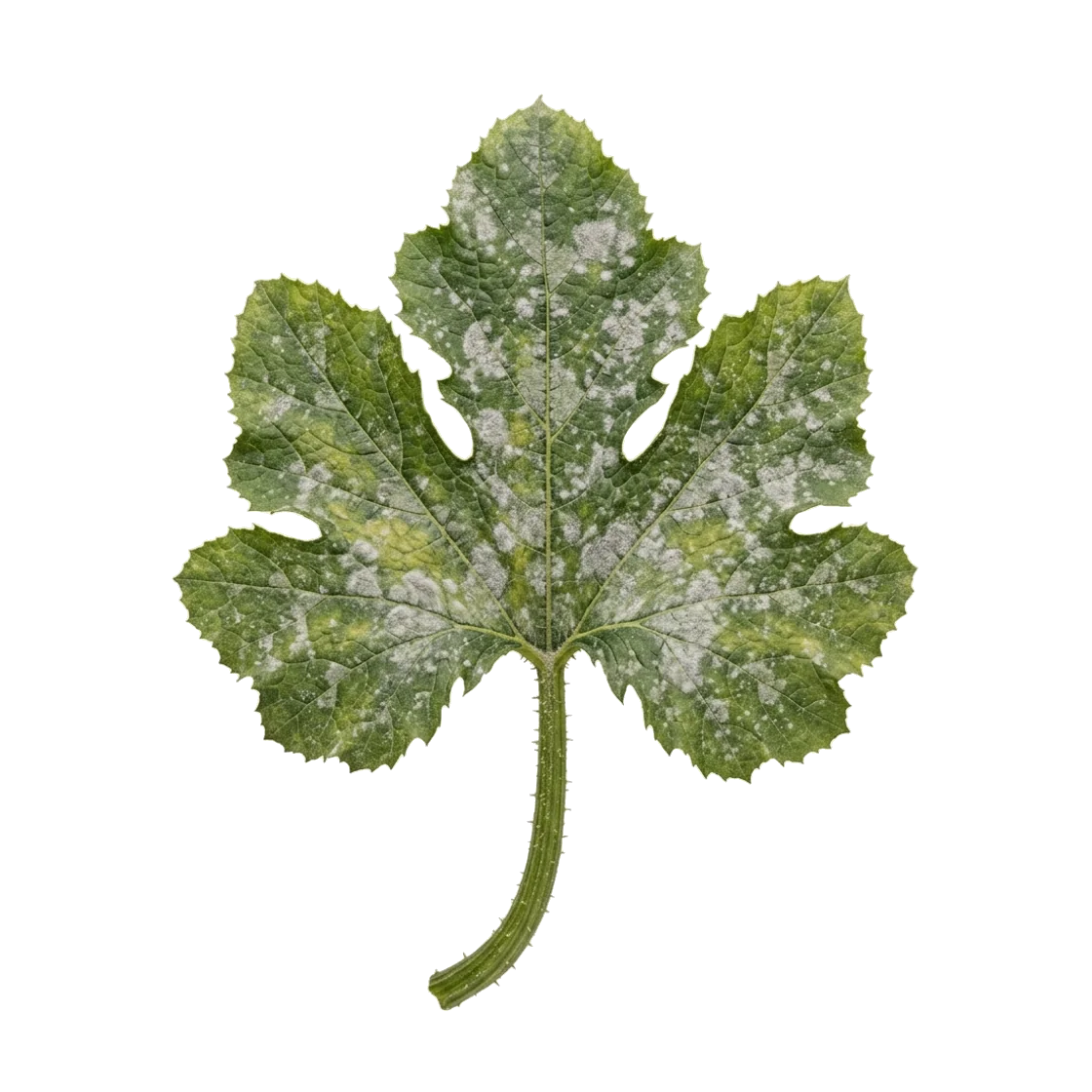
- Powdery mildew
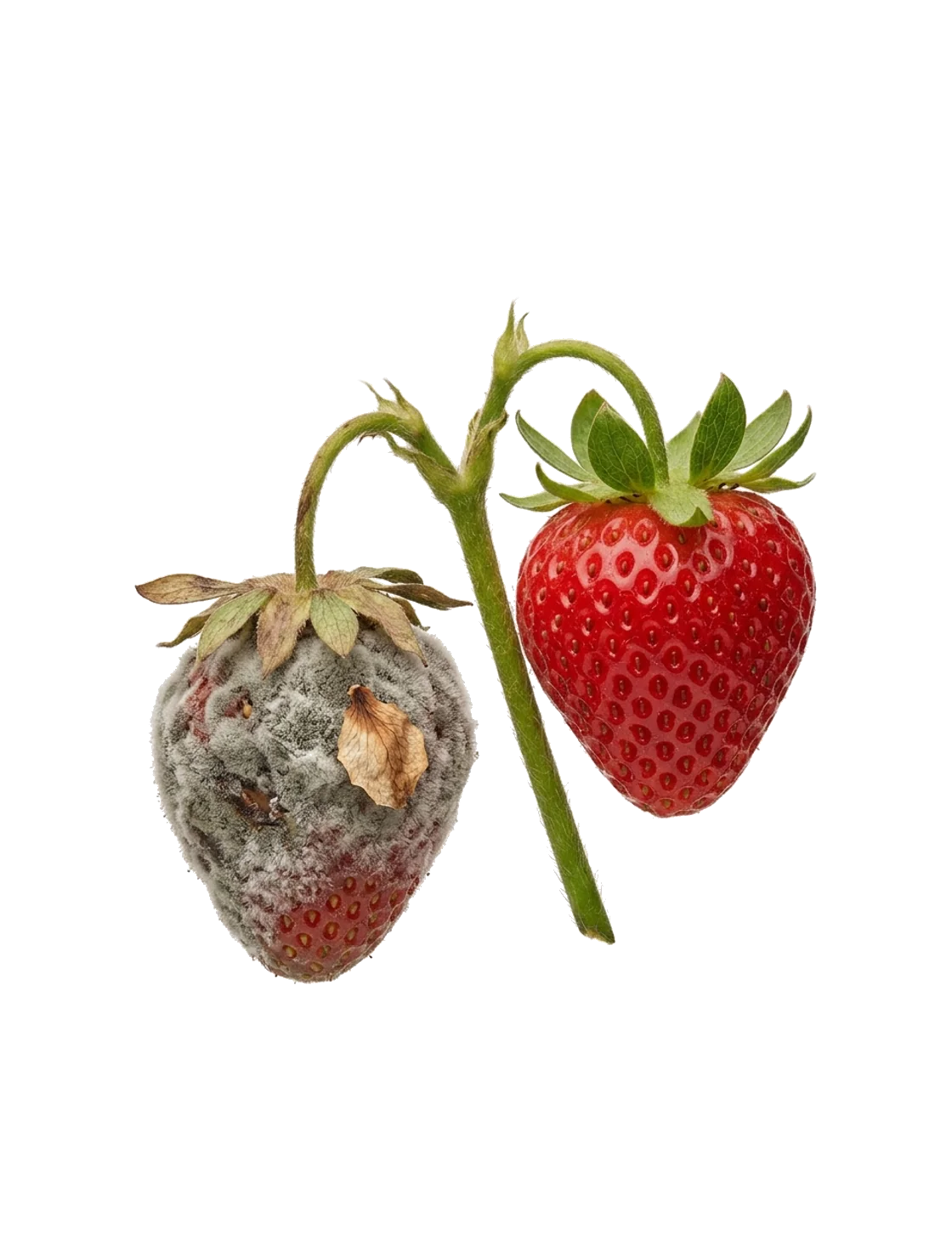
- Botrytis (grey mould)
- Root rot
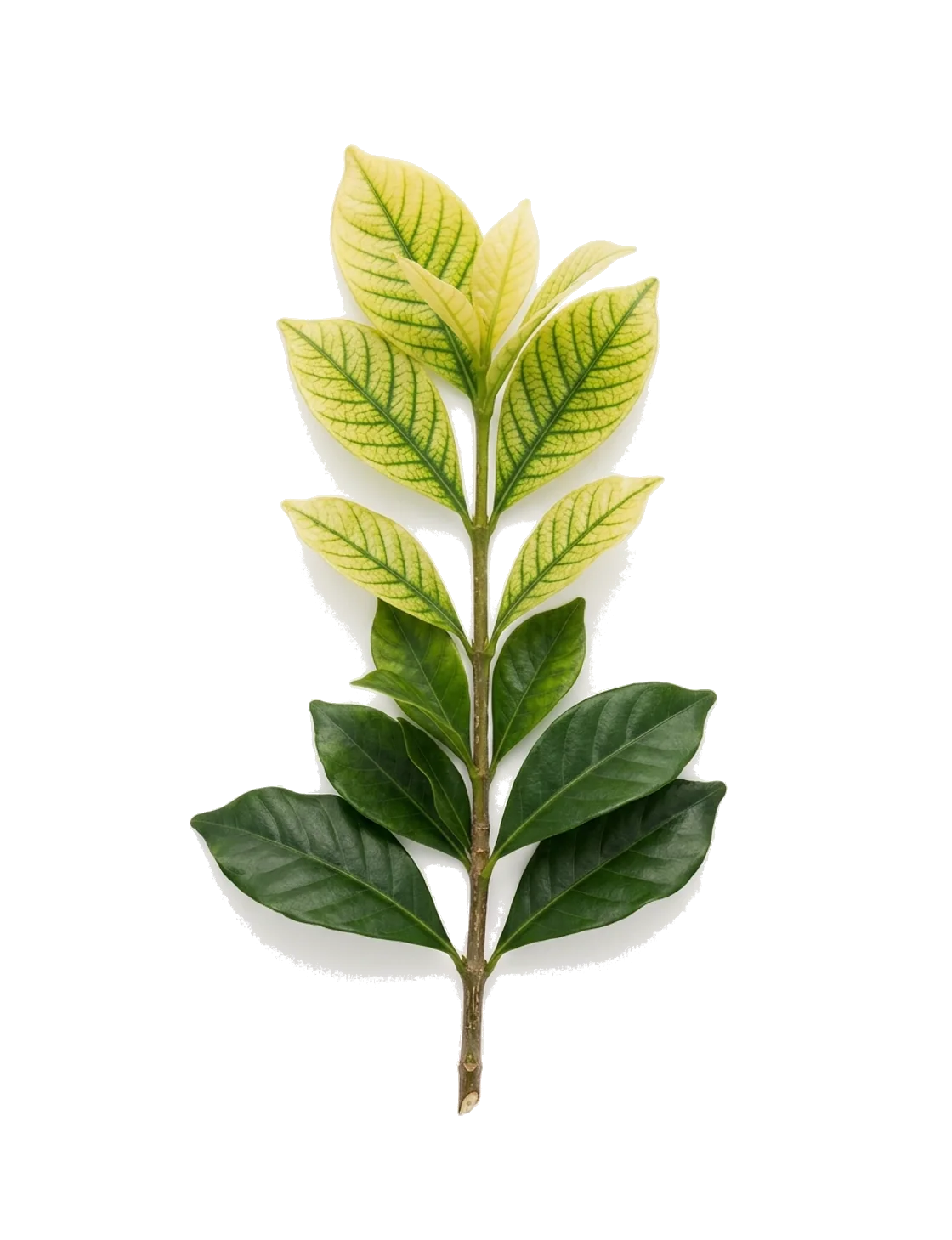
- Iron chlorosis


Frequently asked questions What people ask most.
Why is my petunia producing few or no flowers?
The most frequent reason is insufficient direct sunlight, as petunias need at least five to six hours daily to set buds. Other common causes include excess nitrogen fertilizer or leaving spent flowers on the stems to develop seeds.
How do I fix leggy and sparse petunias?
By midsummer, petunias often stretch and become bare near their centers. Prune the long stems back by about a third to prompt fresh branching and a second flush of blooms within a couple of weeks.
Why are my petunia leaves turning yellow?
If leaf blades turn yellow while veins remain bright green, the plant is likely suffering from iron chlorosis due to alkaline conditions. If entire leaves turn limp and yellow, overwatering and soggy root zones are usually the culprits.
Is it normal for petunia leaves to feel sticky?
Yes, this sticky sensation is a completely natural feature caused by glandular hairs on the foliage. It is only a concern if accompanied by visible pests like aphids or a dark coating of sooty mold.