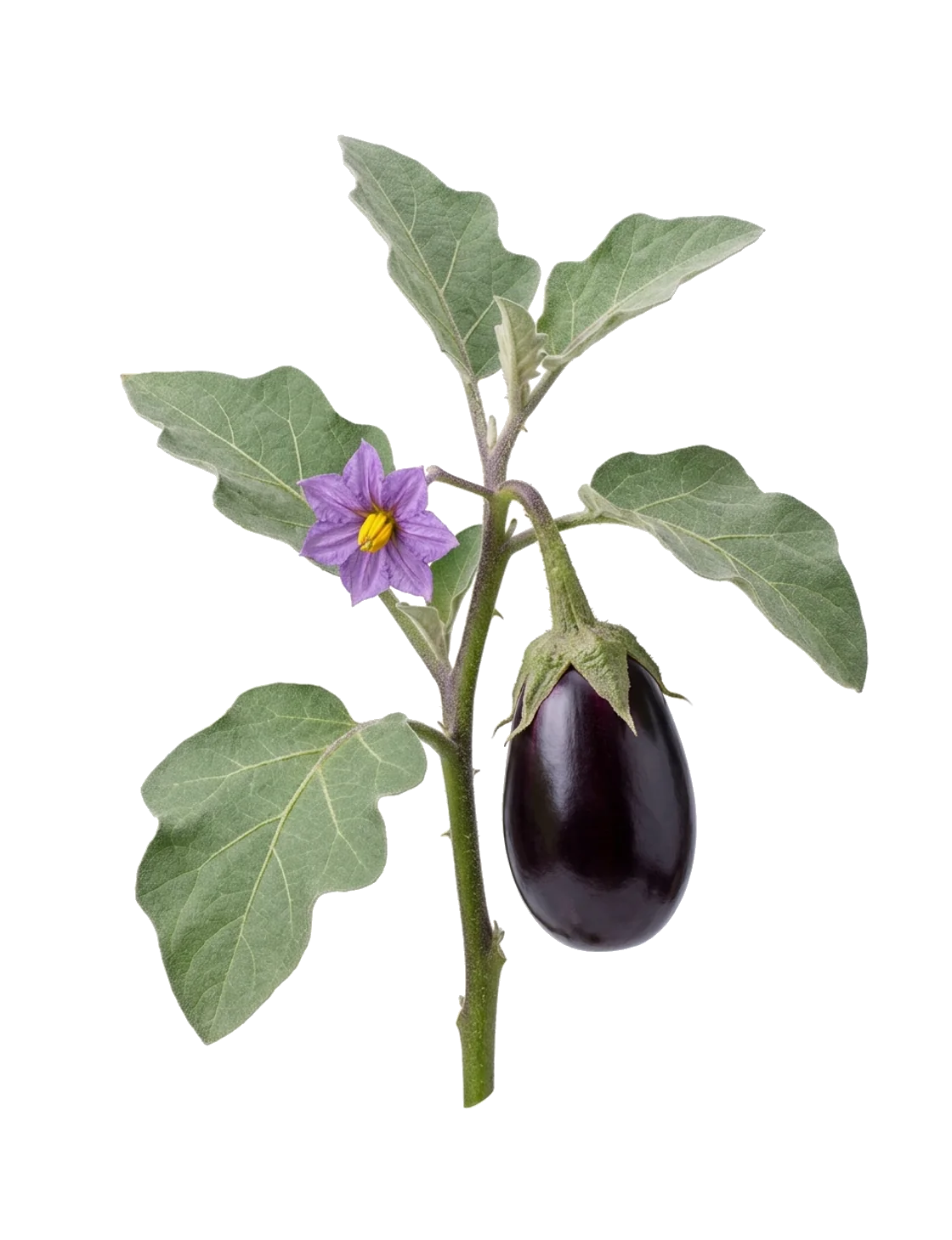
Eggplant (Solanum melongena), also known as aubergine, is a tender herbaceous perennial traditionally cultivated as a warm-season annual in kitchen gardens. A prominent member of the nightshade family alongside tomatoes and peppers, it features an upright growth habit, broad velvety leaves with a grayish-green hue, and star-shaped violet flowers with prominent yellow centers that precede its glossy, flavorful fruits.
Thriving on warmth and abundant sunshine, eggplants require sheltered spots that receive direct sunlight for most of the day. While commonly planted in open garden beds, they perform exceptionally well in large containers on sunny balconies or patios, provided they have rich, free-draining soil and a continuous supply of moisture and organic nutrients throughout their active growing season.
The primary challenge when growing eggplants is managing summer heat stress, fluctuating soil moisture, and garden pests such as flea beetles or spider mites. Staking the main stems helps support heavy crops, while regular harvesting ensures optimal fruit texture and encourages the plant to maintain steady flower and fruit production until late autumn temperatures begin to decline.
Did you know?Early cultivars introduced to Europe produced small, white, oval fruits that resembled goose eggs, which coined the common name eggplant.
Care. What it needs, point by point.
- Watering
- Water frequently and evenly, keeping the soil consistently moist without letting it become waterlogged. Check the top couple of inches of soil and irrigate when it feels slightly dry, which typically means watering daily or every other day during hot summer spells.
- Light
- 6–8 h of direct sunEggplants require full sun and thrive best with six to eight hours of direct light each day. Insufficient sunlight leads to leggy growth, poor flowering, and severely reduced fruit development.
- Temperature
- 20–30 °C ideal temperatureThe ideal temperature range is between 20 °C and 30 °C during the day with mild nights. Growth stalls significantly below 12 °C, and the plant cannot tolerate freezing conditions or cold drafts.
- Soil
- pH 6.0–6.8Plant in fertile, loose soil rich in organic matter that drains surplus moisture readily. A slightly acidic to neutral pH between 6.0 and 6.8 provides optimal nutrient uptake.
- Fertilizer
- 2 weeks between feedsIncorporate plenty of compost at planting time and feed every two weeks with a potassium-rich fertilizer once flower buds appear.
- Pruning
- Pinch off lower suckers to improve air circulation and trim branch tips toward the end of the season to help ripen remaining fruits.
- Propagation
- Propagate by sowing seeds indoors in late winter using bottom heat to stimulate prompt germination. Transplant seedlings outside once soil temperatures warm up and all risk of frost has passed.
Where it grows. In the wild and in homes.
In the wild it grows in tropical Asia, temperate Asia, and Africa, in a wet tropical climate.
People have also taken it to 10 more regions where it now grows on its own: temperate Asia, tropical Asia, and Africa.
Range: Plants of the World Online, Royal Botanic Gardens, Kew
Is Eggplant toxic to cats and dogs?
Toxic to cats and dogs.

Cats
Toxic

Dogs
Toxic
Usual signs
Hypersalivation, inappetence, severe gastrointestinal upset, diarrhea, drowsiness, CNS depression, confusion, behavioral changes, weakness, dilated pupils, and slow heart rate.
If your pet has chewed it and shows symptoms, call your vet or the nearest emergency vet.
Source · ASPCA Animal Poison Control
Common problems What tends to go wrong.
- Spider mites
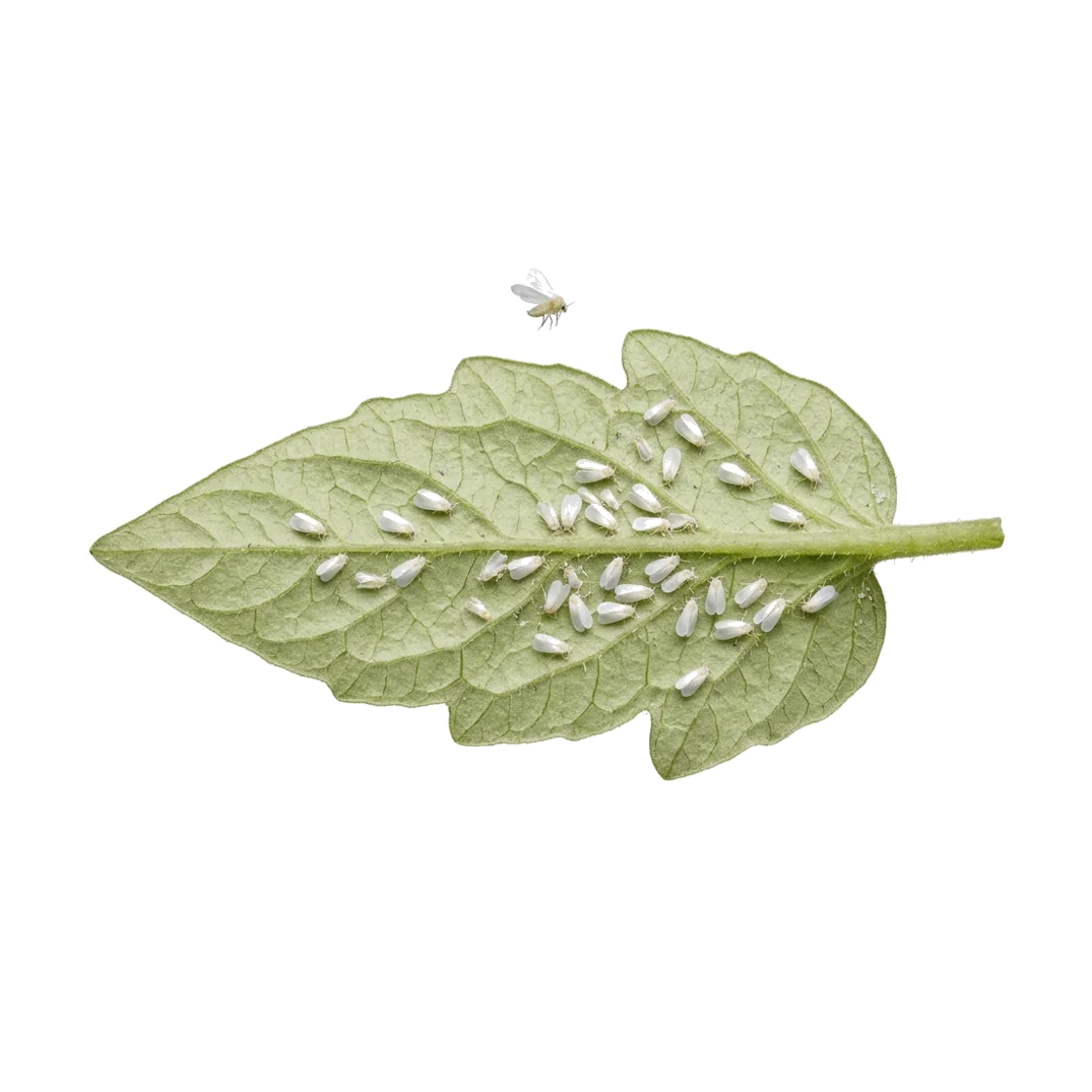
- Whitefly
- Aphids
- Cold damage
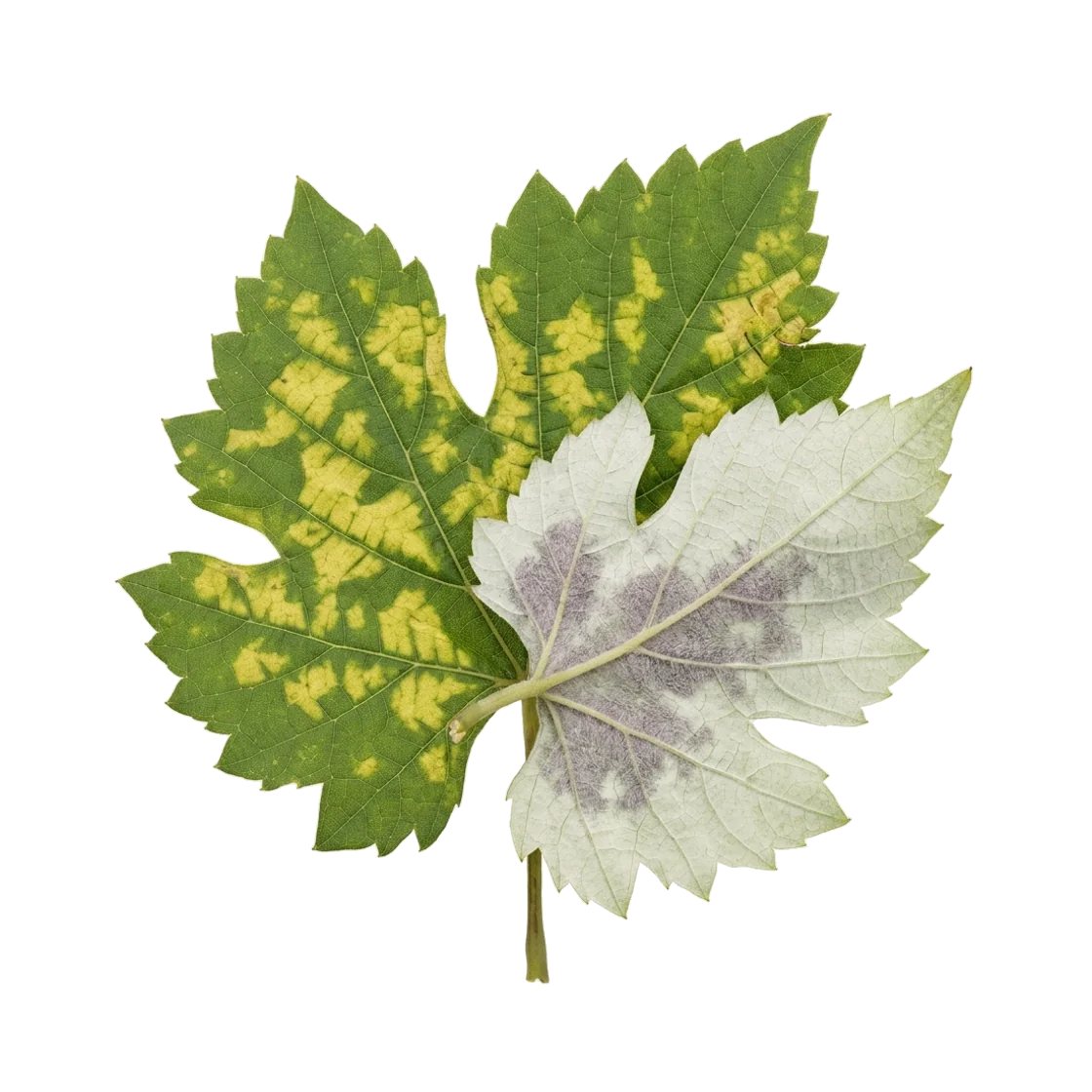
- Downy mildew



Frequently asked questions What people ask most.
Why are the eggplant flowers dropping without setting fruit?
Blossom drop is commonly triggered by temperature stress, especially nighttime drops below 15 °C or daytime heat over 35 °C. Inconsistent watering and poor insect pollination can also prevent successful fruit set.
How do I know when eggplants are ready to harvest?
Pick eggplants when the skin is smooth, deeply colored, and glossy, yielding slightly to gentle thumb pressure. If the skin turns dull or yellowish, the fruit is overripe and will taste bitter with tough seeds.
Does eggplant need staking or support?
Yes, staking or using a sturdy tomato cage is highly recommended as the plants develop. Heavy fruits and dense foliage can easily cause the branches to snap under wind or their own weight.
Why are my eggplant leaves turning yellow?
Lower leaves may naturally yellow with age, but widespread yellowing typically points to nitrogen deficiency or waterlogged soil. Check that drainage is adequate and provide a balanced fertilizer during active growth.