Pepper plant
Capsicum annuum
Learn how to grow and care for the pepper plant at home: essential advice on watering, direct sunlight, warm temperatures, and healthy harvests.
- Light
- 6 hof direct sun
- Temperature
- 18–28 °Cideal temperature
- Toxicity
- Non-toxic
- Difficulty
- Medium
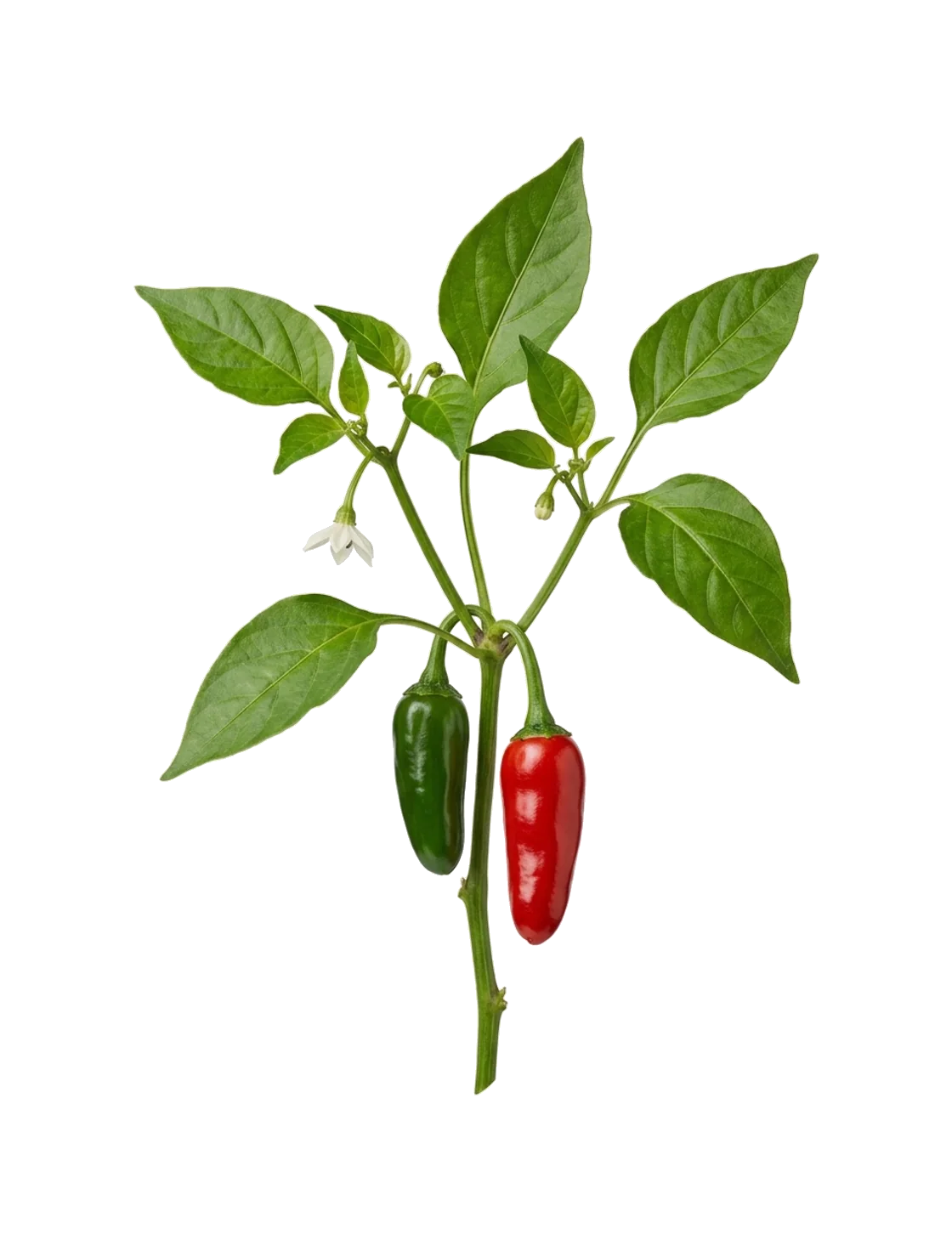
The pepper plant (Capsicum annuum), encompassing bell peppers, chilis, and sweet varieties, is a versatile herbaceous species native to tropical regions of Central and South America. While botanically a tender perennial in frost-free climates, it is traditionally cultivated as a productive warm-season annual in temperate gardens due to its acute sensitivity to cold temperatures.
Growing pepper plants in home gardens, raised beds, or large patio containers is highly rewarding and visually appealing. The plant develops a sturdy, branched habit with glossy green foliage and star-shaped white blossoms that give way to abundant fruits, which mature through striking transitions from green to rich red, yellow, or orange tones.
Securing a generous harvest requires ample heat, consistent sun exposure, and loose, nutrient-rich soil that drains excess water freely. With regular irrigation, balanced feeding during flowering, and watchful care against seasonal garden pests, pepper plants yield crisp, flavorful crops from midsummer through early autumn.
Did you know?Sweet bell peppers, jalapeños, and cayenne peppers all belong to this single botanical species. Green peppers are typically unripe fruits that change color as they mature.
Care. What it needs, point by point.
- Watering
- Water consistently to maintain even soil moisture without saturating the root zone. Check the top two inches of soil with your finger before watering, increasing frequency during hot summer days.
- Light
- 6 h of direct sunRequires full direct sunlight for at least six hours daily to produce blooms and ripen fruit properly. Light afternoon shade can help protect the foliage in areas with extreme summer heat.
- Temperature
- 18–28 °C ideal temperatureGrows best in daytime temperatures between 18 °C and 28 °C. Plant growth stalls below 12 °C, and foliage is severely damaged by frost.
- Soil
- Prefers a fertile, well-draining potting mix or loam enriched with organic compost.
- Fertilizer
- Feed with a balanced fertilizer early on, then switch to a formula higher in potassium once flowering begins.
- Pruning
- Pinch off lower suckers to improve airflow around the base and encourage bushier upper growth.
- Propagation
- Easily grown from seeds started indoors in late winter using seed trays with gentle warmth. Seedlings are ready for outdoor transplanting once nighttime temperatures stay consistently above 15 °C.
Where it grows. In the wild and in homes.
In the wild it grows in South and Central America and the Caribbean and North America, in a seasonally dry tropical climate.
People have also taken it to 106 more regions where it now grows on its own: Africa, tropical Asia, the Pacific, and temperate Asia.
Range: Plants of the World Online, Royal Botanic Gardens, Kew
Is Pepper plant toxic to cats and dogs?
The ASPCA doesn't list this species. If your pet has chewed it and seems unwell, call your vet.
Common problems What tends to go wrong.
- Aphids
- Spider mites
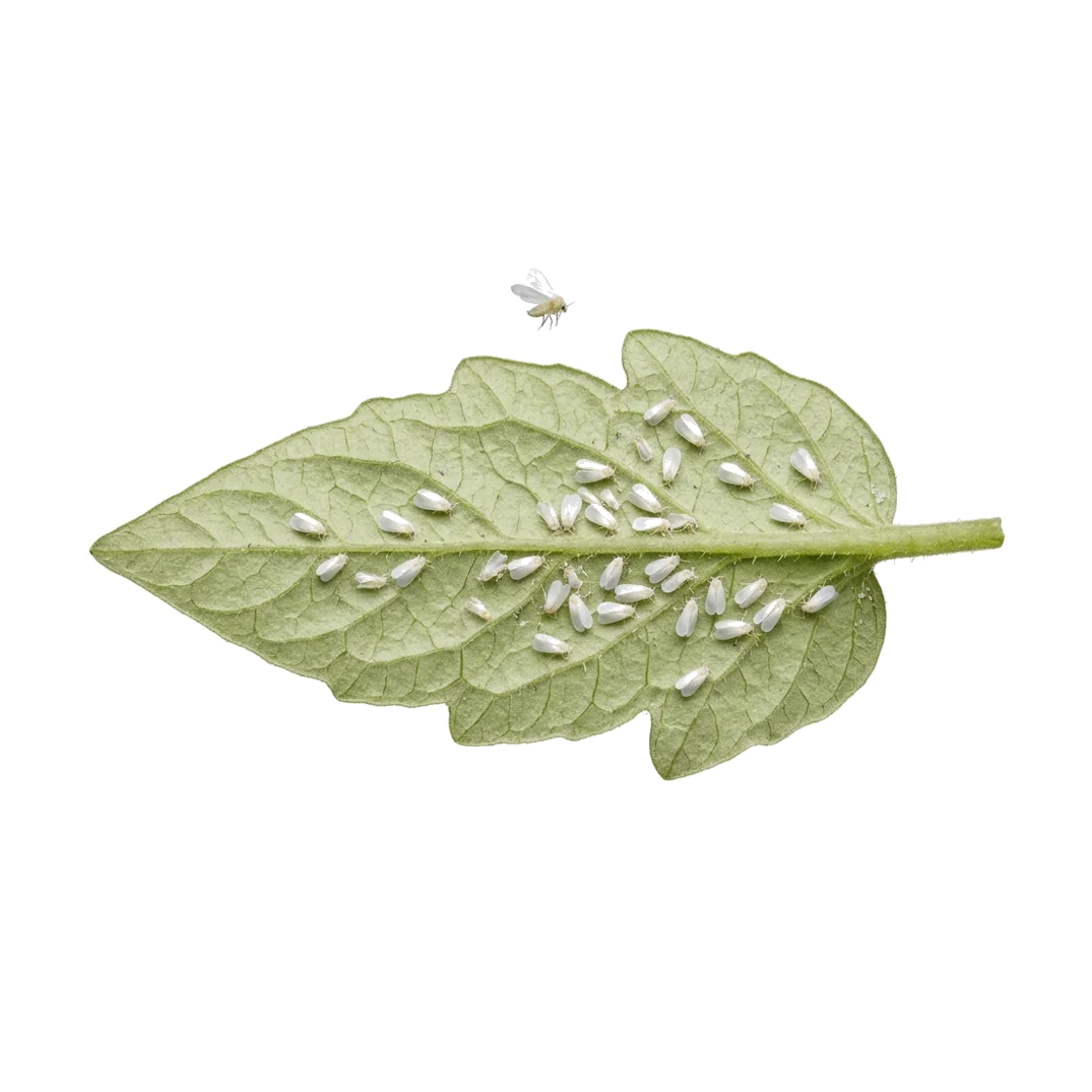
- Whitefly
- Root rot
- Cold damage




Frequently asked questions What people ask most.
Why are my pepper blossoms dropping off without producing fruit?
Blossom drop is commonly triggered by temperature extremes, specifically nights below 15 °C or daytime heat exceeding 35 °C. Inconsistent watering and poor pollination can also cause the plant to shed flowers prematurely.
Why are the leaves on my pepper plant turning yellow?
Yellowing leaves typically point to overwatering, poor drainage, or a nitrogen deficiency in the soil. Allow the topsoil to dry slightly between waterings and ensure the container has clear drainage holes.
How often should pepper plants be watered?
Potted peppers generally need watering every two to three days in moderate weather and daily during peak summer heat. Plants grown directly in garden soil usually require deep watering once or twice a week.
Can pepper plants be grown indoors successfully?
Yes, provided they receive at least six hours of direct sunlight through a sunny south-facing window. You will also need to gently tap or brush the flowers by hand to ensure proper pollination indoors.