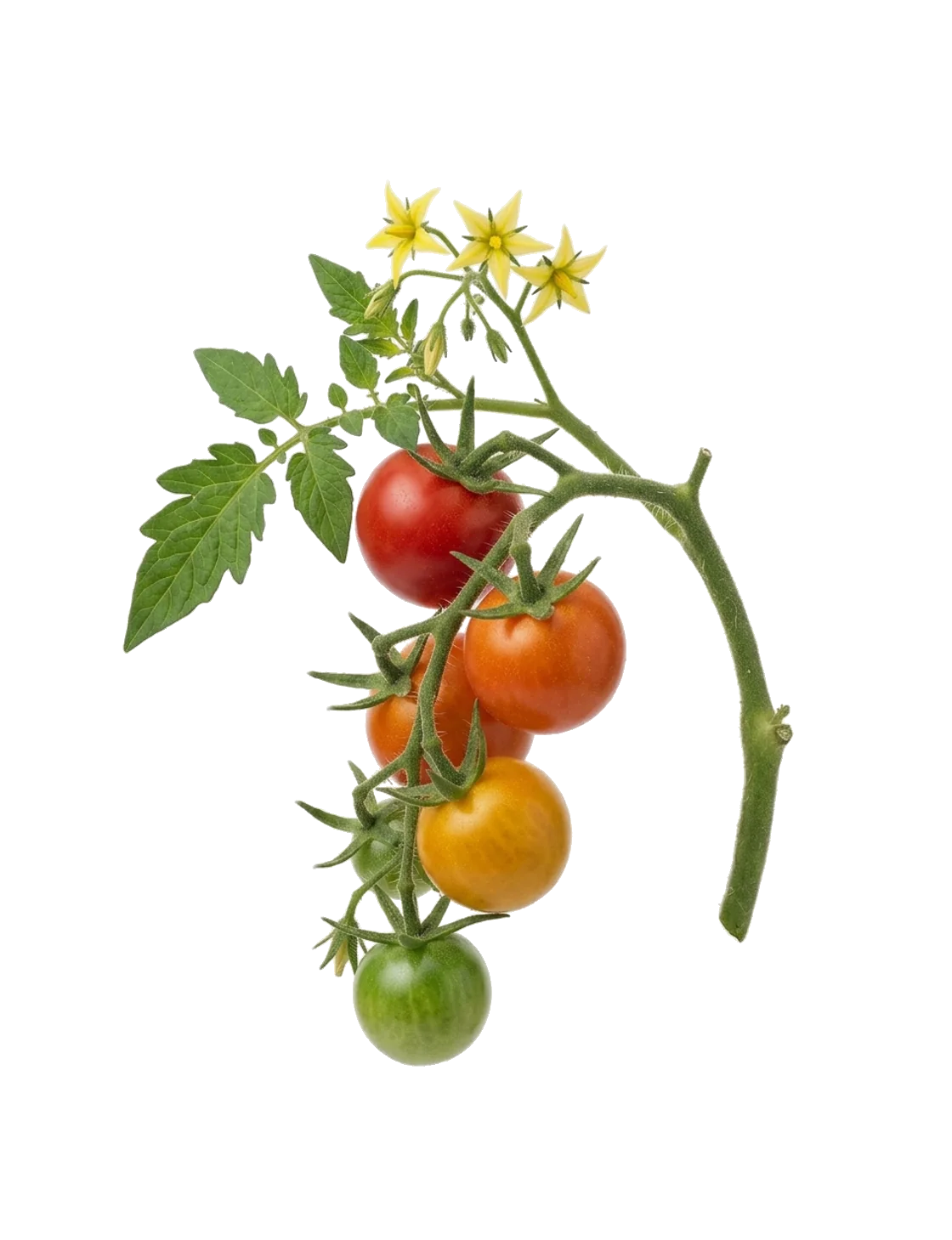
The tomato plant (Solanum lycopersicum) is a warm-season herbaceous plant cultivated globally for its delicious and versatile fruits. Characterized by its distinctly scented foliage, hairy stems, and clusters of small yellow blossoms, it forms the backbone of summer home gardens and patio vegetable patches everywhere.
Because modern tomato varieties can grow vigorously and become top-heavy, they generally require physical support such as stakes, cages, or trellises. Providing adequate staking keeps the heavy fruit clusters elevated away from damp soil, which significantly reduces the risk of fungal infections and soil-borne pests.
To thrive and produce a generous harvest, tomato plants demand intense sunlight, consistent moisture, and nutrient-dense soil. With regular pruning of suckers and steady watering throughout the heat of midsummer, these rewarding plants develop quickly and crop continuously until the first autumn frosts arrive.
Did you know?Botanically speaking, tomatoes are true berries, making them fruits rather than vegetables despite how they are used culinarily.
Care. What it needs, point by point.
- Watering
- Water deeply and consistently to maintain evenly moist soil without creating waterlogged conditions. Potted plants may require daily watering during peak summer heat once the top inch of potting mix feels dry.
- Light
- 6–8 h of direct sunProvide full sun with at least six to eight hours of direct sunlight each day. Insufficient sun leads to leggy growth, dropped flowers, and significantly lower fruit yield.
- Temperature
- 18–28 °C ideal temperatureTomato plants flourish best between 18 °C and 28 °C (65 °F to 82 °F). They stop growing below 12 °C (54 °F) and cannot survive freezing frost.
- Soil
- Use a fertile, loose, and well-draining soil rich in organic matter. For containers, blend high-quality potting mix with compost, perlite, and coconut coir.
- Fertilizer
- Apply balanced fertilizer at planting, then switch to a formula rich in potassium and phosphorus once flowering begins. Avoid excessive nitrogen, which promotes lush green leaves at the expense of fruit production.
- Pruning
- Pinch out lateral suckers that sprout in leaf axils on indeterminate varieties to focus energy on fruiting stems. Remove the lowest leaves as the plant grows to enhance airflow and prevent soil-borne pathogens from splashing upward.
- Propagation
- Sow seeds indoors in early spring about six to eight weeks before your last expected frost date. You can also easily root lateral sucker cuttings in water or moist soil within two weeks.
Where it grows. In the wild and in homes.
In the wild it grows in western South America, in a wet tropical climate.
People have also taken it to 149 more regions where it now grows on its own: North America, Africa, the Pacific, and tropical Asia.
Range: Plants of the World Online, Royal Botanic Gardens, Kew
Is Tomato plant toxic to cats and dogs?
Toxic to cats and dogs.

Cats
Toxic

Dogs
Toxic
Usual signs
Hypersalivation, loss of appetite, severe gastrointestinal upset, depression, weakness, dilated pupils, and slow heart rate; the ripe fruit is non-toxic.
If your pet has chewed it and shows symptoms, call your vet or the nearest emergency vet.
Source · ASPCA Animal Poison Control
Common problems What tends to go wrong.
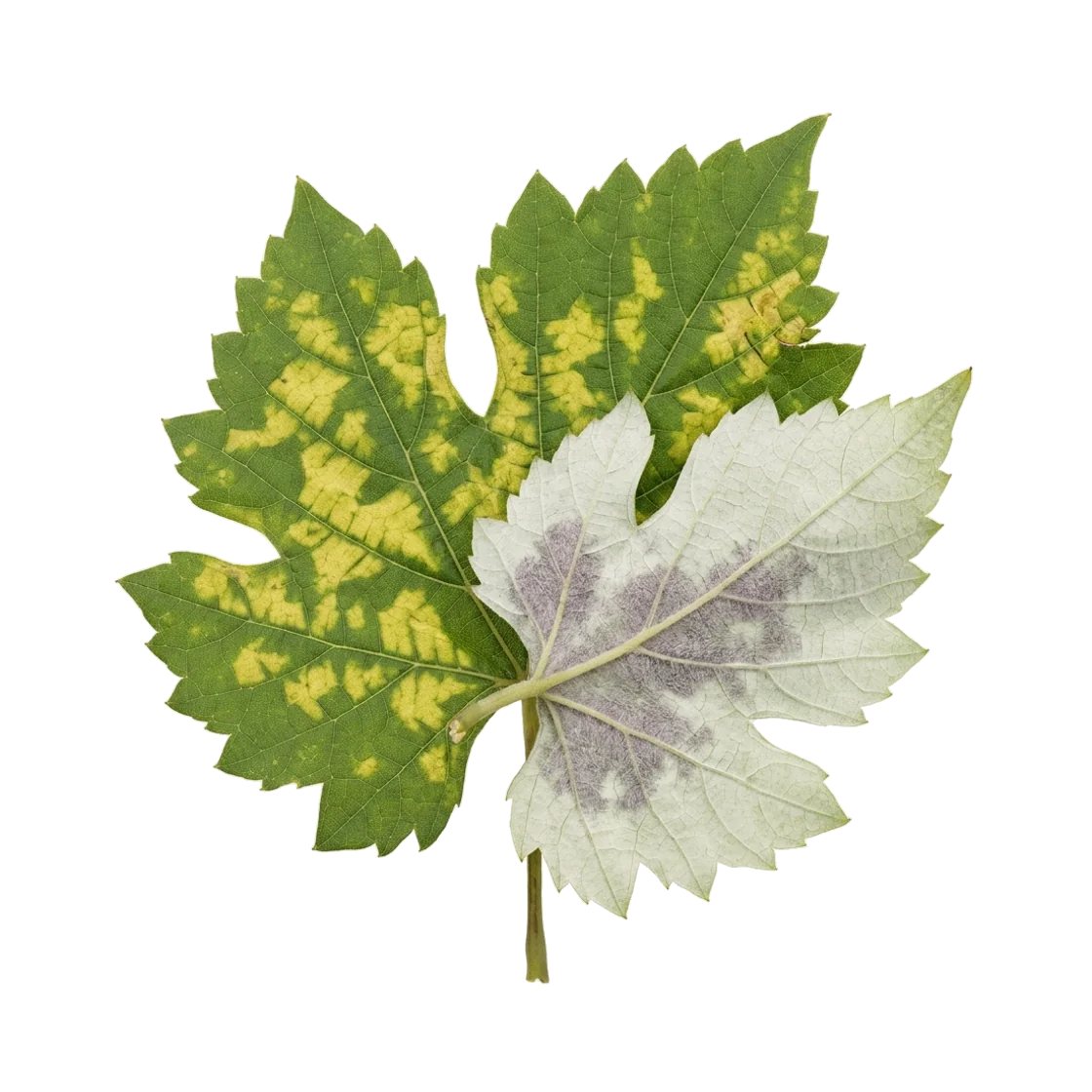
- Downy mildew
- Aphids
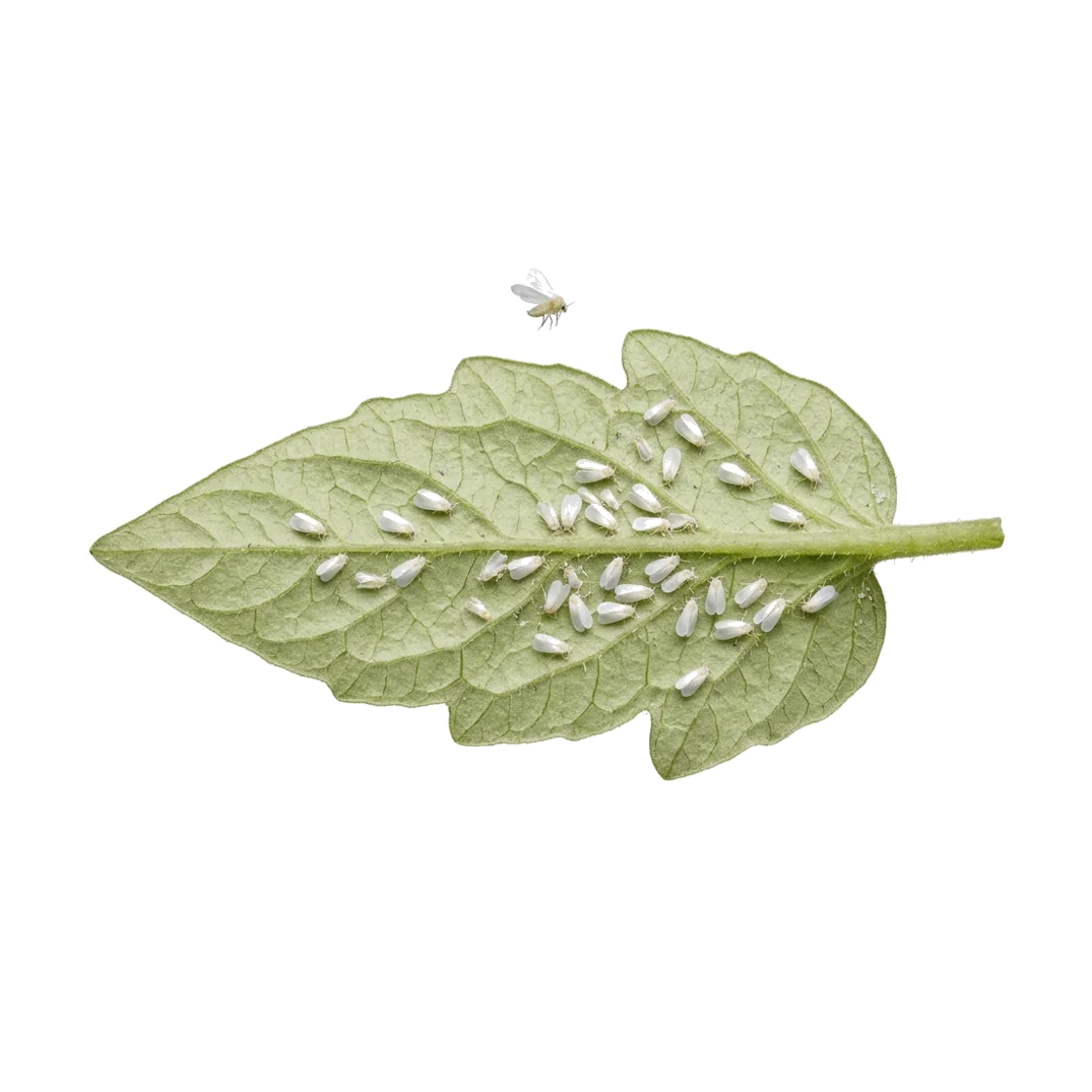
- Whitefly
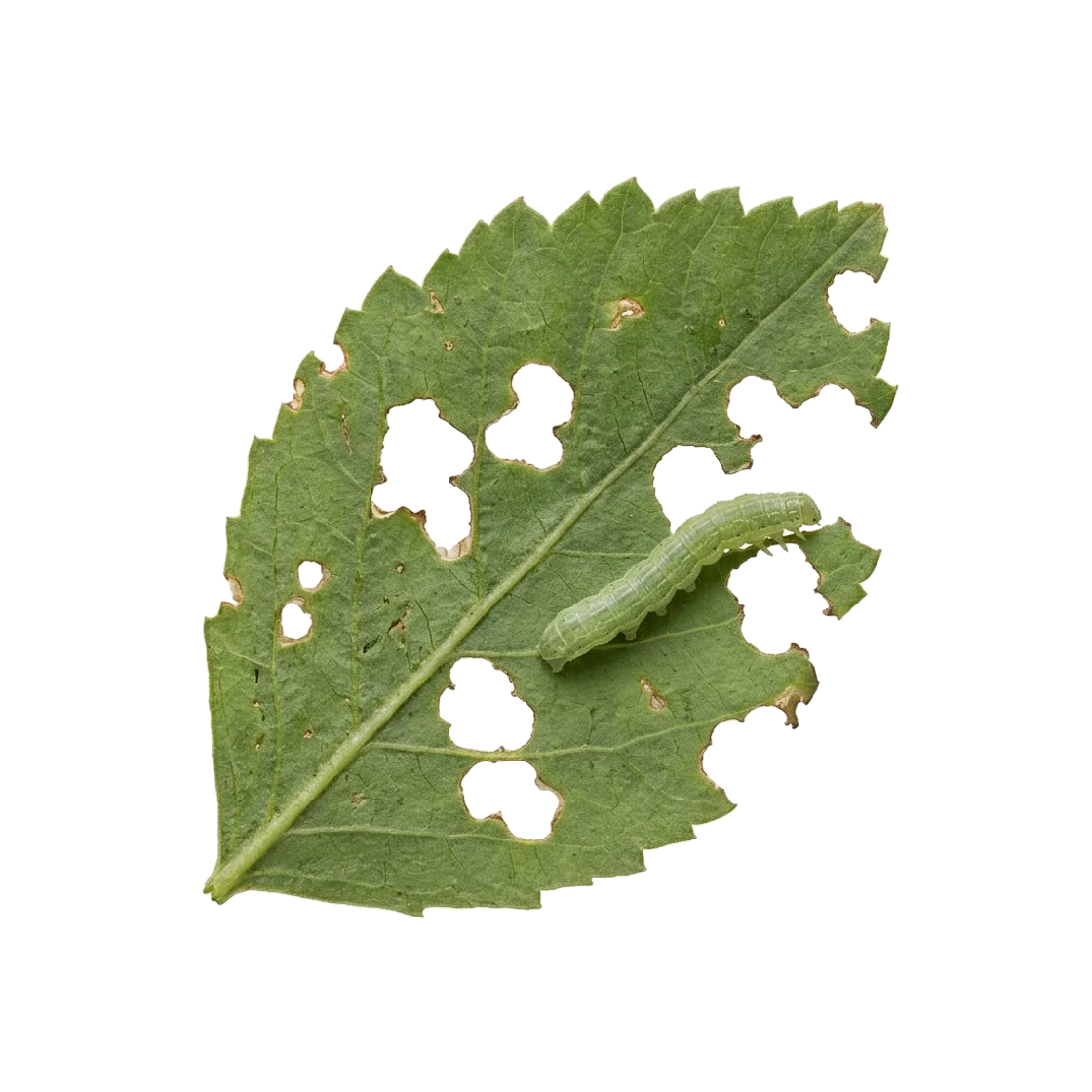
- Caterpillars
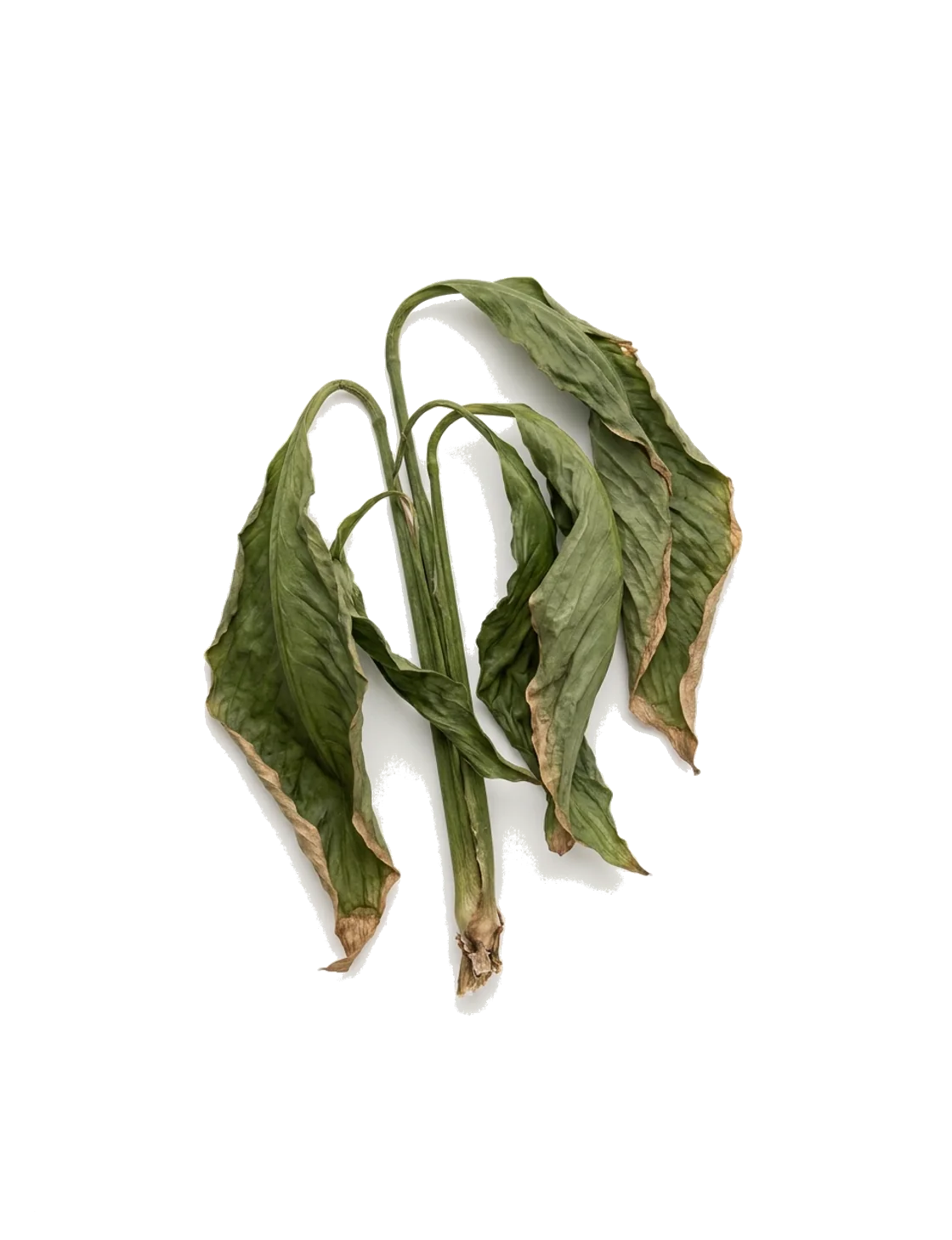
- Underwatering

Frequently asked questions What people ask most.
Why are my tomato blossoms dropping off without setting fruit?
Blossom drop is most commonly triggered by temperature extremes, such as nights below 13 °C or days exceeding 35 °C. Irregular watering and poor pollination can also cause flowers to dry up and fall prematurely.
What causes the dark sunken spots on the bottom of my tomatoes?
This disorder is known as blossom end rot, caused by a localized calcium deficiency within developing fruit tissue. It is almost always brought on by fluctuating soil moisture that prevents roots from absorbing calcium consistently.
Do I need to prune suckers on all tomato plants?
Pruning suckers is only necessary for indeterminate varieties, which grow continuously as vines and benefit from improved air circulation. Determinate or bush varieties have a set height and yield, so their suckers should not be removed.
Why are the leaves on my tomato plant curling upward?
Upward leaf roll is typically a physiological stress response to intense midday heat, wind, or dry soil. If there are no discolored lesions or pests present, the plant usually recovers as watering stabilizes and environmental conditions improve.