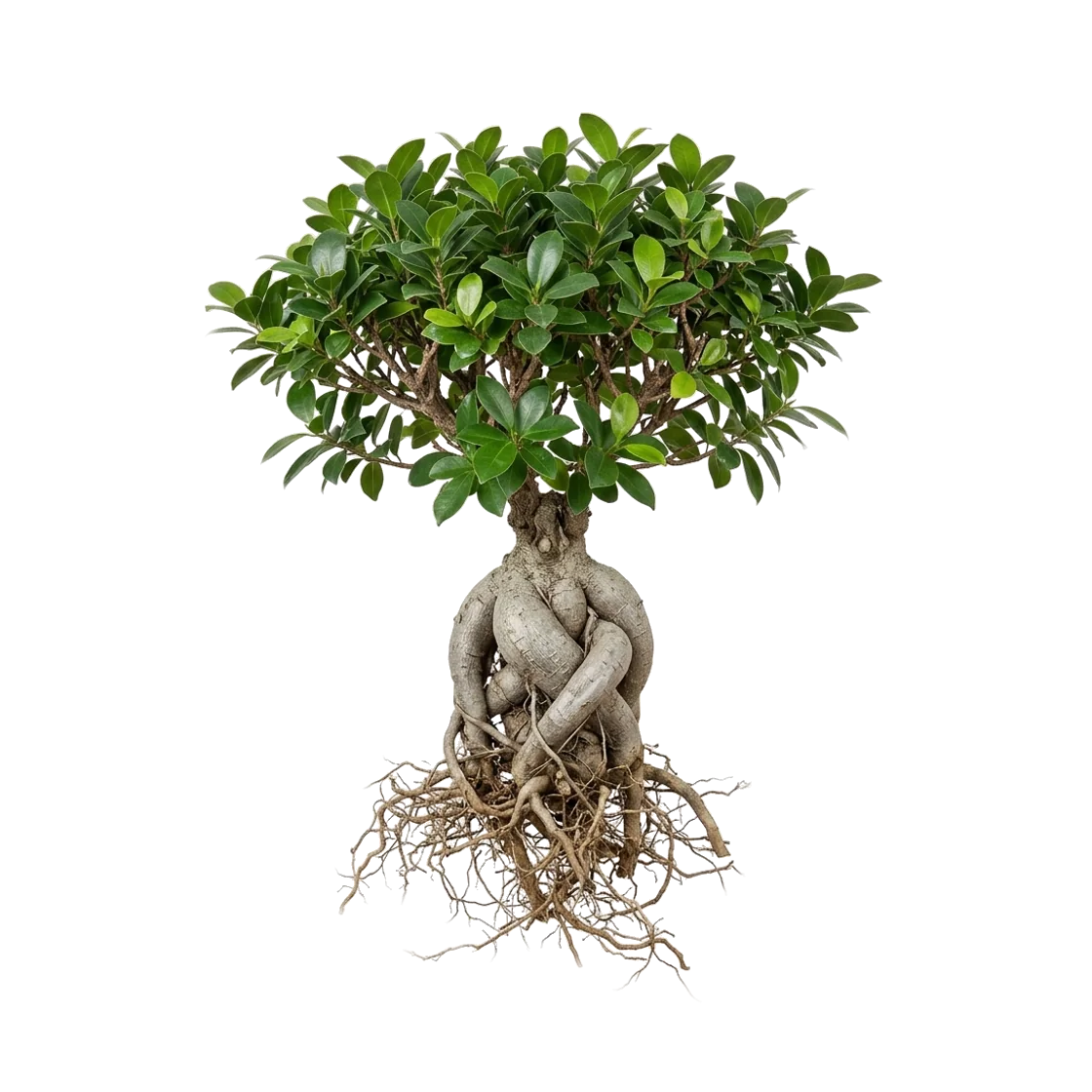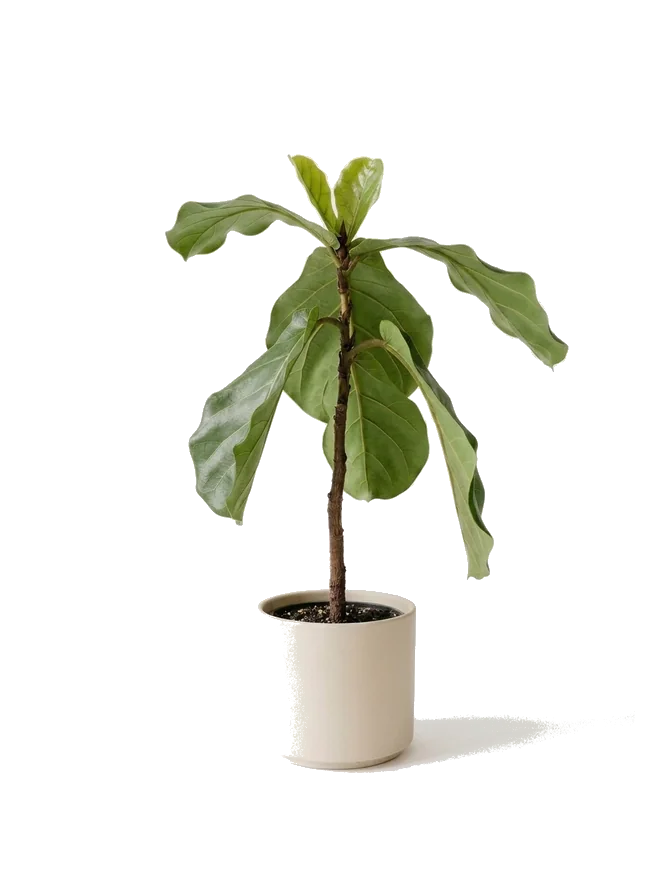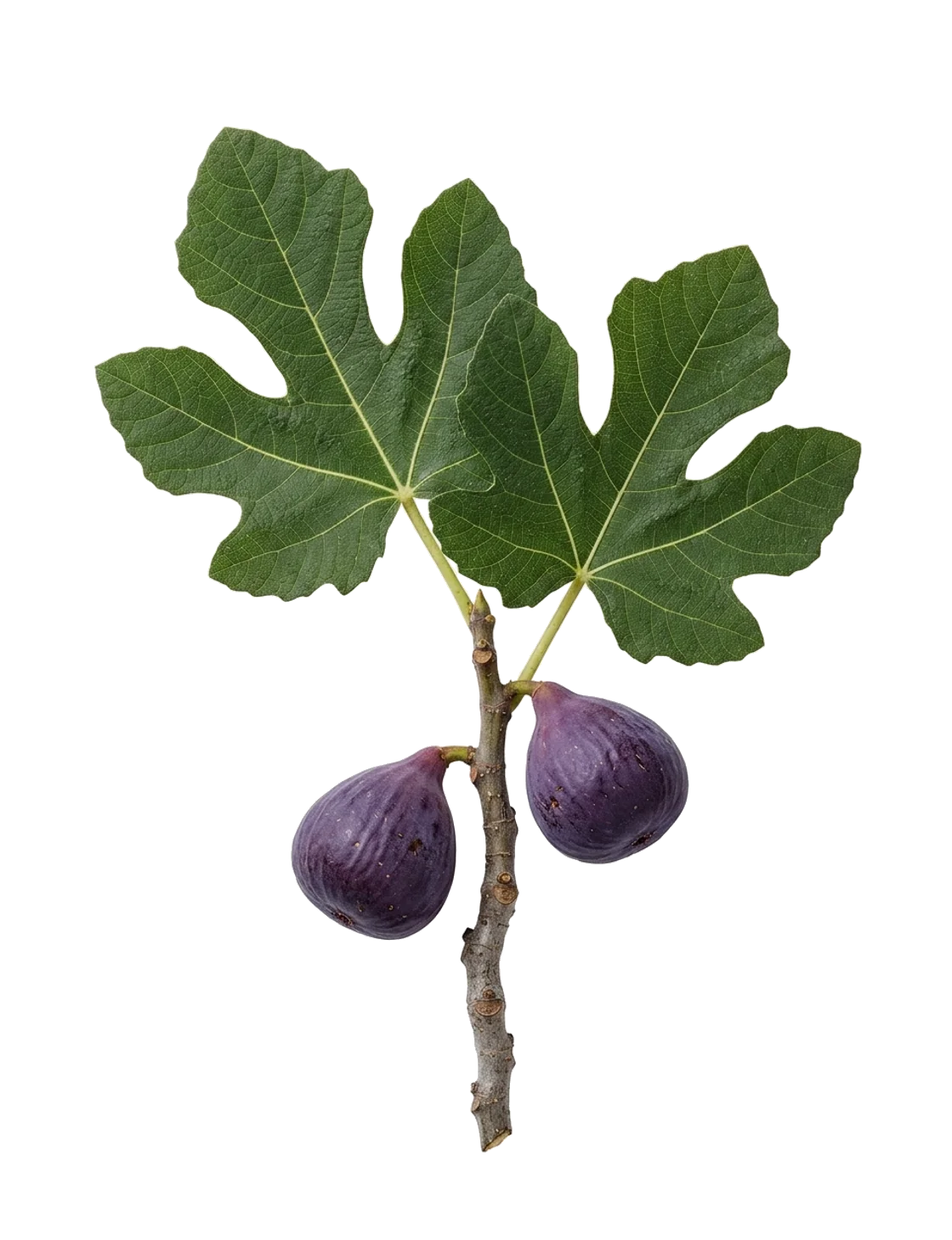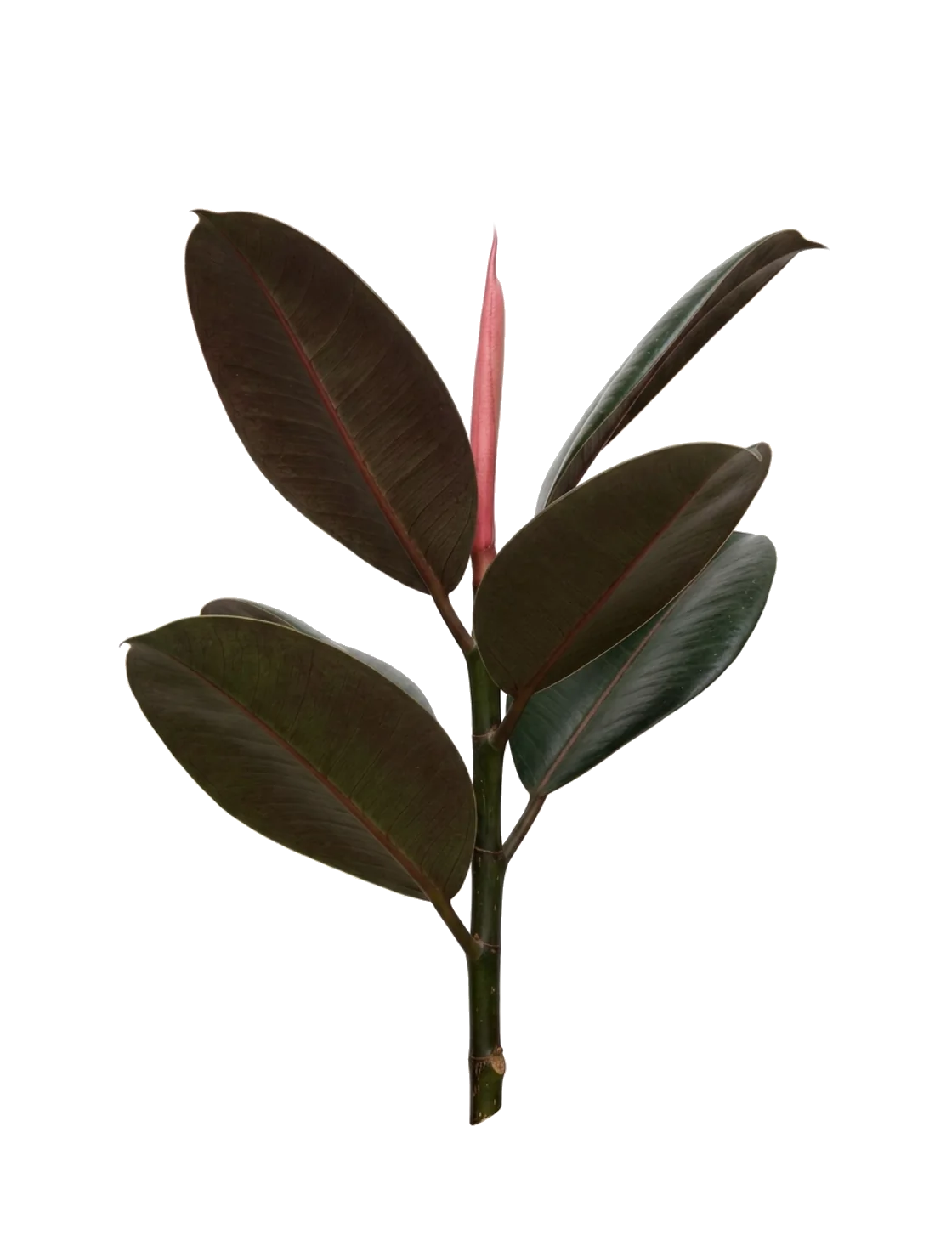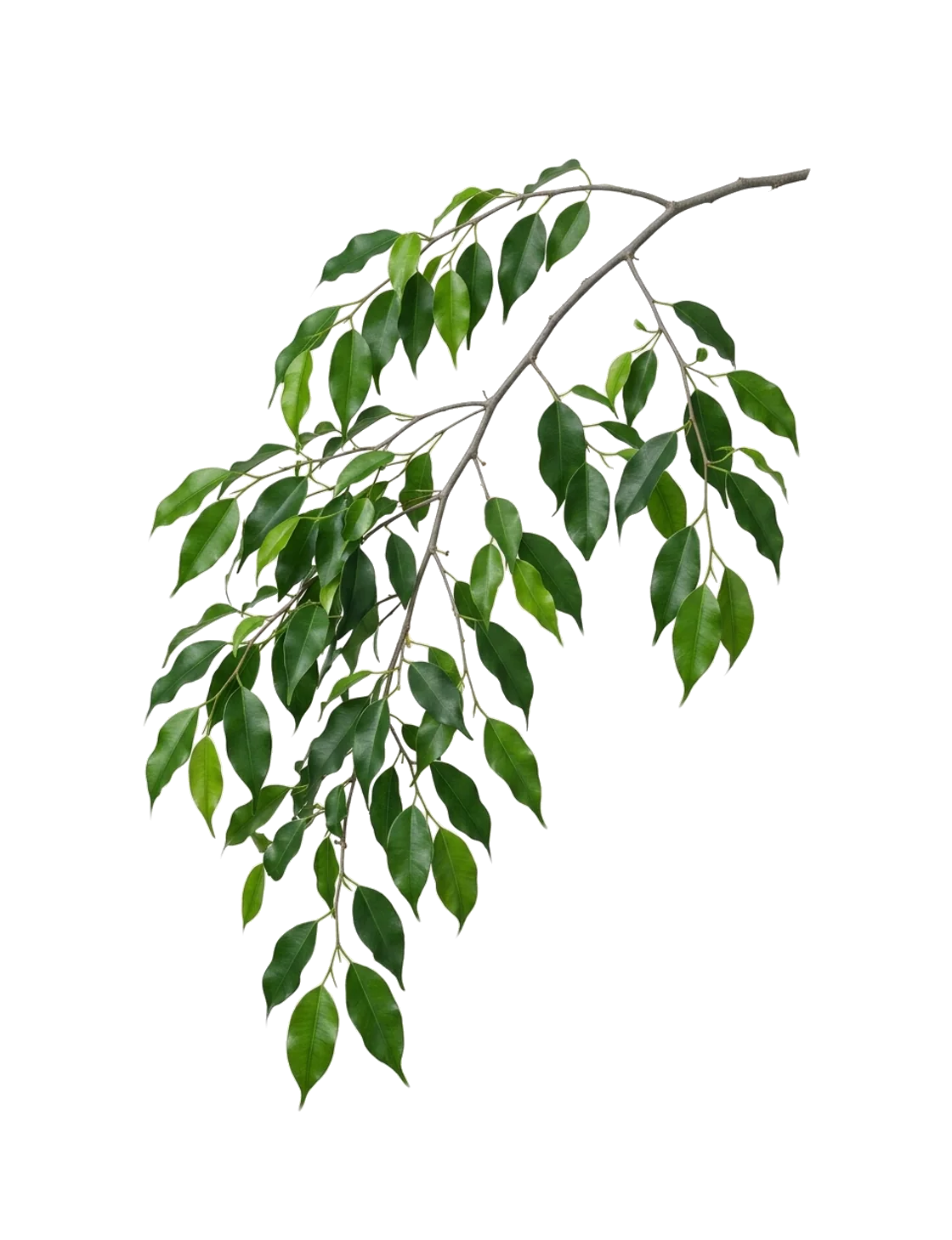
The weeping fig (Ficus benjamina) is a graceful evergreen tree native to South and Southeast Asia as well as northern Australia. In indoor settings, it is celebrated for its arching, slender branches, smooth gray bark, and lush canopy of pointed, glossy green leaves that add elegance to any living room or office.
In the wild or outdoor landscapes, it can reach towering heights of up to twenty meters, but potted indoor specimens typically stay between one and two meters tall. This tree is infamous for shedding leaves when faced with sudden environmental shifts, such as moving to a new spot, low light, or chilly air drafts. However, once settled in a steady, bright location, it bounces back quickly and develops robust vigor.
Cultivating a thriving weeping fig requires a balance of bright indirect light, moderate watering, and steady ambient warmth. It also responds exceptionally well to selective pruning and shaping, making it a favorite for classical indoor topiary, braided trunks, and bonsai cultivation.
Did you know?In tropical rainforests, weeping figs can begin life as epiphytes on host trees, eventually dropping aerial roots that fuse together into massive structural trunks.
Care. What it needs, point by point.
- Watering
- 1× a weekWater thoroughly when the top two or three inches of potting soil feel dry to the touch. Water roughly once a week in spring and summer, and reduce frequency to every ten to fourteen days during the winter months.
- Light
- IndirectProvide plenty of bright, indirect sunlight throughout the day to sustain dense foliage. Avoid direct, harsh afternoon sun, which can scorch the leaves and cause premature shedding.
- Temperature
- 18–24 °C ideal temperatureKeep your plant in temperatures between 18°C and 24°C year-round for healthy growth. Protect it from temperatures falling below 12°C and sudden drafts caused by air conditioners or heaters.
- Soil
- Use a rich, well-draining potting mix incorporating peat or coco coir along with perlite to ensure optimal root aeration.
- Fertilizer
- 2–3 weeks between feedsFeed with a balanced liquid foliage fertilizer every two to three weeks during the spring and summer active growing period. Withhold fertilizing during autumn and winter when plant growth slows down naturally.
- Pruning
- Prune in late winter or early spring to shape the canopy, promote bushiness, and remove dead or crowded branches. Wear gardening gloves during pruning, as the stems release a sticky white latex sap when cut.
- Propagation
- Propagate by taking semi-hardwood stem cuttings in late spring or early summer. Place the cuttings in water or moist potting soil until a sturdy root system establishes.
Where it grows. In the wild and in homes.
In the wild it grows in tropical Asia, temperate Asia, and Australasia, in a wet tropical climate.
People have also taken it to 12 more regions where it now grows on its own: South and Central America and the Caribbean, North America, the Pacific, and tropical Asia.
Range: Plants of the World Online, Royal Botanic Gardens, Kew
Is Weeping fig toxic to cats and dogs?
Toxic to cats and dogs.

Cats
Toxic

Dogs
Toxic
Usual signs
Gastrointestinal and dermal irritation.
If your pet has chewed it and shows symptoms, call your vet or the nearest emergency vet.
Source · ASPCA Animal Poison Control
Common problems What tends to go wrong.
- Transplant shock
- Overwatering
- Too little light
- Dry air
- Mealybugs and scale
- Spider mites





Frequently asked questions What people ask most.
Why is my weeping fig dropping so many leaves?
Ficus trees react strongly to environmental stress such as relocations, temperature changes, or light shifts by shedding foliage. Keep the plant in a fixed, well-lit position and give it several weeks to stabilize and produce new shoots.
How can I tell if I am overwatering my weeping fig?
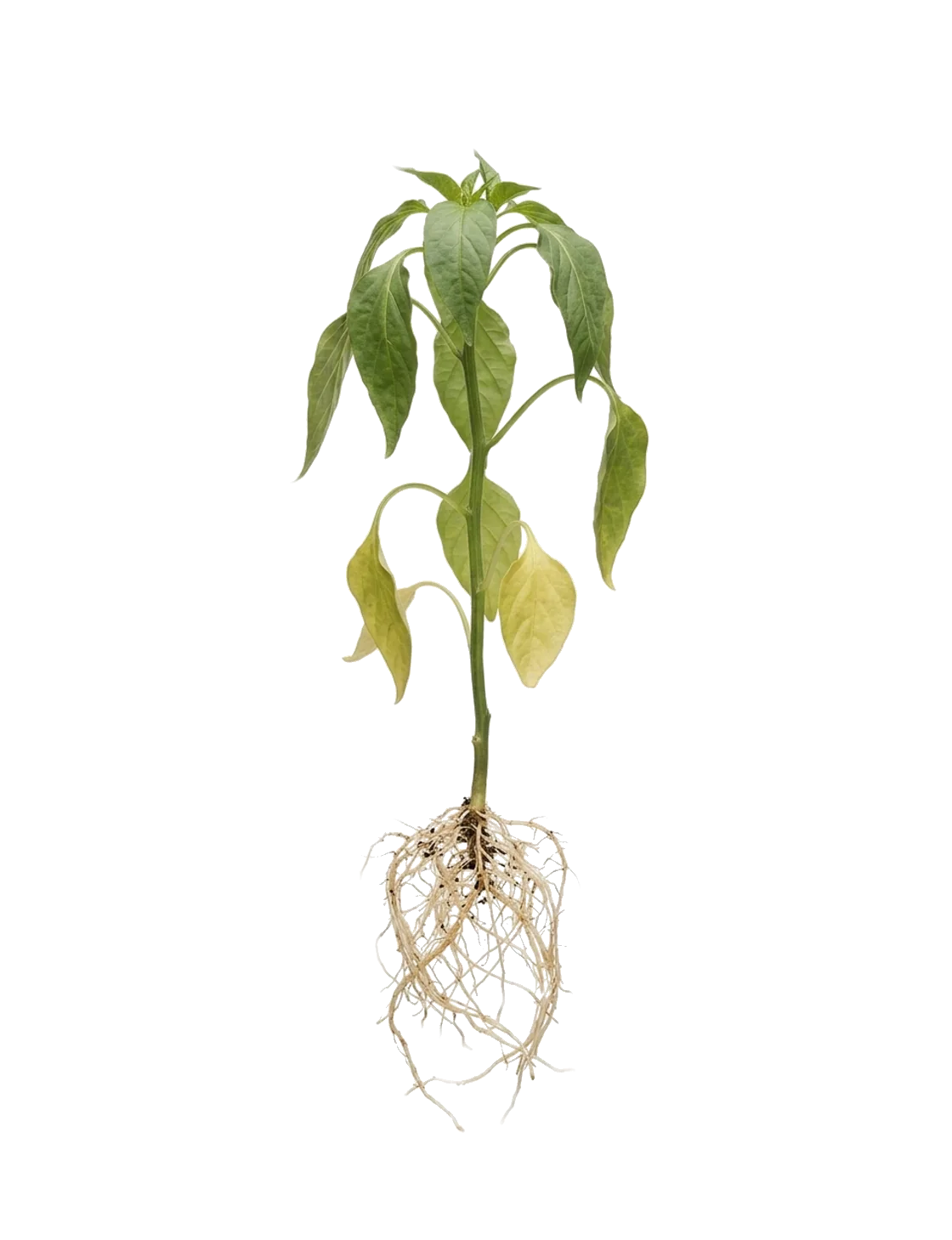
Overwatering typically causes lower leaves to turn yellow and drop while the soil remains damp. Always ensure your pot has adequate drainage holes and allow the top inches of soil to dry out between waterings.
Does a weeping fig need high humidity?
While it tolerates average room humidity, it thrives when ambient moisture is higher, especially during dry winter heating periods. Misting the leaves occasionally or placing the pot on a tray with moist pebbles will help prevent dry leaf edges.
When should I repot my weeping fig?
Repot every two to three years in spring if roots begin circling the container or growing through the drainage holes. For mature, large trees that are difficult to move, replacing the top layer of old soil each spring is usually sufficient.