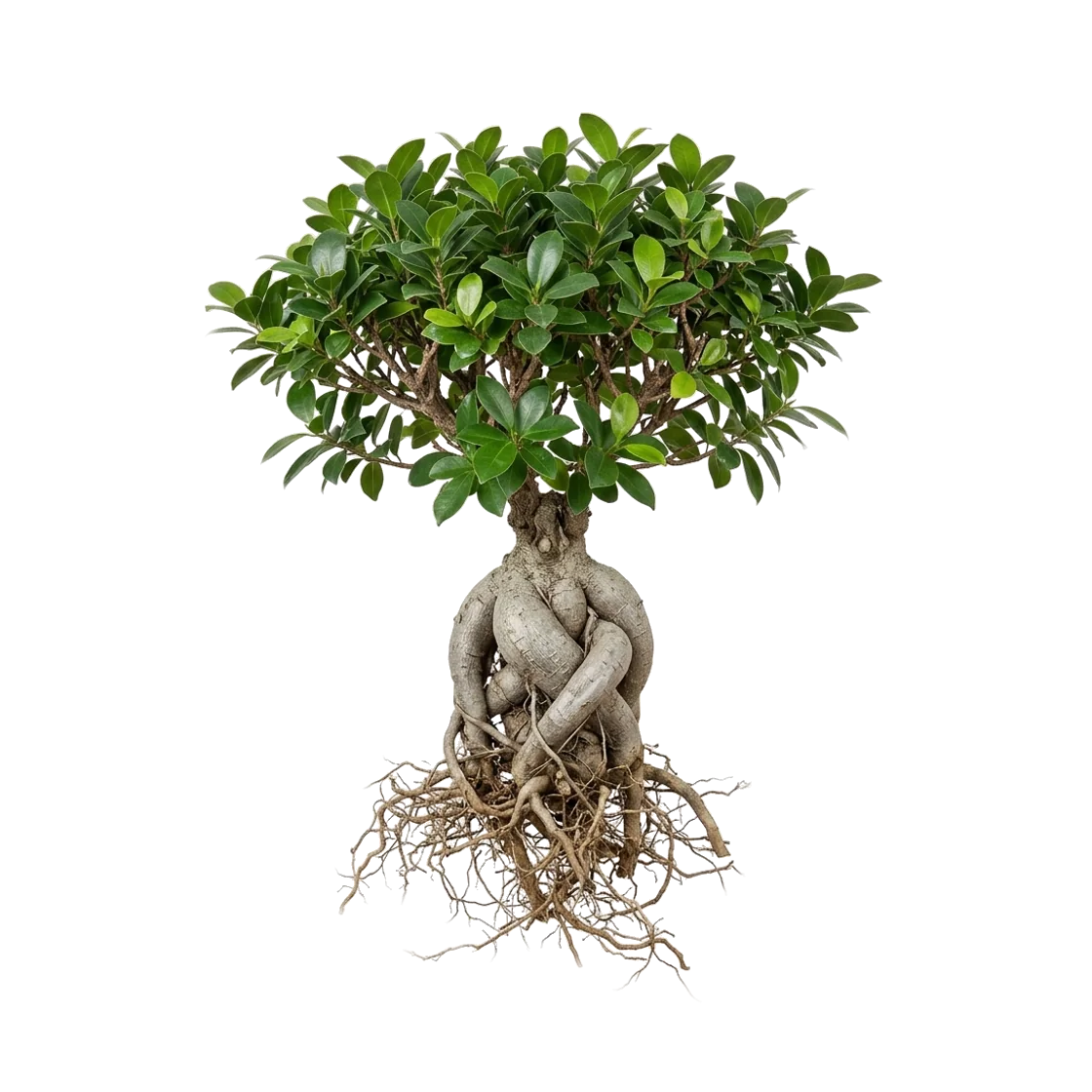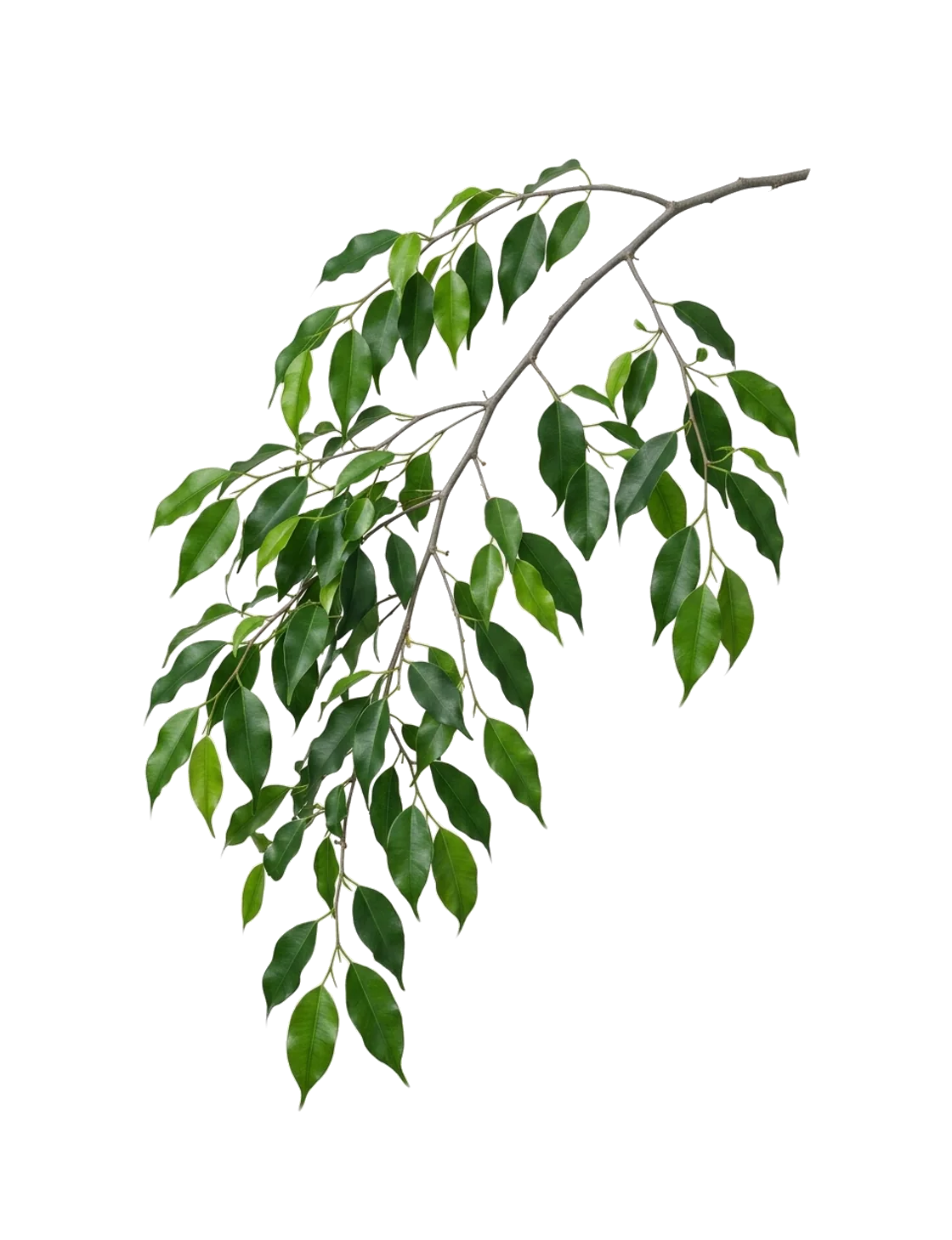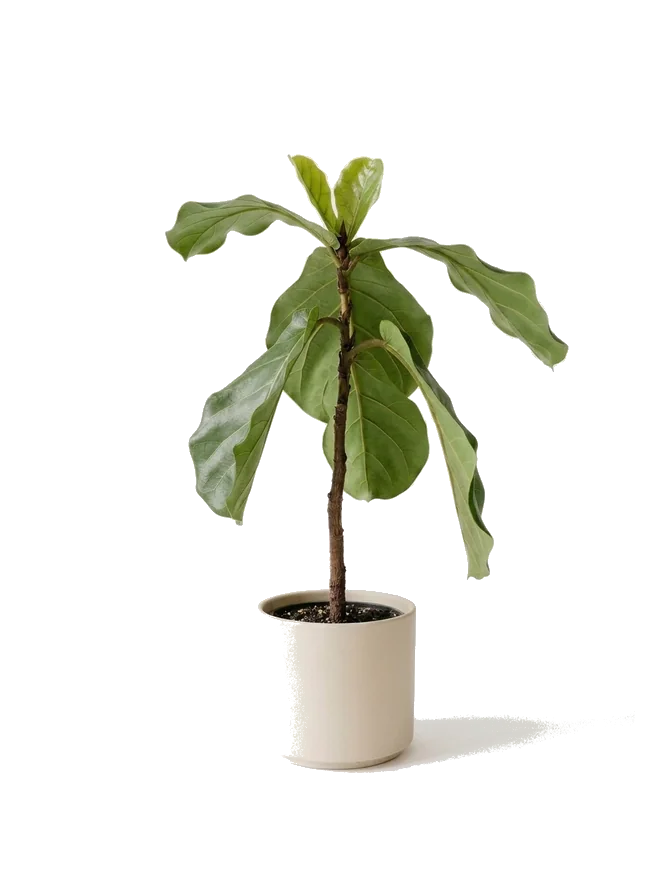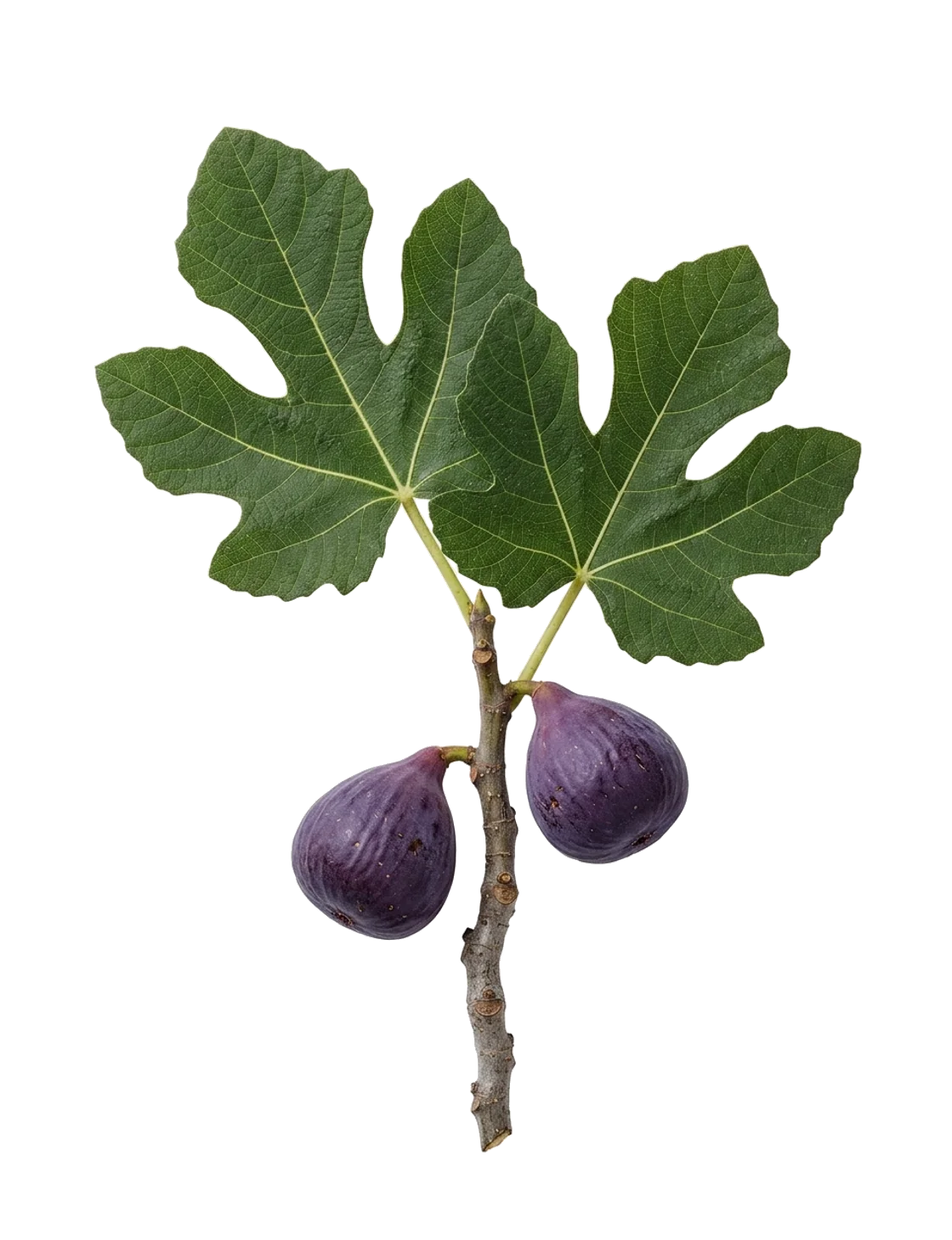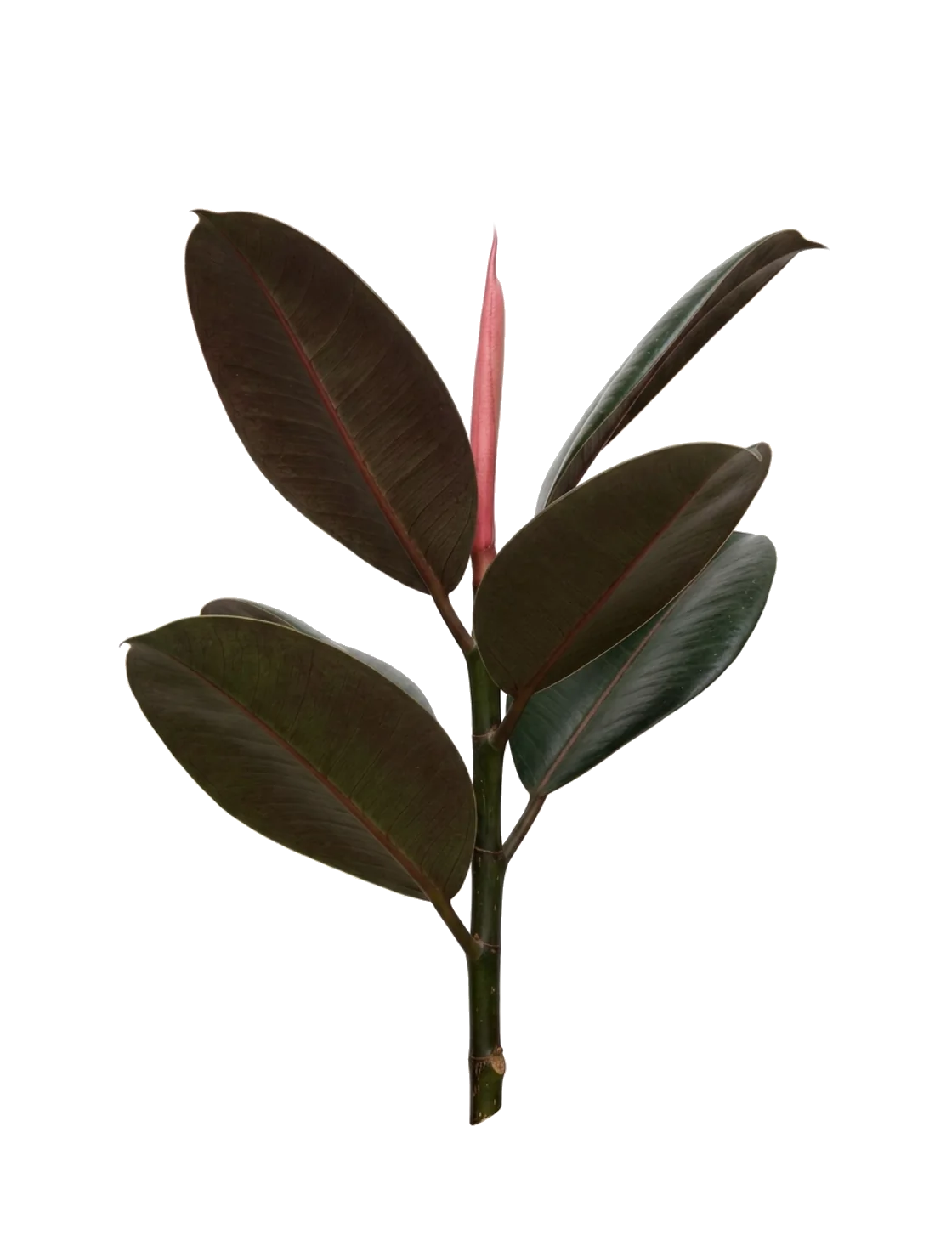
Ficus elastica, widely known as the rubber plant or rubber tree, is a classic and reliable houseplant celebrated for its striking, architectural appearance. It features large, thick, leathery leaves with a glossy finish that emerge wrapped in a distinctive rosy sheath. In its native tropical forests, it grows into a massive canopy tree, but indoors it develops into an elegant, upright small tree or bush that anchors any room with bold foliage.
This species is remarkably resilient and forgiving, adapting smoothly to indoor living conditions as long as its basic light and watering requirements are respected. Its sturdy stems and broad leaves create a tropical focal point in living rooms and offices. It handles occasional underwatering with ease, making it a dependable companion for both beginning indoor gardeners and long-time plant enthusiasts.
To keep your rubber plant thriving, place it in bright indirect light and periodically dust the leaves to help the plant photosynthesize effectively. Planting it in an airy, fast-draining potting mix and allowing the soil to dry partially between waterings will prevent root problems and encourage vigorous, steady growth year after year.
Did you know?In parts of northeastern India, the strong aerial roots of Ficus elastica have historically been trained across rivers to create living bridges.
Care. What it needs, point by point.
- Watering
- 7–10 days between wateringsWater thoroughly once the top half of the soil has dried out completely. Typically this means watering every 7 to 10 days in warm months, reducing to once every 2 to 3 weeks during winter.
- Light
- IndirectThrives best in abundant, bright indirect light throughout the day. It can tolerate gentle morning sunlight, but harsh midday sun may scorch its foliage.
- Temperature
- 16–26 °C ideal temperaturePrefers consistent warmth between 16 °C and 26 °C. Protect it from cold drafts, air conditioning vents, and temperatures dropping below 12 °C.
- Soil
- Requires a loose, well-draining soil mix composed of standard potting soil enriched with perlite and orchid bark. Always ensure the pot has functional drainage holes.
- Fertilizer
- Feed with a balanced liquid houseplant fertilizer once a month during spring and summer. Stop fertilizing in autumn and winter when growth slows down.
- Pruning
- Prune back leggy stems or trim the top shoot in early spring to encourage bushy, branching growth. Clean off any leaking white latex with a damp cloth when cutting.
- Propagation
- Propagate by taking stem tip cuttings with at least one healthy leaf and node in spring. Air layering is also a dependable method for larger, woody specimens.
Where it grows. In the wild and in homes.
In the wild it grows in tropical Asia and temperate Asia, in a wet tropical climate.
People have also taken it to 35 more regions where it now grows on its own: South and Central America and the Caribbean, Africa, tropical Asia, and the Pacific.
Range: Plants of the World Online, Royal Botanic Gardens, Kew
Is Rubber plant toxic to cats and dogs?
Toxic to cats and dogs.

Cats
Toxic

Dogs
Toxic
If your pet has chewed it and shows symptoms, call your vet or the nearest emergency vet.
Source · ASPCA Animal Poison Control
Common problems What tends to go wrong.
- Root rot
- Overwatering
- Too little light
- Mealybugs and scale
- Spider mites
- Transplant shock





Frequently asked questions What people ask most.
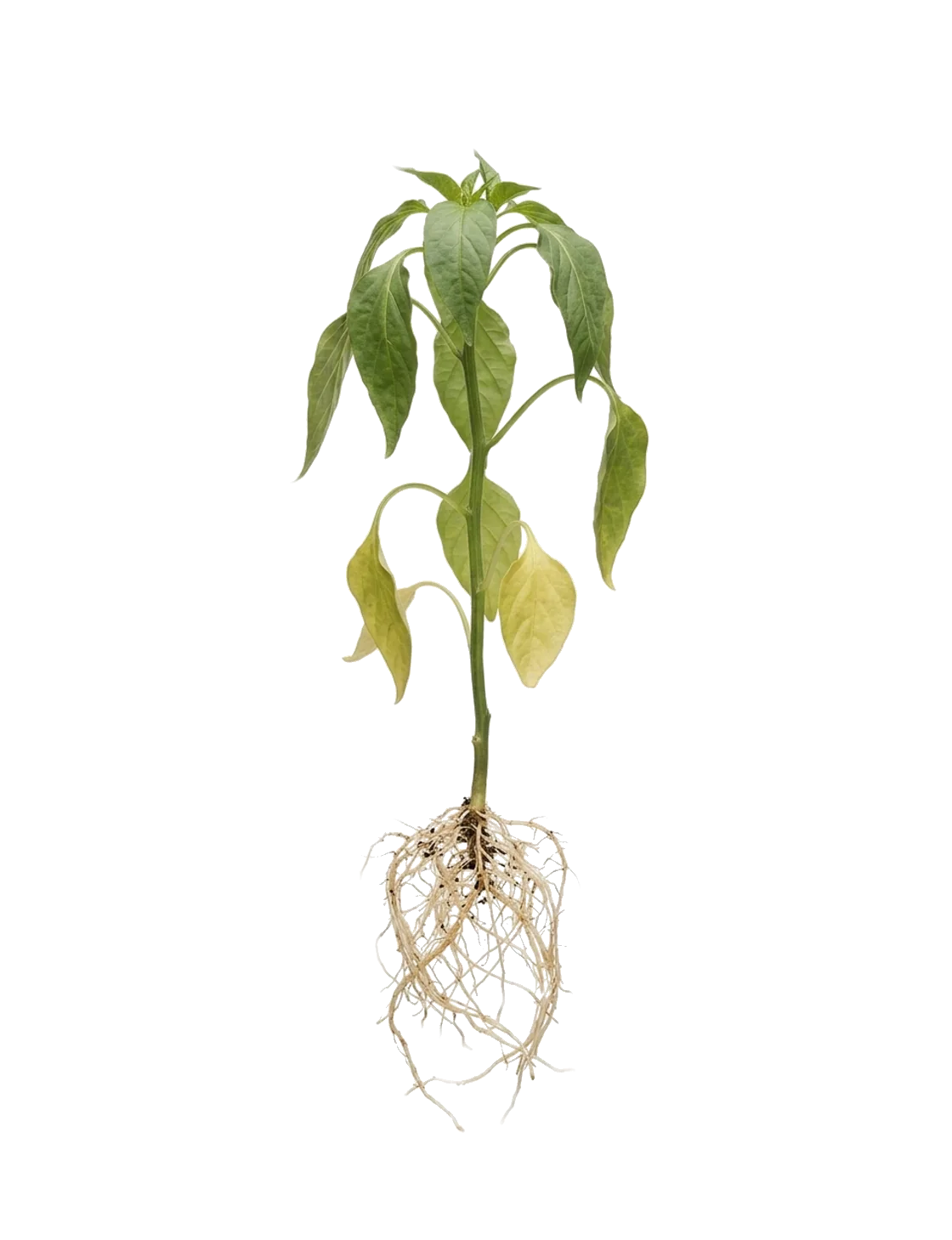
Why are the lower leaves of my rubber plant turning yellow and dropping?
Occasional loss of the lowest leaf is normal aging. If multiple leaves turn yellow and drop rapidly, overwatering and soggy roots are almost always the underlying cause.
How should I clean the leaves of my rubber plant?
Wipe both sides of each leaf gently using a soft cloth dampened with lukewarm water every couple of weeks. Avoid commercial leaf shine products, as they can clog leaf pores.
Why is my rubber plant growing tall and leggy without branches?
Rubber plants naturally focus on vertical growth unless stimulated. Pruning off the top growth tip in spring breaks apical dominance and prompts side buds to sprout.
Can I move my rubber plant outdoors for the summer?
Yes, you can place it in a sheltered outdoor spot with bright shade or filtered morning sun once nighttime temperatures stay above 15 °C. Acclimate it slowly to avoid sunburn.