Ficus ginseng
Ficus microcarpa
Learn how to care for your Ficus ginseng bonsai: watering schedule, proper light levels, pruning advice, and how to stop sudden leaf loss indoors.
- Light
- Indirect
- Watering
- 5–7days between waterings
- Temperature
- 18–26 °Cideal temperature
- Pets
- Toxic
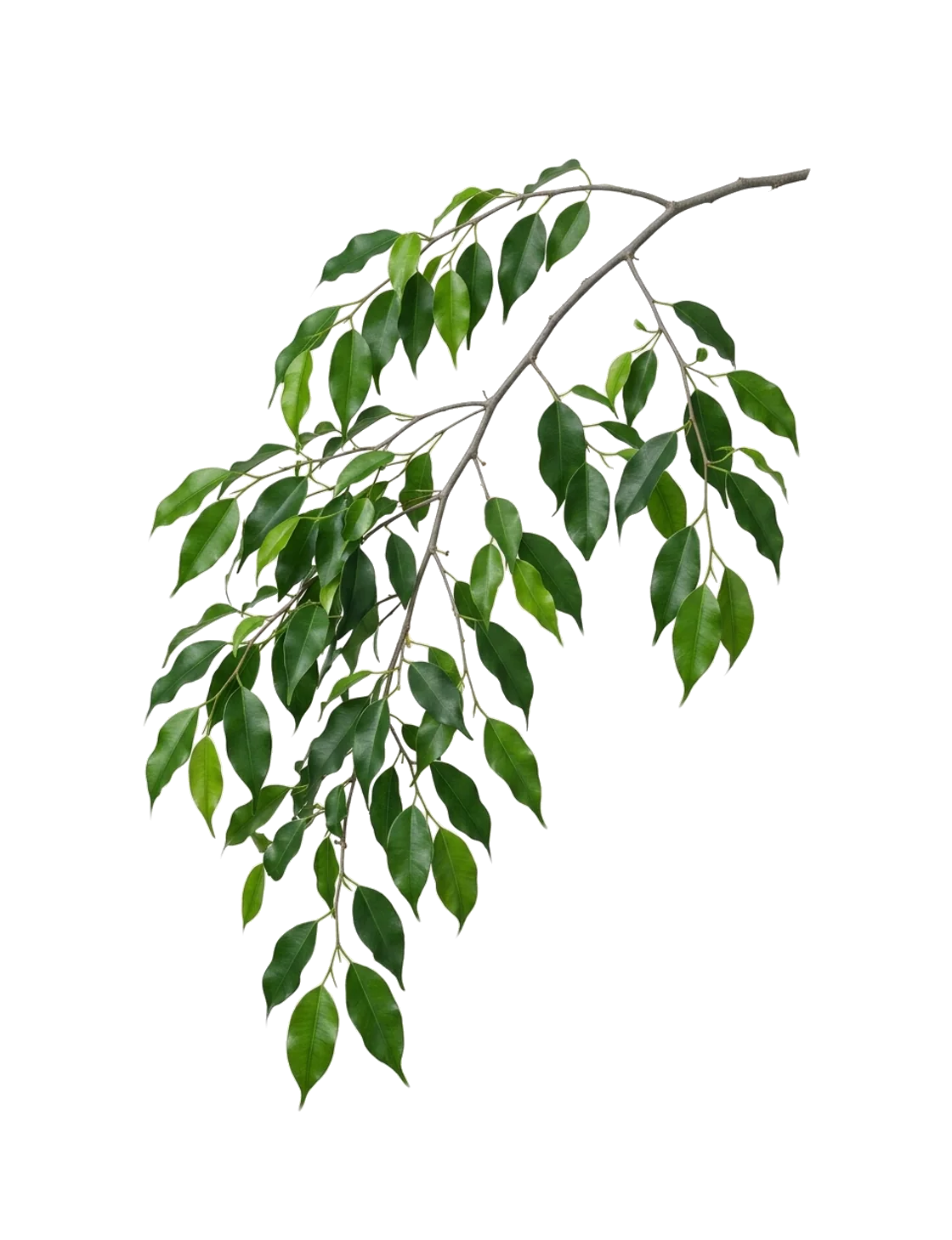
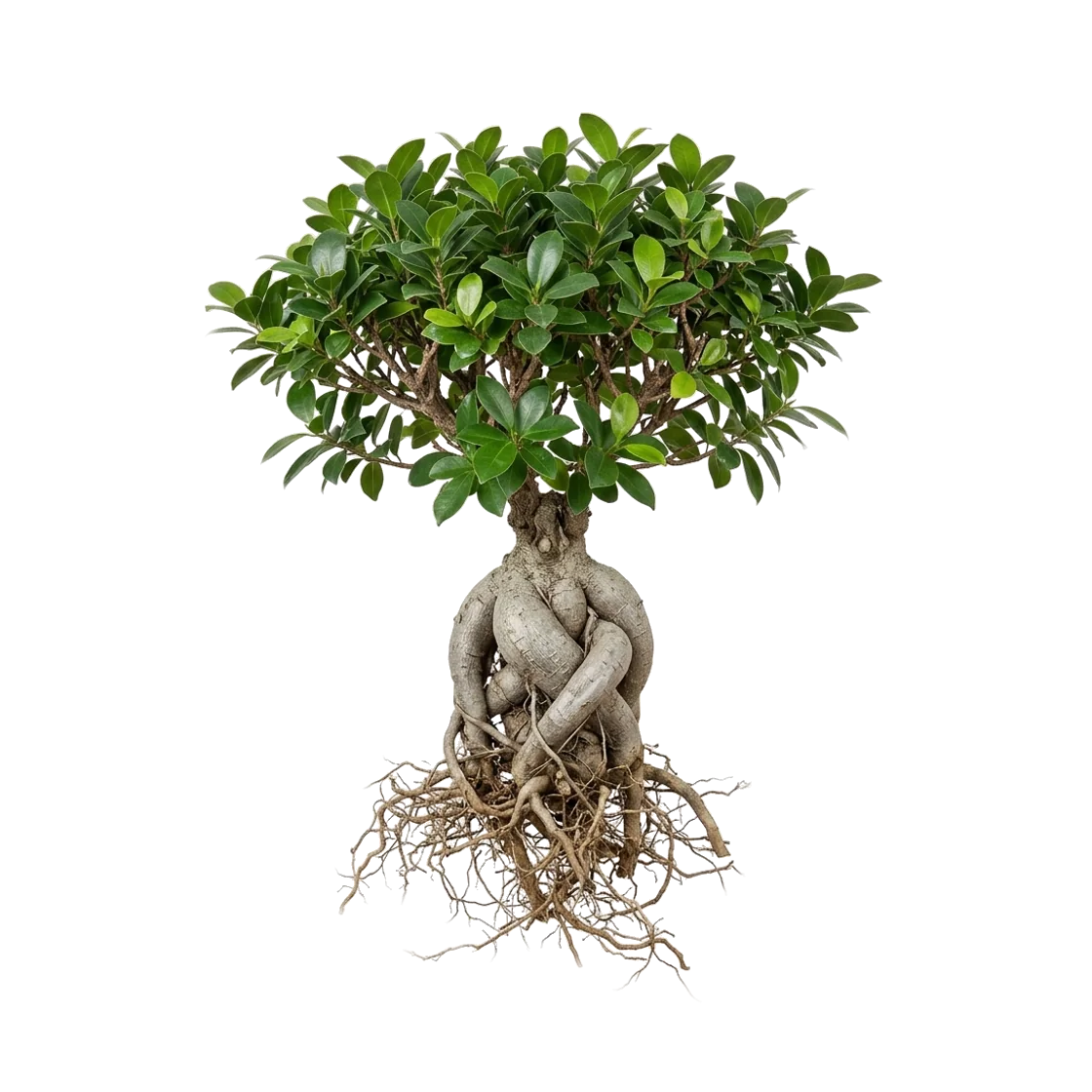
Ficus ginseng, botanically classified as Ficus microcarpa and sometimes called Chinese banyan, is celebrated for its thick, exposed aerial roots that mimic the gnarled appearance of ginseng roots. Usually cultivated as an entry-level indoor bonsai, this small evergreen tree features a sculptural, chunky trunk crowned with a dense canopy of glossy, deep green oval leaves.
Originating in the warm, humid regions of tropical Asia and northern Australia, it is one of the most resilient and forgiving trees you can grow in containers. While outdoor specimens in frost-free climates can reach immense dimensions over time, container-grown plants stay wonderfully compact, making them ideal architectural focal points for living rooms, offices, and bright spaces.
The most frequent challenge growers face is sudden leaf drop, which typically occurs when the plant experiences environmental shock like relocation, chilly drafts, or sudden lighting changes. Fortunately, once placed in a stable, brightly lit environment with well-regulated moisture, it recovers quickly and pushes out healthy new foliage.
Did you know?The swollen bulbous base is not an actual trunk, but a cluster of aerial root systems cultivated to give the young plant the appearance of an ancient bonsai.
Care. What it needs, point by point.
- Watering
- 5–7 days between wateringsWater thoroughly only when the top half of the potting mix feels dry to the touch. This generally means watering every five to seven days during the growing season and every ten to twelve days in winter. Never let the pot sit in standing water.
- Light
- IndirectThrives in abundant, bright indirect sunlight to preserve dense foliage and prevent leggy growth. It can handle mild morning sun, but intense direct afternoon rays will scorch the leaves.
- Temperature
- 18–26 °C ideal temperatureMaintains healthiest growth within a range of 18 °C to 26 °C throughout the year. It does not tolerate freezing conditions and suffers leaf loss when temperatures fall below 12 °C.
- Soil
- Needs a fast-draining potting mixture consisting of general potting soil amended with 30% perlite, pumice, or bonsai grit. An unobstructed drainage hole in the pot is mandatory.
- Fertilizer
- 2 weeks between feedsApply a balanced liquid houseplant or bonsai fertilizer diluted to half strength every two weeks through spring and summer. Withhold fertilizer during autumn and winter when growth slows.
- Pruning
- Trim back unruly shoots in late winter or early spring to preserve a tight, compact canopy. Pinching out growing tips during spring encourages denser leaf clusters.
- Propagation
- Easily propagated through semi-hardwood stem cuttings rooted in water or moist potting mix during late spring. Air layering on thicker branches is another dependable method to start new plants.
Where it grows. In the wild and in homes.
In the wild it grows in tropical Asia, temperate Asia, the Pacific, and Australasia, in a wet tropical climate.
People have also taken it to 29 more regions where it now grows on its own: South and Central America and the Caribbean, Africa, Europe, and temperate Asia.
Range: Plants of the World Online, Royal Botanic Gardens, Kew
Is Ficus ginseng toxic to cats and dogs?
Toxic to cats and dogs.

Cats
Toxic

Dogs
Toxic
If your pet has chewed it and shows symptoms, call your vet or the nearest emergency vet.
Source · ASPCA Animal Poison Control
Gallery As the community sees it.
Photo · H. Zell · CC BY-SA 3.0
Common problems What tends to go wrong.
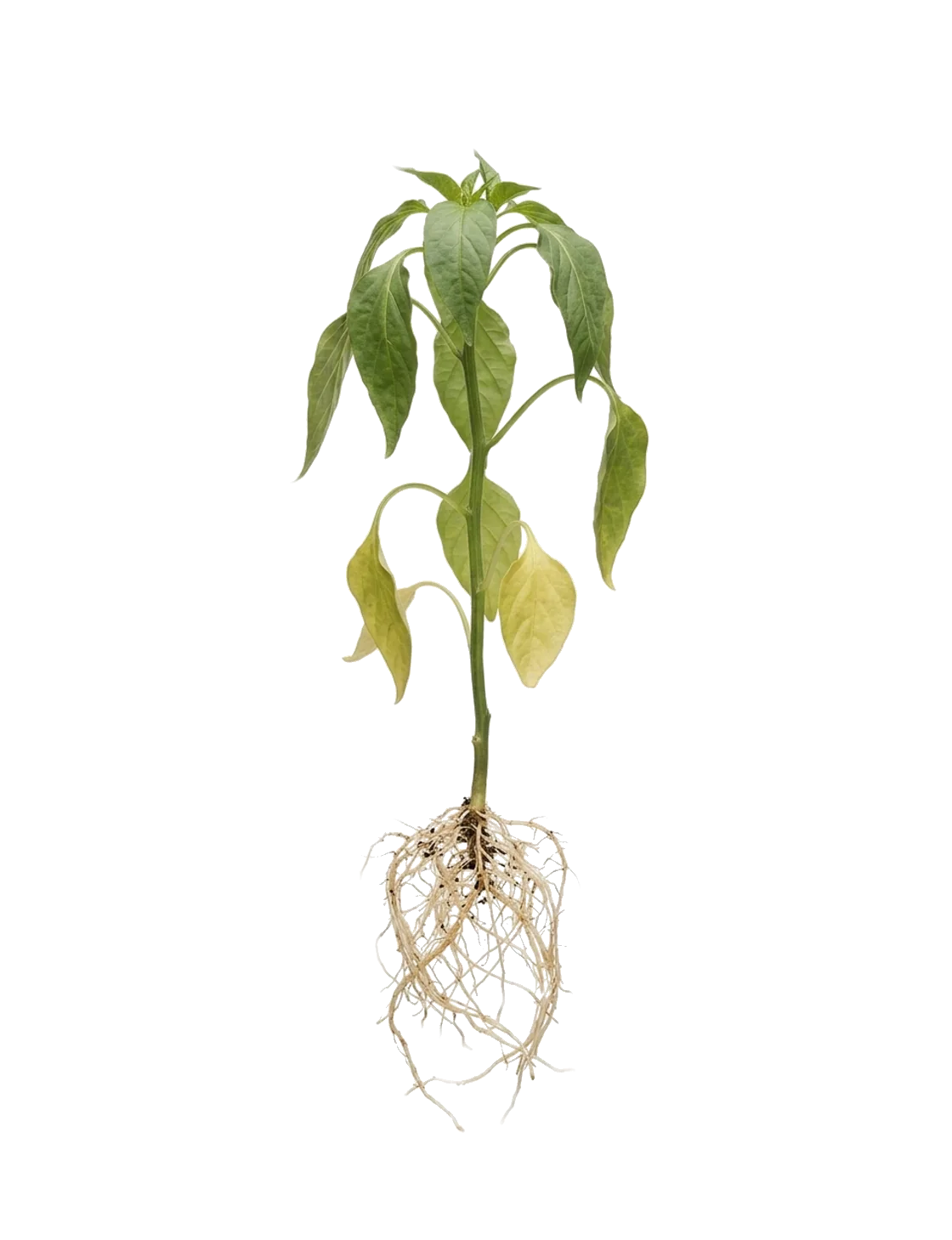
- Transplant shock
- Overwatering
- Too little light
- Spider mites
- Mealybugs and scale




Frequently asked questions What people ask most.
Why is my Ficus ginseng dropping its leaves?
Leaf shedding is almost always caused by relocation shock, cold drafts, or insufficient light. Set the tree in a bright, stable spot without moving it around, and healthy new leaves will soon emerge.
Can Ficus ginseng live outdoors?
Yes, provided your climate is completely frost-free and the plant receives filtered shade. In colder climates, keep it outside only during warm summer months and bring it inside before night temperatures hit 12 °C.
How do I spot overwatering?
Overwatering causes leaves to turn yellow and drop off softly while the soil stays continuously damp or develops a sour odor. Allow the soil to dry out thoroughly and verify that the pot drains freely.
How often should I repot my tree?
Repot every two to three years in early spring once roots fill the entire container. If you want to keep its current bonsai proportions, trim the outer roots lightly and refresh the soil in the original pot.