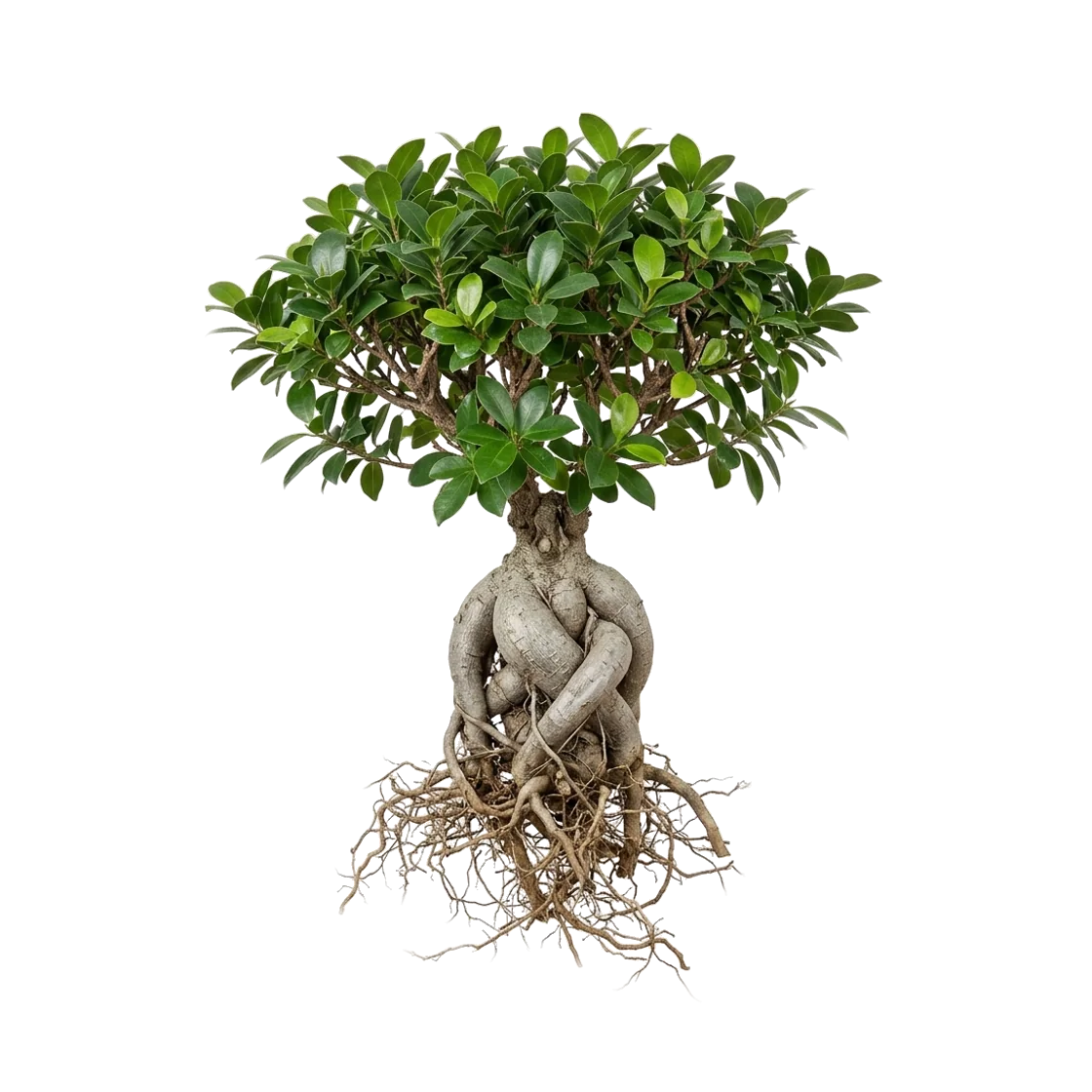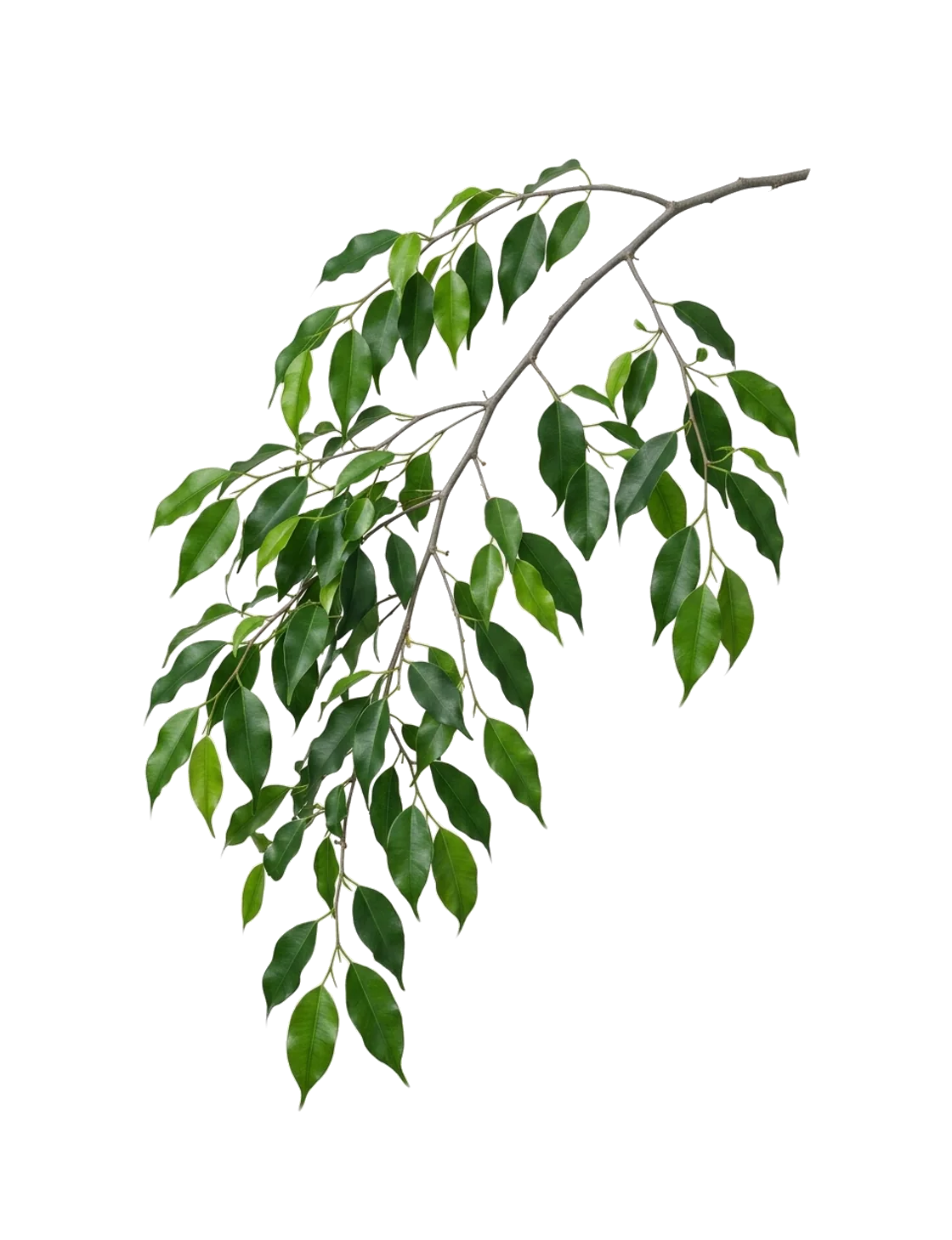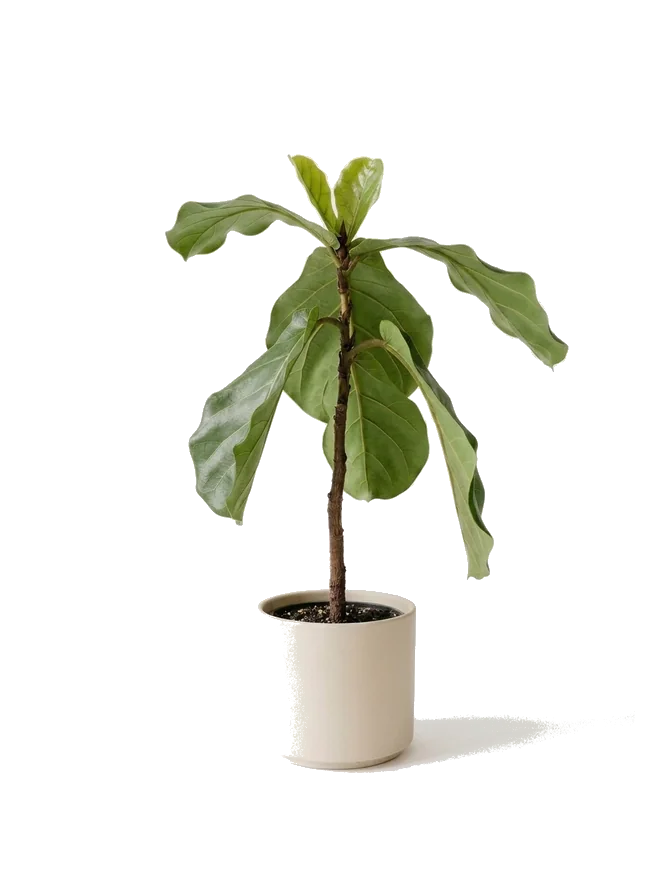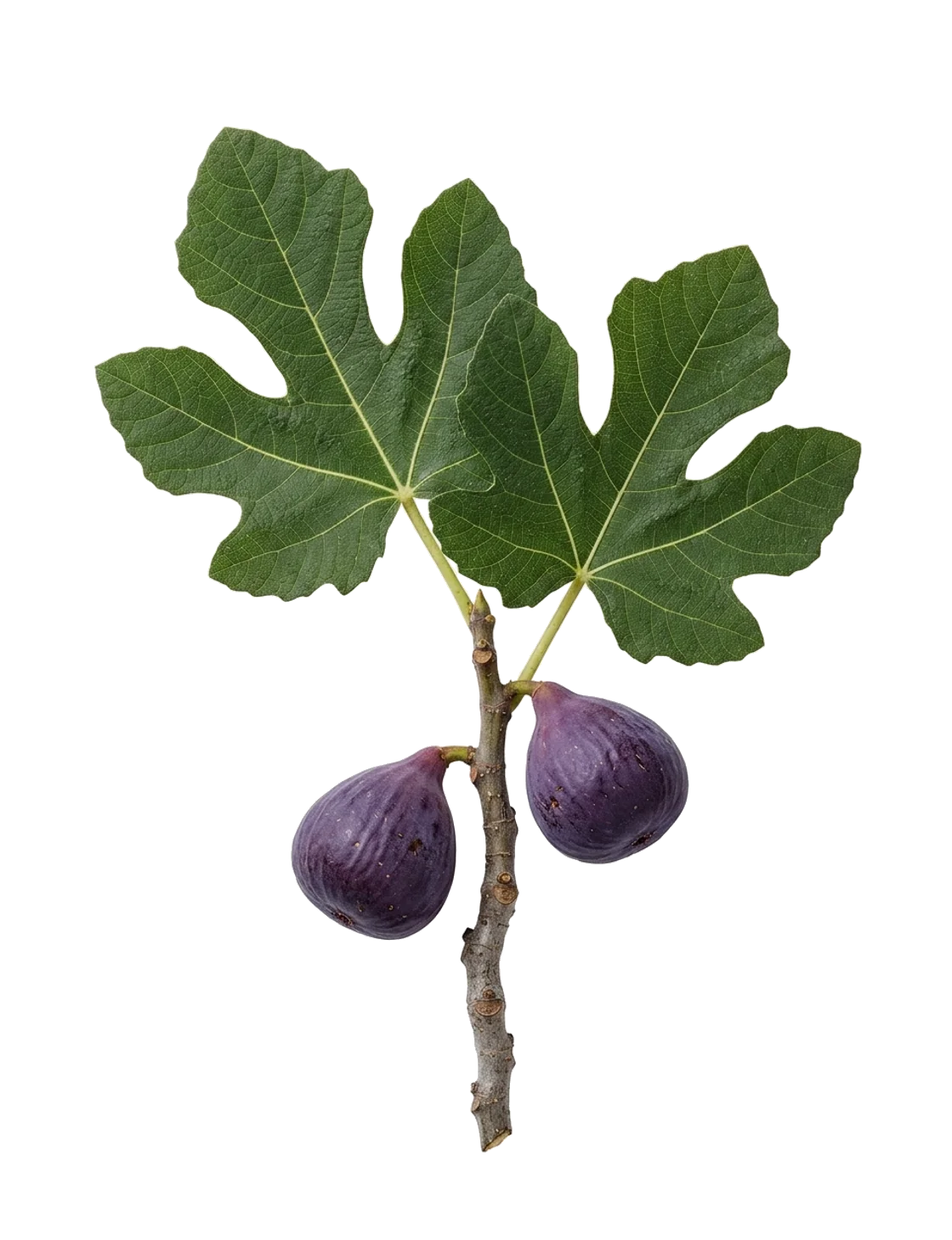
The common fig tree (Ficus carica) is a classic deciduous fruit tree native to the Mediterranean Basin and western Asia. It is celebrated for its attractive smooth gray bark, spreading architectural canopy, and deeply lobed, coarse green leaves that cast generous cooling shade throughout the summer months.
While traditionally planted directly in orchard or garden soil, fig trees adapt remarkably well to large containers placed on sunny patios or terraces. They are exceptionally tough and drought-tolerant once established, thriving in lean, rocky, or alkaline soils where many other fruit trees struggle. The harvest consists of figs—and in two-crop varieties an early summer crop known as brebas—which are botanically syconia, fleshy inverted inflorescences packed with delicate sweetness.
To develop healthy growth and yield a bountiful harvest, this species demands full outdoor sun and fast-draining soil that prevents standing water around the root zone. In late autumn, it naturally drops all foliage to enter winter dormancy, allowing mature trees to withstand moderate freezing temperatures before leafing out vigorously in spring.
Did you know?Botanically, figs are not standard fruits but inverted flowers called syconia, containing hundreds of tiny individual florets inside.
Care. What it needs, point by point.
- Watering
- Water thoroughly during spring and summer once the top few inches of soil have completely dried out. Mature in-ground trees withstand drought well, but potted figs need consistent moisture without sitting in stagnant water.
- Light
- 6–8 h of light a dayProvide full outdoor sun with at least six to eight hours of direct light daily. Lack of sunlight weakens new stems and prevents fruit from sweetening and ripening properly.
- Temperature
- 15–30 °C ideal temperatureIdeal temperatures range between 15 °C and 30 °C during the growing season. Dormant mature trees can tolerate winter lows down to -10 °C, though late spring frosts may damage tender new shoots.
- Soil
- Prefers well-draining, moderately fertile soil and easily tolerates sandy, gravelly, or limestone-heavy substrates.
- Fertilizer
- Top-dress with compost or apply an organic balanced fertilizer in early spring to support early leafing and fruit setting.
- Pruning
- Prune in late winter while dormant to eliminate crossing branches, deadwood, and base suckers, opening the interior to sunlight.
- Propagation
- Easily propagated through dormant hardwood cuttings taken in late winter. Air layering in late spring is another highly reliable method.
Where it grows. In the wild and in homes.
In the wild it grows in temperate Asia, Europe, and tropical Asia, in a temperate climate.
People have also taken it to 84 more regions where it now grows on its own: Europe, Africa, North America, and temperate Asia.
Range: Plants of the World Online, Royal Botanic Gardens, Kew
Is Fig tree toxic to cats and dogs?
Toxic to cats and dogs.

Cats
Toxic

Dogs
Toxic
If your pet has chewed it and shows symptoms, call your vet or the nearest emergency vet.
Source · ASPCA Animal Poison Control
Common problems What tends to go wrong.
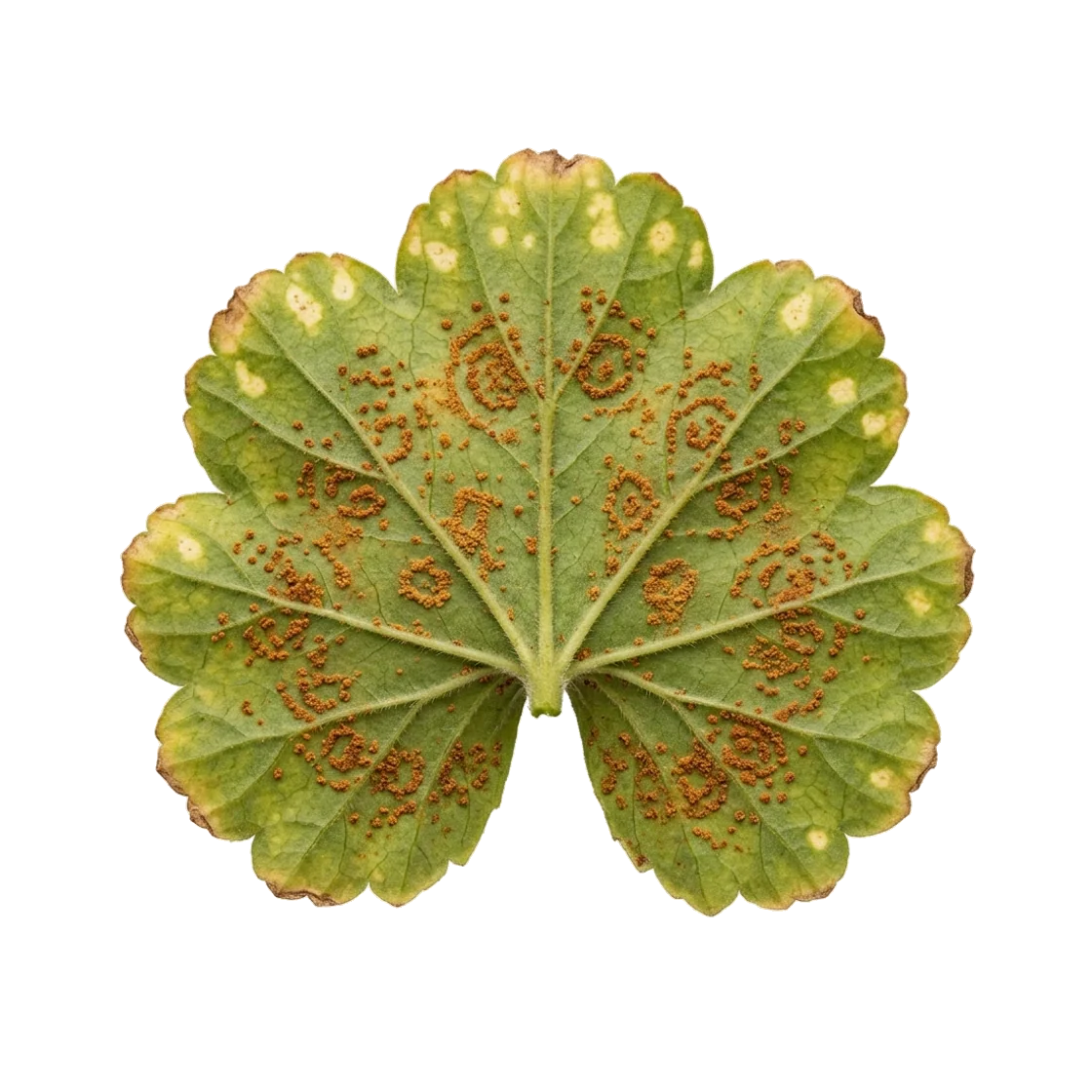
- Rust
- Mealybugs and scale
- Root rot
- Cold damage



Frequently asked questions What people ask most.
Why are immature figs dropping off the tree?
Sudden fruit drop usually stems from irregular watering, severe drought stress, or insufficient direct sunlight. Ensure consistent deep watering during fruit development and verify the tree receives full day sun.
Can a fig tree be grown in a pot?
Yes, fig trees thrive in large containers with adequate drainage holes and a quality potting mix. Root restriction in pots can actually encourage earlier fruit production and keep tree size manageable.
Why are the leaves turning yellow and falling in summer?
Overwatering, poor soil drainage, or severe underwatering can cause lower leaves to yellow and drop prematurely. Inspect soil moisture below the surface and adjust your irrigation schedule to let the root zone breathe.
How do I know when figs are ripe to pick?
Ripe figs soften gently to the touch, bend downward at the stem, and develop their full varietal color. Harvest them with gardening gloves, as the milky sap from broken stems can cause mild skin irritation.