Fiddle-leaf fig
Ficus lyrata
Discover how to care for your fiddle-leaf fig: watering frequency, lighting requirements, ideal potting soil, and tips to prevent sudden leaf drop.
- Watering
- 7–10days between waterings
- Temperature
- 18–26 °Cideal temperature
- Pets
- Toxic
- Difficulty
- Medium
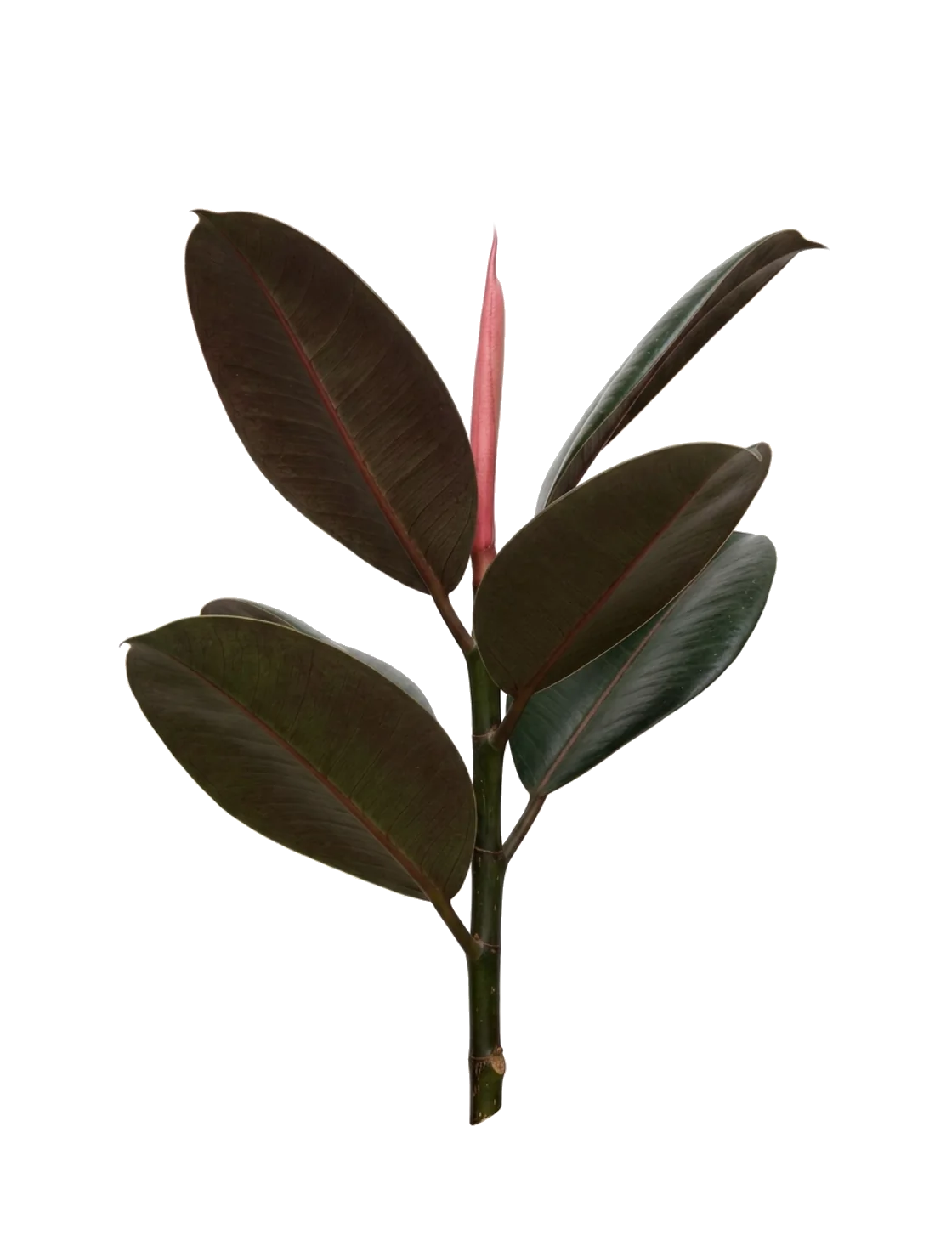
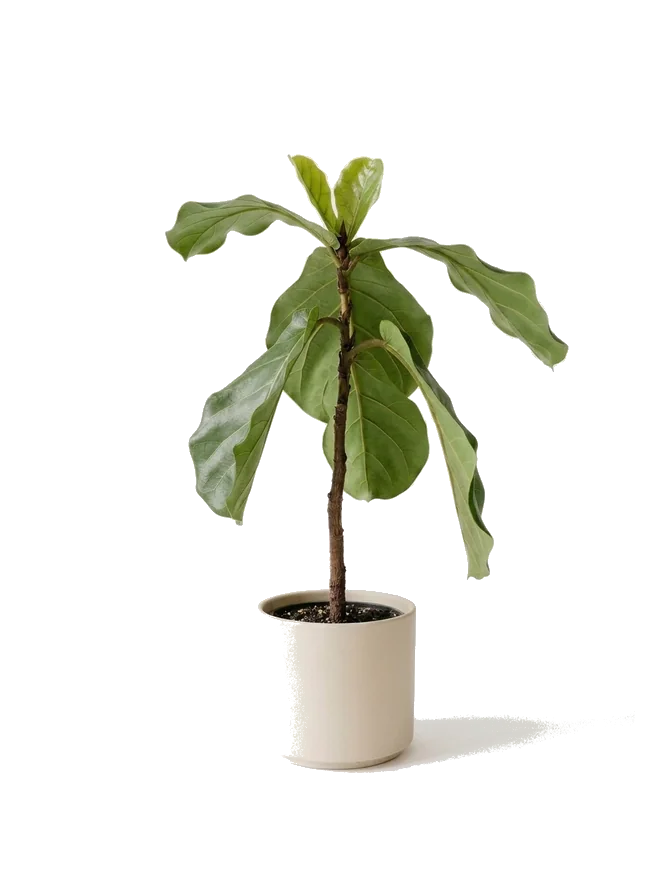
Native to the lowland tropical rainforests of western Africa, the fiddle-leaf fig is celebrated worldwide for its dramatic, violin-shaped foliage. In its natural environment, it matures into a substantial canopy tree reaching over twelve meters tall, though grown indoors in containers, it adopts an upright, sculptural form. Its heavily veined, dark green, and leathery leaves give it an unmistakable architectural appeal.
Successful indoor cultivation hinges on consistency, generous indirect sunlight, and controlled moisture. This species is particularly sensitive to sudden environmental shifts, cold drafts, and overwatering, frequently reacting to stress by dropping its lower foliage. Positioning it in a stable location with plenty of bright, filtered light and good air circulation is essential for sustained health.
While its growth rate is moderate, healthy plants steadily produce fresh leaves from the growing tip during the warm season. Regularly wiping dust from its broad leaves with a damp cloth improves photosynthesis and preserves its glossy look. Paired with a fast-draining potting mix, the fiddle-leaf fig develops into a robust, long-lived indoor centerpiece.
Did you know?In the wild, it often starts its lifecycle as an epiphyte in the forest canopy, gradually sending roots downward until they anchor firmly into the ground.
Care. What it needs, point by point.
- Watering
- 7–10 days between wateringsWater thoroughly only after the top two to three inches of soil have completely dried out. In spring and summer, this typically equates to watering every seven to ten days, scaling back significantly during the colder months. Always empty the saucer afterward to prevent stagnant water around the roots.
- Light
- Position the plant where it receives ample bright, filtered light throughout the day. It can handle a couple of hours of soft morning sun, but harsh midday rays will scorch its leaves.
- Temperature
- 18–26 °C ideal temperatureMaintain room temperatures between 18 °C and 26 °C for consistent growth. Keep the plant protected from sudden temperatures drops below 15 °C and drafts from air conditioning units.
- Soil
- Use a chunky, well-aerated potting mix containing peat or coco coir, perlite, and pine bark to ensure rapid drainage. Dense soil retains excessive moisture, which quickly leads to root problems.
- Fertilizer
- Feed with a balanced liquid houseplant fertilizer once a month during spring and summer. Withhold fertilizer throughout autumn and winter when growth naturally slows down.
- Pruning
- Prune the top stem in late winter or early spring to restrict height and encourage branching. Remove yellowed or damaged leaves near the stem using clean, sharp pruning shears.
- Propagation
- Propagate via stem cuttings with one or two leaves rooted in water or a moist growing medium during warm weather. Air layering is also a dependable method for mature, woody plants.
Where it grows. In the wild and in homes.
In the wild it grows in tropical West Africa and west-central tropical Africa, in a wet tropical climate.
People have also taken it to 3 more regions where it now grows on its own: Macaronesia, Central America, and the Caribbean.
Range: Plants of the World Online, Royal Botanic Gardens, Kew
Is Fiddle-leaf fig toxic to cats and dogs?
Toxic to cats and dogs.

Cats
Toxic

Dogs
Toxic
If your pet has chewed it and shows symptoms, call your vet or the nearest emergency vet.
Source · ASPCA Animal Poison Control
Common problems What tends to go wrong.
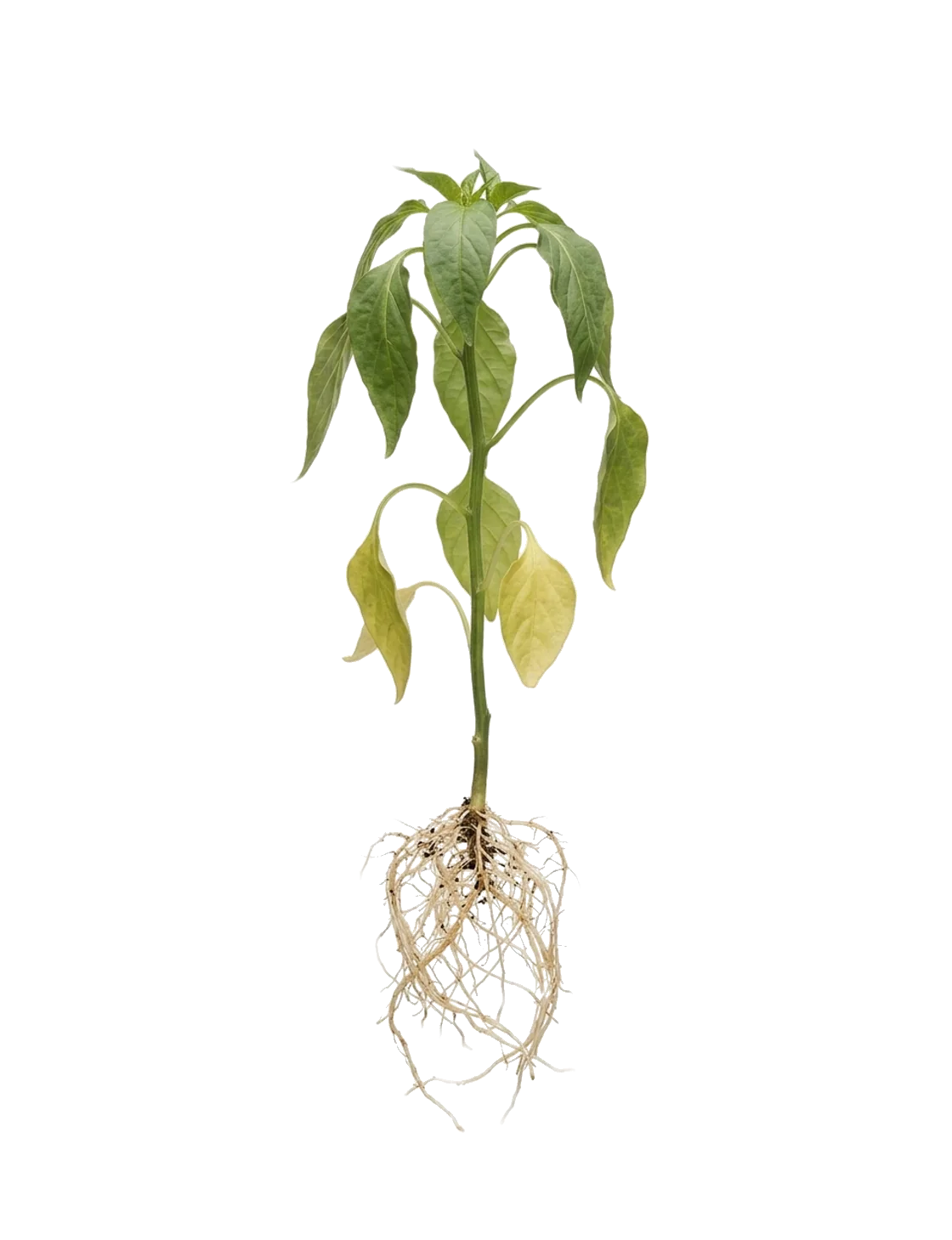
- Root rot
- Overwatering
- Too little light
- Spider mites
- Transplant shock




Frequently asked questions What people ask most.
Why is my fiddle-leaf fig dropping leaves?
Leaf drop is usually triggered by environmental changes, cold drafts, or inconsistent watering habits. Ficus lyrata prefers stability, so keep it in a bright spot away from vents and let it acclimate without frequent moves.
What causes dark brown spots on the foliage?
Large, dark brown patches near the center or base of the leaves typically indicate root rot caused by overwatering or poor drainage. In contrast, dry, crispy brown edges usually point to low indoor humidity or underwatering.
Why do new leaves have tiny reddish-brown spots?
These tiny specks are caused by edema, which happens when the roots take up moisture faster than the leaf tissues can release it through transpiration. It is not a disease, and new growth usually outgrows the condition once watering is leveled out.
How often should I clean the leaves?
Gently wipe down the foliage with a damp cloth every two to three weeks to remove settled household dust. This keeps the pores unclogged, allowing the plant to photosynthesize efficiently and absorb ambient light.