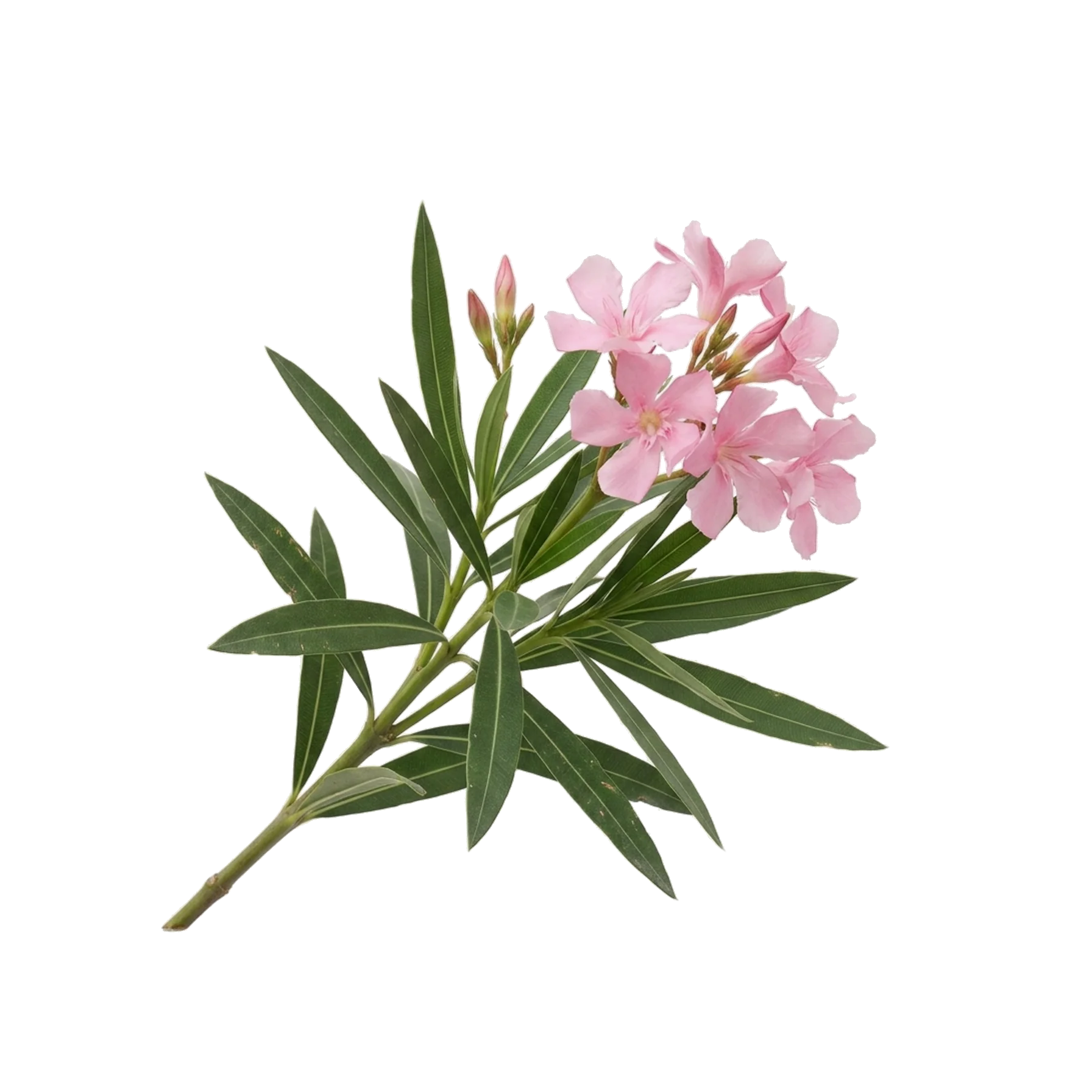
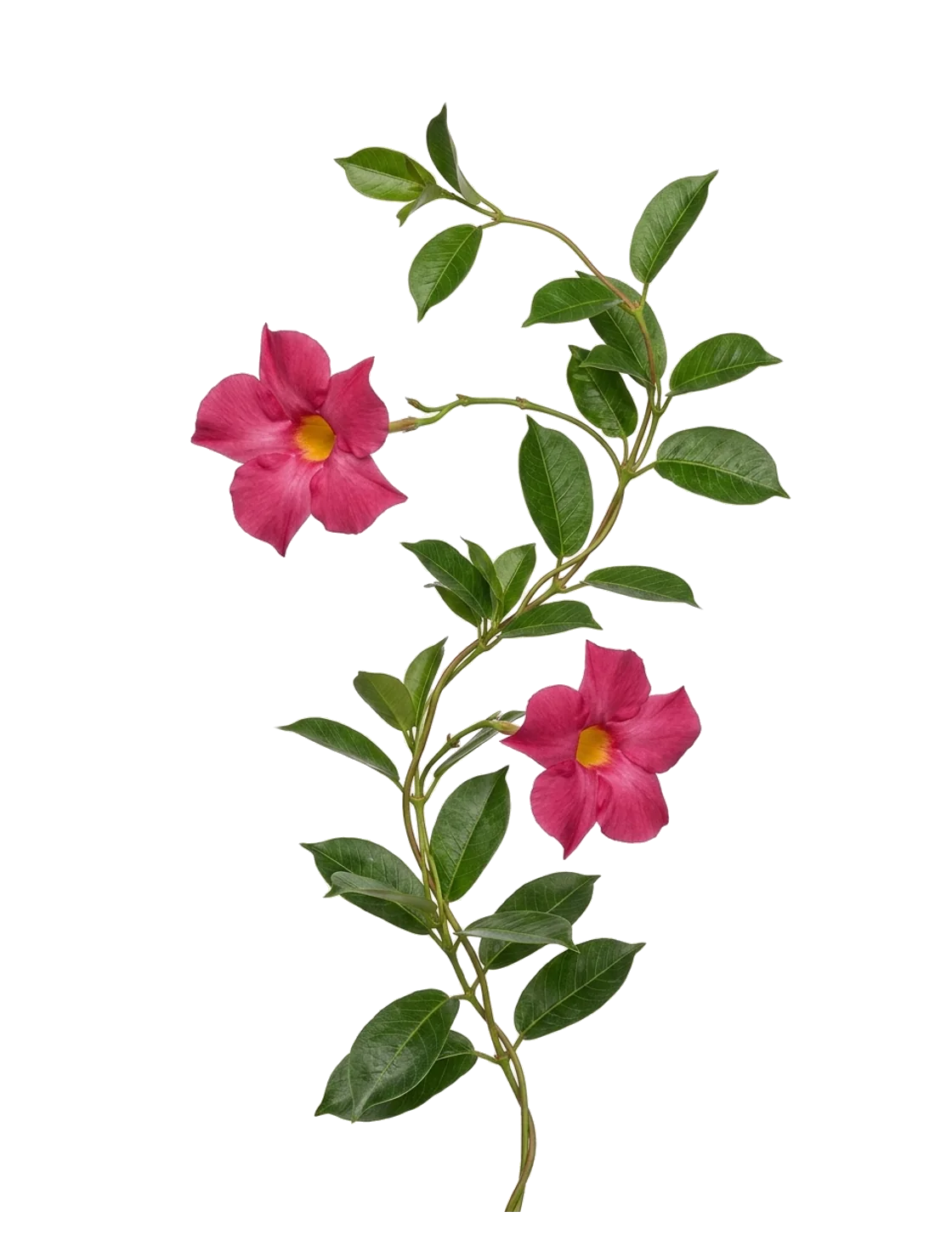
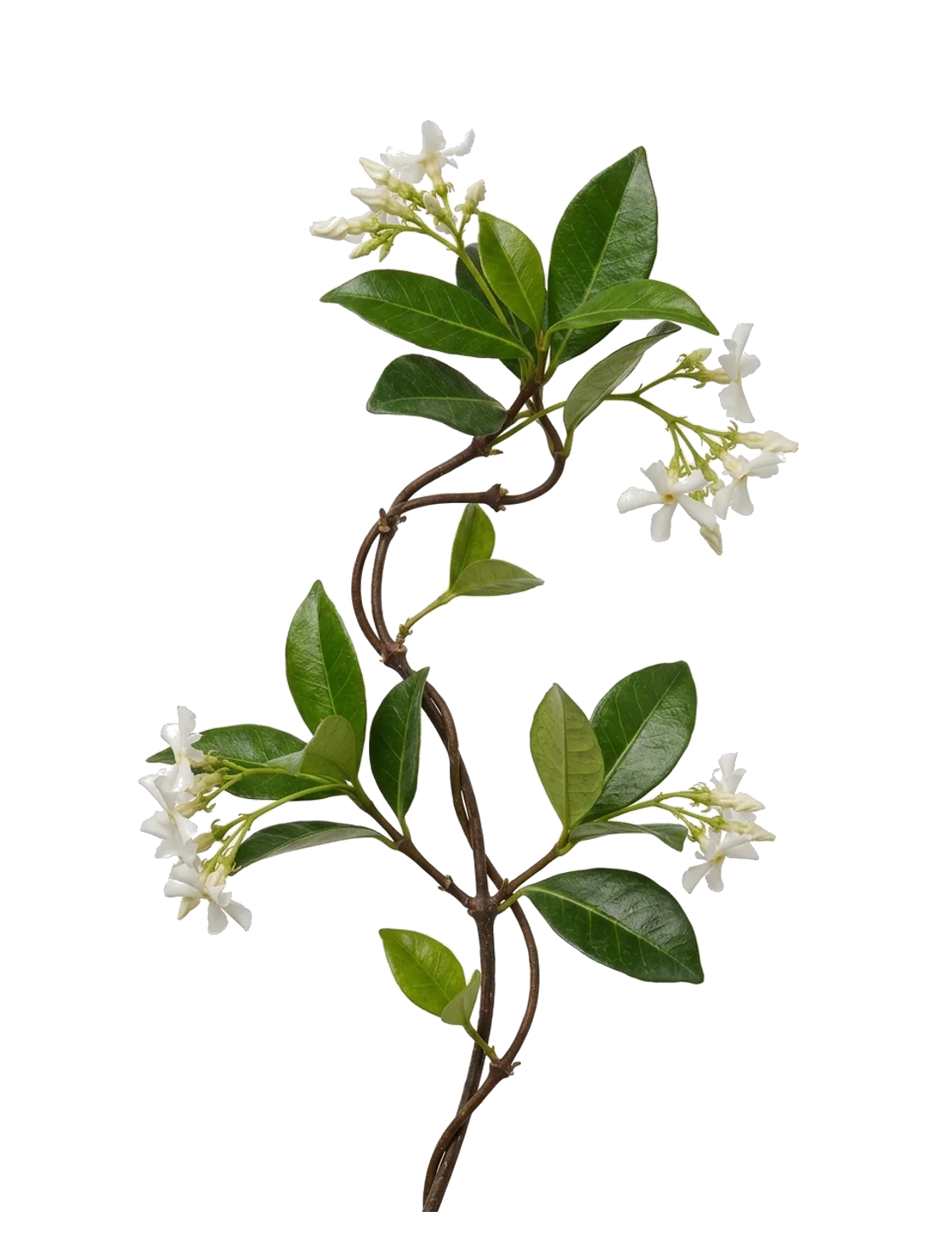
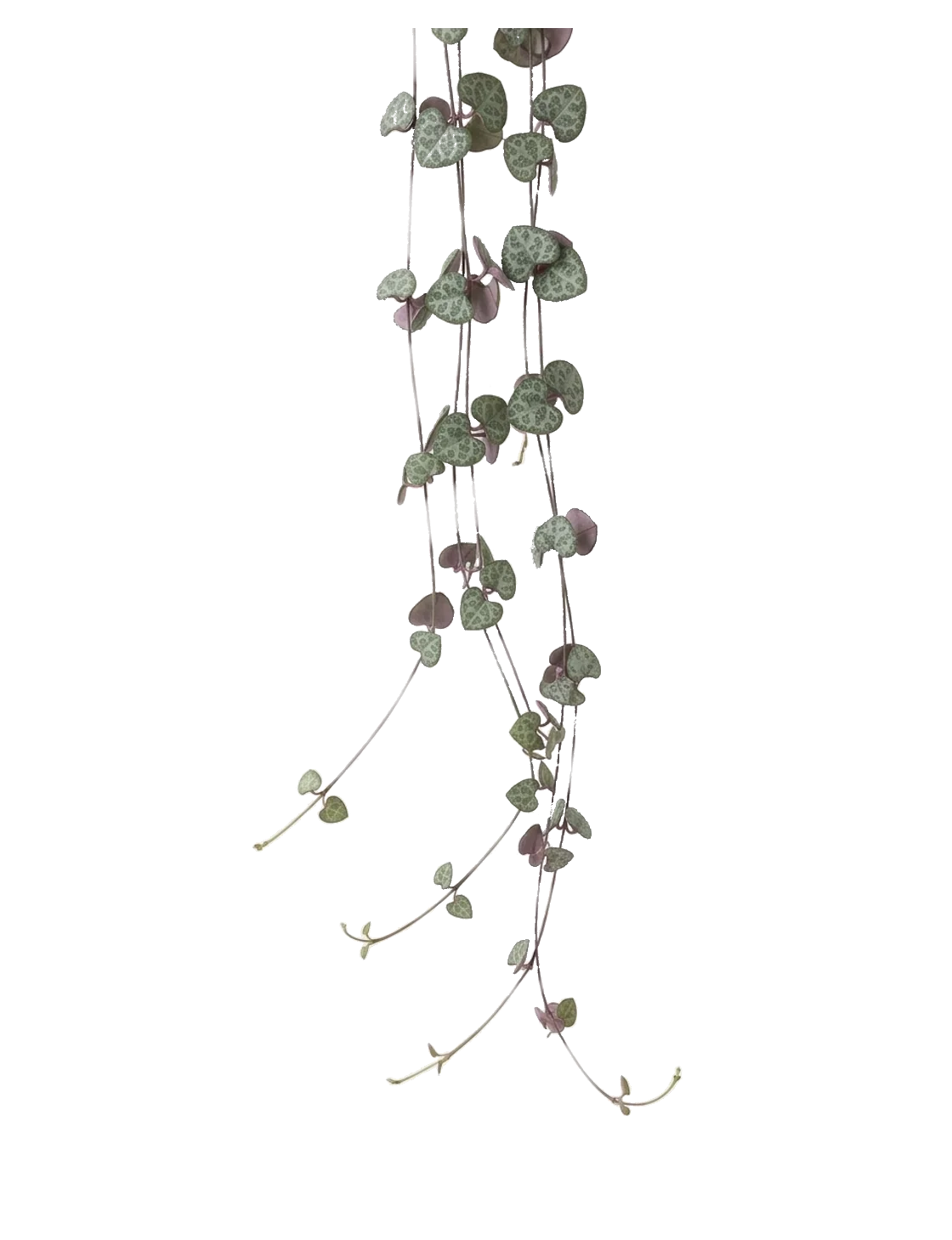
Wax plant
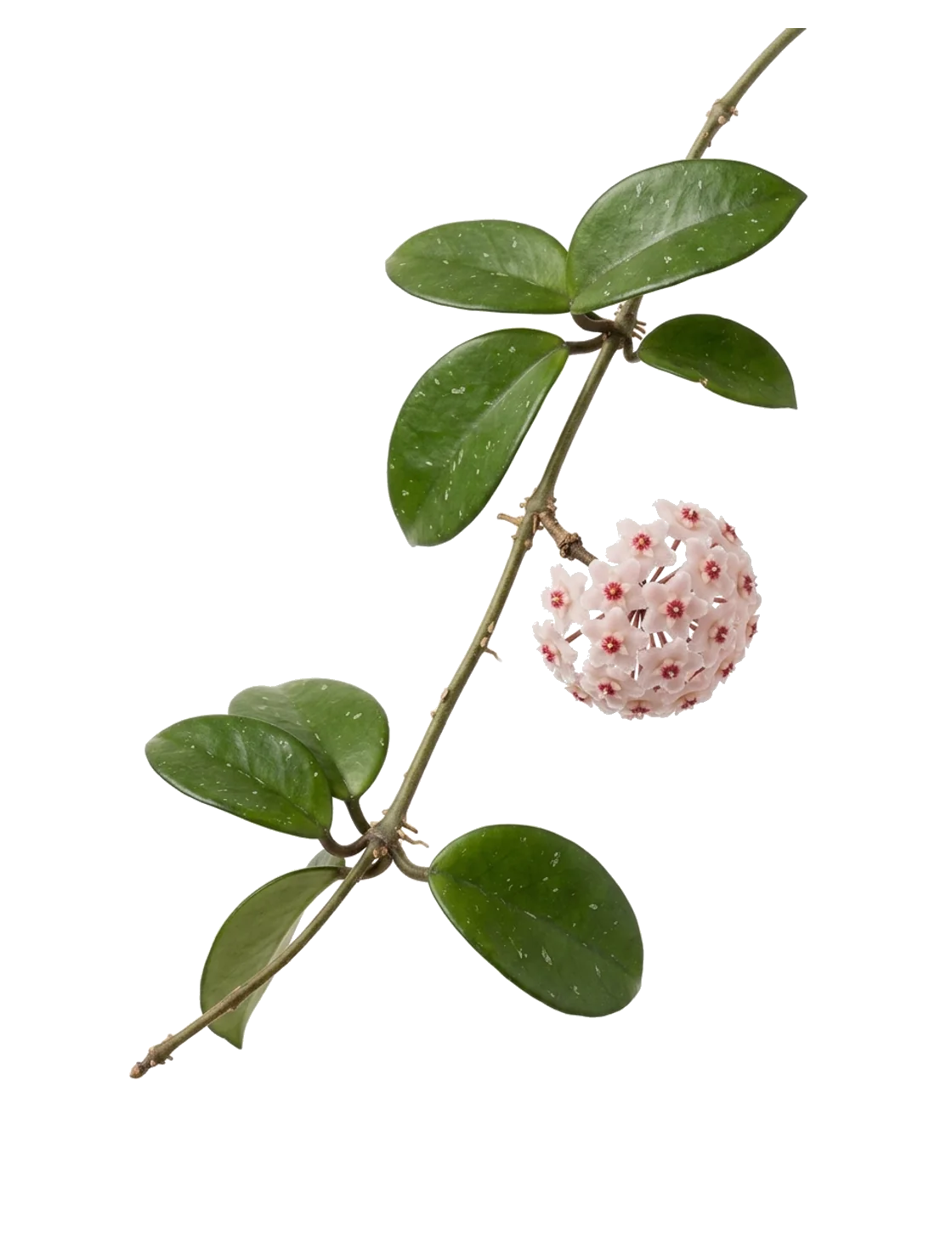
Hoya carnosa
Learn how to care for the wax plant (Hoya carnosa) with our practical guide on light, watering, soil mix, and tips for fragrant porcelain-like blooms.
- Light
- Indirect
- Watering
- 10–14days between waterings
- Temperature
- 18–25 °Cideal temperature
- Pets
- Non-toxic
The wax plant, botanically known as Hoya carnosa, is an evergreen vining epiphyte native to Eastern Asia and Australia. It is widely admired for its thick, succulent-like leathery leaves that store water efficiently, allowing it to withstand occasional drought without stress. In home settings, this versatile plant thrives equally well climbing up trellises or cascading gracefully from hanging planters.
Its true highlight is the cluster of porcelain-like, star-shaped blossoms that emerge from spring through early autumn. These velvety flowers feature contrasting pink crowns and produce tiny droplets of sweet nectar along with an intoxicating perfume that peaks during the evening hours to attract pollinators.
Hoya carnosa is an exceptionally resilient and long-lived companion that adapts seamlessly to bright indoor spaces. Because it naturally grows anchored to tree branches in humid forests, it prefers a snug root system and a very aerated potting medium, rewarding growers with years of easy growth and reliable blooms.
Did you know?Its star-shaped flowers produce droplets of sweet nectar at dusk and emit an intense fragrance reminiscent of honey and vanilla.
Care. What it needs, point by point.
- Watering
- 10–14 days between wateringsWater thoroughly only when the potting mix has almost completely dried out, roughly every ten to fourteen days during warmer months. In winter, reduce watering significantly and verify that the pot feels light before adding more moisture.
- Light
- IndirectProvide bright, indirect sunlight throughout the day to encourage healthy foliage and flowering. A little gentle morning sun is beneficial, but harsh midday rays will scorch and bleach the leaves.
- Temperature
- 18–25 °C ideal temperatureMaintain temperatures between 18 °C and 25 °C for optimal growth. Protect the plant from cold drafts and never let it sit below 10 °C, which triggers stress and leaf drop.
- Soil
- Use an open, fast-draining potting blend composed of indoor potting soil, perlite, and coarse orchid bark.
- Fertilizer
- Feed with a diluted, balanced houseplant fertilizer once a month from spring through late summer.
- Pruning
- Never prune off the bare flowering spurs after blossoms fade, as new buds will develop from these exact points. Only trim back overly long vines or dead stems to shape the plant.
- Propagation
- Propagate stem cuttings with at least two nodes in spring or early summer. They root readily in water or directly into moist, airy potting mix with perlite.
Where it grows. In the wild and in homes.
In the wild it grows in China, East Asia, and Indochina, in a subtropical climate.
People have also taken it to 5 more regions where it now grows on its own: tropical Asia, the Pacific, temperate Asia, and South and Central America and the Caribbean.
Range: Plants of the World Online, Royal Botanic Gardens, Kew
Is Wax plant toxic to cats and dogs?
Non-toxic to cats and dogs.

Cats
Non-toxic

Dogs
Non-toxic
Source · ASPCA Animal Poison Control
Common problems What tends to go wrong.
- Root rot
- Overwatering
- Mealybugs and scale
- Too little light
- Spider mites





Frequently asked questions What people ask most.
Why is my wax plant not blooming?
Insufficient light is the most common reason for a lack of blooms, as this plant requires bright indirect exposure to set buds. Being planted in an oversized pot or receiving too much nitrogen fertilizer can also divert energy away from flower production.
Why are the leaves wrinkling and going soft?
Wrinkling leaves generally indicate water stress from either prolonged underwatering or root rot caused by chronic overwatering. Check the potting mix: if bone-dry, water thoroughly; if soggy, inspect the roots for decay and adjust drainage immediately.
Should I remove the old flower stems?
Never cut off the flowering spurs, also known as peduncles, after the flowers drop. Hoya carnosa blooms repeatedly from the exact same spurs year after year, and cutting them off eliminates future flowers.
Why are flower buds dropping before opening?
Bud drop usually occurs when the plant is moved or rotated while flower clusters are developing. Sudden temperature swings, low ambient humidity, or inconsistent watering can also trigger premature bud drop.