Brazilian jasmine
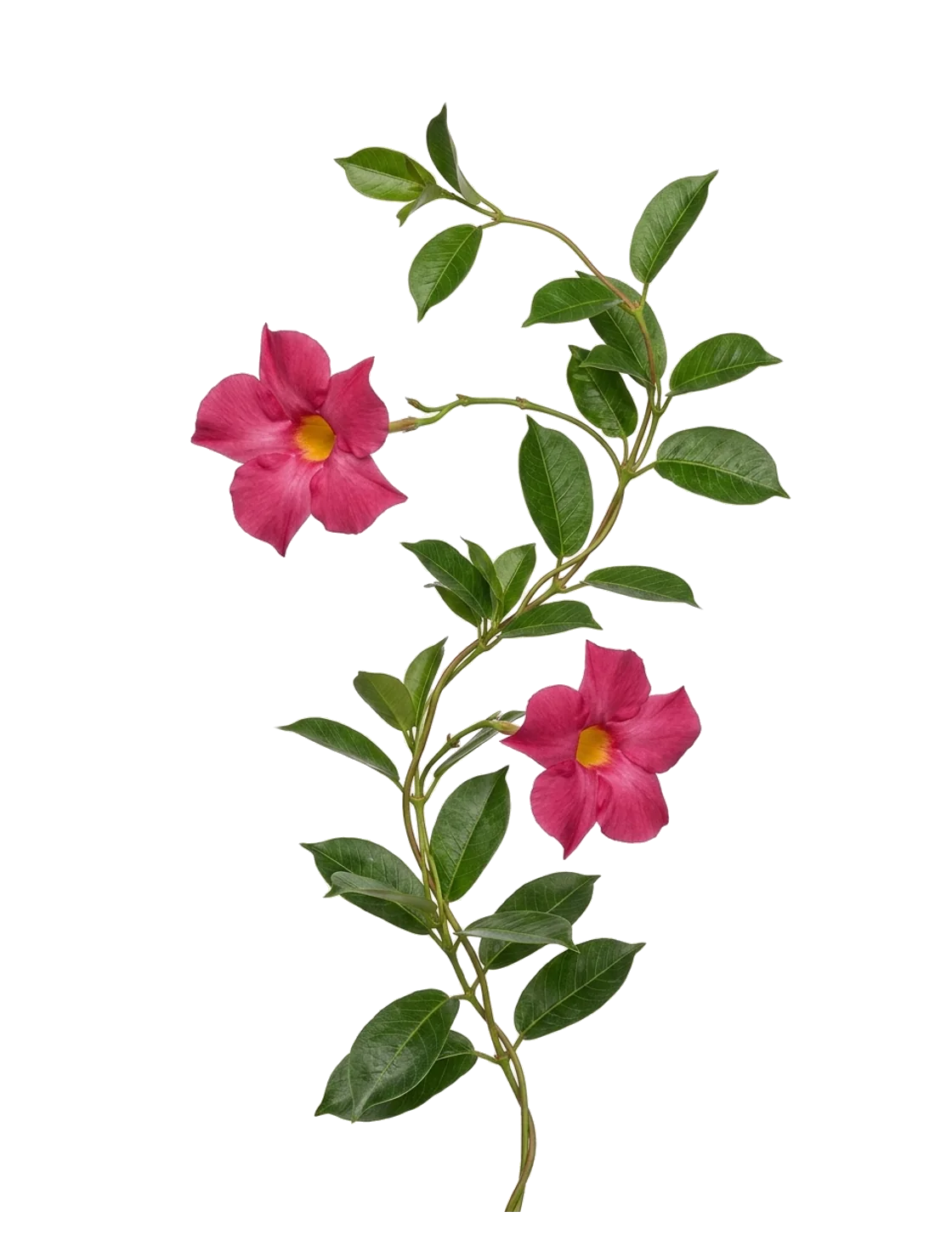
Mandevilla sanderi
Learn how to care for Brazilian jasmine (Mandevilla sanderi) with practical tips on watering, sun exposure, pruning, and overwintering indoors.
- Light
- Shade
- Watering
- 2–3×a week
- Temperature
- 18–26 °Cideal temperature
- Toxicity
- Non-toxic
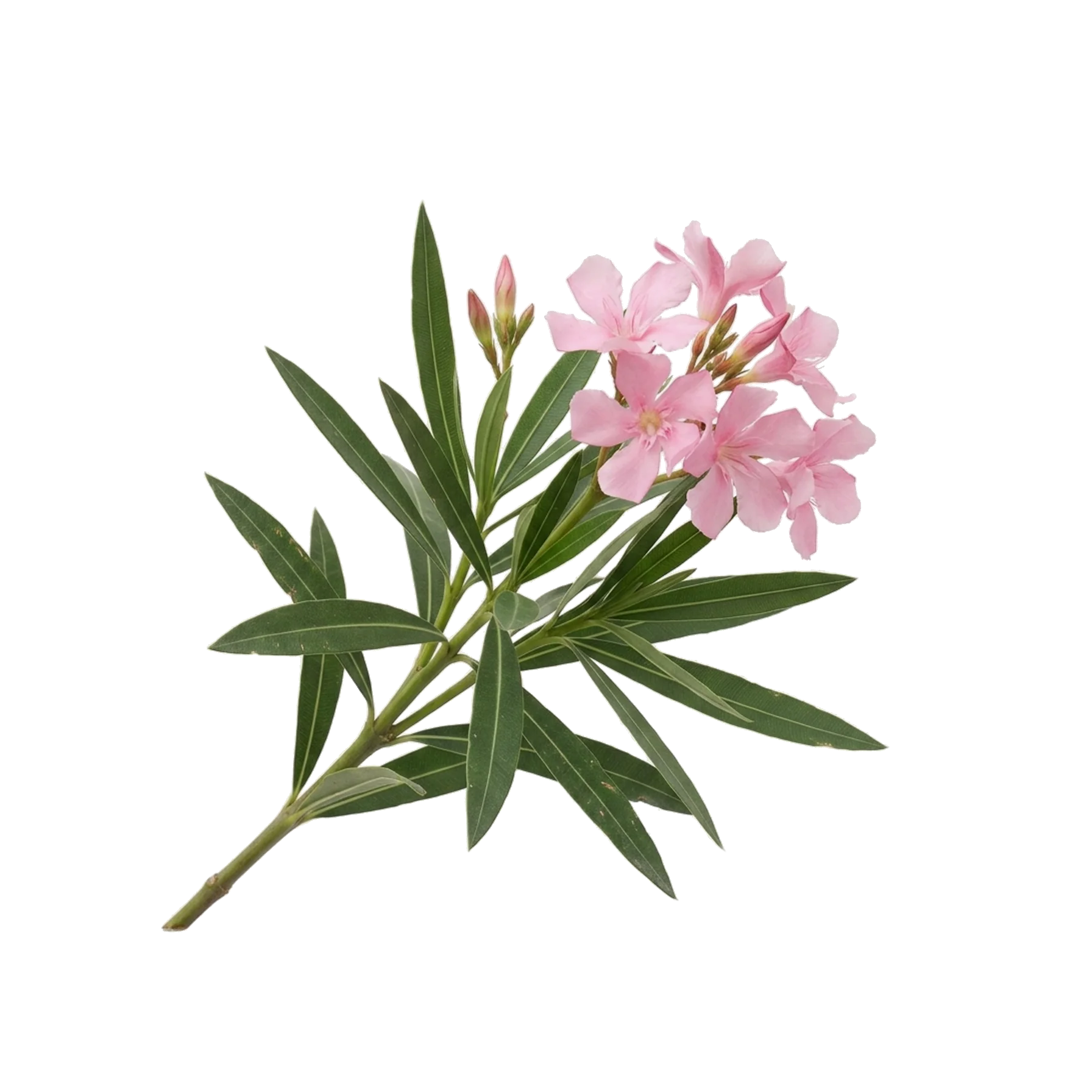
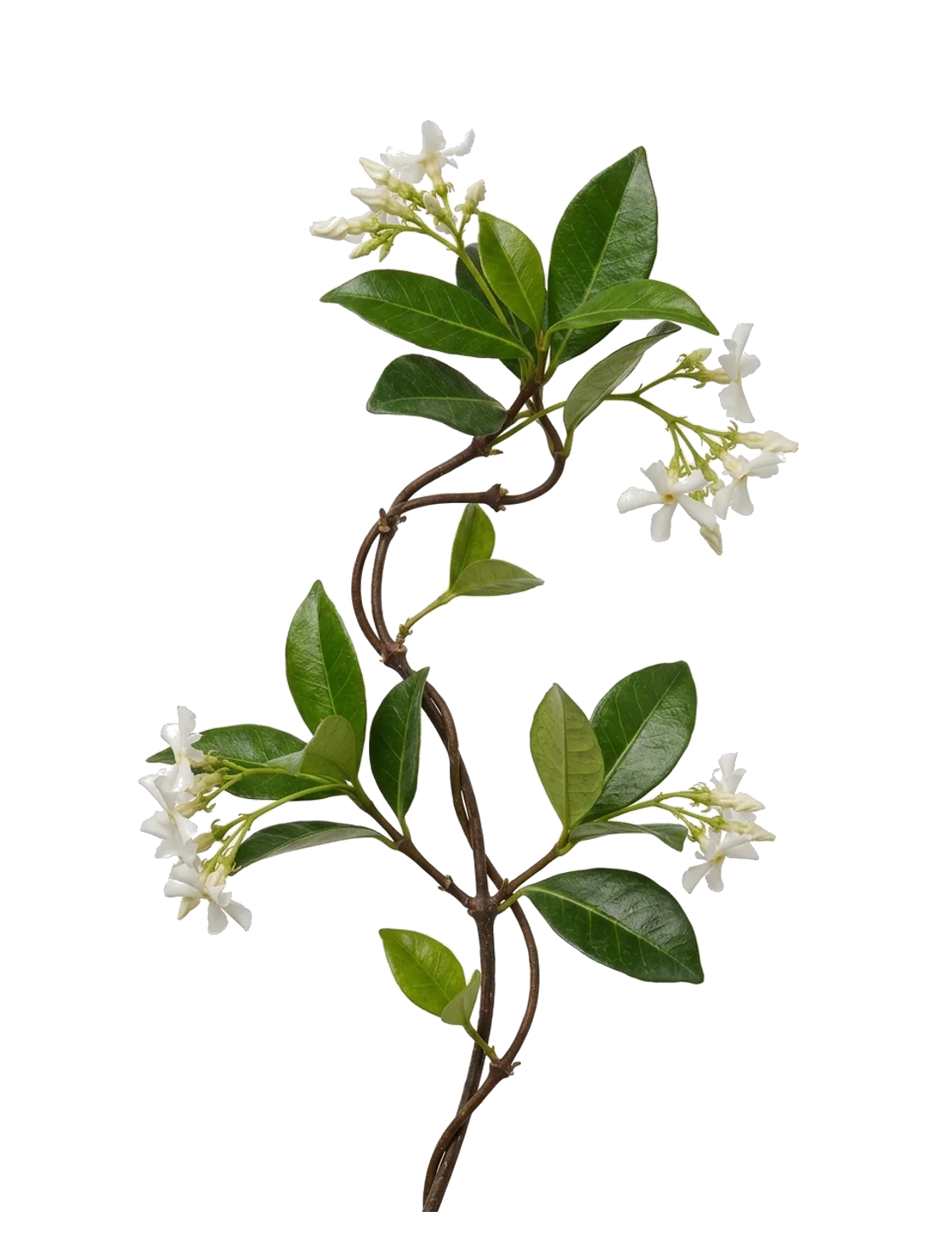
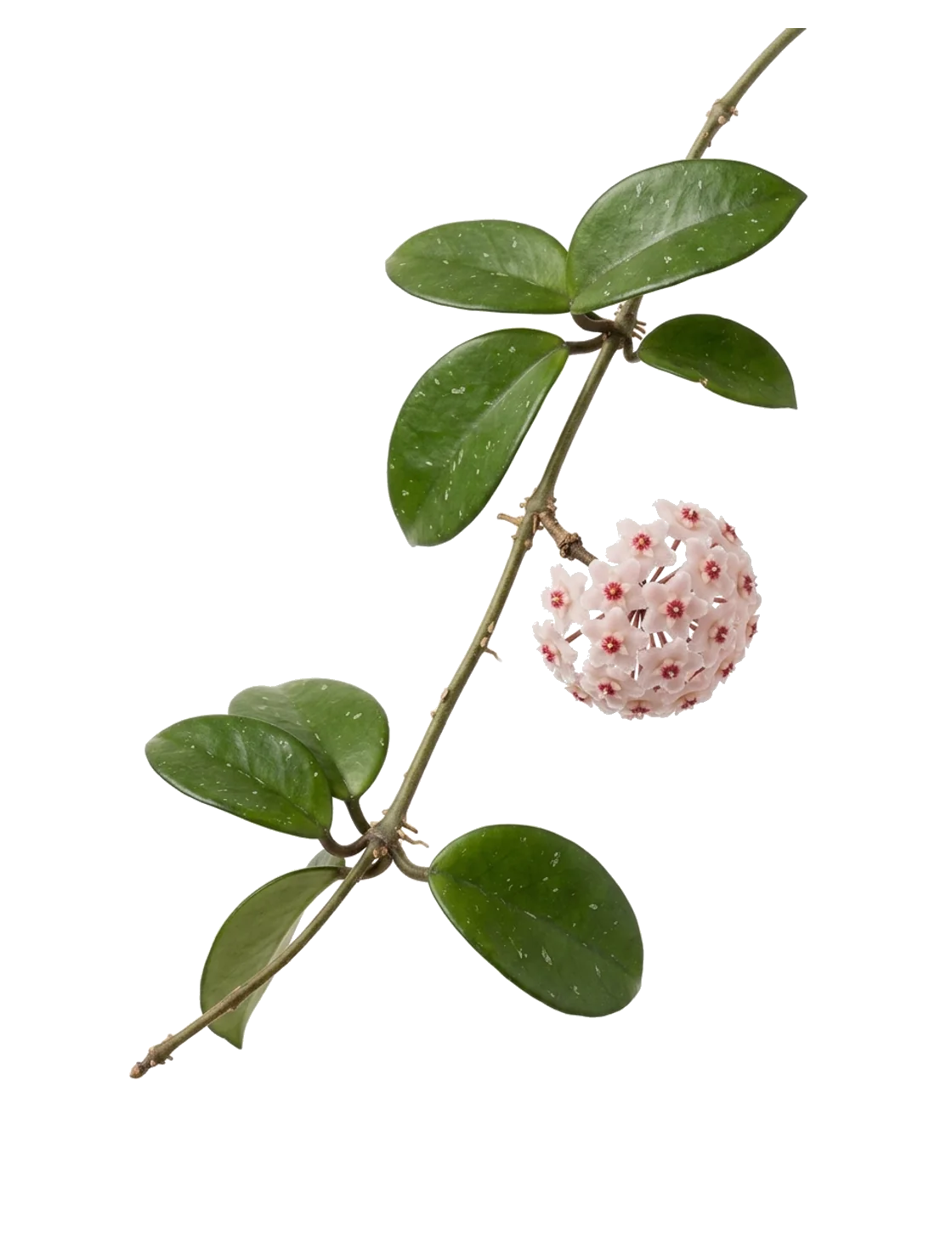
Brazilian jasmine, widely known by gardeners as Mandevilla or Dipladenia, is an evergreen climbing vine native to the warm forests of South America. It is prized above all for its showy trumpet-shaped flowers in vivid shades of pink, red, and white, which bloom continuously against glossy, dark green, leathery leaves.
Often grown in patio containers, hanging baskets, or trained along trellises and railings, this vigorous plant brings an instant tropical feel to warm-weather spaces. While it thrives as a perennial outdoors in frost-free climates, it is frequently kept as a warm-season patio centerpiece or brought indoors as a houseplant before winter arrives.
Cultivating this plant successfully is straightforward as long as it receives abundant sunlight and well-aerated soil. Its tuberous roots store moisture efficiently, meaning it handles brief dry spells far better than soggy potting soil, which quickly leads to root problems. Given warmth and good light, it delivers nonstop blooms throughout the entire season.
Did you know?Despite its delicate appearance, this plant forms thick storage roots that store water and nutrients, helping it withstand short drought periods in nature.
Care. What it needs, point by point.
- Watering
- 2–3× a weekWater moderately once the top 3 to 5 centimeters of soil feel completely dry to the touch. In peak summer heat, it typically needs water two to three times a week, reducing to once every two weeks in winter.
- Light
- ShadePlace it where it receives plenty of bright light and at least several hours of direct morning sun each day. In scorching summer climates, provide light afternoon shade to prevent leaf scorch.
- Temperature
- 18–26 °C ideal temperatureThe optimal temperature range is between 18 °C and 26 °C. It cannot tolerate freezing temperatures and suffers serious damage whenever drops fall below 10 °C.
- Soil
- Use a well-draining potting mix containing peat moss, coconut coir, and perlite to prevent waterlogged soil.
- Fertilizer
- 2 weeks between feedsFeed with a balanced bloom-boosting liquid fertilizer every two weeks during the active spring and summer growing period.
- Pruning
- Prune back straggly stems in late winter or early spring to encourage bushy growth and promote abundant new flowers.
- Propagation
- Propagate by taking semi-hardwood stem cuttings in late spring or early summer. Dip the cut ends in rooting hormone and place them in moist, warm potting medium until roots develop.
Where it grows. In the wild and in homes.
In the wild it grows in Brazil, in a wet tropical climate.
Range: Plants of the World Online, Royal Botanic Gardens, Kew
Is Brazilian jasmine toxic to cats and dogs?
The ASPCA doesn't list this species. If your pet has chewed it and seems unwell, call your vet.
Common problems What tends to go wrong.
- Root rot
- Mealybugs and scale
- Spider mites
- Cold damage
- Too little light





Frequently asked questions What people ask most.
Why are my Brazilian jasmine's leaves turning yellow?
Yellow foliage is most frequently caused by overwatering or compacted soil that retains too much moisture around the roots. Cold drafts and insufficient lighting can also prompt the plant to drop yellow leaves.
How can I encourage more flowers on my Mandevilla?
Ensure the plant receives ample sunlight, ideally 5 to 6 hours of filtered or morning sun per day. Regular feeding with a potassium-rich fertilizer throughout the spring and summer will also maximize flowering.
Can Brazilian jasmine survive the winter outside?
It will not survive freezing temperatures outdoors and must be brought inside before temperatures drop below 10 °C. Place it in a sunny room, curtail watering significantly, and withhold fertilizer until spring.
Does Brazilian jasmine need a trellis?
Yes, providing a trellis, netting, or slender stakes is ideal because its twining stems need physical support to climb upward. You can gently tie the initial vines to guide them along your desired structure.