Star jasmine
Trachelospermum jasminoides
Complete star jasmine care guide: discover watering, light, soil, and pruning tips to enjoy dense foliage and richly scented white blooms all season.
- Light
- Full sun
- Watering
- 1–2×a week
- Temperature
- 15–26 °Cideal temperature
- Pets
- Non-toxic
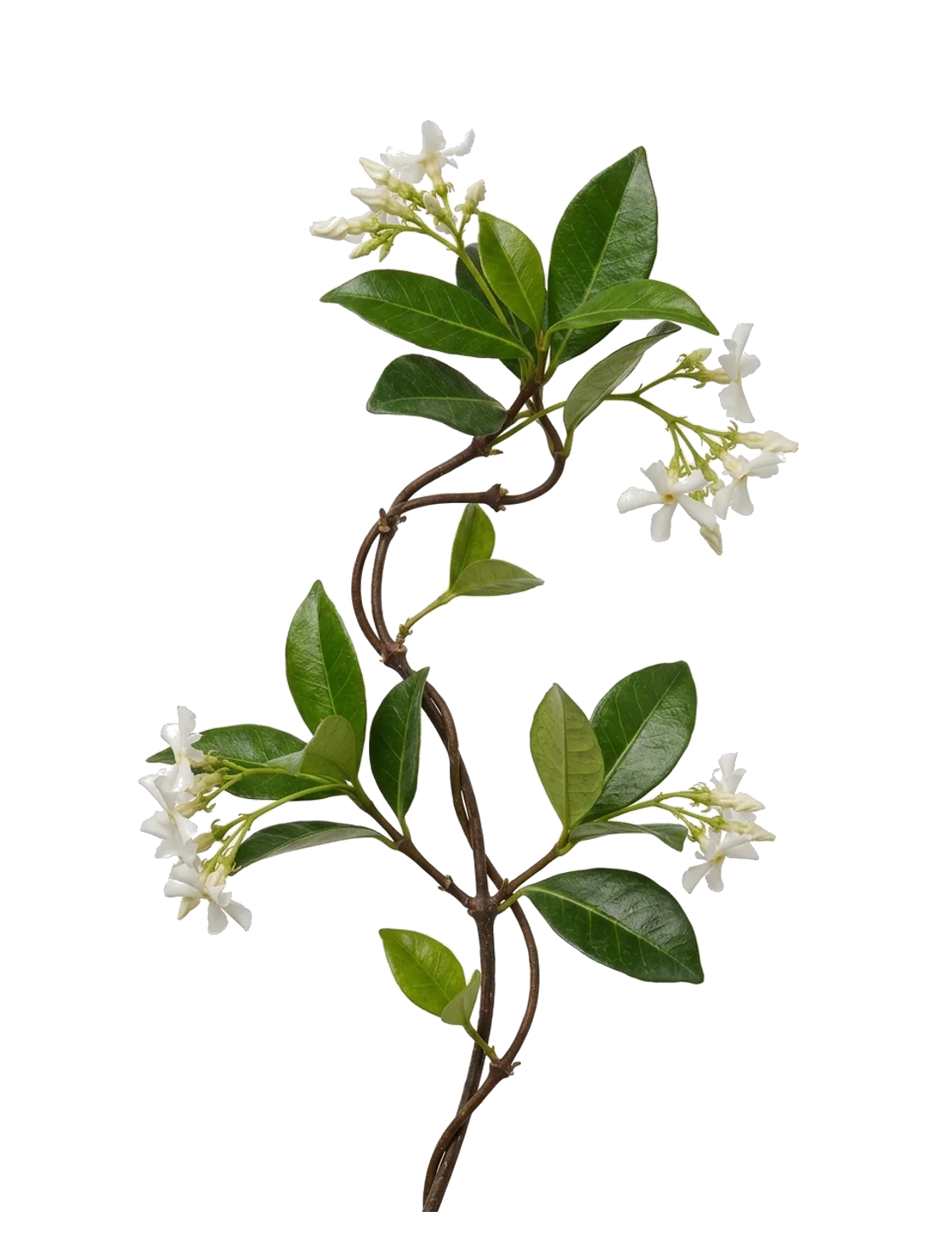
Star jasmine (Trachelospermum jasminoides) is a versatile, woody evergreen climber celebrated for its lush, glossy dark green foliage and intoxicatingly fragrant white blossoms. During late spring and early summer, it produces masses of delicate, pinwheel-shaped flowers that release a sweet, perfume-like scent capable of filling an entire patio or garden.
Despite its common name, star jasmine is not a true jasmine, belonging instead to the Apocynaceae family. It is notably hardier than many true jasmines, retaining its leathery leaves throughout chilly winters, during which the foliage often develops rich bronze or purplish hues. While it may spend its first year establishing root systems with moderate top growth, it takes off vigorously once settled.
Highly adaptable, this twining climber flourishes against walls, fences, trellises, or even as an expansive groundcover on sunny slopes. It tolerates light pruning well, adapts to large planters, and requires relatively little fuss once its roots are anchored, making it a reliable and rewarding choice for gardeners seeking both beauty and fragrance.
Did you know?Despite its name and sweet fragrance, star jasmine belongs to the dogbane family rather than the true jasmine family. Its cut stems exude a milky white sap that helps seal wounds.
Care. What it needs, point by point.
- Watering
- 1–2× a weekWater thoroughly once or twice a week during hot summer periods, easing back to once every ten to fourteen days in winter. Always check that the top two inches of soil have dried before giving it another drink. While established plants tolerate moderate drought, soggy roots quickly lead to root rot.
- Light
- Full sunIt flourishes best in full sun, which encourages maximum flower production and fragrance. It also tolerates partial shade well, although flowering may be slightly lighter.
- Temperature
- 15–26 °C ideal temperatureThe optimal temperature range is between 15 °C and 26 °C. Established vines can withstand brief cold snaps down to -10 °C, but potted specimens need shelter from hard freezes.
- Soil
- Provide a rich, loamy potting mix with exceptional drainage to prevent standing moisture around the roots. Adding perlite, coarse sand, or pumice ensures healthy root aeration in containers and garden beds alike.
- Fertilizer
- 3–4 weeks between feedsFeed every three to four weeks from early spring through late summer using a balanced flowering plant fertilizer. Cease feeding in autumn to let the plant rest through winter.
- Pruning
- Prune in late winter or immediately after flowering to tidy stray shoots and maintain desired shape. Trimming wayward stems also stimulates branching and yields denser foliage.
- Propagation
- Propagate star jasmine by taking semi-hardwood cuttings in late summer and rooting them in moist, well-draining compost. Layering low-growing stems directly into the ground is another reliable method.
Where it grows. In the wild and in homes.
In the wild it grows in China, East Asia, and Indochina, in a subtropical climate.
People have also taken it to 3 more regions where it now grows on its own: the southeastern U.S..
Range: Plants of the World Online, Royal Botanic Gardens, Kew
Is Star jasmine toxic to cats and dogs?
Non-toxic to cats and dogs.

Cats
Non-toxic

Dogs
Non-toxic
Source · ASPCA Animal Poison Control
Common problems What tends to go wrong.
- Mealybugs and scale
- Spider mites
- Root rot
- Iron chlorosis
- Cold damage




Frequently asked questions What people ask most.
Why are my star jasmine leaves turning red or bronze in winter?
This is a natural physiological reaction to cooler temperatures and sunlight shifts during the winter months. As temperatures warm in spring, the leaves will readily turn back to their characteristic glossy green.
Why isn't my star jasmine blooming?
Insufficient sunlight is the most frequent cause, as the plant needs several hours of direct light to set buds. Excess nitrogen fertilizer can also lead to lush foliage at the expense of fragrant flowers.
Does star jasmine need a trellis to climb?
Yes, star jasmine twines around supports rather than adhering to bare walls with suckers or aerial roots. Providing a sturdy trellis, wire framework, or pergola will help it establish a neat vertical structure.
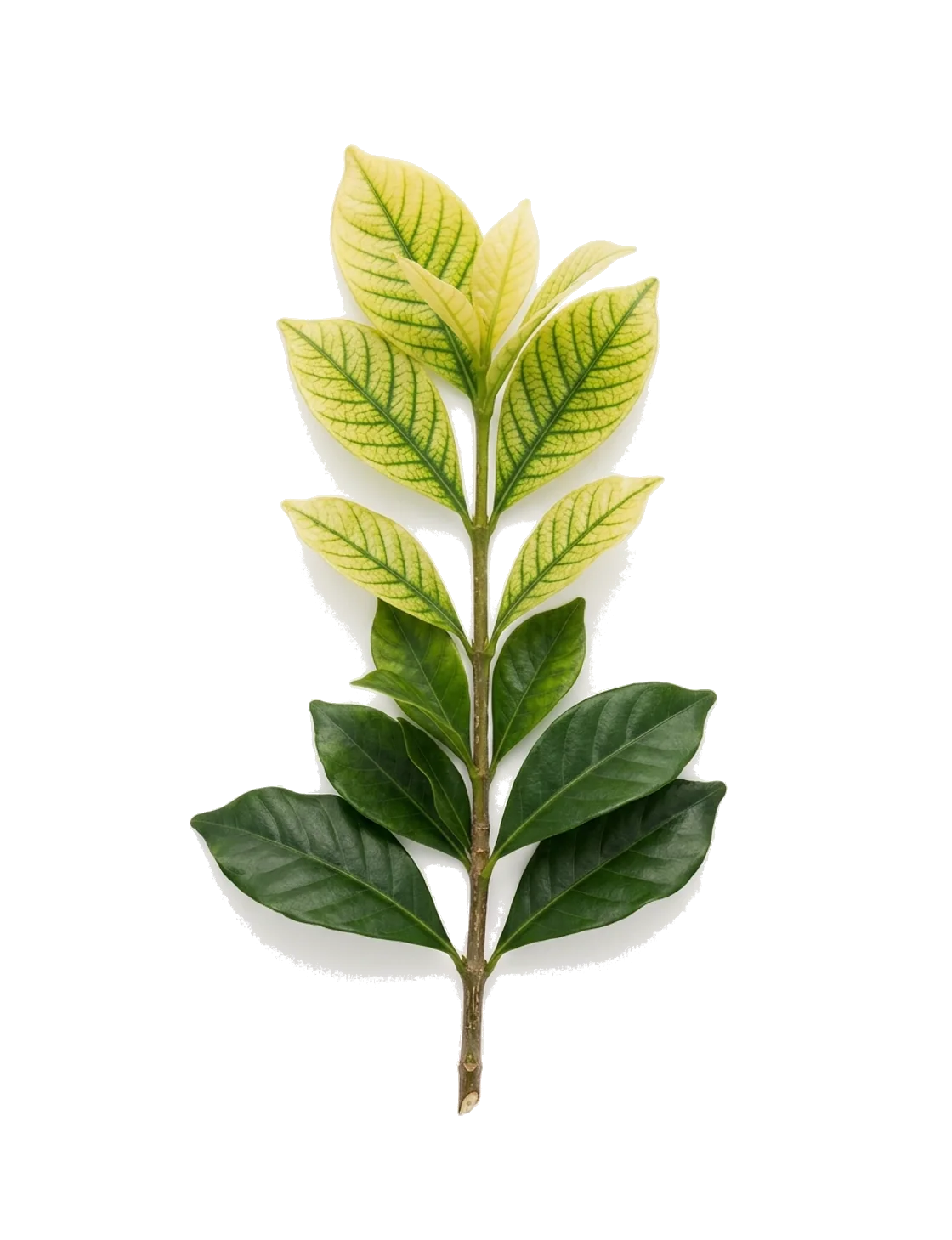
Why are the leaves turning yellow and dropping?
Yellowing leaves most commonly point to overwatering or poorly draining soil that suffocates the roots. Allow the topsoil to dry between waterings and ensure the container or planting site drains water freely.