Velvet cardboard anthurium
Anthurium clarinervium
Velvet cardboard anthurium: care guide with airy mix, bright light and measured watering for stiff white-veined leaves indoors all year.
- Light
- Indirect
- Temperature
- 18–26 °Cideal temperature
- Toxicity
- Non-toxic
- Difficulty
- Medium
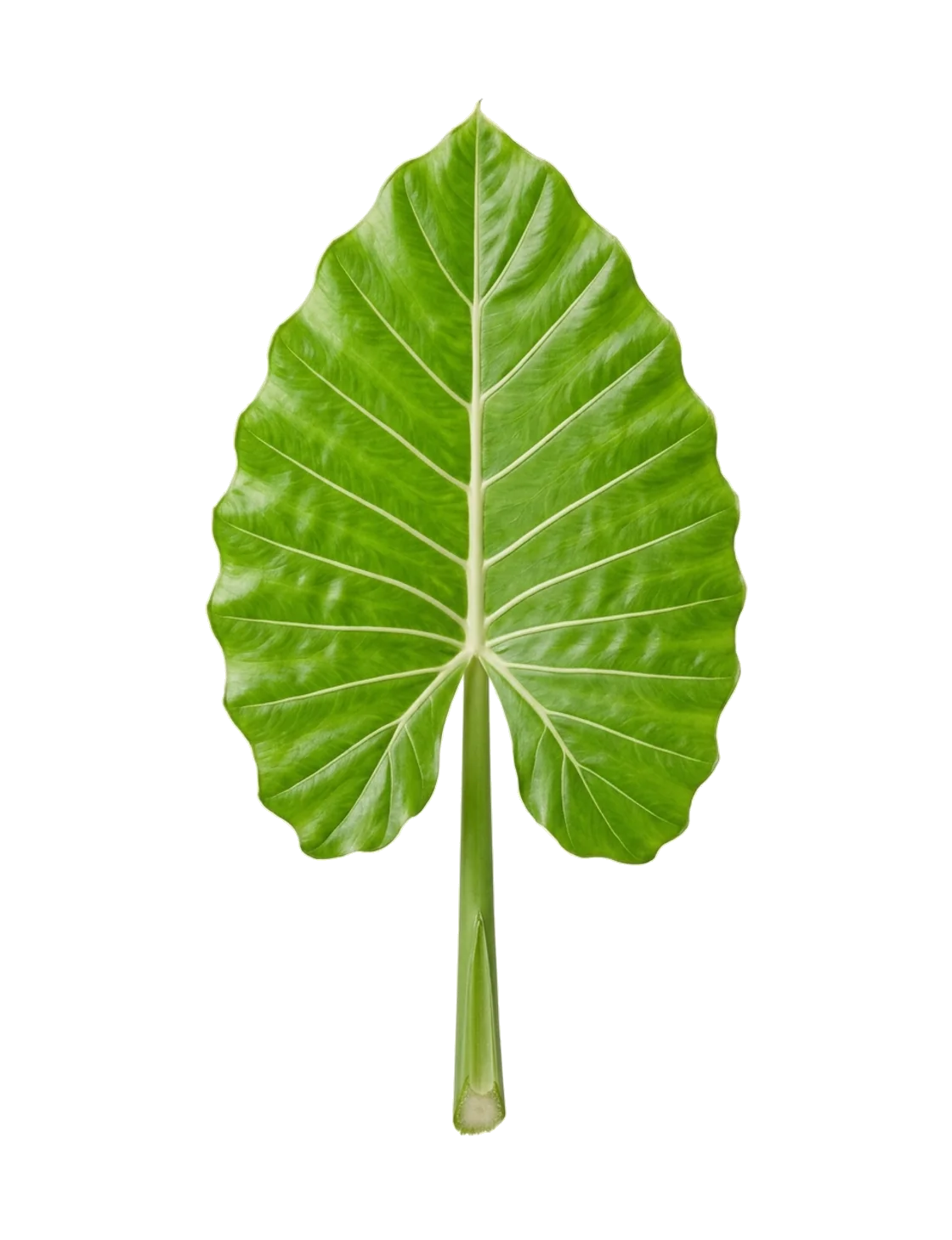
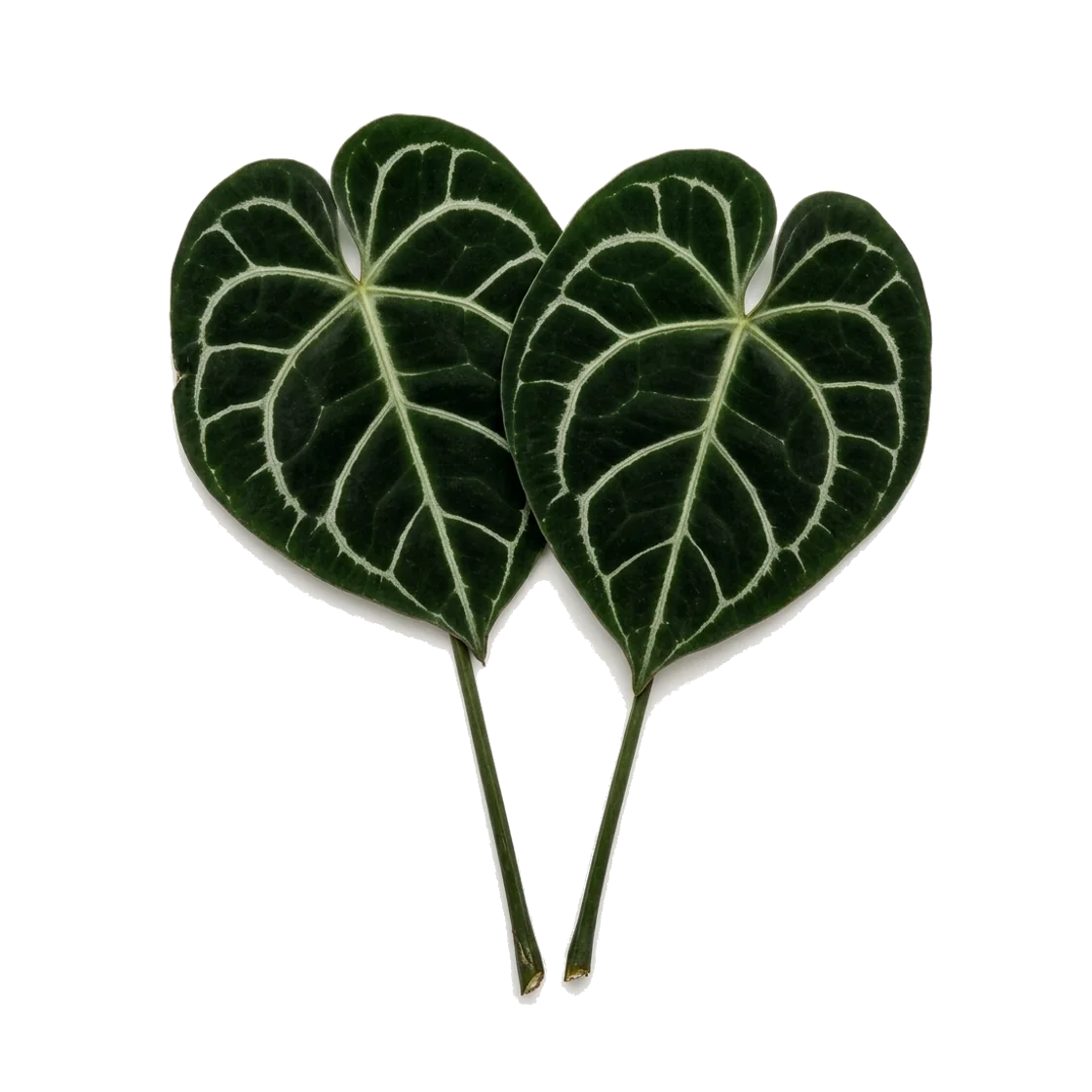
The velvet cardboard anthurium (Anthurium clarinervium) is an epiphytic plant in the Araceae family, admired for its stiff, heart-shaped leaves with bold white veins on dark green. Native to limestone outcrops in the forests of Chiapas in southern Mexico, it anchors onto rocks and crevices rather than deep soil. Its slow growth and sculptural foliage have made it one of the most sought-after foliage anthuriums.
Indoors it needs bright light without direct sun, mild temperatures between 18 and 26 °C and moderate humidity around 50 %. The key lies in the substrate: a very airy, bark-based mix that dries on the surface between waterings, echoing its life on rocks. Watering is measured rather than generous, and the pot must drain completely every time.
It is a calm, long-lived plant that may take years to reach a generous size, so buy the size you want to enjoy. Flowering is modest, with a pale spadix of little ornamental value beside the leaves. With restraint in watering and a suitable chunky mix, it thrives for decades on a bright shelf.
Did you know?Its thick, almost cardboard-like leaves store water, an adaptation to the limestone rocks where it grows wild.
Care. What it needs, point by point.
- Watering
- Water when the top 2 to 3 cm of the mix feel dry, soaking evenly and draining fully. In winter, let it dry a little deeper, since cold plus wet soil quickly rots the roots. Always empty the saucer after watering.
- Light
- IndirectIt wants bright, indirect light all year, such as near a bright window with a sheer curtain. Direct sun bleaches the thick leaves, while dark corners stall its already slow growth.
- Temperature
- 18–26 °C ideal temperatureIt grows best between 18 and 26 °C and dislikes cold below about 14 °C. Shelter it from cold drafts and sudden chills near glass in winter.
- Soil
- Use a chunky, epiphytic mix with pine bark, perlite and a little coco coir or peat. The fleshy roots need abundant air and must never sit in dense, soggy soil.
- Fertilizer
- Feed lightly with a half-strength balanced fertilizer once a month in spring and summer. Skip feeding in autumn and winter, when this slow species barely grows.
- Pruning
- It needs no pruning beyond removing old yellow leaves at the base of the petiole. Wipe the stiff blades with a damp cloth so the vein pattern stays visible.
- Propagation
- Mature plants can be divided at repotting, separating a rooted crown with leaves. It also grows from seed, but home propagation is slow and germination takes weeks in steady warmth.
Where it grows. In the wild and in homes.
In the wild it grows in Mexico, in a seasonally dry tropical climate.
Range: Plants of the World Online, Royal Botanic Gardens, Kew
Is Velvet cardboard anthurium toxic to cats and dogs?
The ASPCA doesn't list this species. If your pet has chewed it and seems unwell, call your vet.
Common problems What tends to go wrong.
- Overwatering
- Root rot
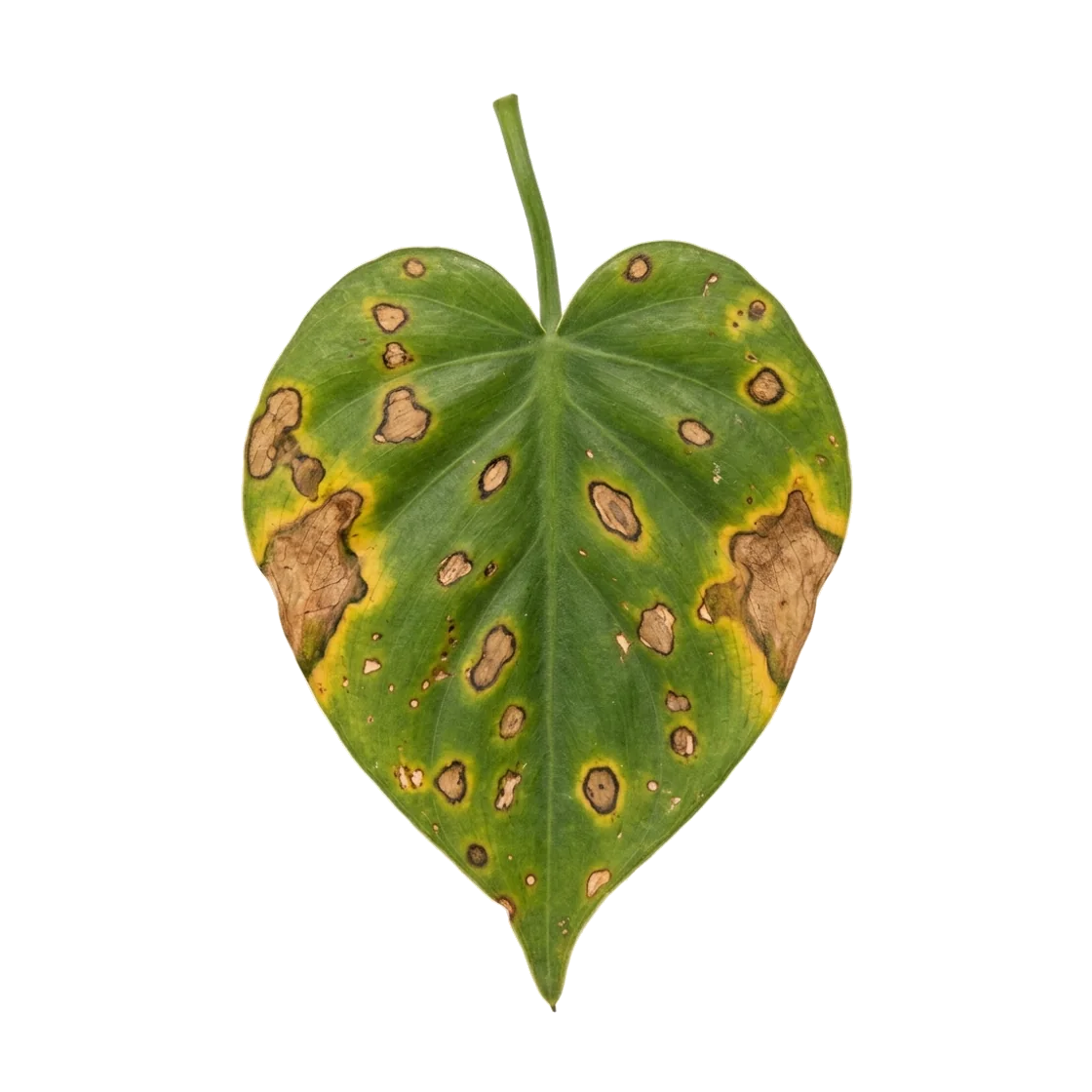
- Fungal or bacterial leaf spots
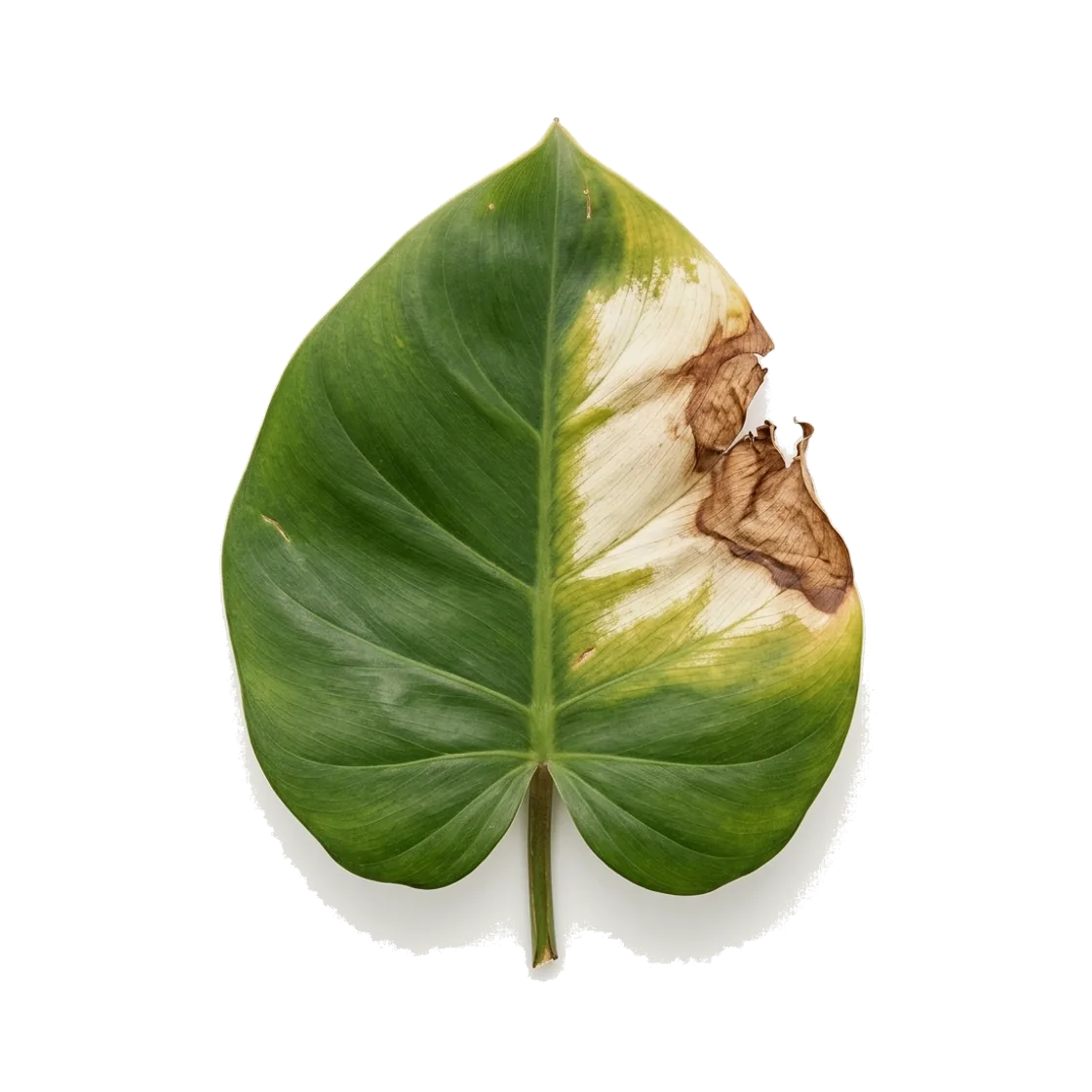
- Sunburn


Frequently asked questions What people ask most.
How often should I water it?
Water when the top 2 to 3 cm of the mix are dry, usually weekly in summer and every 10 to 14 days in winter. Pour evenly until water drains, then empty the saucer completely. Yellow, soft lower leaves usually mean it is staying too wet.
Why are the leaves losing their stiffness or yellowing?
Soft or yellowing leaves most often point to excess water and dense soil around the roots. Check that the mix is chunky and the pot drains freely, then space waterings out. A single old leaf yellowing occasionally is natural renewal.
What soil does it need?
A very airy, bark-based mix similar to an orchid blend, with pine bark, perlite and a little coco coir. Ordinary universal soil stays too wet and suffocates the fleshy roots. Repot only when roots fill the pot, keeping the same shallow planting depth.
Why is my plant not growing?
This species is genuinely slow: two or three leaves per year is a good result in homes. Check that it receives bright indirect light and warmth between 18 and 26 °C. Patience matters more than extra fertilizer, which will not force it.
Brown spots on the leaves: what should I do?
Brown spots often come from direct sun, cold water left on the leaves or fungal spots in stagnant air. Move it out of harsh sun, water at the base and ventilate the room gently. Remove badly affected leaves only if the damage keeps spreading.