Sweetheart hoya
Hoya kerrii
Sweetheart hoya (Hoya kerrii): complete guide to watering, light and flowering of the heart-leaf climbing houseplant from Asia. Growing tips.
- Watering
- 10–14days between waterings
- Temperature
- 18–28 °Cideal temperature
- Pets
- Non-toxic
- Difficulty
- Easy
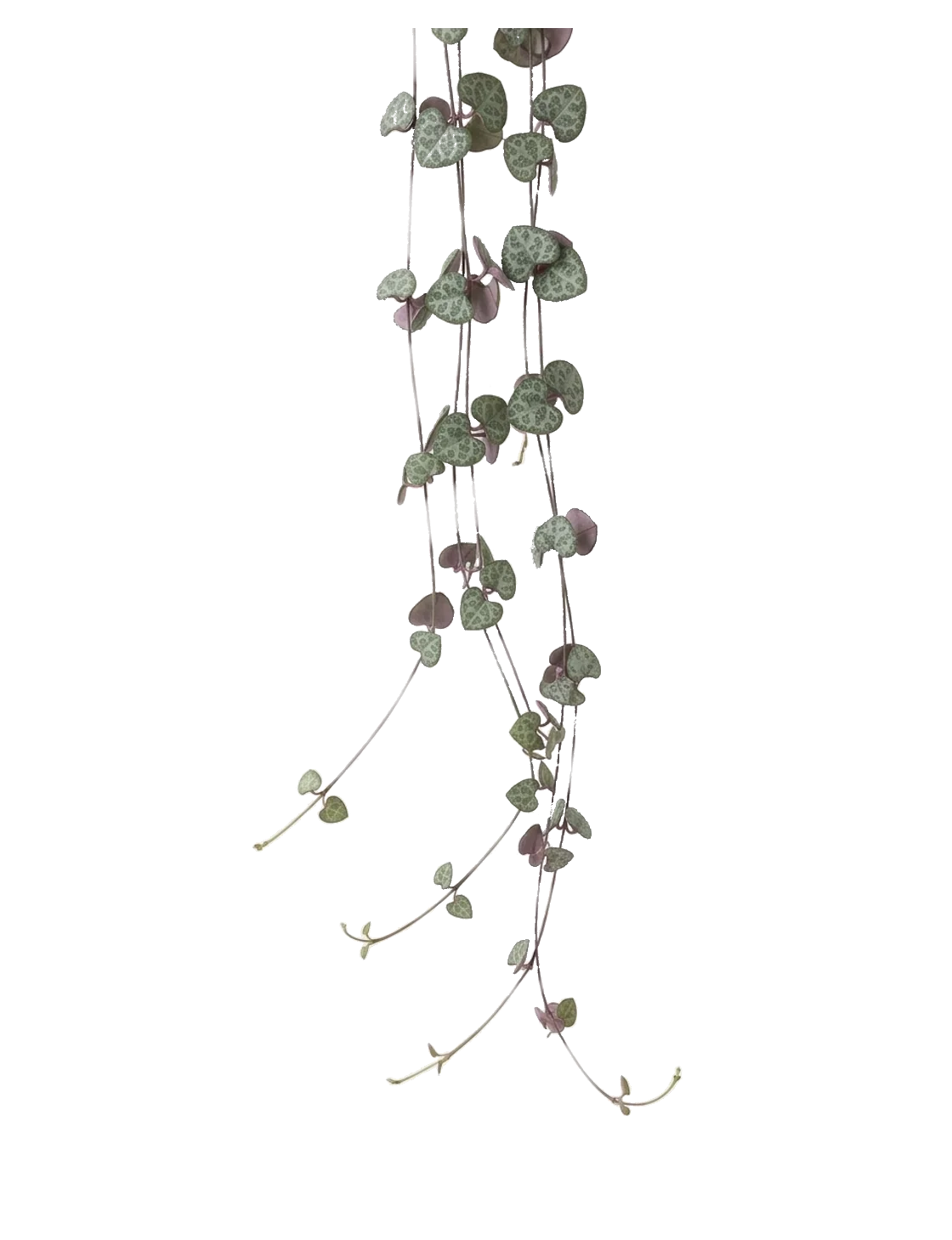
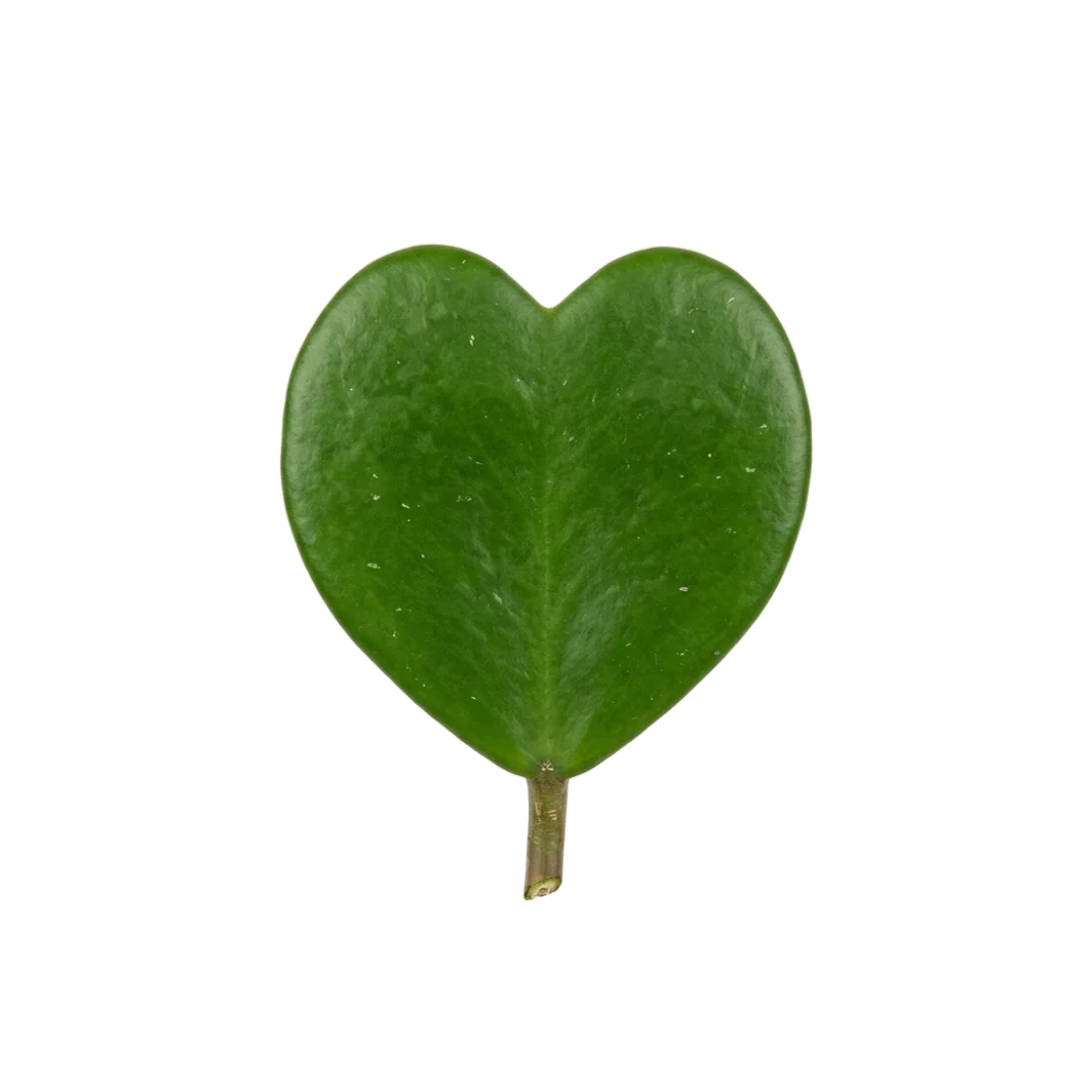
The sweetheart hoya (Hoya kerrii) is a climbing plant from the tropical forests of Southeast Asia, instantly recognisable by its thick, heart-shaped leaves. It is often sold as a single rooted leaf for romantic occasions, although the plant only develops into a vine when the cutting includes a stem node. Given patience it produces long twining stems that can be trained up a trellis or left to trail.
Its succulent-like leaves store water, so this hoya prefers a good drying-out between waterings over any fixed schedule. The roots are fine and few, which means a small pot and a very airy mix suit it far better than a large container of dense compost. Bright light is the other key: with enough brightness the leaves stay firm and deep green, and mature plants reward their owners with porcelain-like flower clusters.
It is a slow but undemanding plant that dislikes change, so pick a good spot and leave it there. Water less in winter, keep the foliage dry, and resist repotting until the roots truly fill the pot. Treated this way, a sweetheart hoya can live for decades and flower more generously each year.
Did you know?Mature vines can produce clusters of waxy, star-shaped flowers with a sweet scent in warm evenings.
Care. What it needs, point by point.
- Watering
- 10–14 days between wateringsLet the mix dry out well between waterings; indoors that is usually every 10 to 14 days, a little more often in hot summers. The thick leaves wrinkle slightly when the plant is genuinely thirsty.
- Light
- It loves bright light and even enjoys a few hours of gentle morning or evening sun. In dim spots it survives but hardly grows or flowers.
- Temperature
- 18–28 °C ideal temperatureIt grows best between 18 and 28 °C and dislikes cold: keep it above 15 °C in winter. Avoid cold draughts and sudden moves while buds are forming.
- Soil
- Use a very airy, fast-draining mix, such as orchid bark blended with universal compost and perlite, in a pot with generous drainage holes.
- Fertilizer
- Feed lightly with a balanced liquid fertiliser once a month in spring and summer. Too much feeding produces soft growth with fewer flowers.
- Pruning
- Pruning is rarely needed; just shorten overlong vines in spring if they outgrow their support. Never cut off the bare flower spurs, since they bloom again.
- Propagation
- Root stem sections with at least one node and a pair of leaves in water or moist mix in spring. Single rooted leaves sold on their own almost never develop into a plant.
Where it grows. In the wild and in homes.
In the wild it grows in Indochina and Malesia, in a wet tropical climate.
People have also taken it to one more region where it now grows on its own: China.
Range: Plants of the World Online, Royal Botanic Gardens, Kew
Is Sweetheart hoya toxic to cats and dogs?
Non-toxic to cats and dogs.

Cats
Non-toxic

Dogs
Non-toxic
Source · ASPCA Animal Poison Control
Common problems What tends to go wrong.
- Overwatering
- Root rot
- Mealybugs and scale
- Too little light




Frequently asked questions What people ask most.
How often should I water a sweetheart hoya?
Water only when the mix has dried out well, roughly every 10 to 14 days indoors. The leaves turn slightly soft or wrinkled when thirsty, which is a safer guide than any calendar.
My single heart leaf never grows. Why?
Single leaves rooted without a stem node usually stay exactly as they are for years. Only cuttings that include a node can sprout a vine, so buy a plant with visible stem growth if you want it to develop.
Why is my hoya not flowering?
Flowering needs maturity, bright light and a settled plant that is rarely moved or repotted. Give it plenty of brightness, feed lightly in summer, and leave the bare flower spurs alone so they can rebloom.
Why are the leaves yellowing or dropping?
Yellow, falling leaves most often signal overwatering or cold draughts around the roots. Let the mix dry thoroughly, check the drainage, and keep winter temperatures above 15 °C.
How do I propagate Hoya kerrii?
Take stem cuttings with at least one node and a pair of leaves in spring, and root them in water or a bark-based mix kept warm. Rooting is slow, so allow several weeks before judging the result.