Spider plant
Chlorophytum comosum
Learn how to care for your spider plant with expert advice on watering routines, light requirements, propagation tips, and brown tip prevention.
- Light
- Indirect
- Watering
- 10–14days between waterings
- Temperature
- 15–24 °Cideal temperature
- Pets
- Non-toxic
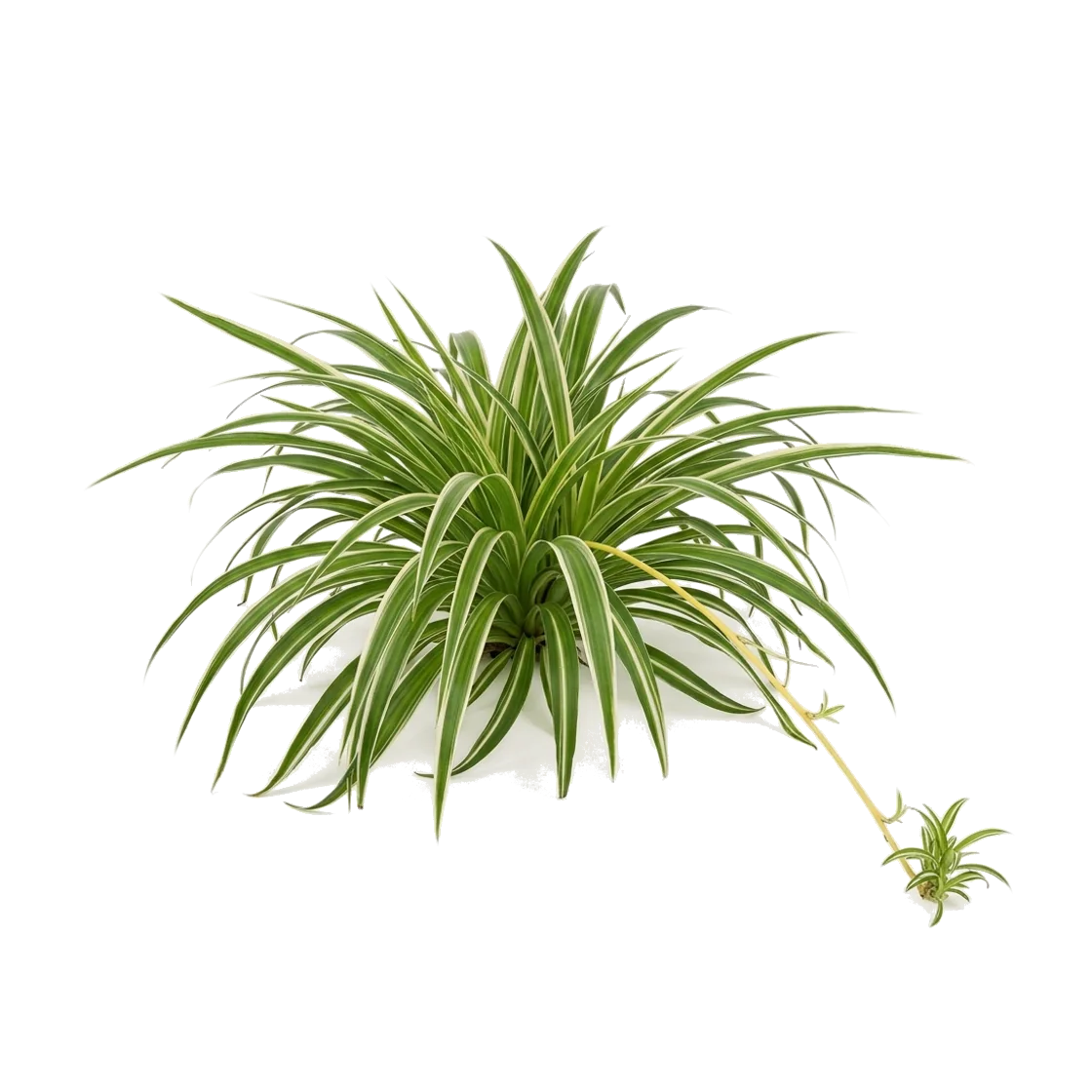
The spider plant is one of the most recognizable and enduring houseplants across the globe. It forms an attractive fountain-like rosette of slender, arching leaves that typically boast a creamy white or pale yellow center bordered by rich green margins. This robust growth habit allows it to quickly fill containers and create lush displays on tabletops or plant stands.
Native to southern Africa, it naturally thrives under forest canopies, which explains its strong preference for bright, dappled light and comfortable room temperatures. As the plant matures, it sends out long, wiry stems bearing tiny star-shaped white blooms, quickly followed by miniature plantlets. These dangling 'spiderettes' create a striking cascade that makes the species an all-time favorite for hanging baskets.
Renowned for its resilience, the spider plant forgives occasional under-watering thanks to its thick, tuberous roots that store generous moisture reserves. It bounces back quickly from stress, adapts readily to typical home environments, and propagates with remarkable ease, making it a classic choice for both beginners and experienced collectors.
Did you know?Its common name comes from the spiderettes, which dangle on long runners resembling small spiders suspended from a web.
Care. What it needs, point by point.
- Watering
- 10–14 days between wateringsWater thoroughly once the top half of the soil feels dry, typically every week in summer and every ten to fourteen days in winter. Its fleshy roots store plenty of water, so it tolerates dry soil far better than waterlogged conditions.
- Light
- IndirectProvide bright, indirect sunlight to preserve vibrant foliage variegation and encourage vigorous growth. Keep it shielded from intense direct afternoon sun, which scorches the tender leaves.
- Temperature
- 15–24 °C ideal temperatureAverage room temperatures between 15 °C and 24 °C are ideal for consistent growth. Protect the plant from cold drafts and air conditioning, ensuring temperatures stay above 8 °C.
- Soil
- A well-aerated, peat- or coco-based potting mix amended with perlite ensures free drainage while holding light moisture. Make sure the container has clear drainage holes.
- Fertilizer
- Feed with a balanced liquid houseplant fertilizer diluted to half-strength once a month during spring and summer. Stop feeding entirely during fall and winter.
- Pruning
- Trim off yellowing or dried leaves at the base using sanitized shears to keep the clump neat. You can also snip off excess runners if you want the plant to focus its energy on foliage.
- Propagation
- Snip off mature spiderettes that have developed small root nubs at their base. Root them in water for a couple of weeks or pot them straight into moist soil.
Where it grows. In the wild and in homes.
In the wild it grows in Africa, in a seasonally dry tropical climate.
People have also taken it to 21 more regions where it now grows on its own: Africa, Australasia, tropical Asia, and South and Central America and the Caribbean.
Range: Plants of the World Online, Royal Botanic Gardens, Kew
Is Spider plant toxic to cats and dogs?
Non-toxic to cats and dogs.

Cats
Non-toxic

Dogs
Non-toxic
Source · ASPCA Animal Poison Control
Gallery As the community sees it.
Photo · Juan Carlos Fonseca Mata · CC BY-SA 4.0
Common problems What tends to go wrong.
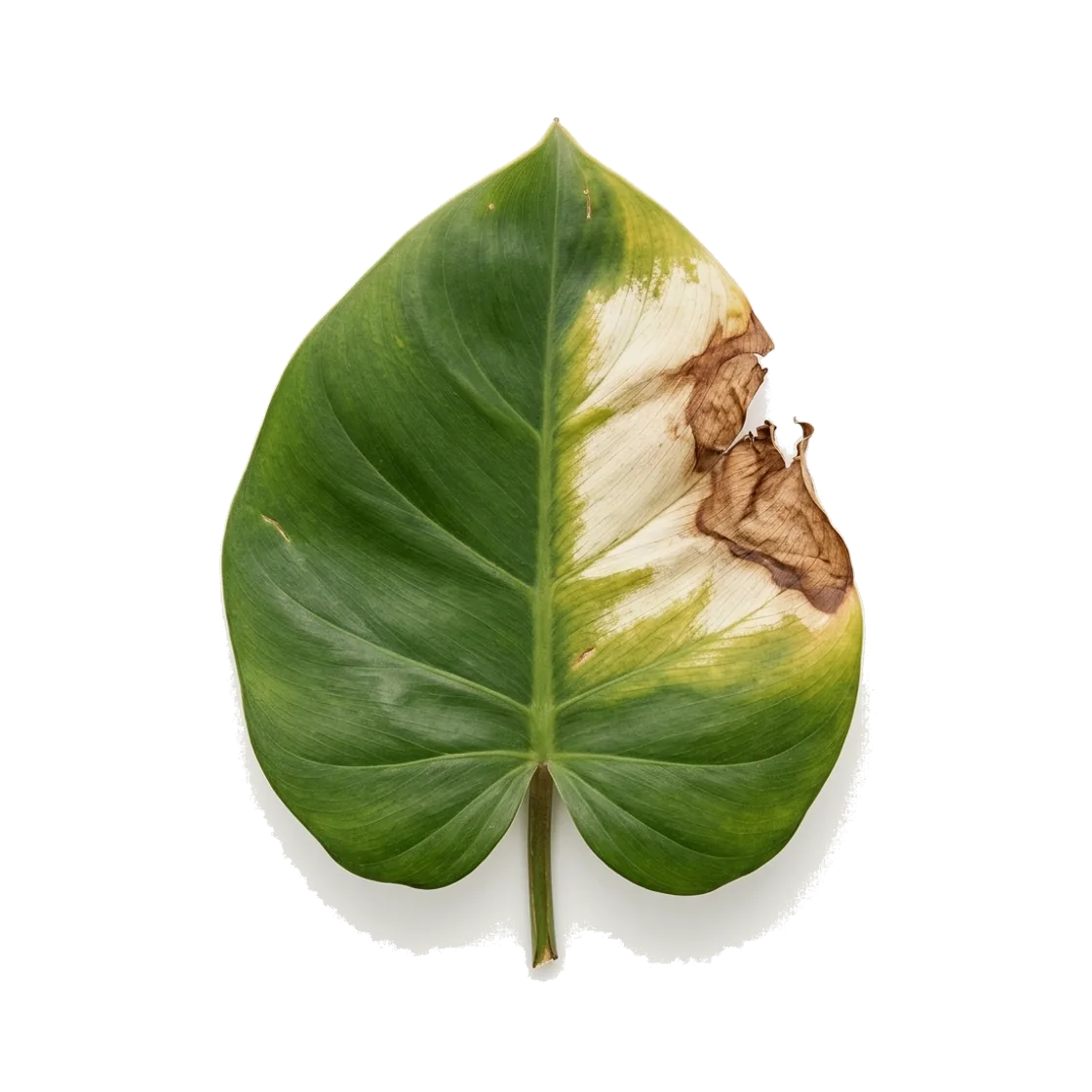
- Root rot
- Sunburn
- Overwatering
- Dry air
- Salt or fertiliser build-up



Frequently asked questions What people ask most.
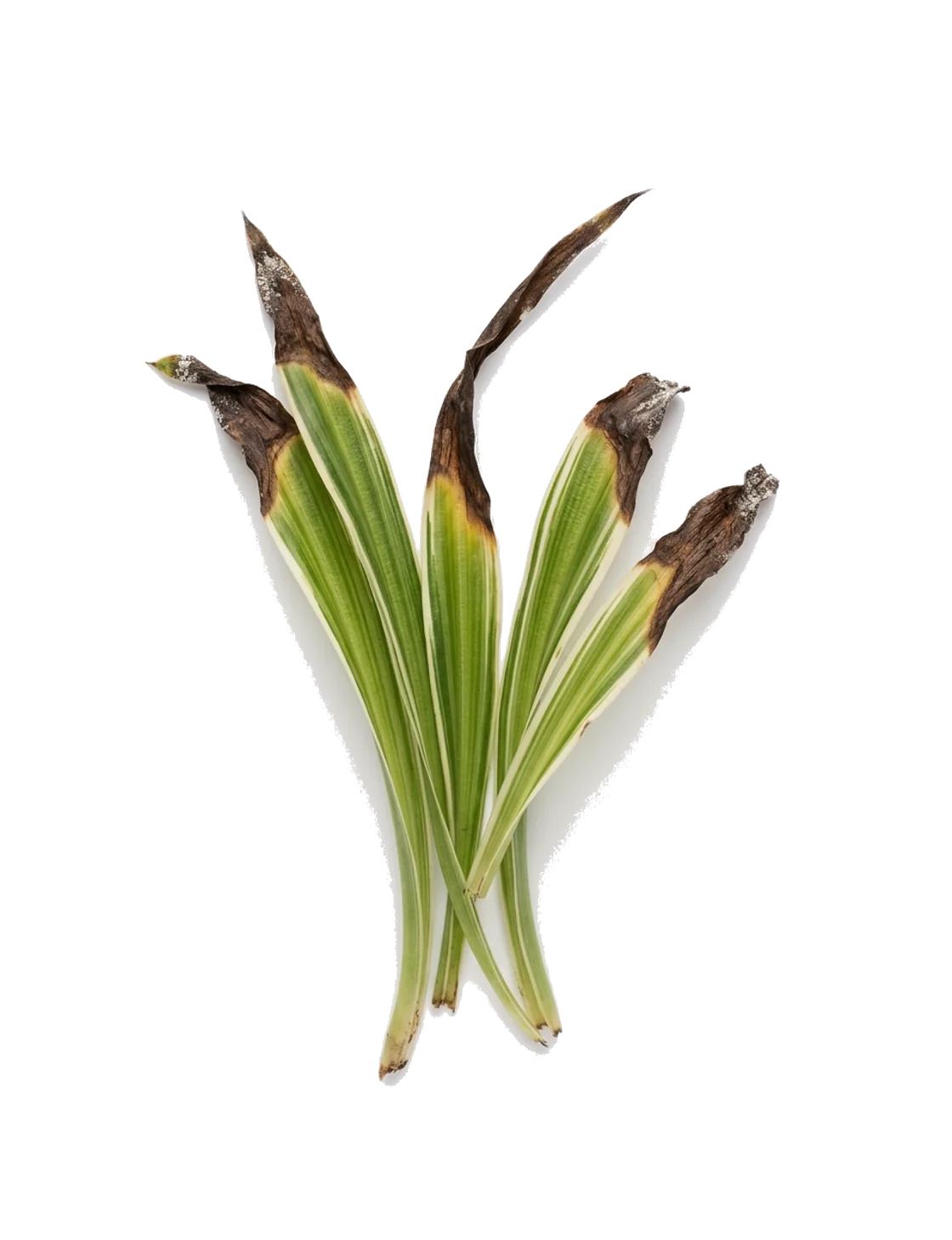
Why are the tips of the leaves turning brown?
Brown tips are commonly caused by fluoride, chlorine, or mineral salts in tap water, as well as dry indoor air. Using filtered water and avoiding over-fertilization usually stops new tips from browning.
Why is my spider plant losing its variegation?
When the plant does not receive enough indirect light, it produces extra chlorophyll to survive, turning entirely green. Relocating it to a brighter spot will encourage new variegated leaves.
How often should I repot a spider plant?
Repot in spring every one to two years when the vigorous tuberous roots start cracking plastic pots or emerging from the bottom. Choose a pot only slightly larger, as spider plants bloom better when slightly root-bound.
What causes pale, limp, and drooping leaves?
Limp leaves can indicate either underwatering or root rot caused by chronic overwatering. Check the soil: if it is bone dry, give it a deep drink; if it is soggy, inspect the roots for decay and let it dry out.