Asparagus fern
Asparagus setaceus
Asparagus fern (Asparagus setaceus): complete guide to watering, light and propagation of the feathery climbing plant for homes. Home growing tips.
- Light
- Indirect
- Temperature
- 15–25 °Cideal temperature
- Toxicity
- Non-toxic
- Difficulty
- Medium
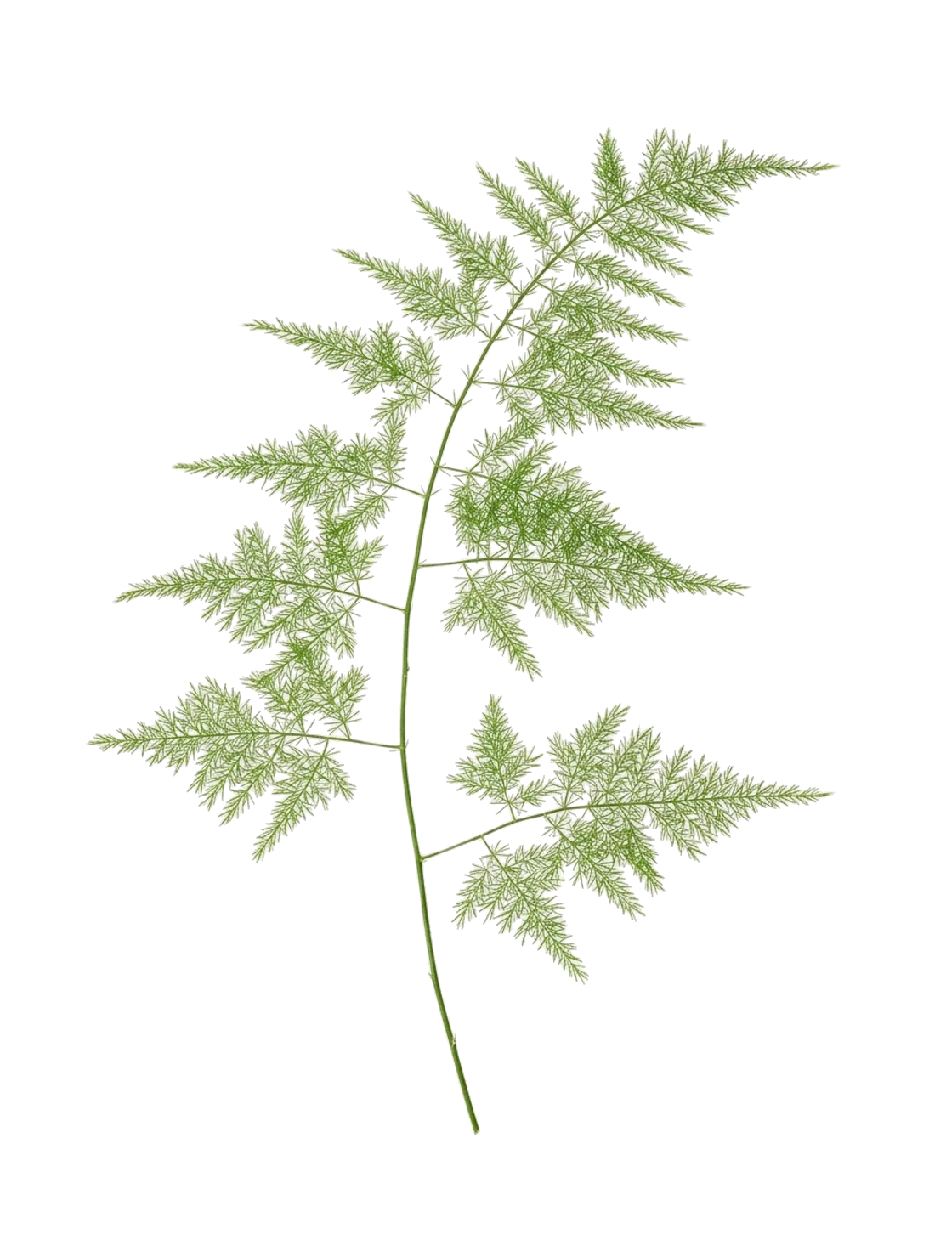
The asparagus fern (Asparagus setaceus) is a scrambling climber from South Africa, loved for its clouds of feathery, emerald-green foliage. What look like soft leaves are in fact tiny flattened stems called cladodes, arranged in delicate layered sprays. It is an airy, graceful plant that softens shelves and hanging baskets, and climbs readily if given a small support.
Despite the fern nickname it is no fern at all but a relative of the vegetable asparagus, with tuberous roots that store water. That reserve helps it survive a missed watering, yet it looks its best with steady, even moisture and decent humidity. Dry air and forgotten watering show quickly as yellowing sprays and a shower of fallen needles, which is the most common complaint about this plant.
Given bright indirect light, regular water and an occasional trim, it stays fresh and dense for years. It dislikes cold draughts and hot, dry radiators in equal measure, so a bright bathroom or a grouped plant corner suits it well. Repot in spring when the tuberous roots fill the pot, and divide the root ball then to raise new plants.
Did you know?What look like leaves are actually flattened green stems, and mature plants can scramble several metres with tiny thorns.
Care. What it needs, point by point.
- Watering
- Keep the mix lightly and evenly moist in the growing season, watering when the surface starts to dry. In winter, water less and let the top layer dry out between waterings.
- Light
- IndirectIt prefers bright, indirect light and enjoys a little gentle morning sun. Deep shade makes it sparse and pale, while harsh midday sun yellows the cladodes.
- Temperature
- 15–25 °C ideal temperatureIt grows best between 15 and 25 °C and dislikes both frost and scorching heat. Keep it above 10 °C in winter and away from hot radiators.
- Soil
- Use a fertile, well-drained universal mix with perlite or coarse sand, in a pot with drainage holes. It flowers and fruits best when slightly pot-bound.
- Fertilizer
- 2–3 weeks between feedsFeed with a balanced liquid fertiliser at half strength every two to three weeks in spring and summer. Stop feeding in autumn and winter.
- Pruning
- Cut back straggly or yellowing stems in spring to keep the plant airy and fresh. Wear gloves, since the tiny stems can irritate sensitive skin.
- Propagation
- Divide the tuberous root ball in spring, making sure each piece keeps shoots and roots. Growing from seed is possible but very slow indoors.
Where it grows. In the wild and in homes.
In the wild it grows in Africa, in a seasonally dry tropical climate.
People have also taken it to 47 more regions where it now grows on its own: South and Central America and the Caribbean, North America, the Pacific, and Africa.
Range: Plants of the World Online, Royal Botanic Gardens, Kew
Is Asparagus fern toxic to cats and dogs?
The ASPCA doesn't list this species. If your pet has chewed it and seems unwell, call your vet.
Common problems What tends to go wrong.
- Dry air
- Spider mites
- Underwatering
- Mealybugs and scale


Frequently asked questions What people ask most.
How often should I water an asparagus fern?
In spring and summer, water when the surface starts to dry so the mix stays lightly moist. In winter, ease off and let the top layer dry out; tuberous roots store water, but constant sogginess rots them.
Why is it turning yellow and dropping needles?
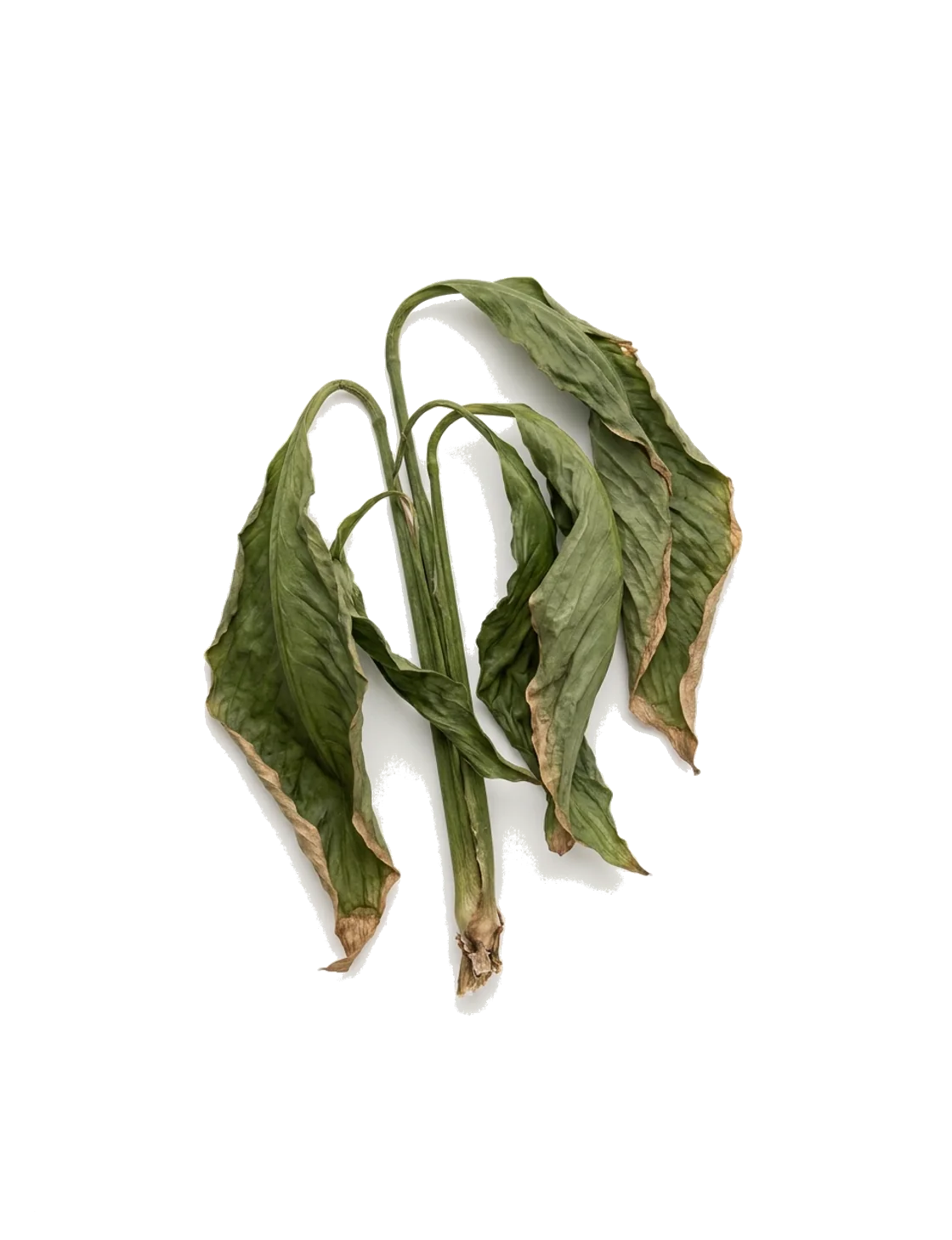
Yellowing and needle drop usually mean dry air, underwatering or a hot radiator nearby. Water more evenly, move it away from heat sources, and raise humidity by grouping plants or misting.
Does it need a lot of light?
Bright, indirect light is ideal, with a little gentle morning sun welcome. In deep shade the sprays grow sparse and pale, while harsh midday sun scorches the delicate cladodes.
How do I propagate Asparagus setaceus?
Divide the tuberous root ball in spring, ensuring each division keeps shoots and a good share of roots. Pot the pieces separately, water lightly, and keep them sheltered until new growth appears.
Why are the stems growing very long and bare?
Long, bare stems are its natural scrambling habit searching for support or light. Either provide a small trellis to climb or trim the wanderers back in spring for a denser plant.