Foxtail agave
Agave attenuata
Learn how to care for the foxtail agave: watering tips, sunlight needs, soil requirements, and propagation advice for a stunning spineless succulent.
- Light
- 6 hof direct sun
- Watering
- 2weeks between waterings
- Temperature
- 18–28 °Cideal temperature
- Toxicity
- Non-toxic
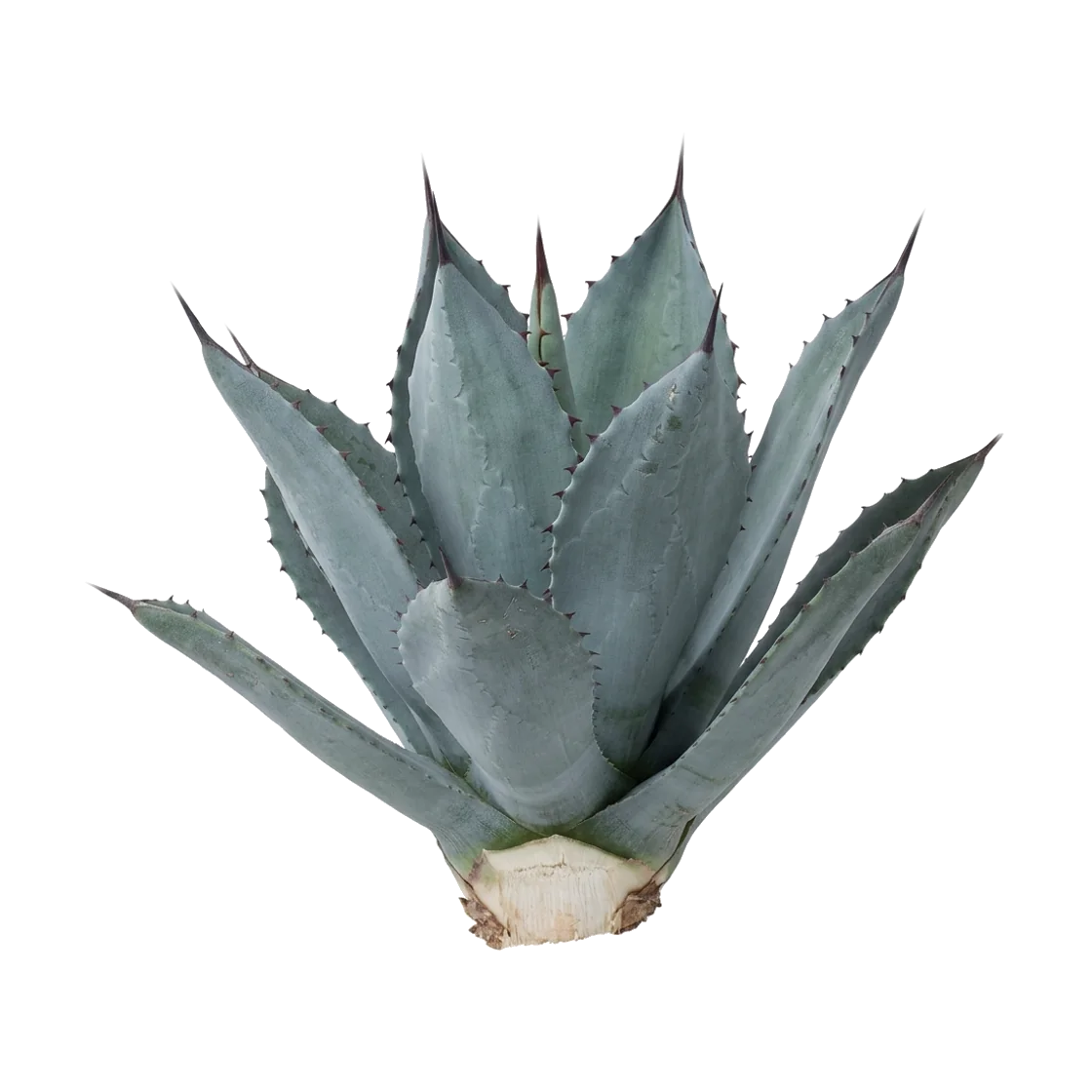
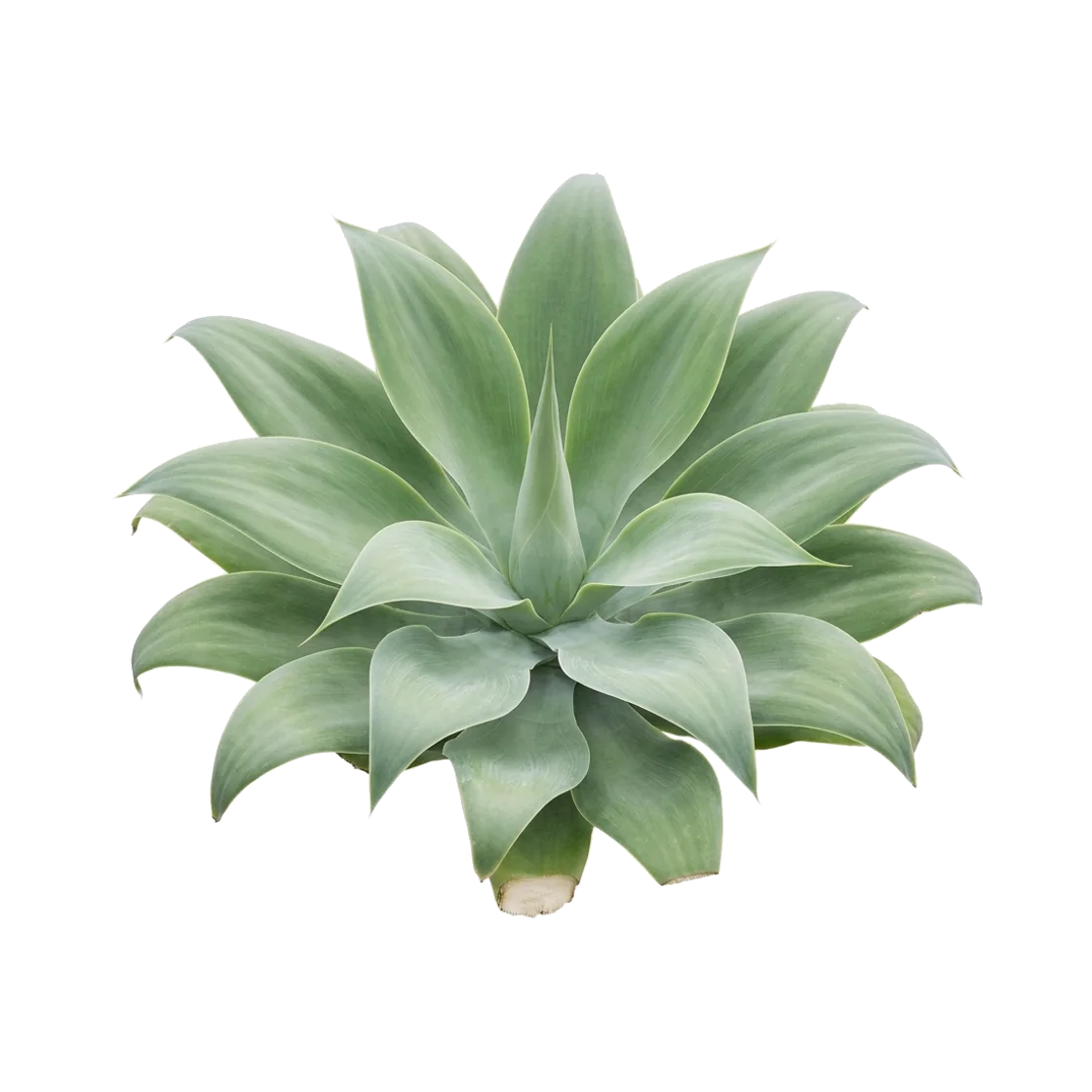
Foxtail agave (Agave attenuata) is an exceptionally graceful succulent native to Mexico, celebrated in landscapes worldwide for its unique spineless foliage. Unlike typical agaves, its broad, pale green leaves are soft, pliable, and lack sharp marginal teeth or dangerous terminal spines, making it a safe and elegant choice around walkways and patios.
Over time, the plant develops a stout, curving trunk that elevates the open rosette above the soil level. Mature specimens produce a dramatic arching flower stalk packed with pale greenish-yellow blossoms that bows toward the ground in an arch resembling a fox's tail or swan's neck, an unforgettable feature that gives the plant its popular name.
Because of its fleshy leaves and desert heritage, foxtail agave exhibits remarkable drought tolerance once established in the ground or in large containers. However, its tender foliage makes it more vulnerable to frost and intense scorch than spiny species, demanding free-draining soil and thoughtful placement to flourish year after year with minimal maintenance.
Did you know?Unlike most agave species, foxtail agave is completely spineless and harmless to the touch. Its curved floral spike can reach over three meters in length and produces hundreds of tiny plantlets.
Care. What it needs, point by point.
- Watering
- 2 weeks between wateringsWater thoroughly only when the soil has dried out completely from top to bottom. During warm spring and summer months, watering every two weeks is typically adequate, reducing to once a month during winter dormancy.
- Light
- 6 h of direct sunProvide full sun to bright filtered sunlight for at least six hours daily. In regions with scorching summer afternoons, light shade prevents leaf scorch and keeps the pale green foliage vibrant.
- Temperature
- 18–28 °C ideal temperatureIt thrives in warm conditions between 18 °C and 28 °C throughout the growing season. Protect the plant from temperatures falling below 5 °C, as its soft leaves are easily damaged by frost.
- Soil
- Plant in a gritty, fast-draining cactus and succulent mix amended with pumice or perlite. Excellent drainage is vital to prevent moisture accumulation around the roots and stem base.
- Fertilizer
- Feed once a month from spring through late summer using a balanced succulent fertilizer diluted to half strength. Suspend feeding in autumn and winter when growth naturally slows down.
- Pruning
- No formal pruning is required except for clearing away spent lower leaves as they dry out naturally. Trim dry foliage close to the stem using clean, sharp pruning shears.
- Propagation
- Propagate by harvesting the basal offsets, known as pups, that develop around the parent stem. Allow the cut ends to callous over for a few days before potting them in dry, gritty soil.
Where it grows. In the wild and in homes.
In the wild it grows in Mexico, in a subtropical climate.
People have also taken it to 6 more regions where it now grows on its own: Africa, Europe, and Australasia.
The Florami community has photographed it in España.
Range: Plants of the World Online, Royal Botanic Gardens, Kew
Is Foxtail agave toxic to cats and dogs?
The ASPCA doesn't list this species. If your pet has chewed it and seems unwell, call your vet.
Gallery As the community sees it.
Photo · H. Zell · CC BY-SA 3.0
Common problems What tends to go wrong.
- Root rot
- Overwatering
- Cold damage
- Sunburn



Frequently asked questions What people ask most.
Why are the leaves wrinkling or drooping?
Wrinkled or limp foliage typically indicates prolonged underwatering or root issues preventing moisture uptake. Check the soil moisture; if it is completely dry, give the root ball a deep soak.
Can foxtail agave be grown indoors?
Yes, provided it is placed in an unobstructed south- or east-facing window that receives several hours of bright direct sun. Without adequate light, the rosette will stretch and lose its compact, sculptural form.
Does foxtail agave die after flowering?
The main rosette is monocarpic and naturally dies after it finishes blooming, which can take up to ten years. Fortunately, the plant typically leaves behind abundant basal pups that continue growing in its place.
Why are dark spots appearing on the foliage?
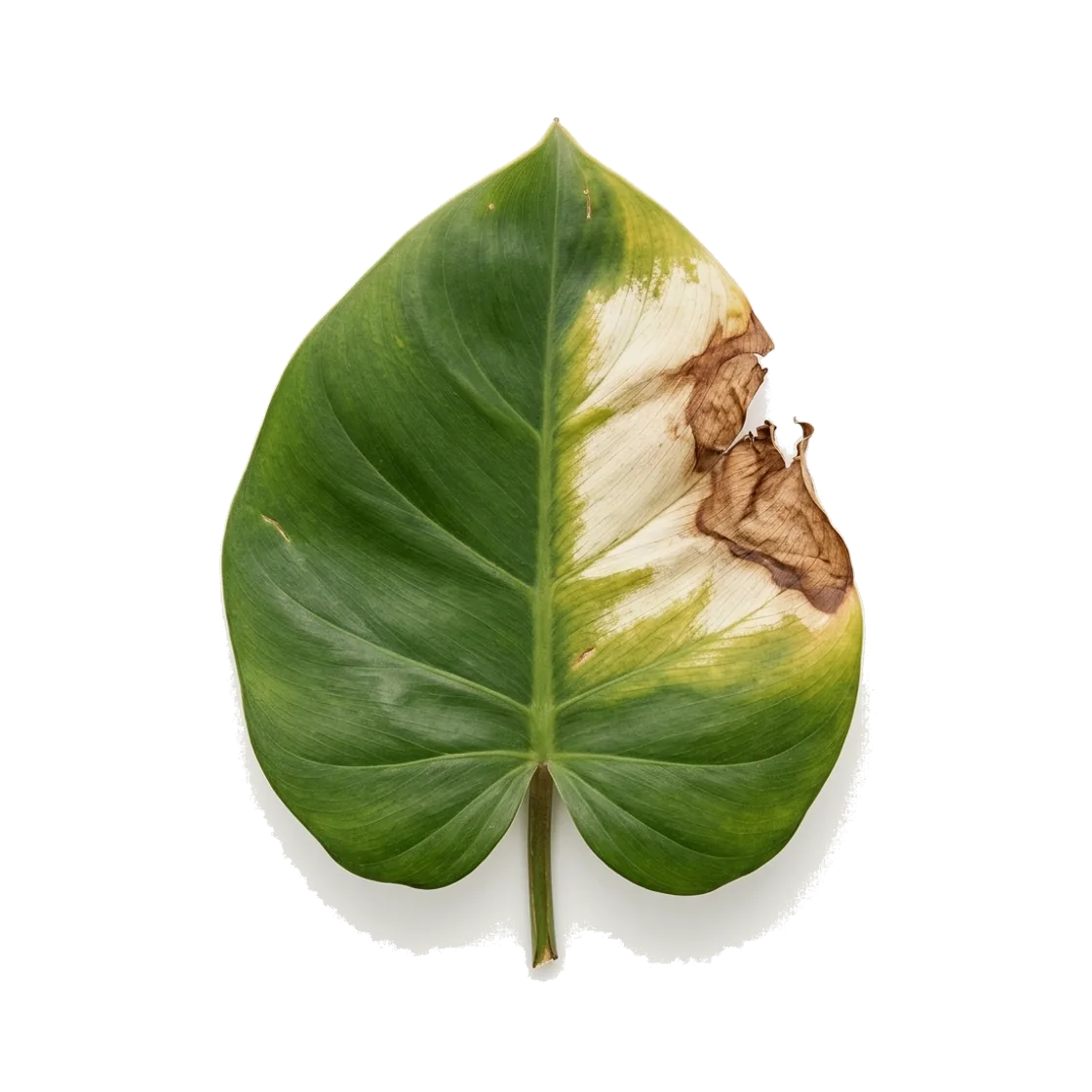
Black or brown blemishes are usually caused by sudden sunburn after moving the plant or fungal issues linked to overwatering. Ensure the pot drains freely and let the soil dry out between waterings.