Cabbage tree
Cordyline australis
Learn how to grow Cordyline australis (cabbage tree): watering tips, light needs, proper soil, and expert solutions for keeping your plant healthy.
- Light
- Full sun
- Watering
- 7–10days between waterings
- Temperature
- 15–26 °Cideal temperature
- Pets
- Toxic
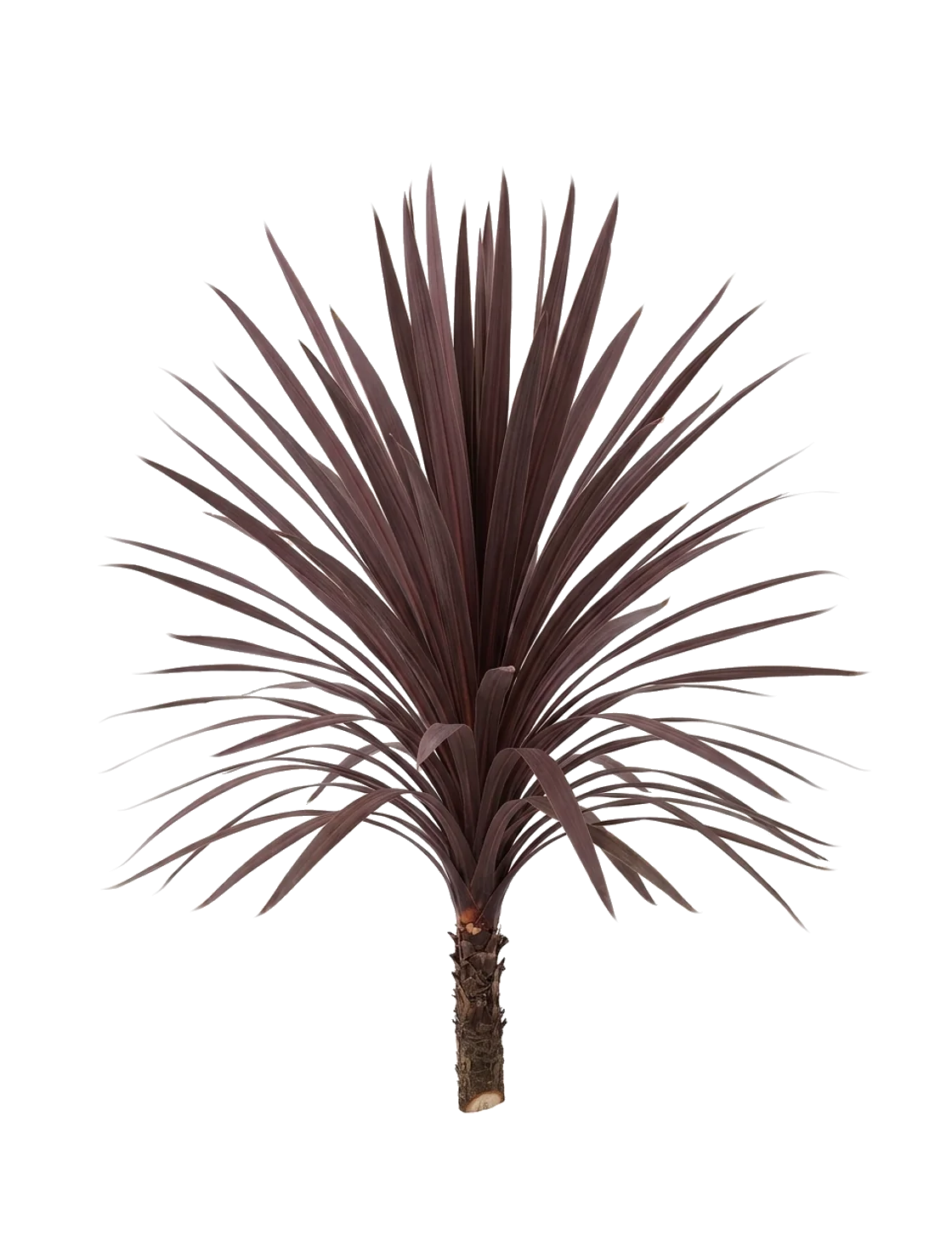
The cabbage tree (Cordyline australis) is an architectural evergreen tree native to New Zealand, instantly recognizable by its long, sword-shaped leaves radiating from a stout woody trunk. Although often sold alongside tropical house plants or mistaken for a true Dracaena, this resilient species actually thrives across a wider spectrum of temperate conditions. In modern landscape design and indoor plant collections, it is celebrated for its bold silhouette and fountain-like foliage.
In open garden ground, mature cabbage trees can reach impressive heights and produce large panicles of small, fragrant white flowers in late spring. Grown in containers, however, growth remains steady and compact, making the plant well-suited for patios, entryways, and well-lit interior rooms. It demonstrates exceptional tolerance to coastal winds, salt spray, and brief dry spells once an extensive root system is established.
Success with Cordyline australis relies primarily on abundant light and excellent soil drainage. Root rot caused by waterlogged compost is the single biggest threat to its vitality, whereas occasional drying between waterings helps preserve root health. Provided it receives sufficient illumination and protection from severe winter freezes, this dependable evergreen will reward you with years of lush, structural presence.
Did you know?Early European settlers in New Zealand nicknamed it the cabbage tree because they harvested and boiled the tender young leaf buds as a green vegetable.
Care. What it needs, point by point.
- Watering
- 7–10 days between wateringsWater thoroughly once the top 3 to 5 centimeters of potting mix have completely dried out. During the active growing period in spring and summer, watering every seven to ten days is generally sufficient, reduced to every two or three weeks in winter. Always empty excess runoff from drip trays promptly to protect the root crown.
- Light
- Full sunPosition your cabbage tree in full sun or in very bright, filtered light throughout the day. Indoors, place it next to your brightest window so the foliage retains its compact habit and vibrant color.
- Temperature
- 15–26 °C ideal temperatureThis plant thrives best within a temperature range of 15 °C to 26 °C. Established plants can tolerate brief, light frosts down to -5 °C if kept relatively dry, but long cold snaps will cause tip dieback.
- Soil
- Use an open, free-draining potting medium blended with perlite, pumice, or coarse grit. Dense, moisture-retentive soils must be avoided to prevent moisture buildup around the roots.
- Fertilizer
- Feed monthly with a balanced liquid foliage fertilizer from early spring through late summer. Halt all feeding during autumn and winter while growth naturally slows down.
- Pruning
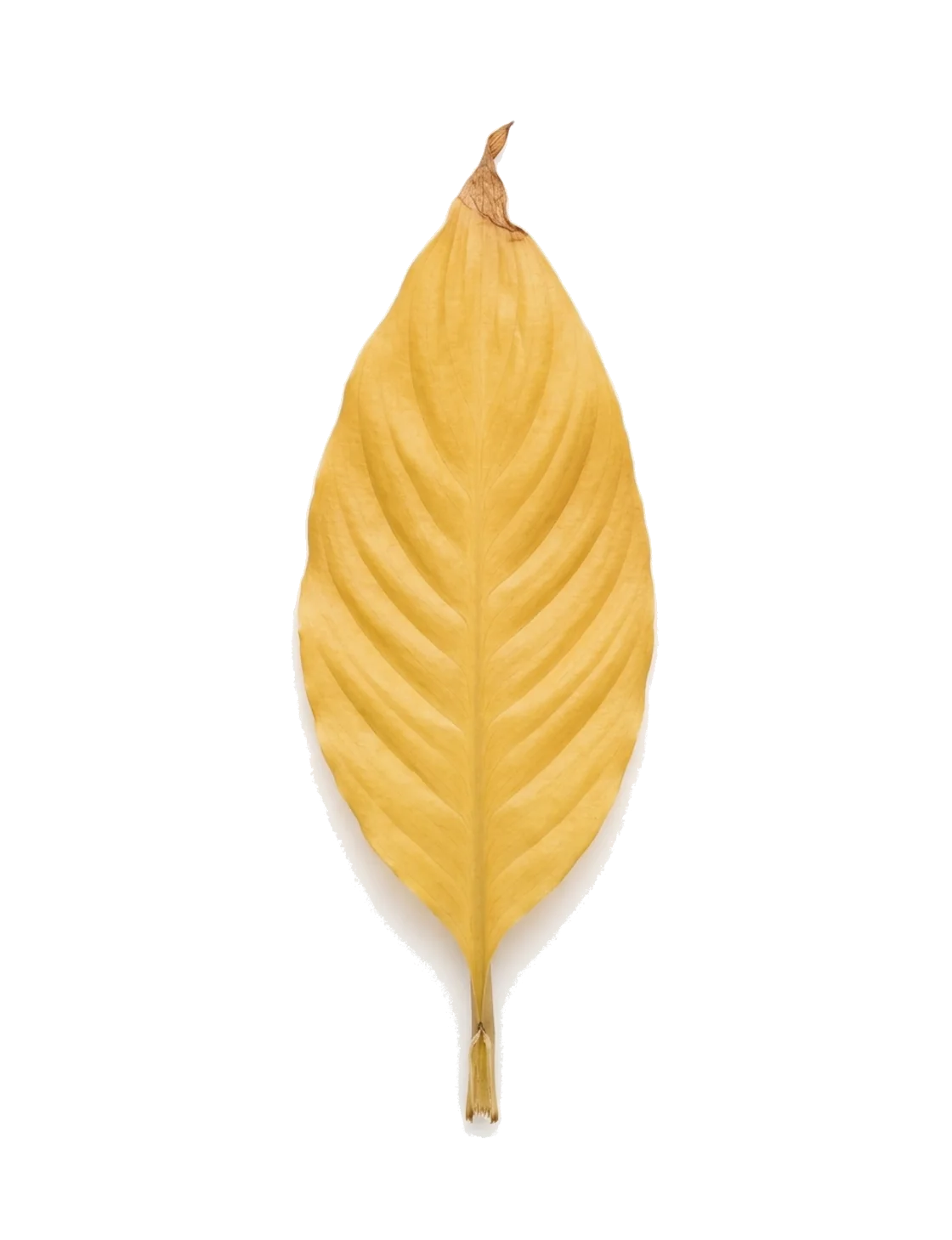
- Pruning is limited to removing older bottom leaves as they brown and wither over time. Simply snip off dead leaves close to the main stem using clean, sharp pruning shears.
- Propagation
- Propagate in spring by taking stem cuttings or detaching side shoots that emerge near the base. You can also grow new plants from fresh seed sown in warm, well-draining seed compost.
Where it grows. In the wild and in homes.
In the wild it grows in New Zealand, in a subtropical climate.
People have also taken it to 4 more regions where it now grows on its own: northern Europe, southwestern Europe, and Australia.
The Florami community has photographed it in España.
Range: Plants of the World Online, Royal Botanic Gardens, Kew
Is Cabbage tree toxic to cats and dogs?
Toxic to cats and dogs.

Cats
Toxic

Dogs
Toxic
Usual signs
Vomiting (occasionally with blood), depression, anorexia, hypersalivation, and dilated pupils in cats.
If your pet has chewed it and shows symptoms, call your vet or the nearest emergency vet.
Source · ASPCA Animal Poison Control
Gallery As the community sees it.
Photo · Kahuroa · Public domain
Common problems What tends to go wrong.
- Root rot
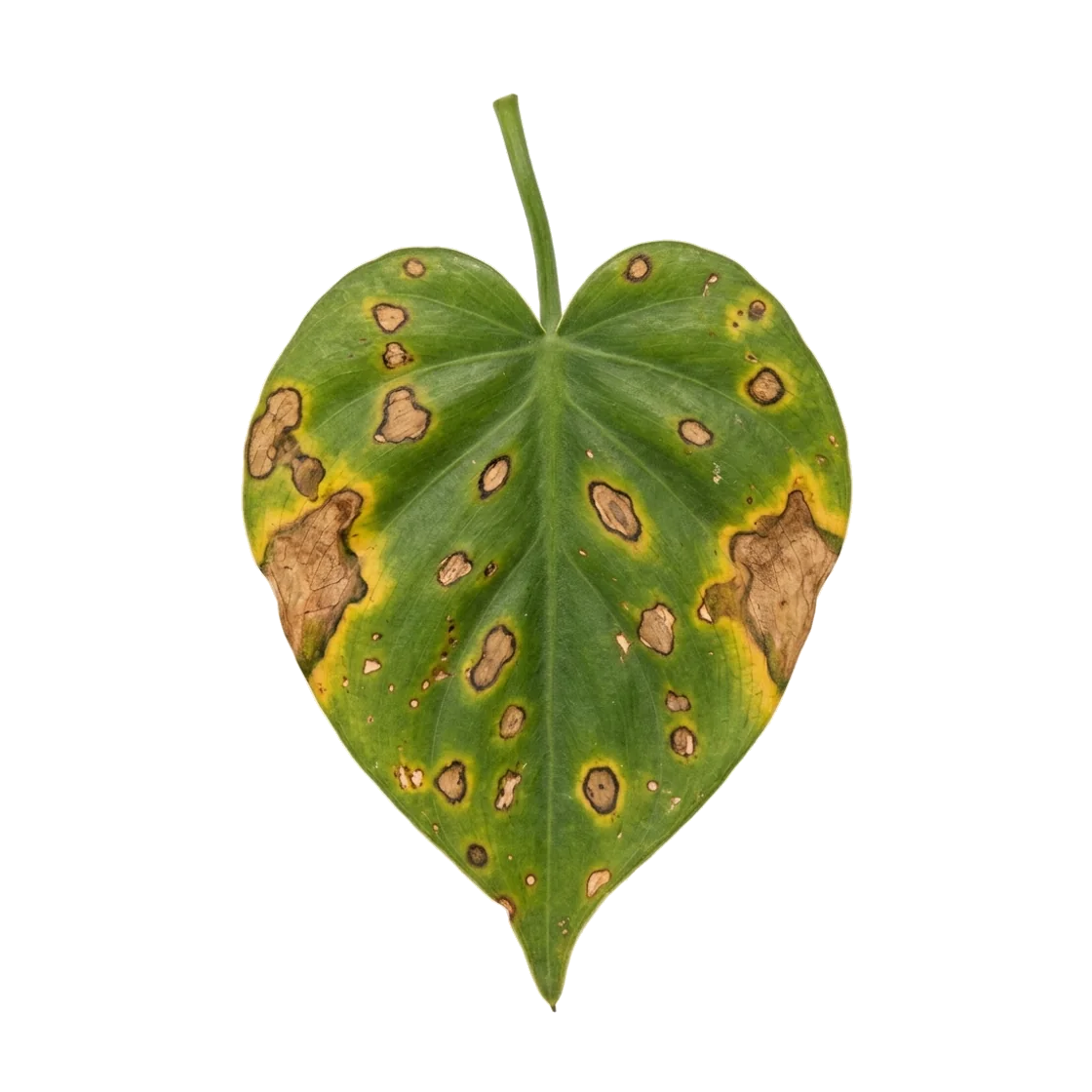
- Fungal or bacterial leaf spots
- Mealybugs and scale
- Spider mites
- Cold damage
- Natural ageing




Frequently asked questions What people ask most.
Why are the leaf tips turning brown?
Brown tips are usually triggered by low humidity, exposure to dry heating vents, or letting the root ball dry out completely. Increase ambient air moisture and ensure you water thoroughly whenever the topsoil dries.
Is it normal for lower leaves to turn yellow and drop?
Yes, this is part of the plant's natural life cycle as it sheds older foliage to form a clean, woody trunk. You only need to intervene if yellowing spreads rapidly to upper leaves or new growth.
Can Cordyline australis stay outdoors all year round?
It can remain outside permanently in mild temperate or coastal zones where winter drops do not fall below -5 °C. In regions with harsh, prolonged freezes, grow it in a container and bring it indoors before winter begins.
How often should I repot my cabbage tree?
Repotting is typically needed every two to three years in early spring to refresh the root zone and provide slightly more space. For large, mature specimens in bulky containers, top-dressing with fresh compost each spring is sufficient.