Ponytail palm
Beaucarnea recurvata
Ponytail palm (Beaucarnea recurvata) care guide: watering tips, light needs, well-draining soil, repotting, and solutions for common houseplant problems.
- Watering
- 2–3weeks between waterings
- Temperature
- 16–26 °Cideal temperature
- Pets
- Non-toxic
- Difficulty
- Easy
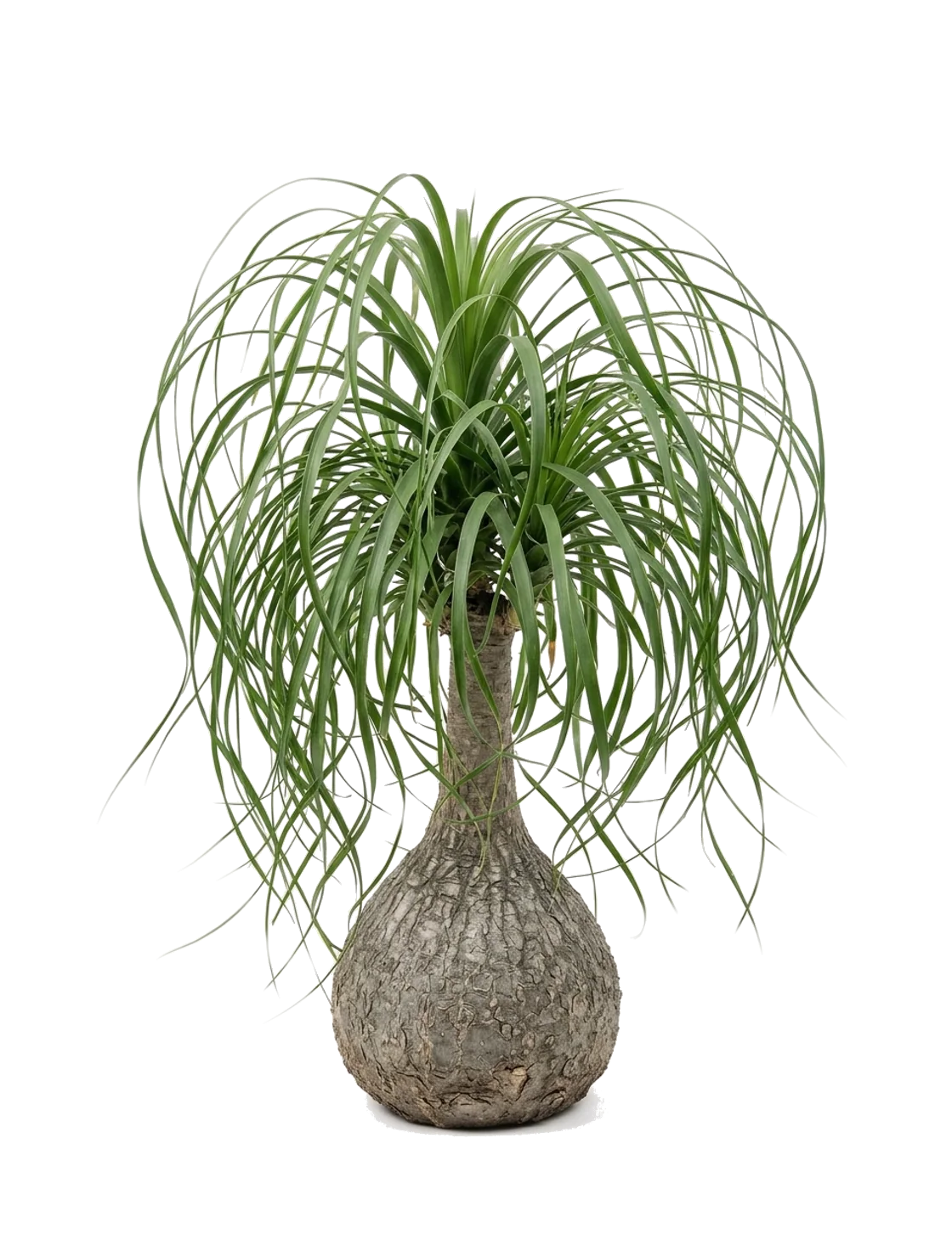
The ponytail palm (Beaucarnea recurvata), also known as the elephant's foot tree, is an intriguing and remarkably resilient succulent native to the semi-arid regions of eastern Mexico. Its defining feature is a swollen, woody trunk base called a caudex, which resembles an elephant foot and serves as a natural water reservoir. Emerging from the crown of the stem is a lush fountain of long, slender, ribbon-like green leaves that gracefully curve downward.
In its native outdoor habitat, this slow-growing plant can eventually mature into a stately small tree, yet in indoor containers it maintains a manageable and architectural profile. It is widely cherished as an indoor plant because its water-storing caudex forgives occasional neglect and missed waterings. Its fountain of foliage brings a clean, exotic accent to sunny living rooms, offices, and frost-free patios.
Cultivating a ponytail palm at home is simple and ideal for beginner growers, provided its basic needs for strong light and fast-draining substrate are respected. The most frequent threat indoors is overwatering, which quickly causes root and stem rot in its fleshy underground tissues. With plenty of sunlight and a soak-and-dry watering routine, this long-lived specimen can thrive for decades.
Did you know?Despite its palm-like silhouette and common name, the ponytail palm is not a true palm; it belongs to the Asparagaceae family, closely related to agaves. Its bulbous trunk base stores water, allowing mature specimens to survive months of severe drought in the wild.
Care. What it needs, point by point.
- Watering
- 2–3 weeks between wateringsWater thoroughly only after the potting mix has completely dried out from top to bottom, which typically means watering every two to three weeks during spring and summer. In the dormant period of autumn and winter, reduce watering to once a month or even less. Always probe deep into the soil with a wooden skewer to ensure no moisture remains before watering again.
- Light
- Thrives best in bright, direct to filtered sunlight, ideally positioned close to an unobstructed south- or west-facing window. While it can tolerate moderate light for short periods, low light conditions will weaken leaf growth and stunt its development.
- Temperature
- 16–26 °C ideal temperatureMaintains optimal growth in temperatures between 16 °C and 26 °C throughout the year. It tolerates summer heat well with adequate ventilation, but should be shielded from drafty conditions below 5 °C and freezing temperatures.
- Soil
- Plant in an exceptionally well-draining succulent or cactus mix enriched with perlite, pumice, or coarse horticultural sand. Ensure the container has ample drainage holes to prevent standing water around the root system.
- Fertilizer
- Feed once a month from mid-spring through late summer using a balanced liquid cactus fertilizer diluted to half strength. Suspend feeding entirely during autumn and winter when plant growth naturally slows down.
- Pruning
- Pruning is unnecessary for shaping this plant. Simply peel away old, faded lower leaves by gently pulling downward to maintain a neat appearance on the trunk.
- Propagation
- Propagation is generally achieved from seed during spring, though it requires patience due to slow initial growth. Established plants occasionally produce basal offshoots or pups that can be carefully severed and rooted in fresh substrate.
Where it grows. In the wild and in homes.
In the wild it grows in Mexico, in a desert or dry shrubland climate.
Range: Plants of the World Online, Royal Botanic Gardens, Kew
Is Ponytail palm toxic to cats and dogs?
Non-toxic to cats and dogs.

Cats
Non-toxic

Dogs
Non-toxic
Source · ASPCA Animal Poison Control
Common problems What tends to go wrong.
- Overwatering
- Root rot
- Mealybugs and scale
- Spider mites
- Too little light
- Natural ageing





Frequently asked questions What people ask most.
Why are the leaf tips turning brown?
Brown tips are usually caused by low indoor humidity from heaters or dry drafts, or occasionally by prolonged periods between waterings. You can trim away the crispy brown tips with clean shears, leaving a tiny margin of dry tissue to avoid injuring healthy green growth.
Why does the base of the trunk feel soft?
A soft or squishy caudex is almost always a sign of stem or root rot caused by chronic overwatering and poor drainage. Stop watering immediately, unpot the plant to inspect and trim away mushy roots, and replant into dry, gritty soil.
How often does a ponytail palm need repotting?
Because of its slow growth rate and preference for a snug container, repotting is only necessary every two to three years. Choose a pot that is only slightly wider than the caudex with good drainage, avoiding oversized containers that hold excess moisture.
Why are the lower leaves shedding?
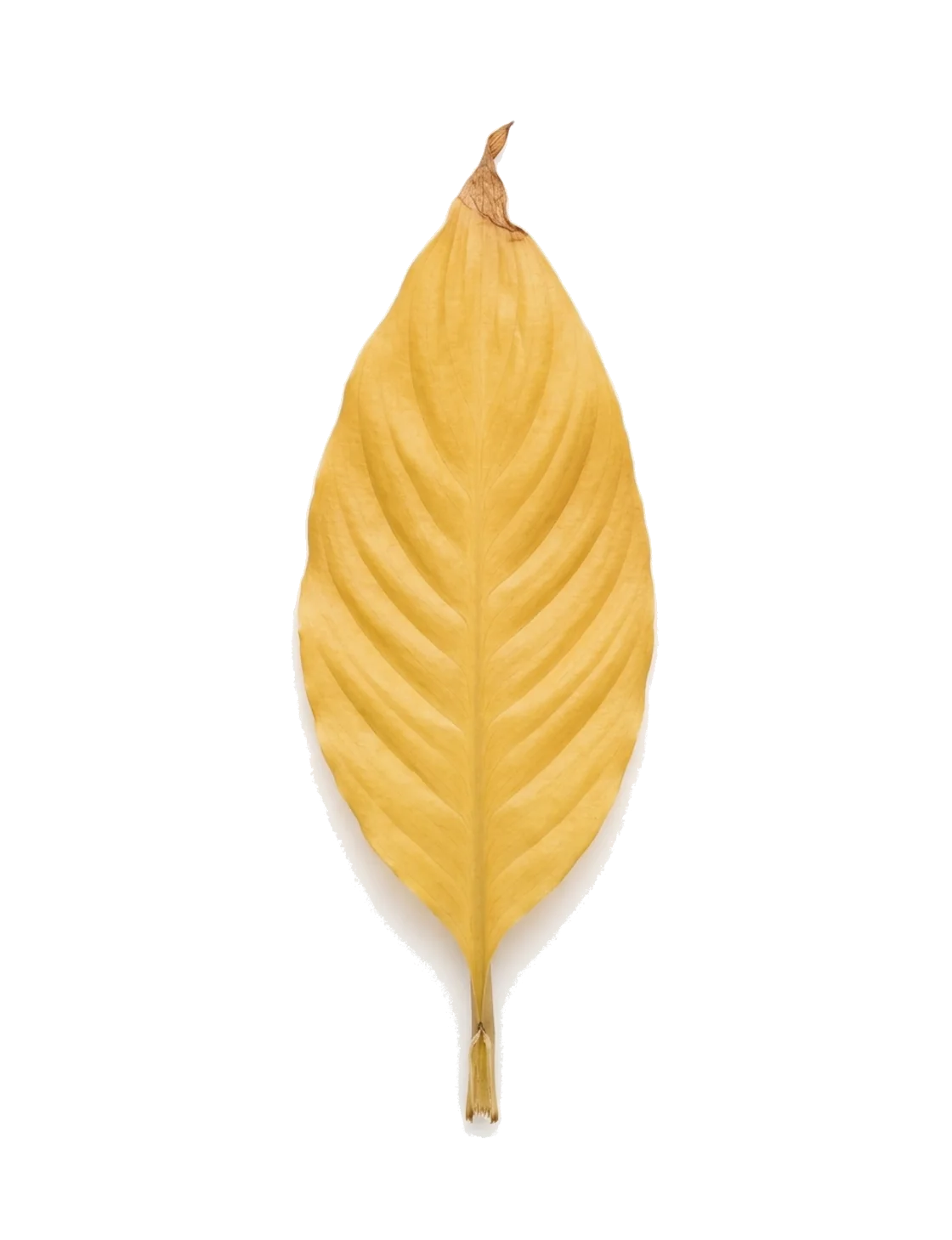
Losing older, bottom leaves is a completely natural part of the plant's growth process as it builds its woody stem over time. Concern is only warranted if green or young leaves turn yellow and drop suddenly in large numbers, which points to watering issues.