Pear
Pyrus communis
Pear tree care at home: regular watering, yearly pruning, spot-on harvest timing and good soil for sweet, tree-ripened, juicy pears each season.
- Light
- 6 hof direct sun
- Temperature
- 15–25 °Cideal temperature
- Toxicity
- Non-toxic
- Difficulty
- Medium
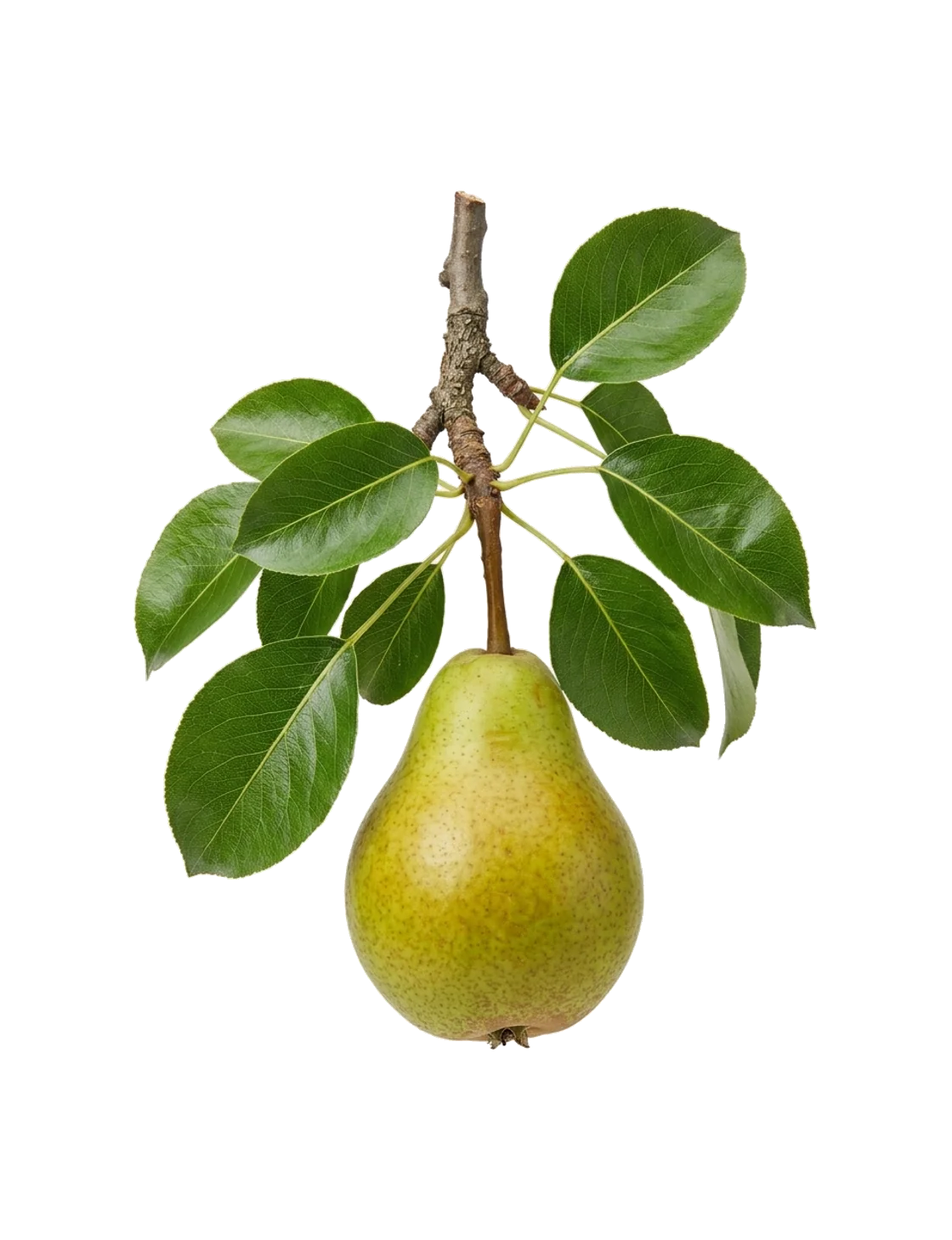
The pear (Pyrus communis) is a deciduous fruit tree in the rose family, native to Europe and western Asia, where it has been cultivated since ancient times. It forms an upright tree with glossy leaves, clusters of white spring blossom, and the classic sweet fruit harvested from late summer into autumn depending on the variety. Many traditional and modern varieties exist, from early summer pears to winter pears that store for months.
Most varieties crop better with a compatible pollinator nearby, so it pays to check pollination partners before planting. The tree needs full sun and a winter with enough chill to flower well, and it adapts to a wide range of temperate soils as long as drainage is good. It is a long-lived orchard tree that can produce for many decades with basic care.
Pears taste best when picked just before full ripeness and left to mature in a cool place for a few days. The tree leafs out vigorously in spring and drops its leaves in autumn, a rhythm worth respecting without forcing water or feed in winter. With deep soil, steady watering, and pruning that lets air move through the crown, the pear is a reliable tree for home orchards.
Did you know?Pears are picked slightly unripe and finish ripening off the tree, which is why a freshly picked pear often feels hard as stone.
Care. What it needs, point by point.
- Watering
- Water regularly from spring to fruit swelling, keeping the soil lightly moist but never waterlogged. When the fruit starts to fatten, keep watering steady, and check by pushing a finger into the soil: water if the first centimeters feel dry.
- Light
- 6 h of direct sunIt needs full sun, at least six hours of direct light a day, for the fruit to ripen evenly. In shade the harvest is smaller and the pears less sweet.
- Temperature
- 15–25 °C ideal temperatureIt grows well between 15 and 25 °C and needs a cold winter, with temperatures near 0 °C, to flower abundantly. Blossom is sensitive to late frosts, so a spot sheltered from cold wind suits it best.
- Soil
- pH 6–7.5It prefers deep, fertile, well-drained soil with a pH between 6 and 7.5. It dislikes waterlogged ground and very shallow, stony soils.
- Fertilizer
- Apply compost or a balanced fertilizer at the end of winter, with a light dose after fruit set. Avoid excess nitrogen, which favors leafy shoots over pears.
- Pruning
- Prune in winter while leafless, keeping an open, balanced crown with well-spaced main branches. Remove suckers, crossing wood, and any branch with a suspicious canker.
- Propagation
- Varieties are multiplied by grafting onto quince or pear rootstocks that suit the soil and the desired tree size. Seed sowing does not preserve the variety and is only used to raise rootstocks.
Where it grows. In the wild and in homes.
In the wild it grows in Europe and temperate Asia, in a temperate climate.
People have also taken it to 63 more regions where it now grows on its own: North America, Europe, temperate Asia, and tropical Asia.
Range: Plants of the World Online, Royal Botanic Gardens, Kew
Is Pear toxic to cats and dogs?
The ASPCA doesn't list this species. If your pet has chewed it and seems unwell, call your vet.
Common problems What tends to go wrong.
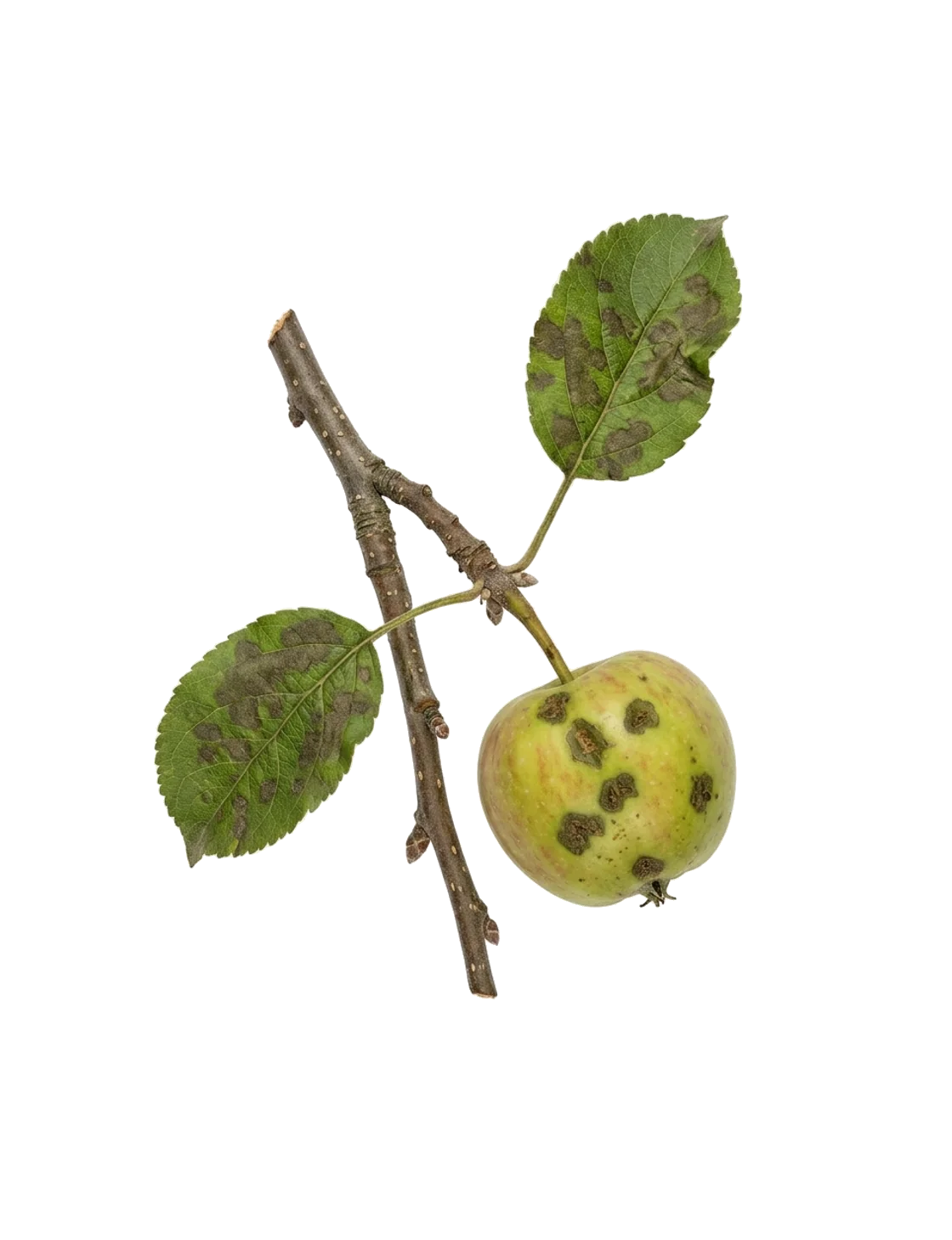
- Scab
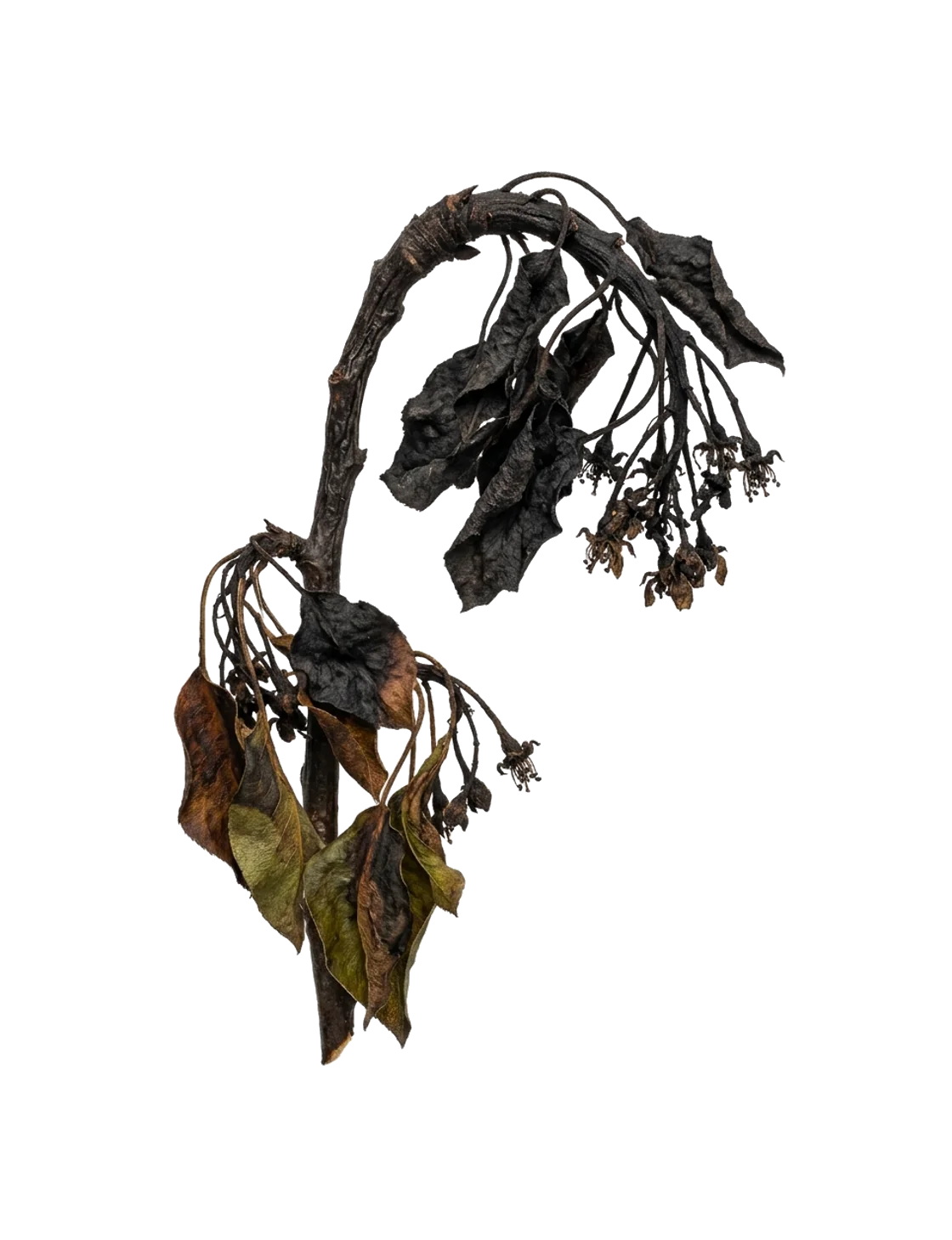
- Fire blight
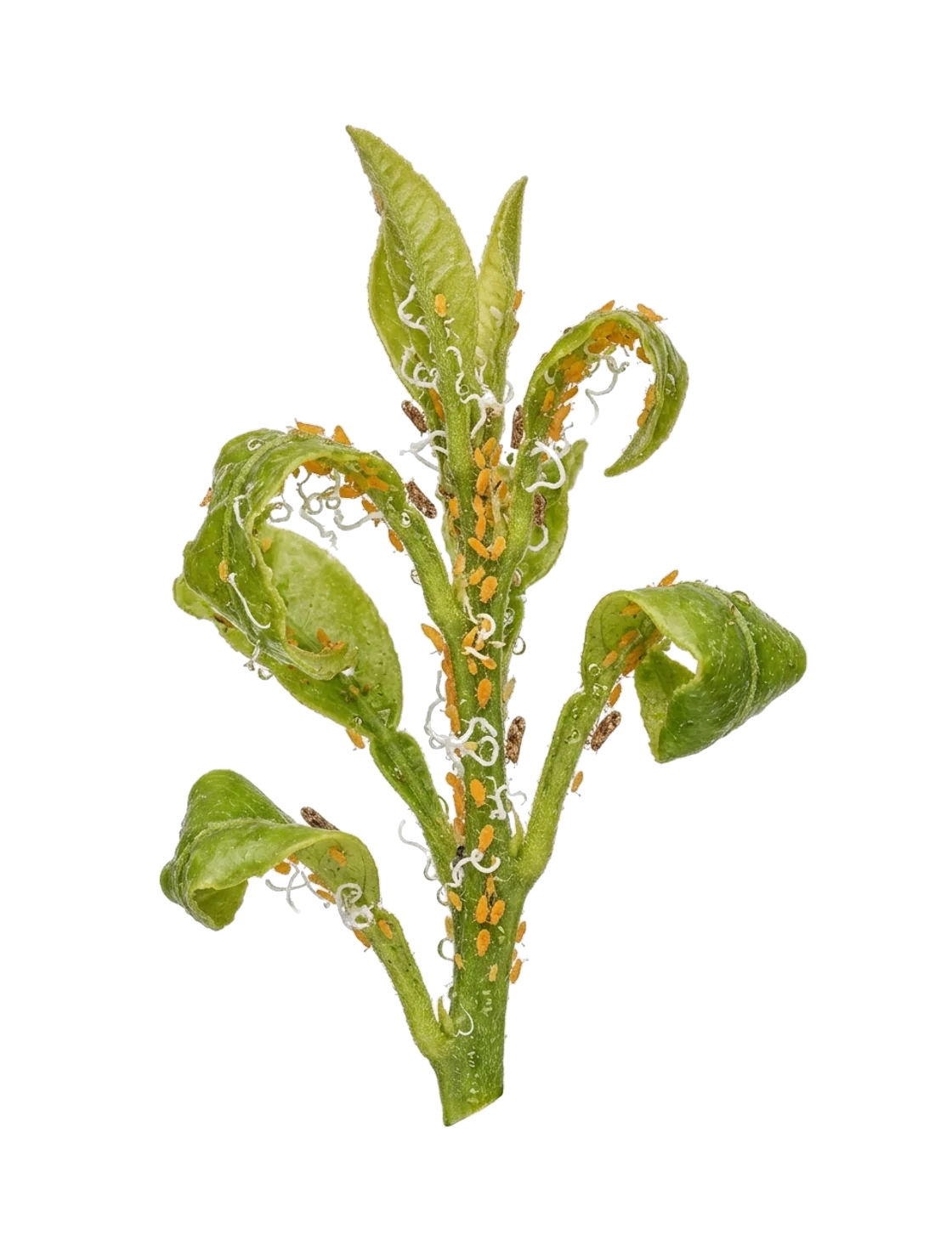
- Psyllids
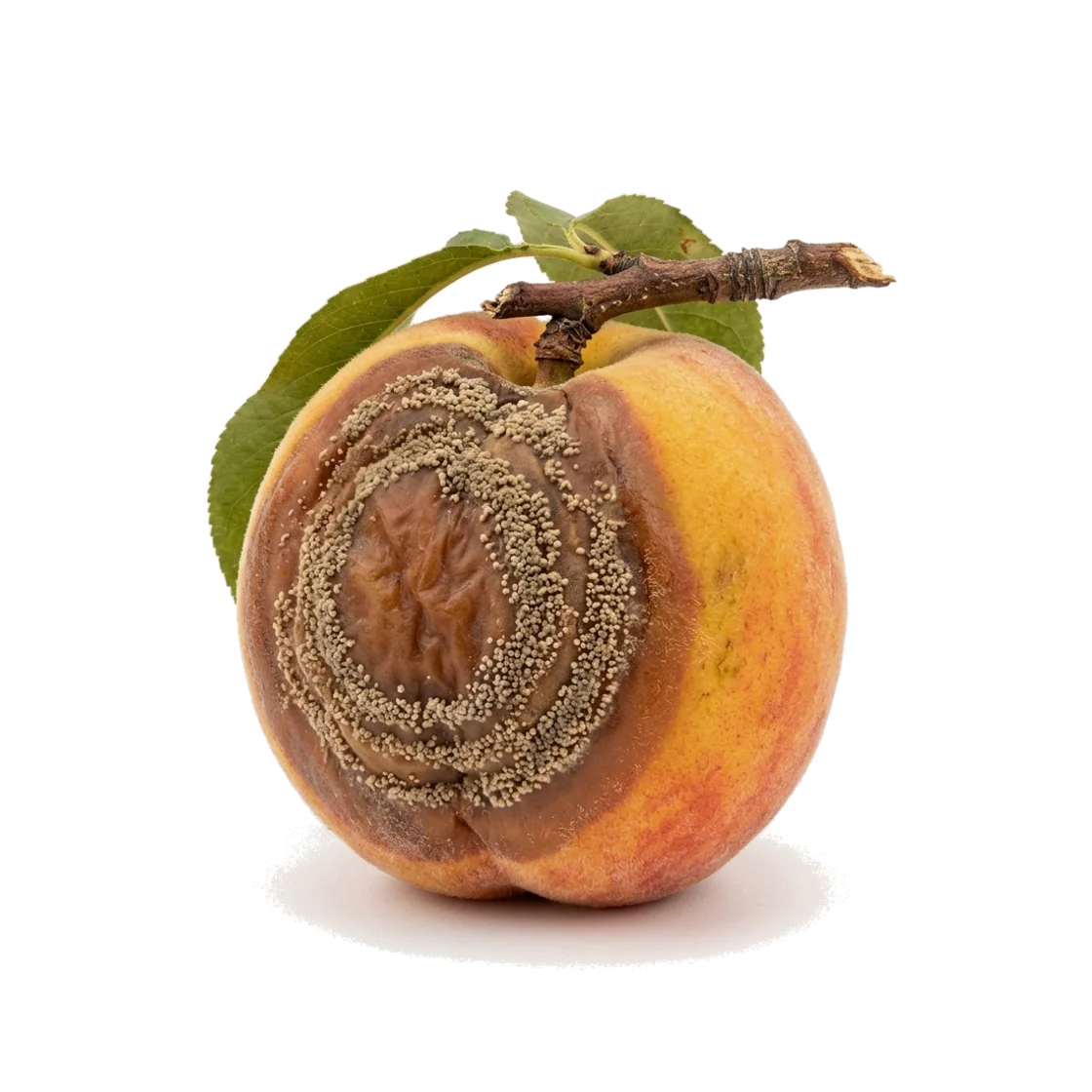
- Brown rot
Frequently asked questions What people ask most.
Why does my pear tree not produce fruit?
It may still be young, since pears often take several years to bear, or it may lack a compatible pollinator nearby. Late frosts on the blossom, too little winter chill, or very heavy pruning also cut the harvest.
When should pears be picked?
Pick them when they separate easily with a gentle lift but still feel firm, since most varieties ripen off the tree. Left too long on the branch, the flesh turns grainy and the core starts to brown.
What are those sticky leaves and blackened shoot tips?
Sticky leaves with sooty coating point to pear psyllids or aphids, while suddenly blackened, hooked shoot tips suggest fire blight. Remove affected shoots with clean cuts and improve airflow through pruning.
How is a pear tree pruned?
Prune in winter with the tree leafless, keeping a pyramid-like crown open to light. Take out crossing, inward-growing, and damaged branches, and keep cuts moderate so the tree answers with fruiting wood, not water sprouts.