Japanese kerria
Kerria japonica
Learn how to care for Japanese kerria (Kerria japonica). Essential tips on light, watering, soil drainage, and post-bloom pruning for a thriving shrub.
- Light
- Part shade
- Watering
- 1–2×a week
- Temperature
- 12–22 °Cideal temperature
- Toxicity
- Non-toxic
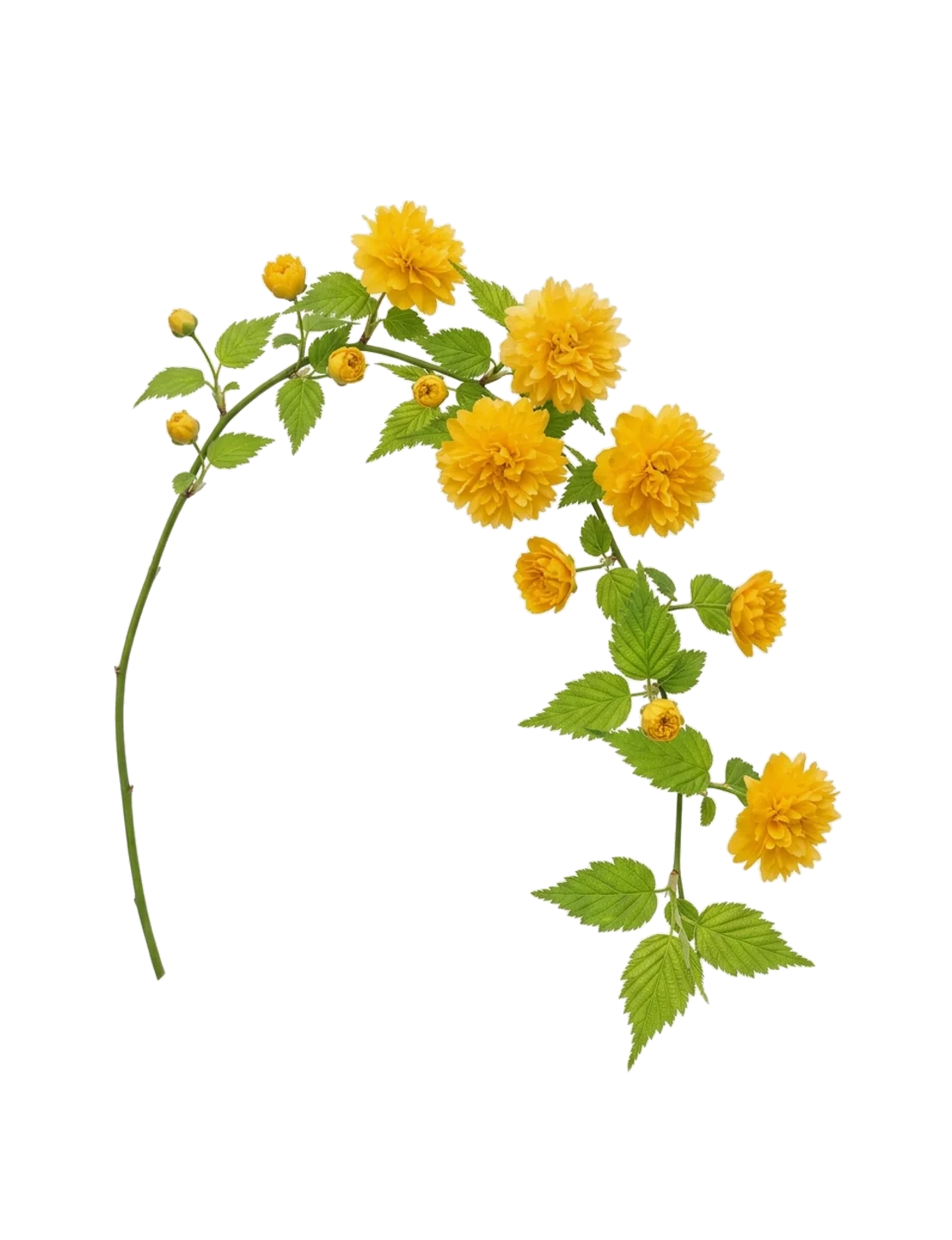
Japanese kerria (Kerria japonica) is a deciduous flowering shrub celebrated for its cheerful, golden-yellow blooms that burst open from mid to late spring. It features delicate, sharply toothed, bright green foliage held on gracefully arching slender branches. Even after leaf drop in autumn, its vivid green stems retain their color, offering striking structural interest throughout bleak winter landscapes.
Naturally forming dense thickets through underground suckers, this resilient shrub typically grows between one and two meters tall and wide. Unlike many other profusely flowering garden shrubs, Japanese kerria thrives wonderfully in partial shade and tolerates woodland conditions, making it an invaluable plant for illuminating dimmer corners where intense direct sunlight might fade its vivid blossoms.
It adapts willingly to a wide array of garden soils, enduring dry spells once properly established and resisting most severe weather challenges. Caring for this shrub is straightforward: simply provide consistent moisture in its first year and prune the oldest stems right after flowering to encourage vigorous new growth for the following season.
Did you know?Its slender stems remain a bright, vibrant green through winter, providing outstanding visual interest long after the leaves have dropped.
Care. What it needs, point by point.
- Watering
- 1–2× a weekWater moderately, keeping the soil evenly moist during the spring and summer growing season, usually once or twice per week. Insert a finger into the ground to feel the soil, watering only when the top two to three centimeters are dry.
- Light
- Part shadeJapanese kerria thrives best in partial shade or dappled sunlight, as hot midday sun bleaches the flowers and scorches leaf margins. In mild summer regions it tolerates more sunlight, but filtered light keeps the golden blooms vibrant longer.
- Temperature
- 12–22 °C ideal temperatureRemarkably cold-hardy, this shrub withstands winter drops down to -20 °C without issue and manages summer warmth up to 30 °C. Its ideal temperature range for strong flowering and shoot development is between 12 °C and 22 °C.
- Soil
- It grows well in ordinary garden soil rich in organic material, provided the ground drains surplus water efficiently. The shrub adapts across various soil pH levels, from slightly acidic to mildly alkaline, provided waterlogging is avoided.
- Fertilizer
- Top-dress the root zone with well-aged compost or leaf mold at the end of winter to renew soil fertility. You can also supply a light application of balanced, slow-release fertilizer in early spring to support blooming.
- Pruning
- Prune directly after the spring flowering period finishes by cutting back flowered stems and thinning out one-third of the oldest canes near ground level. This selective pruning promotes vigorous new shoots that will bear next season's flower buds.
- Propagation
- Multiply the shrub easily by digging up and replanting rooted suckers that emerge from the base during winter dormancy. You can also take semi-ripe cuttings in early summer and root them in moist, sheltered potting mix.
Where it grows. In the wild and in homes.
In the wild it grows in China and East Asia, in a temperate climate.
People have also taken it to 29 more regions where it now grows on its own: North America, Europe, tropical Asia, and temperate Asia.
Range: Plants of the World Online, Royal Botanic Gardens, Kew
Is Japanese kerria toxic to cats and dogs?
The ASPCA doesn't list this species. If your pet has chewed it and seems unwell, call your vet.
Gallery As the community sees it.
Photo · Jeffdelonge · CC BY-SA 3.0
Common problems What tends to go wrong.
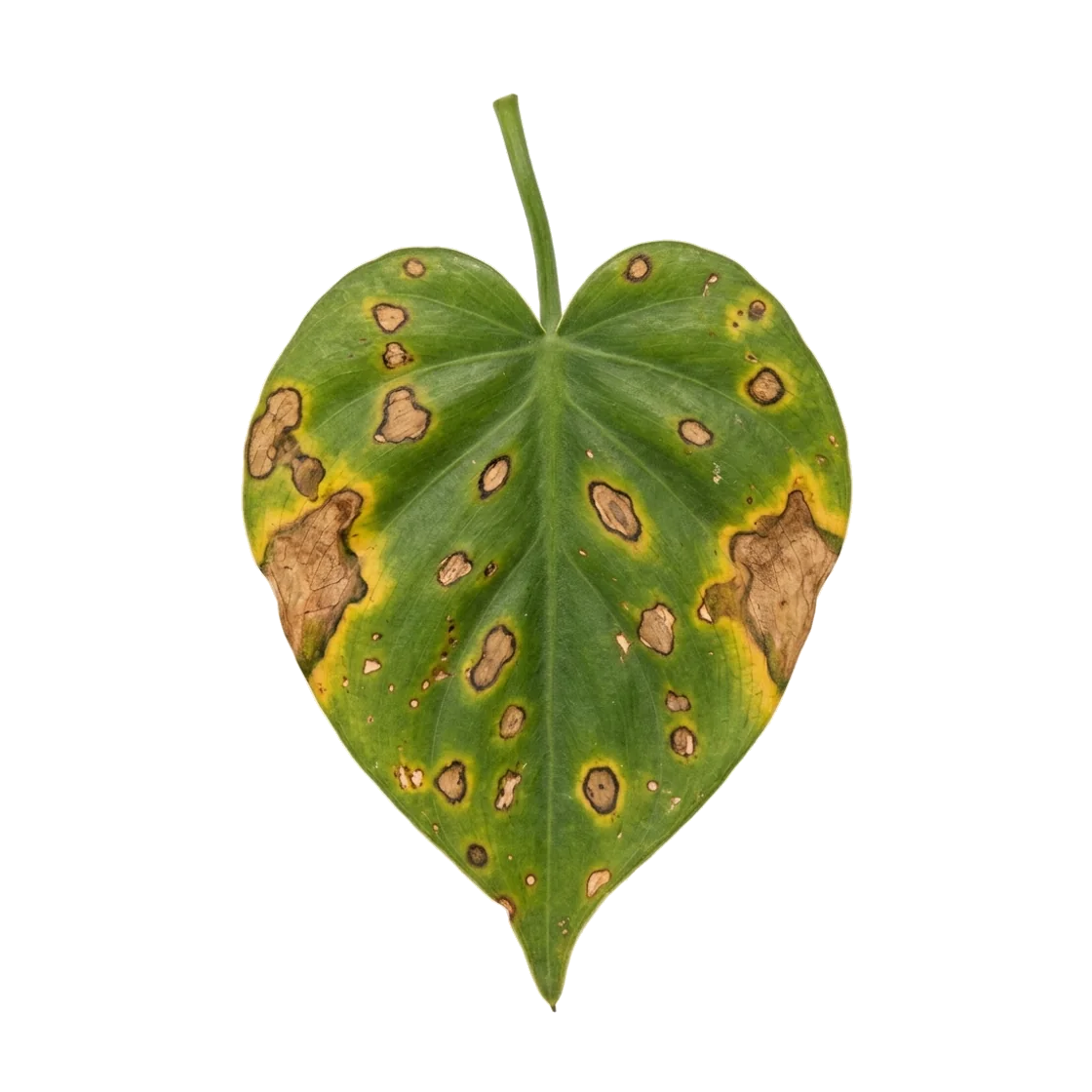
- Fungal or bacterial leaf spots
- Powdery mildew
- Aphids
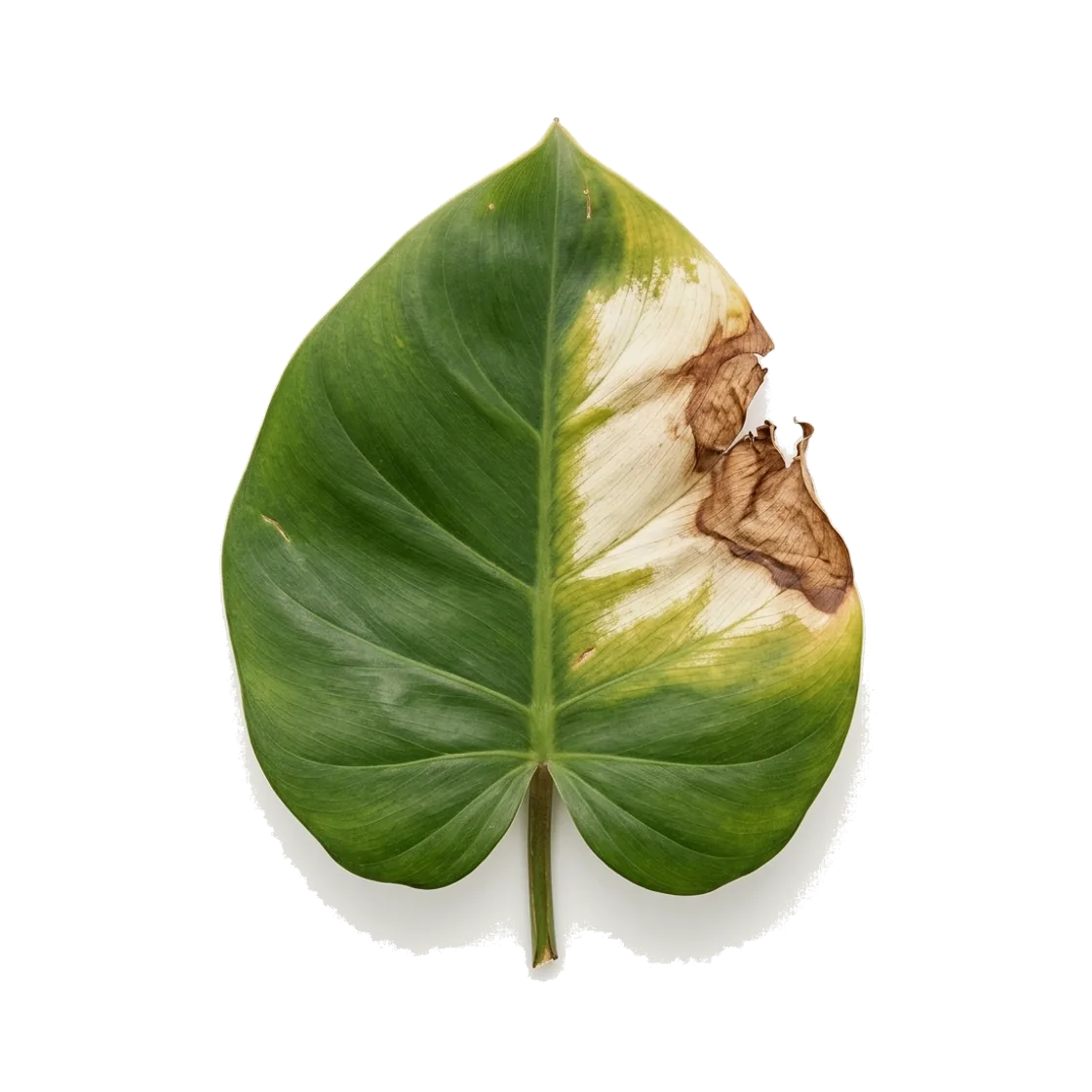
- Sunburn
- Root rot



Frequently asked questions What people ask most.
Why are my Japanese kerria flowers fading to pale yellow?
Kerria blossoms bleach quickly when subjected to harsh, direct midday sunlight. Growing the plant in partial or dappled shade keeps the flower petals rich in golden color throughout their blooming period.
When and how should I prune Japanese kerria?
Prune immediately after the spring bloom concludes, never during autumn or late winter. Cut back spent stems to healthy buds and take down the thickest old canes to ground level to maintain vigor and good form.
Why is my Japanese kerria failing to bloom?
The most frequent issue is pruning late in the year, which removes the dormant flower buds set for the coming spring. Excessive nitrogen fertilizer, which forces leafy shoots instead of buds, or excessively deep shade can also limit flowers.
How can I keep Japanese kerria from spreading too wide?
Japanese kerria spreads naturally through underground root suckers that expand the main clump over time. You can easily restrict its footprint by severing and removing unwanted root shoots with a spade each spring.