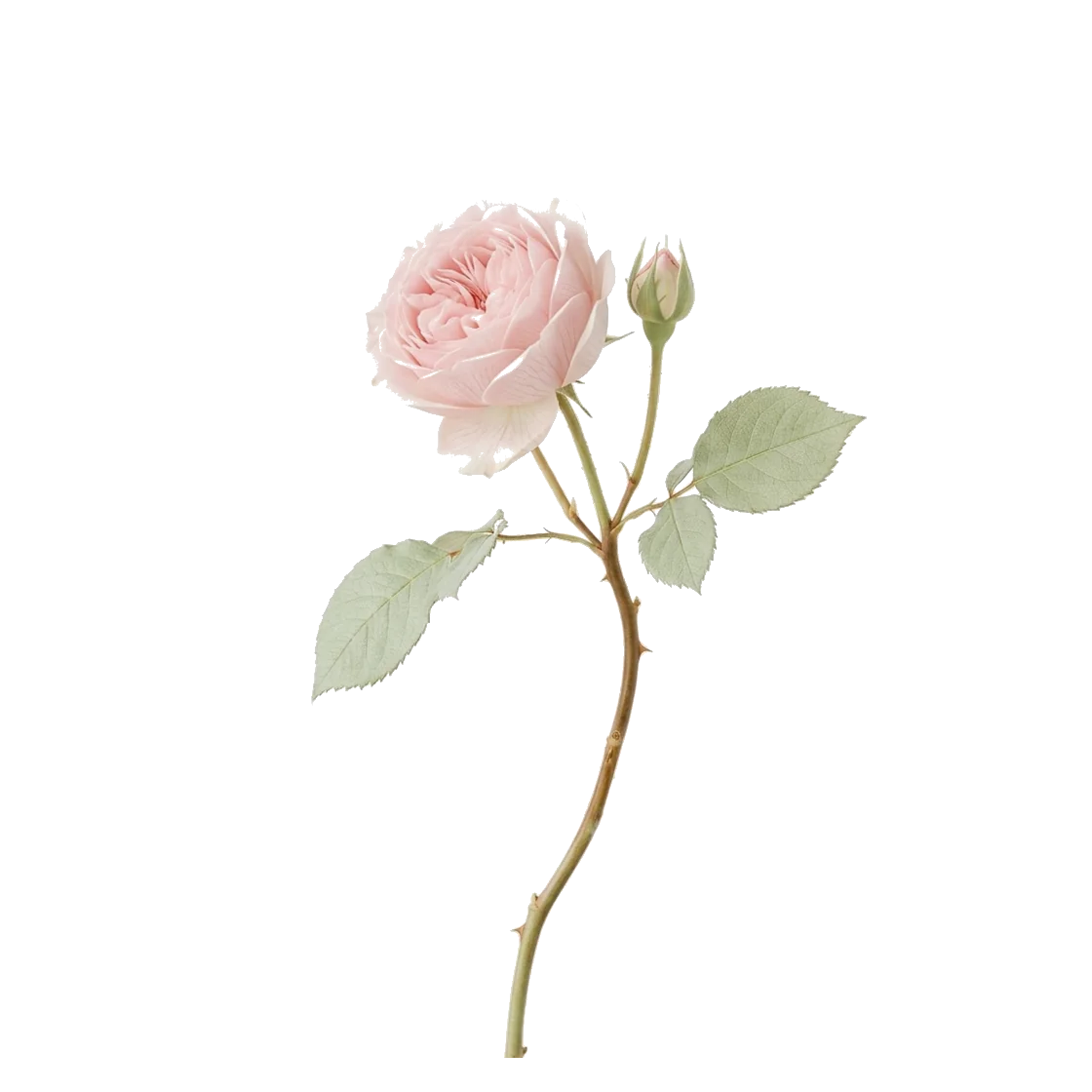
The hybrid rose (Rosa hybrida) is arguably the most celebrated and beloved flowering shrub in gardens worldwide. Characterized by woody stems armed with prickles, compound serrated foliage, and richly formed blossoms, these resilient shrubs produce repeating flushes of flowers from late spring until late autumn in an immense spectrum of vibrant shades, forms, and fragrances.
To thrive and produce breathtaking blooms, roses require an open outdoor location that enjoys generous direct sunlight and steady air circulation. They perform remarkably well whether planted directly into garden borders or settled into deep, spacious containers on sunny terraces, provided excess moisture drains away freely to keep root systems aerated and sound.
Although roses sometimes carry a reputation for being finicky plants, their essential cultural requirements are quite straightforward once understood. Regular monitoring for common foliage pests, steady seasonal fertilizing during the growing period, and an annual structural pruning will keep your shrubs vigorous, rewarding you with decades of dependable growth and magnificent seasonal flower displays.
Did you know?Most modern garden roses stem from 19th-century crossings between European and Asian species. This historic hybridization introduced the repeat-blooming trait that garden roses are famous for today.
Care. What it needs, point by point.
- Watering
- 2–3× a weekWater deeply 2 to 3 times per week during warm weather, scaling back considerably in winter. Check that the top 3 to 5 cm of soil feel dry before irrigating, and always apply water to the base rather than the foliage.
- Light
- 6 h of direct sunRoses require full sun, needing at least 6 hours of direct sunlight each day to produce profuse flowers. Shady locations lead to spindly growth and increase susceptibility to fungal problems.
- Temperature
- 15–25 °C ideal temperatureThey thrive best in moderate temperatures between 15 °C and 25 °C. Established bushes handle winter frosts down to -10 °C well, though applying a thick mulch layer protects crowns in colder climates.
- Soil
- Plant in rich, loamy soil with plenty of organic matter and an open structure that drains freely without retaining stagnant water.
- Fertilizer
- 4–6 weeks between feedsFeed with an organic compost top-dressing in late winter, followed by a balanced rose fertilizer every 4 to 6 weeks through spring and summer.
- Pruning
- Perform main structural pruning in late winter by removing dead canes and cutting healthy stems back to an outward-facing bud. Deadhead spent blooms regularly throughout the growing season to encourage continuous reblooming.
- Propagation
- Roses are most easily propagated by semi-ripe or hardwood stem cuttings taken in late summer or autumn. Commercial cultivars are typically bud-grafted onto vigorous rootstocks to enhance overall hardiness.
Is Rose toxic to cats and dogs?
Non-toxic to cats and dogs.

Cats
Non-toxic

Dogs
Non-toxic
Source · ASPCA Animal Poison Control
Gallery As the community sees it.
Photo · Atikahachimi70 · CC BY-SA 4.0
Common problems What tends to go wrong.
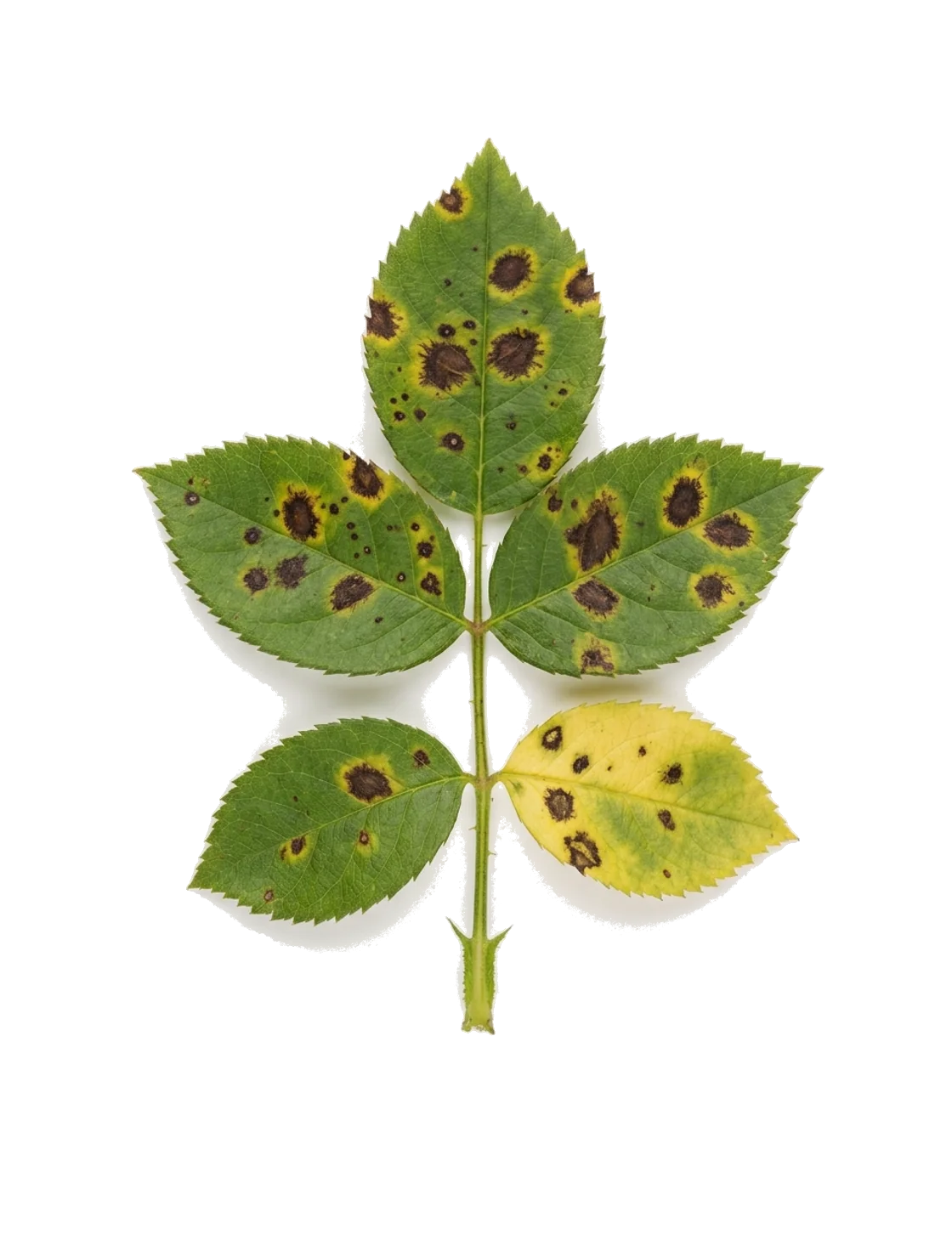
- Black spot
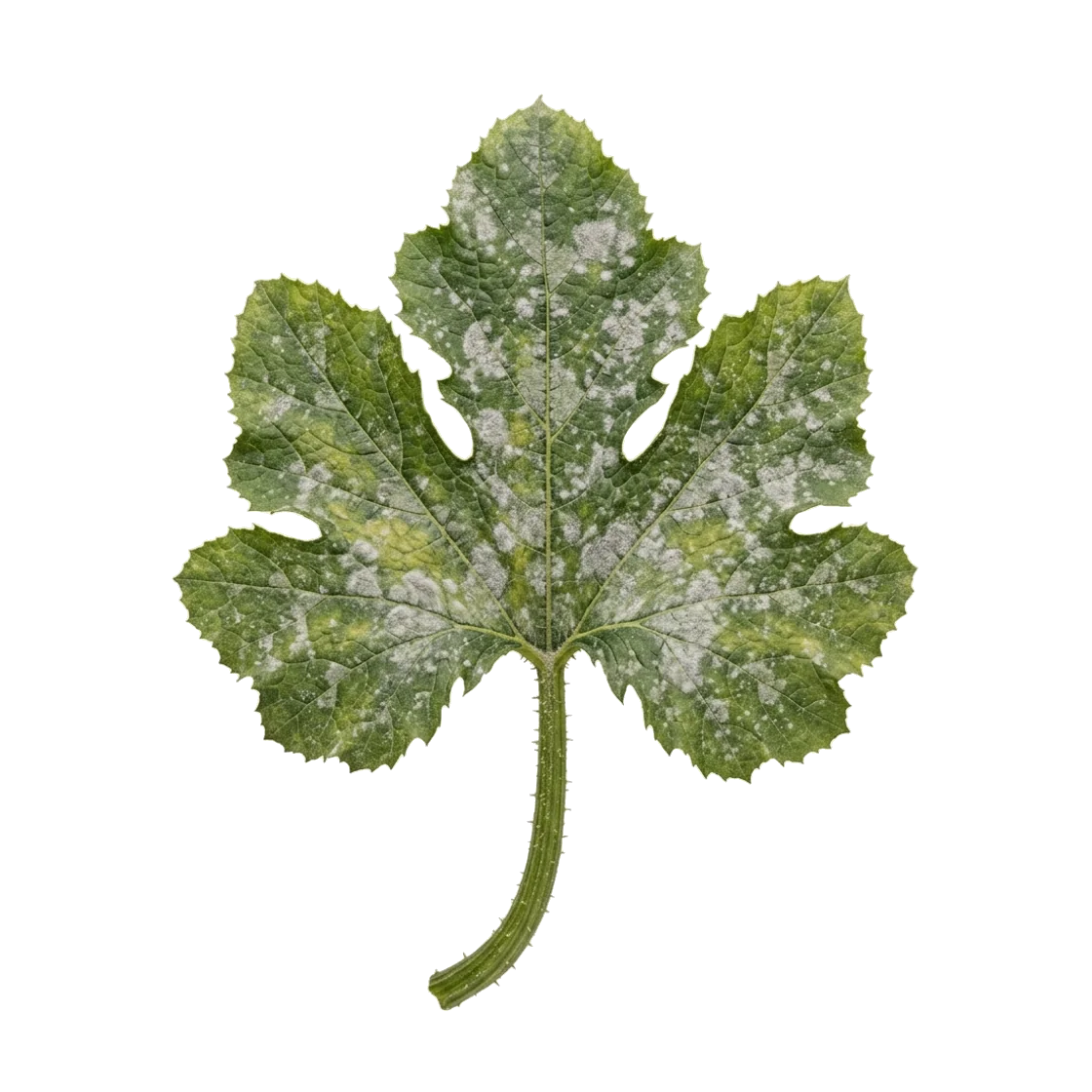
- Powdery mildew
- Aphids
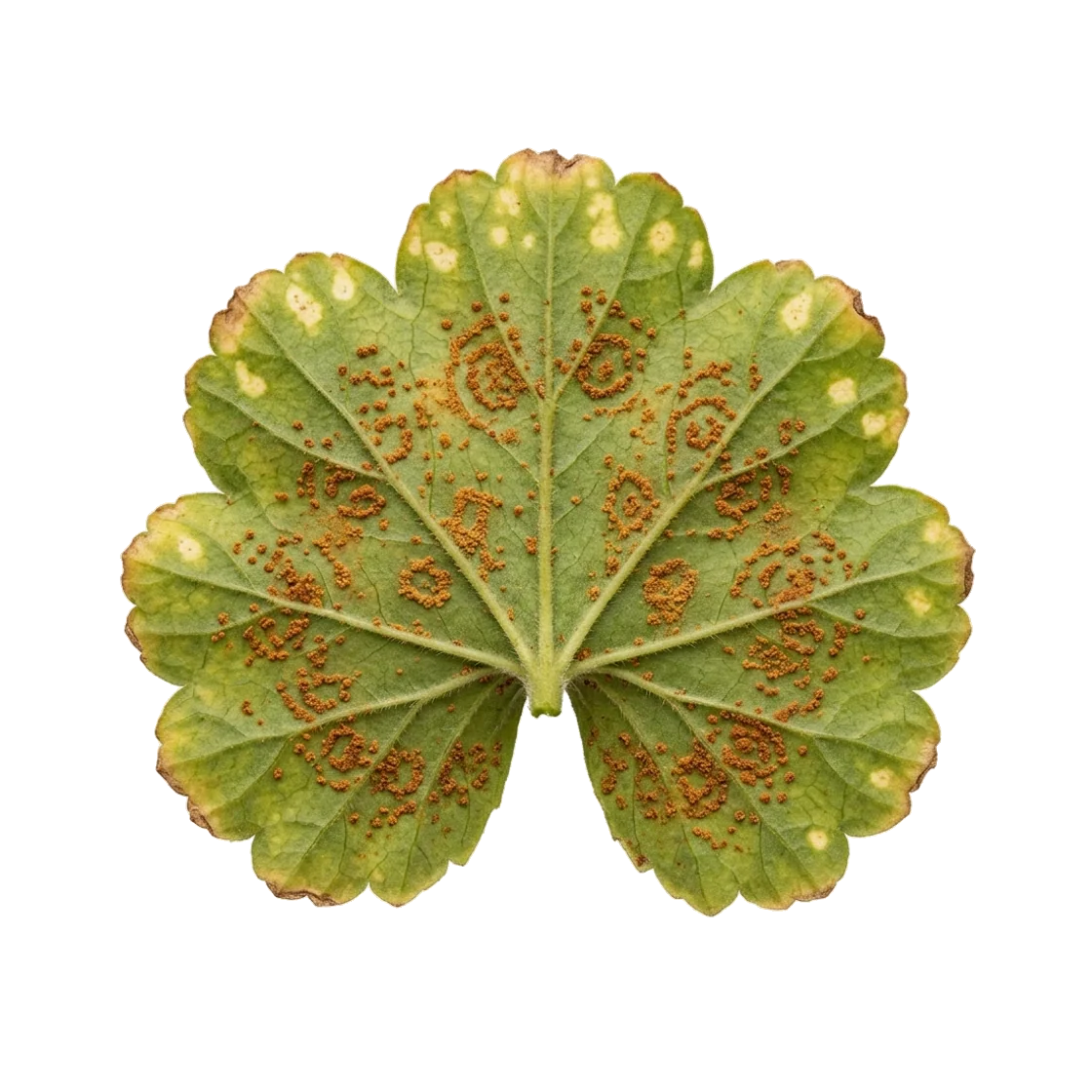
- Rust
- Spider mites


Frequently asked questions What people ask most.
Why are my rose leaves developing black spots and turning yellow?
This is typically black spot fungus, which thrives in wet, humid conditions on the foliage. Remove fallen infected leaves immediately, avoid overhead watering, and apply an appropriate fungicidal spray if needed.
When and how should I prune my rose bush?
Prune in late winter before new growth emerges, removing crossing, weak, and dead branches completely. Cut remaining healthy canes back by about one-third, making clean, angled cuts just above outward-facing buds.
Why is my rose bush not blooming?
The most common culprit is insufficient sunlight, as roses need at least six hours of direct sun daily to set buds. Excess nitrogen fertilizer can also promote lush green foliage at the expense of blossoms.
How do I manage aphids on the new shoots?
Rinse young shoots with a steady spray of water or apply insecticidal soap as soon as aphids appear. For persistent infestations, treat with diluted neem oil during cooler evening hours.