Loquat
Eriobotrya japonica
Loquat tree care at home: steady watering, light pruning, full sun and good soil for an abundant, sweet and juicy spring harvest every year.
- Light
- Full sun
- Temperature
- 15–25 °Cideal temperature
- Toxicity
- Non-toxic
- Difficulty
- Easy
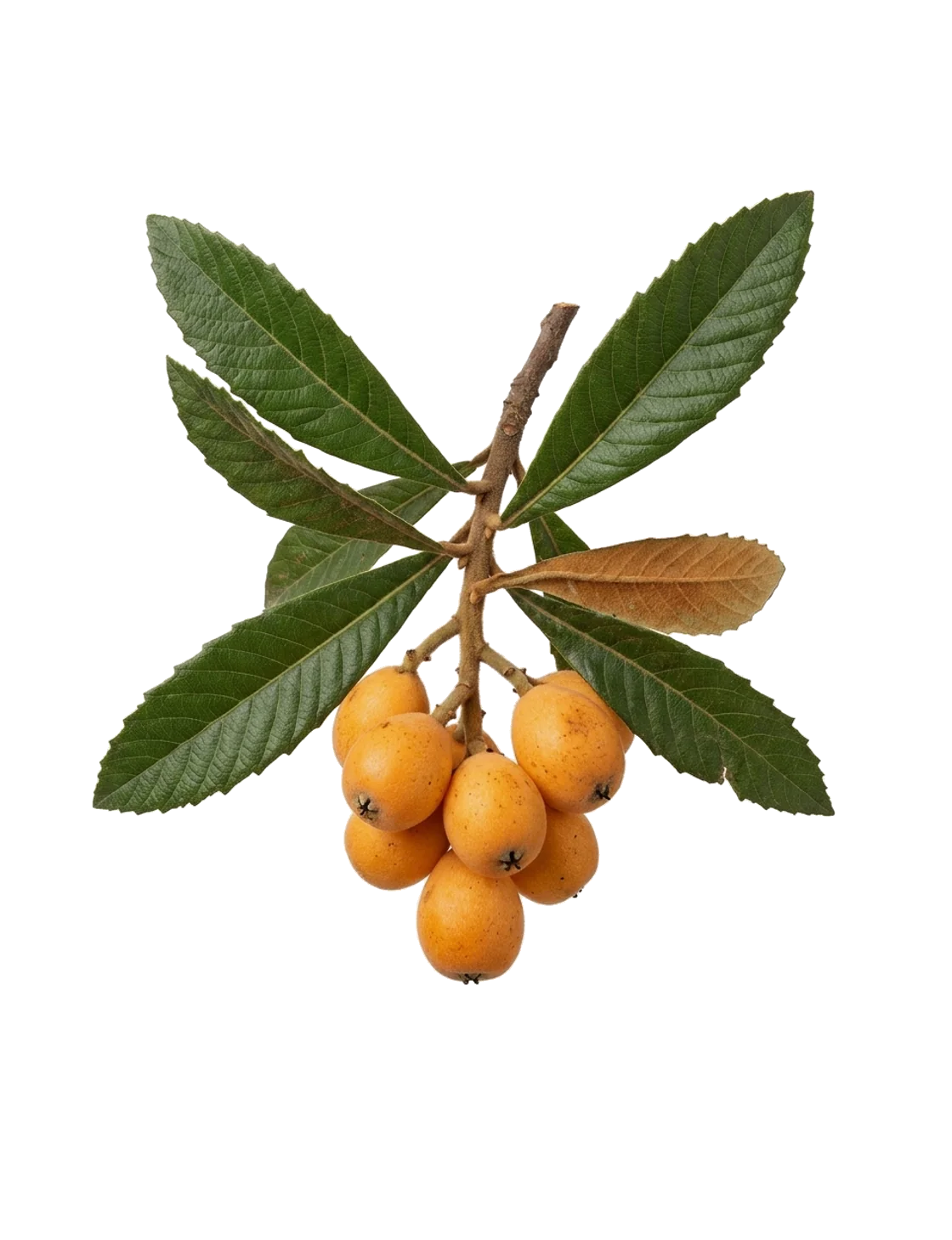
The loquat (Eriobotrya japonica) is an evergreen fruit tree in the rose family that, despite its name, is native to southeastern China. It has large, wrinkled, dark green leaves, sweetly scented white flowers that open in autumn, and clusters of round yellow-orange fruit ripening in spring. It is both an ornamental tree and a generous early fruit producer.
Its calendar runs backwards: it flowers when other fruit trees lose their leaves and ripens when spring arrives. That makes it easy to grow, since it asks for little beyond sun, reasonable soil, and water while the fruit swells. It also tolerates sea air and urban gardens well, adapting to pots when young.
Loquats are eaten fresh, picked fully colored and slightly soft, with a sweet-tart juice that does not travel well, which is why they taste best home-grown. The tree needs no winter chill and pollinates itself, so one specimen is enough. With light pruning after harvest and steady watering in spring, it fruits abundantly for decades.
Did you know?It blooms in autumn and ripens in spring, the reverse calendar of almost every other temperate fruit tree.
Care. What it needs, point by point.
- Watering
- Water regularly from flowering to harvest, keeping the soil lightly moist. Once established it tolerates short dry spells, and you can tell it needs water when the top centimeters of soil feel dry.
- Light
- Full sunIt prefers full sun, which sweetens the fruit, but tolerates light shade in hot climates. In shade the harvest is smaller, yet the tree stays healthy.
- Temperature
- 15–25 °C ideal temperatureIt grows well between 15 and 25 °C and tolerates light frosts down to about -5 °C once adult. Hard frosts during its autumn flowering can ruin the crop, so plant it in a sheltered spot.
- Soil
- It adapts to many soils as long as they drain well, from sandy to clayey if water does not sit. It dislikes only permanently waterlogged ground.
- Fertilizer
- Apply compost or a balanced fertilizer in late winter and again after harvest. It is not demanding, so two modest doses a year are enough for a healthy tree.
- Pruning
- Prune lightly after harvest to keep a balanced crown, removing crossing, damaged, and overly long branches. It fruits on the tips, so avoid shortening every shoot or you will remove next year's flowers.
- Propagation
- Varieties are grafted onto seedling loquats to keep fruit quality. Seeds germinate easily but give variable fruit and take many years to bear.
Where it grows. In the wild and in homes.
In the wild it grows in China, in a temperate climate.
People have also taken it to 61 more regions where it now grows on its own: South and Central America and the Caribbean, Africa, Europe, and tropical Asia.
Range: Plants of the World Online, Royal Botanic Gardens, Kew
Is Loquat toxic to cats and dogs?
The ASPCA doesn't list this species. If your pet has chewed it and seems unwell, call your vet.
Common problems What tends to go wrong.
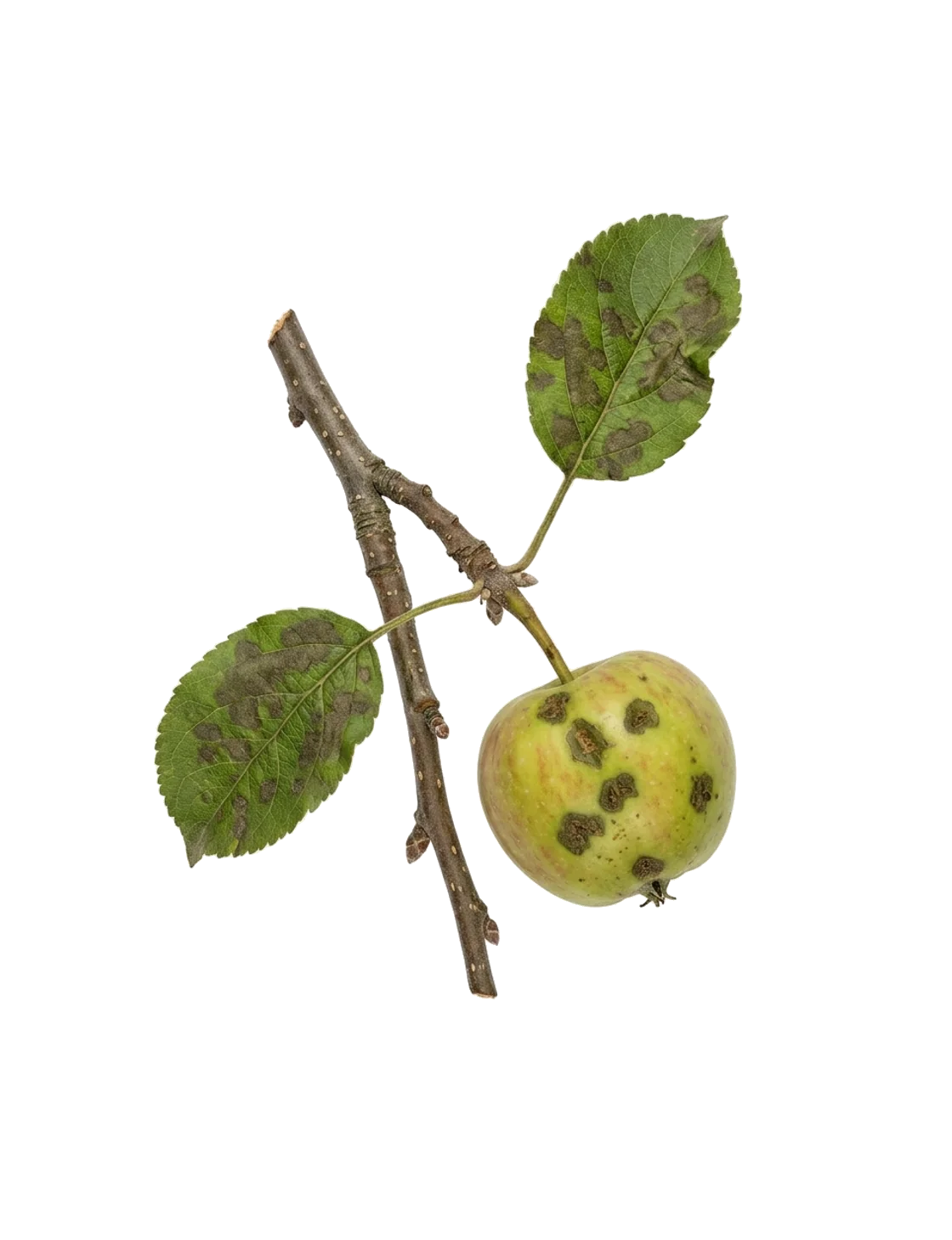
- Scab
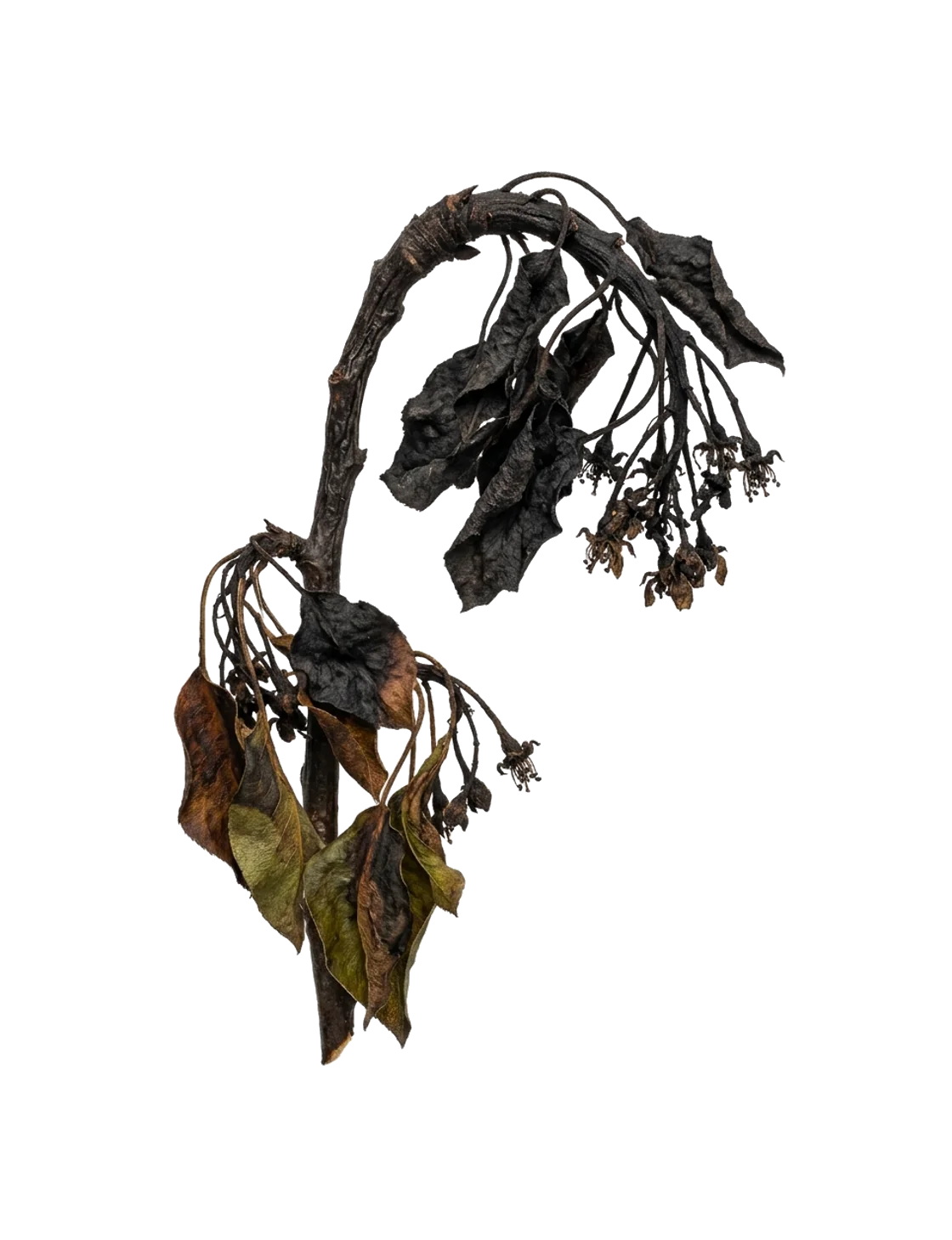
- Fire blight
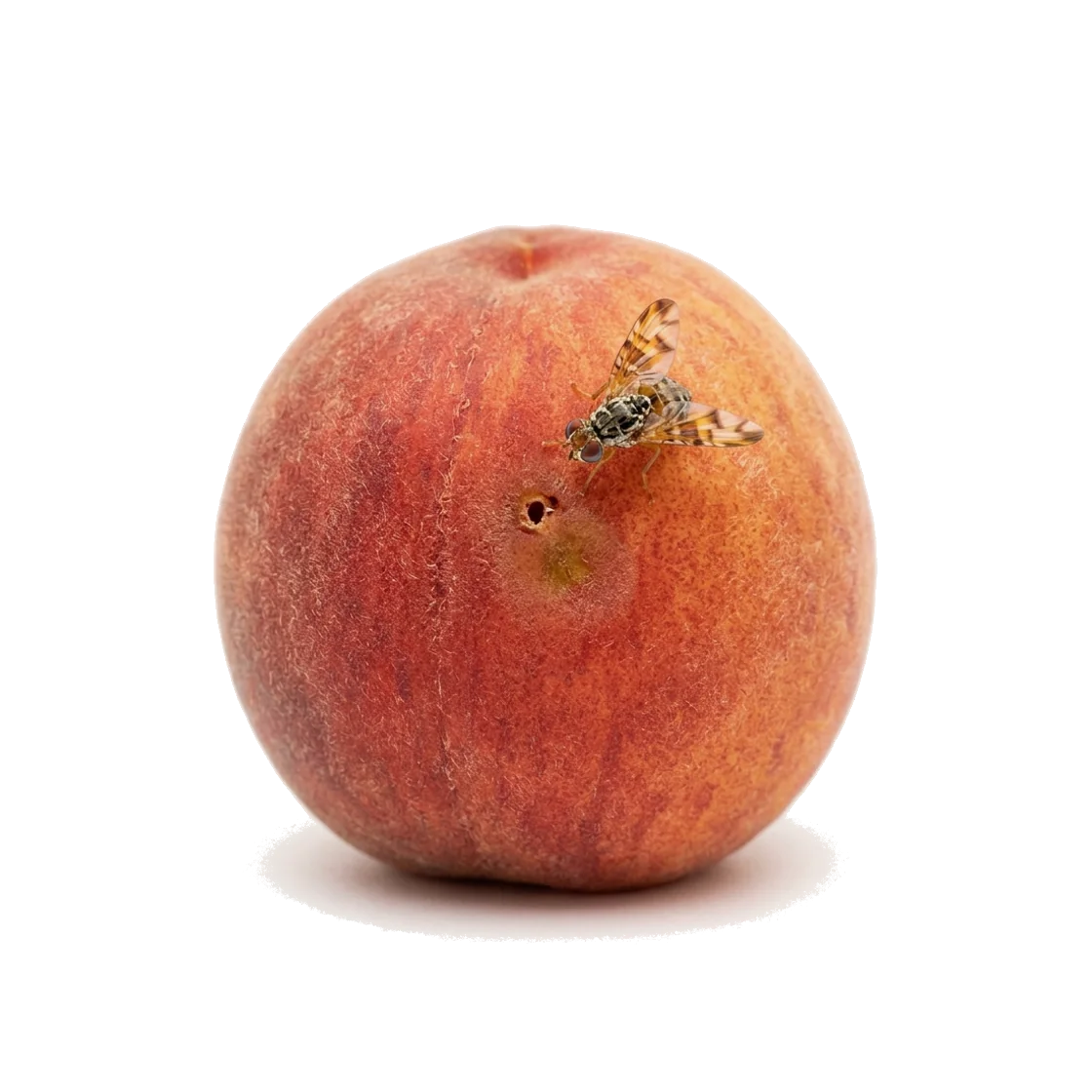
- Fruit fly
- Aphids

Frequently asked questions What people ask most.
Why does my loquat not set fruit?
Autumn frosts on the flowers are the most common cause, along with very young trees that still need a few years. Strong dry winds during flowering also hinder pollination.
When are loquats picked?
Pick them when fully yellow-orange and slightly soft, tasting one first since color alone can mislead. They do not ripen much off the tree, so harvest in passes as each cluster colors.
Can it be grown in a pot?
Yes, while young, in a large pot with well-drained substrate and a sunny, sheltered corner. Water and feed it a little more attentively than in the ground, and transplant it to soil when it outgrows the pot.
How is it pruned?
Prune right after harvest, thinning the crown and shortening only the longest branches. Avoid heavy pruning, because the fruit forms at the shoot tips and aggressive cuts remove the next flowering.