Mini monstera
Rhaphidophora tetrasperma
Learn how to care for your Mini Monstera (Rhaphidophora tetrasperma) with expert tips on watering, bright indirect light, and moss pole training.
- Light
- Indirect
- Watering
- 1×a week
- Temperature
- 18–26 °Cideal temperature
- Toxicity
- Non-toxic
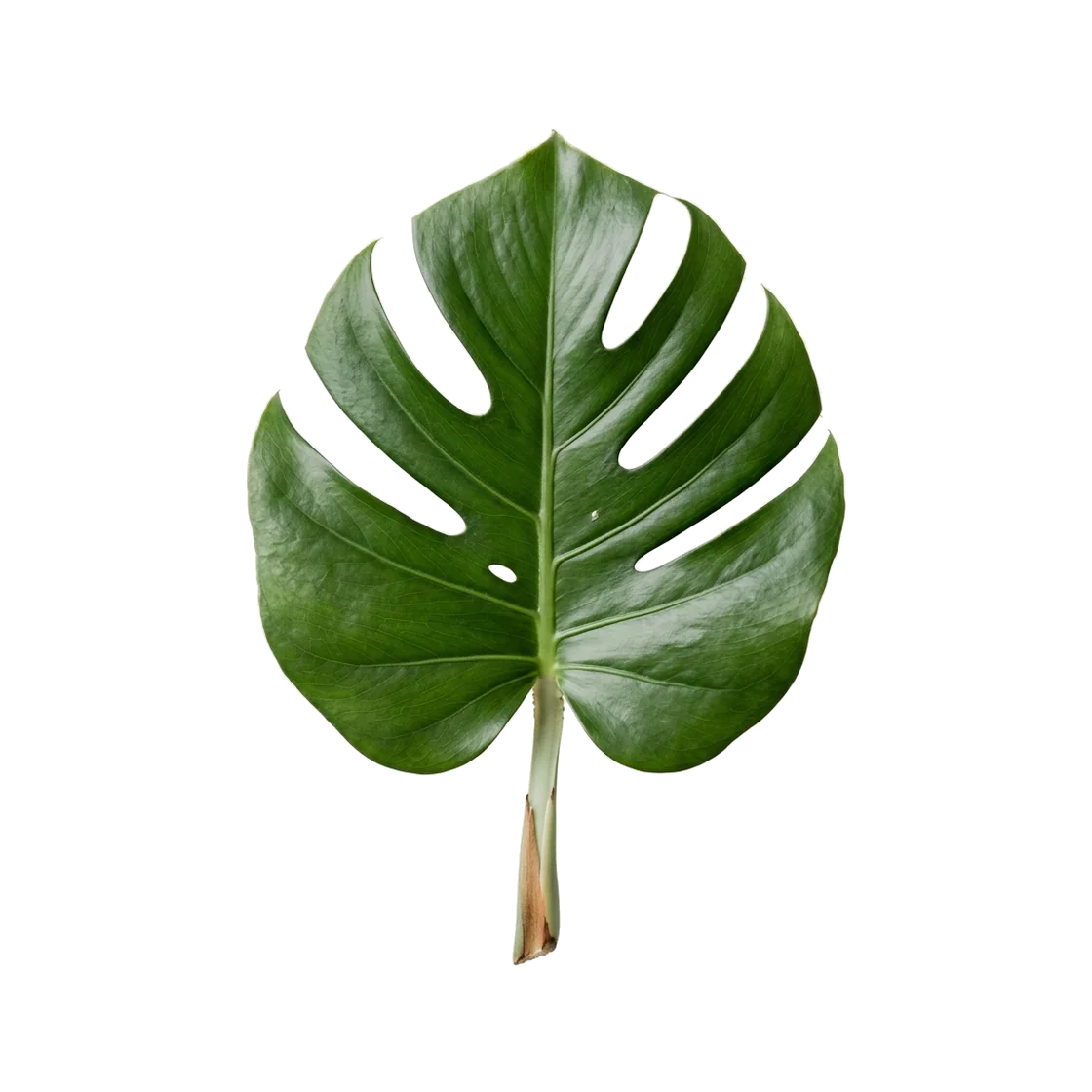
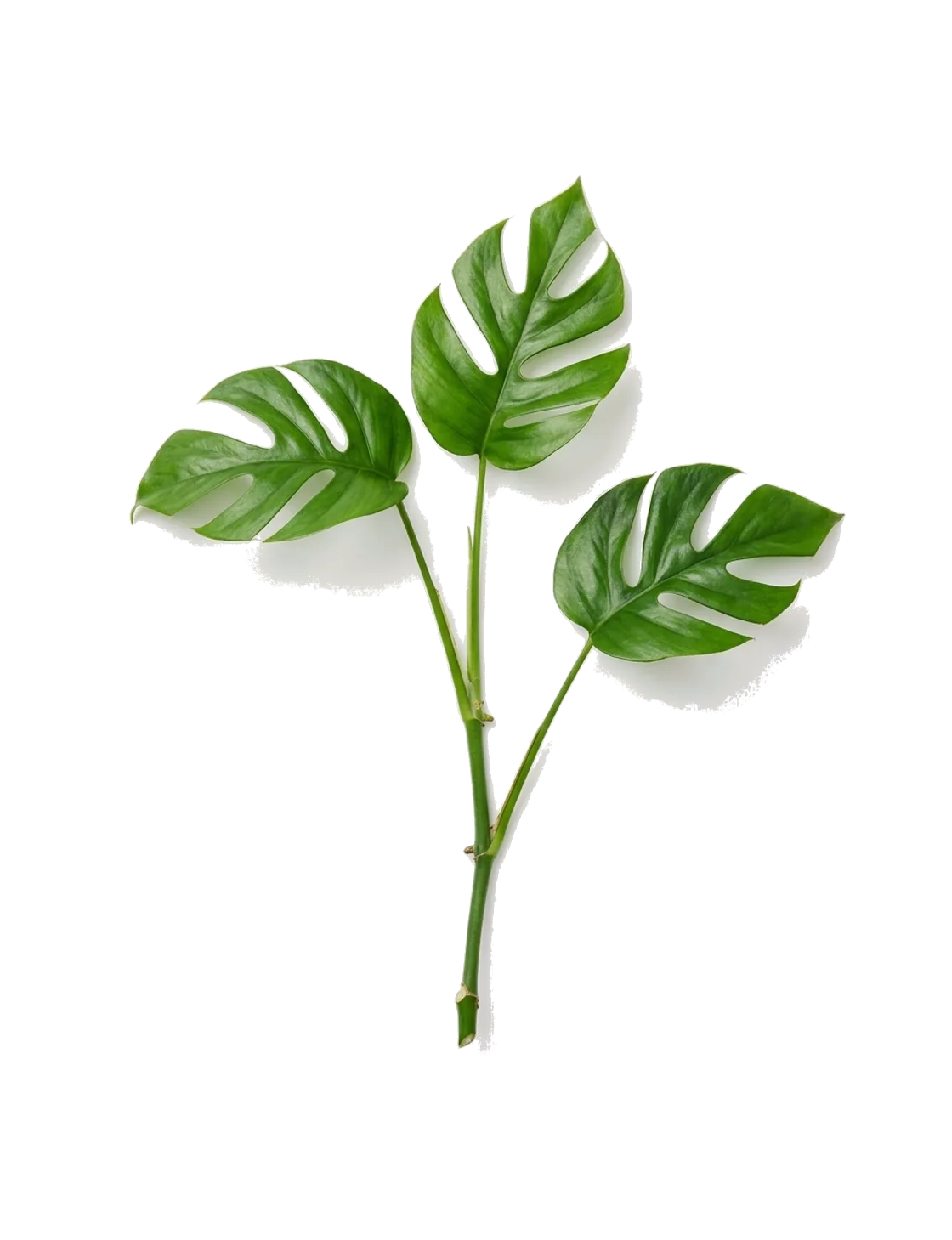
The mini monstera (Rhaphidophora tetrasperma) is a fast-growing vining plant native to the tropical rainforests of southern Thailand and Malaysia. While its dramatic fenestrated foliage bears an uncanny resemblance to Monstera deliciosa, it belongs to an entirely different genus within the Araceae family and stays much more manageable in size indoors.
In nature, it uses aerial roots to climb tree trunks toward the canopy light. Providing your specimen with a moss pole, cedar plank, or trellis indoors encourages larger foliage, shorter internodes, and well-defined splits, keeping the slender stems tidy and supported as they scramble upward rapidly during the active growing season.
Caring for this plant is straightforward, making it an excellent choice for beginner and seasoned houseplant enthusiasts alike. Given bright indirect light, consistent warmth, and well-draining soil that dries out slightly between waterings, it produces a steady stream of vibrant green leaves from early spring through autumn with very little fuss.
Did you know?Despite its common name, the mini monstera is not a true Monstera, but a distinct member of the genus Rhaphidophora.
Care. What it needs, point by point.
- Watering
- 1× a weekWater thoroughly once the top two inches of the potting mix feel dry to the touch. This generally means watering about once a week in spring and summer, reducing frequency during the winter dormancy. Always ensure the pot drains fully so roots never sit in standing water.
- Light
- IndirectProvide medium to bright indirect sunlight to promote compact growth and fenestrated leaves. Keep the plant away from harsh direct sun, which quickly scorches the tender foliage.
- Temperature
- 18–26 °C ideal temperatureIt thrives in standard household temperatures between 18 °C and 26 °C. Protect it from drafts caused by air conditioners or heaters, and never let it drop below 12 °C.
- Soil
- Use an airy, chunky aroid blend composed of quality potting soil, perlite, orchid bark, and coco coir to prevent compaction.
- Fertilizer
- Feed once a month throughout spring and summer using a balanced liquid houseplant fertilizer diluted to half strength.
- Pruning
- Trim leggy stems back to just above a leaf node during spring to control growth and encourage a bushier habit.
- Propagation
- Easily propagated through stem cuttings that contain at least one node and an aerial root nodule. Cuttings root reliably in a jar of water within three to four weeks before moving into soil.
Where it grows. In the wild and in homes.
In the wild it grows in Malesia and Indochina, in a wet tropical climate.
Range: Plants of the World Online, Royal Botanic Gardens, Kew
Is Mini monstera toxic to cats and dogs?
The ASPCA doesn't list this species. If your pet has chewed it and seems unwell, call your vet.
Common problems What tends to go wrong.
- Root rot
- Overwatering
- Too little light
- Spider mites
- Dry air





Frequently asked questions What people ask most.
Why are my mini monstera leaves missing their splits?
Lack of adequate bright indirect light is the most common reason for solid foliage. Very young juvenile plants also produce solid leaves until they mature and receive sufficient light and vertical climbing support.
Why are my mini monstera leaves turning yellow?
Widespread yellowing, especially on lower leaves accompanied by wet soil, points to overwatering. Allow the top half of the potting soil to dry out between waterings and confirm drainage holes are unclogged.
Does Rhaphidophora tetrasperma need a moss pole?
While it can be grown as a trailing plant, climbing on a moss pole encourages larger, more heavily fenestrated leaves. Vertical support also mimics its natural rainforest habit and keeps vine growth tidy.
How fast does a mini monstera grow?
Under warm temperatures and bright filtered light, it is an exceptionally fast grower that can push out several new leaves each month during spring and summer. Pruning the vine tips is often necessary to keep it compact.