Lucky bamboo
Dracaena sanderiana
Discover how to care for lucky bamboo in water or soil: bright indirect light, water changes, ideal temperature, and preventing yellow stems.
- Light
- Indirect
- Watering
- 1–2weeks between waterings
- Temperature
- 18–24 °Cideal temperature
- Pets
- Toxic
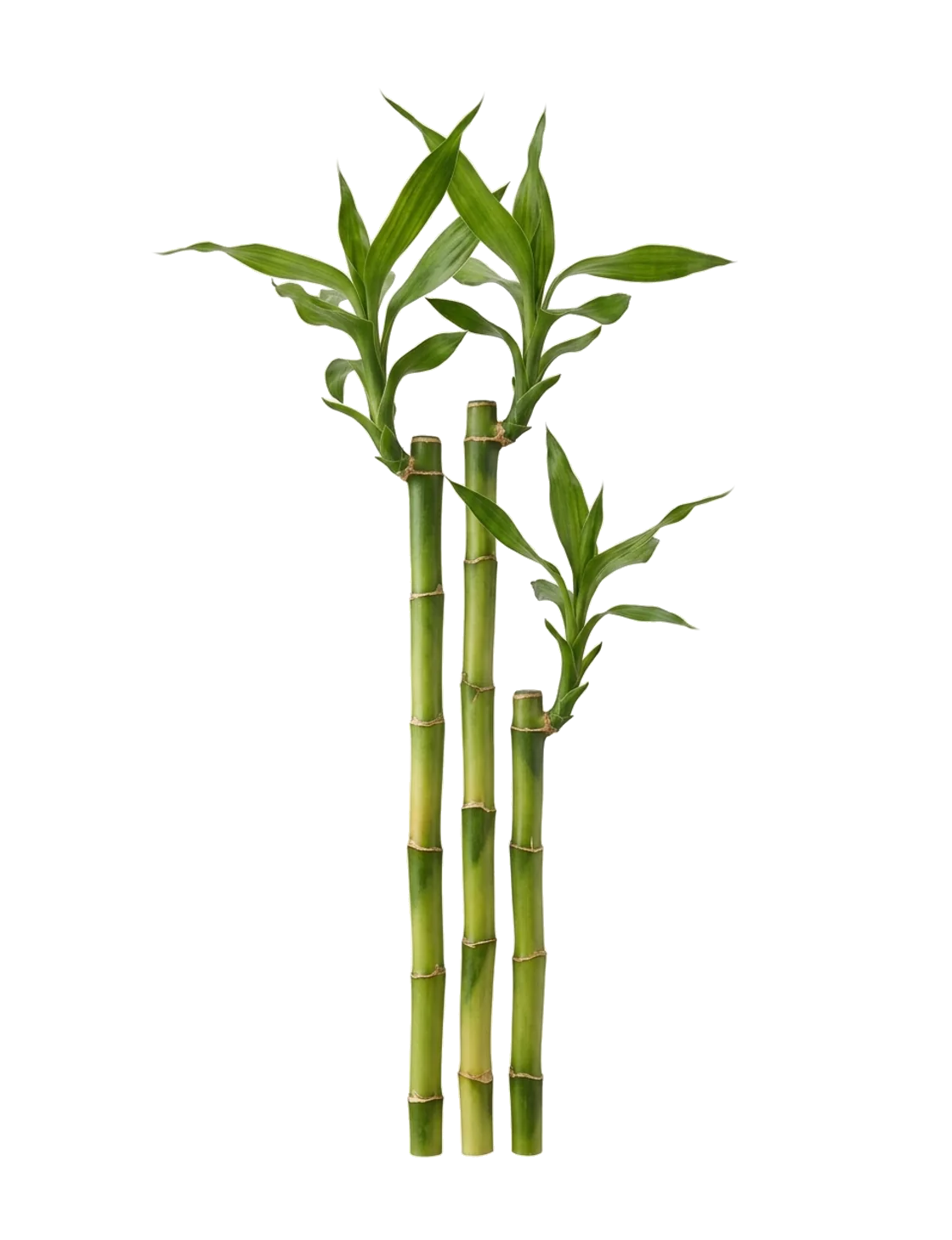
Lucky bamboo (Dracaena sanderiana) is one of the most widely cultivated indoor plants worldwide, renowned for its resilience and architectural appearance. Contrary to what its popular name implies, it is not a true bamboo at all, but rather a tropical shrub belonging to the asparagus family. It develops slender, segmented green stems topped with clusters of lance-shaped, vibrant leaves that bring a fresh touch to any room.
Most specimens are kept in vases filled with water and decorative pebbles, though they also grow vigorously when planted in standard potting soil. In either setup, the plant thrives in bright, filtered light and struggles under harsh direct sunlight, which scorches the foliage and discolors the green stalks. It is notably sensitive to chlorine, fluoride, and dissolved minerals commonly found in municipal tap water.
Thanks to its adaptable nature and compact footprint, lucky bamboo is a favorite for office desks, bathrooms, and living areas with stable warmth. Maintaining its health requires minimal effort, mainly consisting of periodic water refreshments or light soil watering. With basic care, this enduring plant will maintain its lush, vibrant green appearance for many years.
Did you know?Despite its strong association with Chinese culture and Feng Shui, lucky bamboo is actually native to the tropical rainforests of Central Africa.
Care. What it needs, point by point.
- Watering
- 1–2 weeks between wateringsWhen grown in water, replace the liquid every one to two weeks using filtered, distilled, or rainwater. In potting soil, water once the top inch feels dry, ensuring the pot drains freely.
- Light
- IndirectPosition the plant in moderate to bright indirect sunlight for steady foliage growth. Keep it away from direct sun exposure, which quickly burns and bleaches the leaves.
- Temperature
- 18–24 °C ideal temperatureIt grows best in a temperature range between 18 °C and 24 °C. Protect it from cold drafts, air conditioning vents, and temperatures dropping below 12 °C.
- Soil
- If potting in soil, use a well-aerated general-purpose potting mix combined with perlite for fast drainage.
- Fertilizer
- 2 months between feedsFeed with a single drop of highly diluted liquid fertilizer every two months in water, or monthly during spring in soil.
- Pruning
- Trim back overgrown shoots with clean shears just above a node to keep the plant bushy and compact.
- Propagation
- Take a healthy stem cutting with at least two nodes and place it in a jar of clean water. Roots will emerge from the nodes within a few weeks, ready for water or soil culture.
Where it grows. In the wild and in homes.
In the wild it grows in west-central tropical Africa and south tropical Africa, in a wet tropical climate.
People have also taken it to one more region where it now grows on its own: the Caribbean.
Range: Plants of the World Online, Royal Botanic Gardens, Kew
Is Lucky bamboo toxic to cats and dogs?
Toxic to cats and dogs.

Cats
Toxic

Dogs
Toxic
Usual signs
Vomiting (occasionally with blood), depression, anorexia, hypersalivation, and dilated pupils (in cats).
If your pet has chewed it and shows symptoms, call your vet or the nearest emergency vet.
Source · ASPCA Animal Poison Control
Common problems What tends to go wrong.
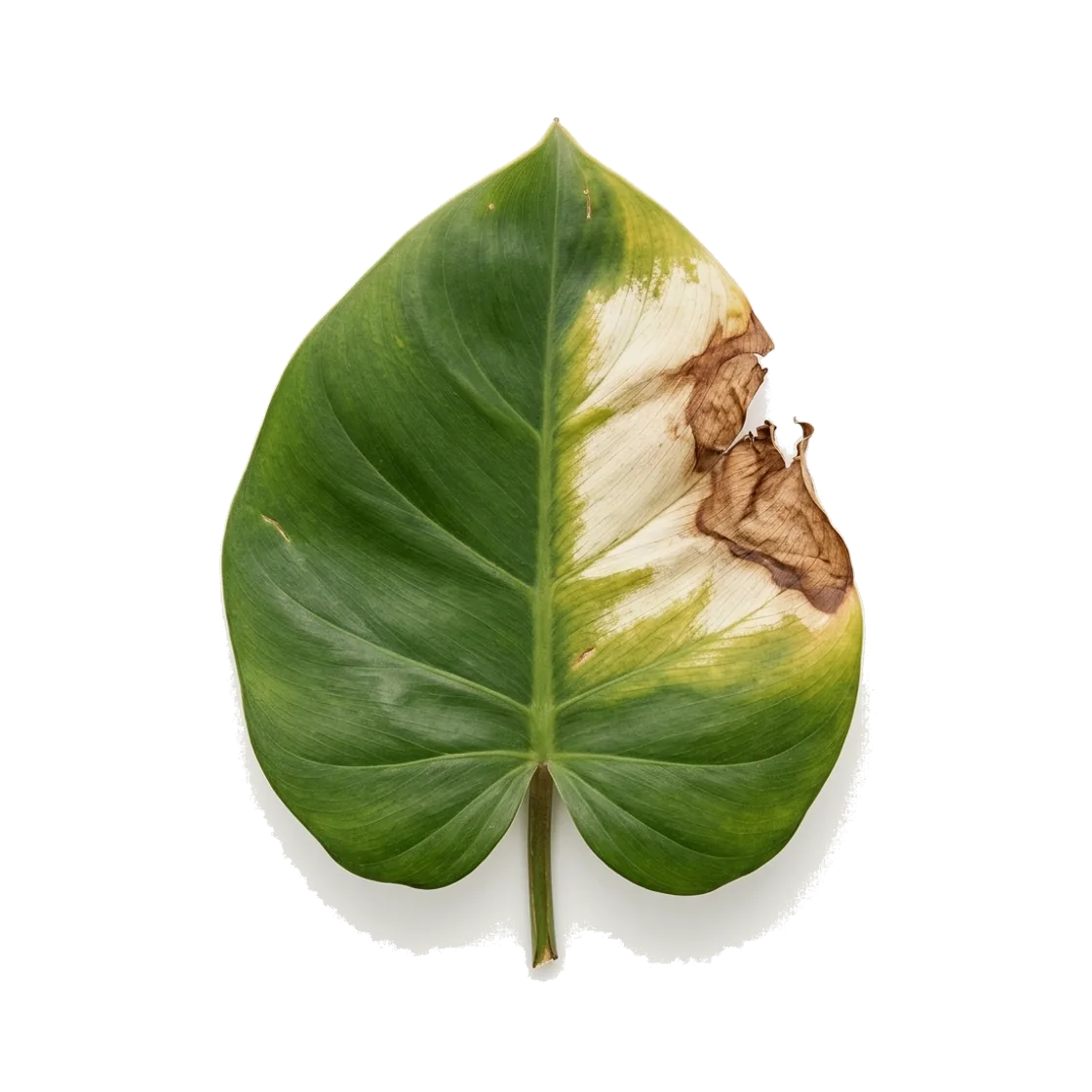
- Root rot
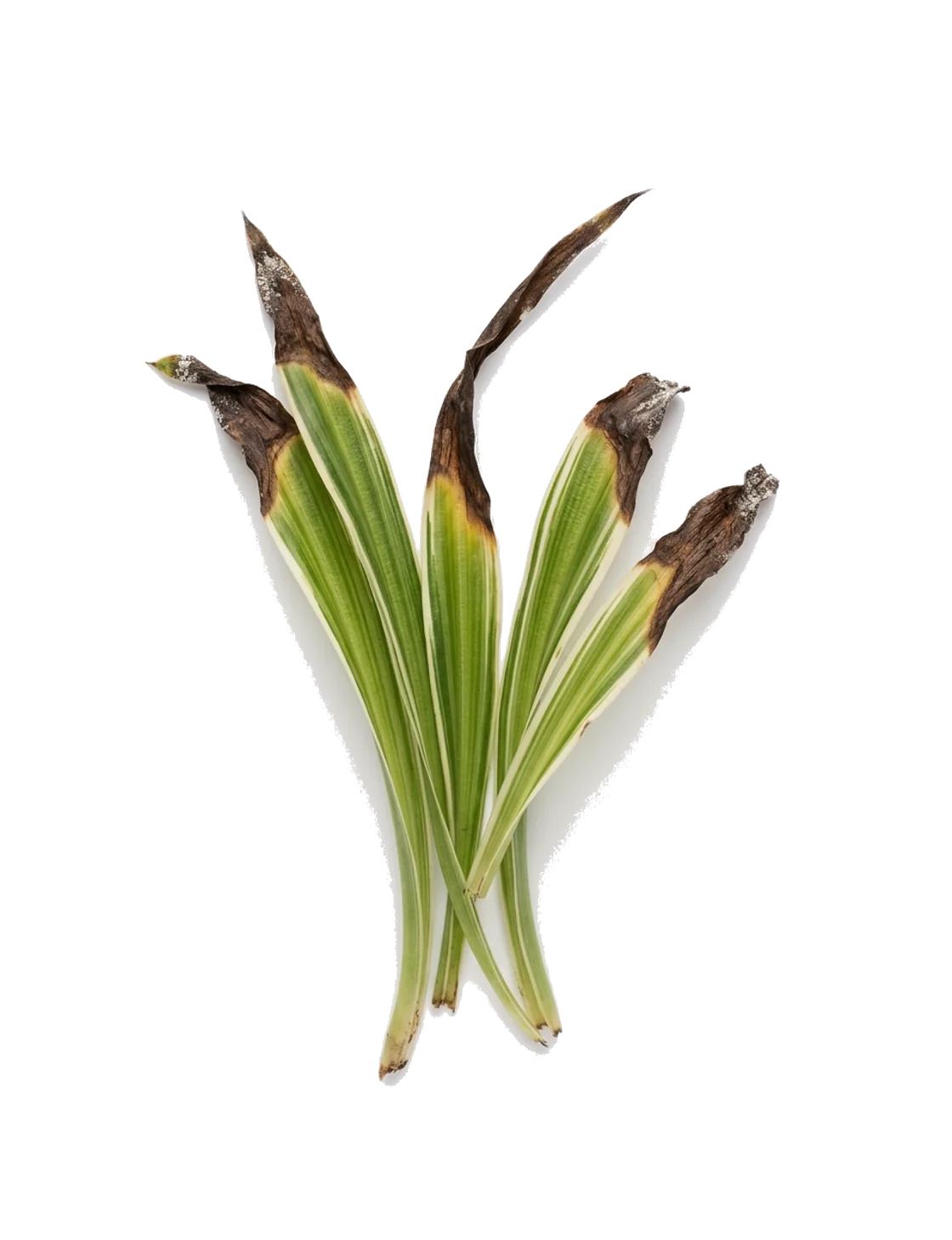
- Sunburn
- Salt or fertiliser build-up
- Too little light
- Mealybugs and scale



Frequently asked questions What people ask most.
Why are the stems or leaves turning yellow?
Yellowing is typically caused by direct sunlight or an excess of chemicals like fluoride and chlorine in tap water. Move the plant away from harsh sun and switch to distilled or filtered water.
Can lucky bamboo grow in soil?
Yes, lucky bamboo can transition to soil and often grows larger and stronger than in water alone. Keep the soil evenly moist during the first few weeks after potting to help the water roots adapt.
How often should I change the water?
Change the water every seven to fourteen days to prevent stagnant conditions and algal growth. Rinse the container and stones gently each time to maintain a clean environment.
What type of water is best for lucky bamboo?
Filtered, distilled, or gathered rainwater is ideal because this plant is sensitive to chemical additives. If you must use tap water, let it sit uncovered for twenty-four hours to let chlorine dissipate.