Japanese flowering cherry
Prunus serrulata
Japanese flowering cherry guide: planting, watering, pruning and care for a reliable display of spectacular spring blossom in gardens and courtyards.
- Light
- Full sun
- Temperature
- 12–24 °Cideal temperature
- Pets
- Toxic
- Difficulty
- Medium
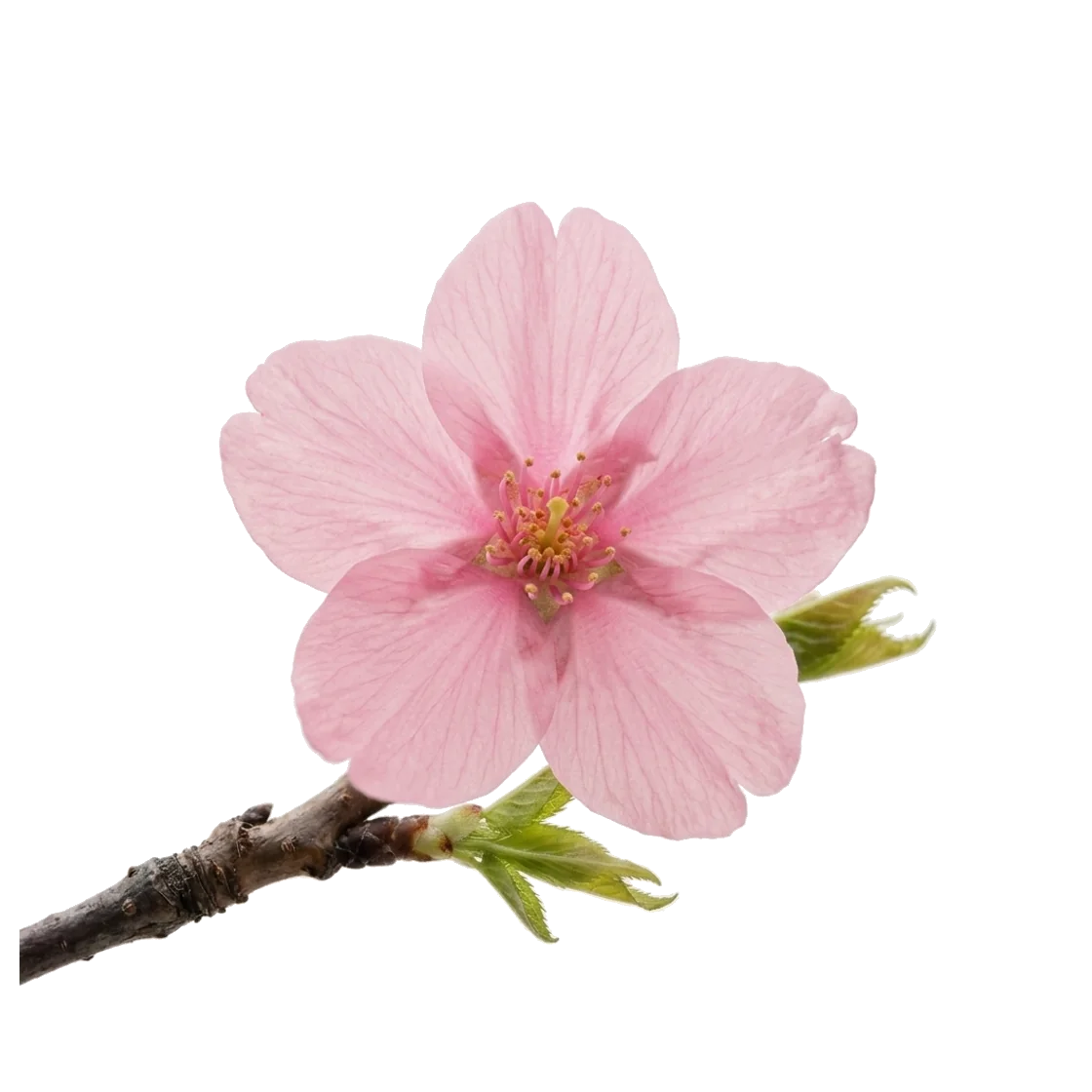
The Japanese flowering cherry (Prunus serrulata) is a deciduous tree of the rose family, Rosaceae, celebrated for its spectacular spring display of white to deep pink blossom. Native to Japan, Korea and eastern China, it forms a broad crown with glossy bark, oval toothed leaves with bronze-tipped spring growth, and clusters of single or double flowers. In autumn the foliage turns through gold, orange and red before falling.
It is an outdoor tree for gardens and streets that needs space for its wide crown and shallow roots. Trees are planted from autumn to early spring, with the graft union kept above the soil, and they bloom from March to April depending on the climate. Blossom lasts one to two weeks and is followed by small dark fruits that birds enjoy. A yearly mulch ring keeps the roots cool and protects the trunk from mowers.
Flowering cherries suit lawns, avenues and courtyards where their spring display can be seen from the house. They pair well with spring bulbs planted beneath the canopy and with shrubs that leaf out later. Given sun, drained soil and gentle pruning, a tree can live for decades and bloom faithfully every spring.
Did you know?During hanami, thousands of people gather under the blooming cherries to share food and admire the petals for a few short days.
Care. What it needs, point by point.
- Watering
- Water deeply during the first two summers while roots establish, letting the surface dry between waterings. Established trees usually manage with rainfall except in long droughts.
- Light
- Full sunPlant in full sun for the heaviest bloom and the best autumn colour. It tolerates light shade, but flowering becomes sparser inside the crown.
- Temperature
- 12–24 °C ideal temperatureIt grows best between 12 °C and 24 °C and withstands winter frosts down to about -15 °C. Late spring frosts can damage open blossom, so sheltered sites bloom more reliably.
- Soil
- Use deep, fertile, well-drained soil with a neutral to slightly acid reaction. It dislikes chalky ground and soil that stays waterlogged in winter.
- Fertilizer
- Feed young trees lightly in spring with compost or a balanced fertilizer. Established trees in good soil rarely need extra feeding.
- Pruning
- Prune only to remove dead, crossing or damaged branches, ideally in summer after flowering. Avoid heavy pruning, because large cuts heal slowly and spoil the shape.
- Propagation
- Named varieties are grafted by nurseries, as seedlings vary and take years to bloom. Cuttings root poorly, so home gardeners usually buy a grafted tree.
Where it grows. In the wild and in homes.
In the wild it grows in China and East Asia, in a temperate climate.
People have also taken it to one more region where it now grows on its own: New Zealand.
Range: Plants of the World Online, Royal Botanic Gardens, Kew
Is Japanese flowering cherry toxic to cats and dogs?
Toxic to cats and dogs.

Cats
Toxic

Dogs
Toxic
Usual signs
Stems, leaves and seeds contain cyanide, particularly dangerous when wilting: brick red mucous membranes, dilated pupils, difficulty breathing, panting and shock.
If your pet has chewed it and shows symptoms, call your vet or the nearest emergency vet.
Source · ASPCA Animal Poison Control
Common problems What tends to go wrong.
- Aphids
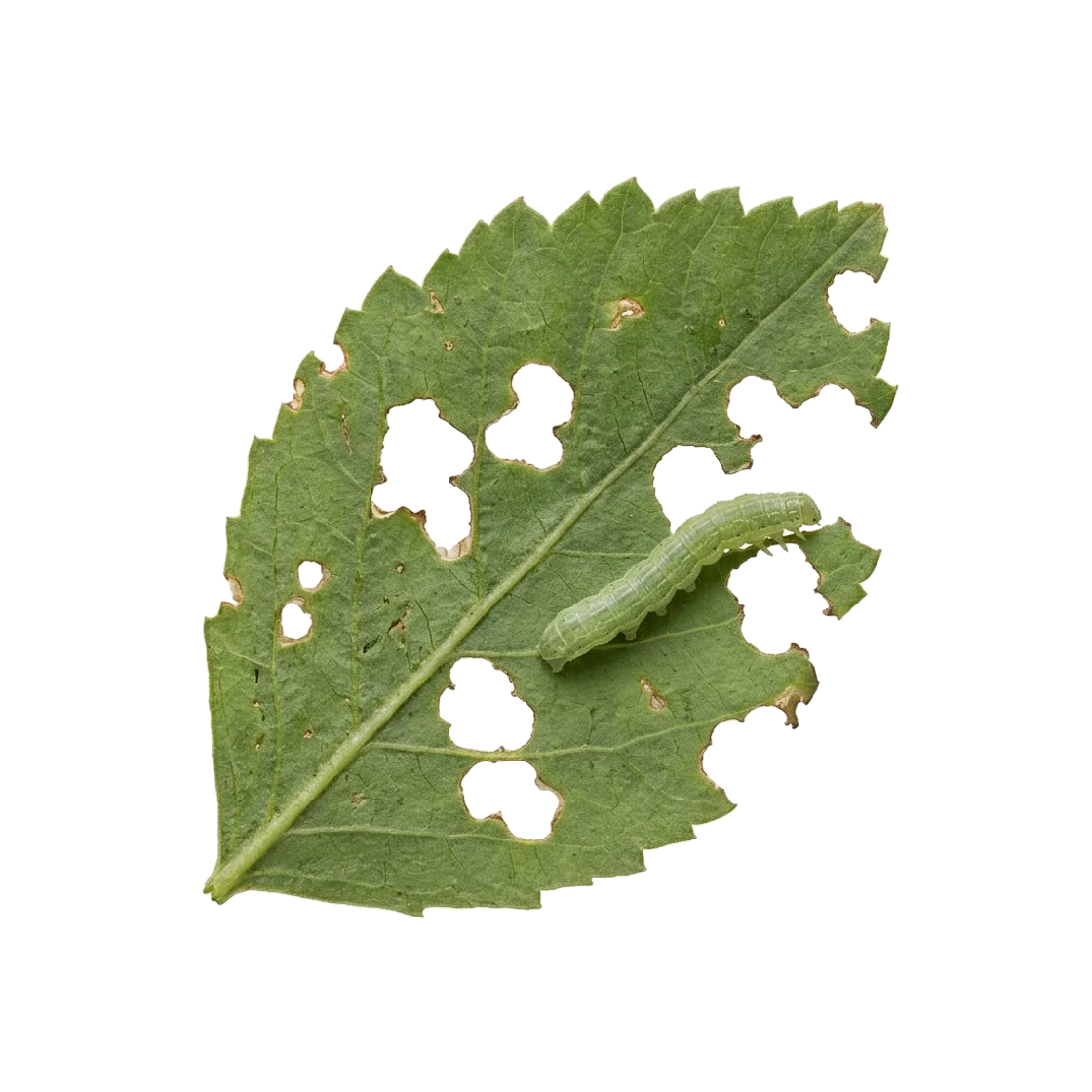
- Caterpillars
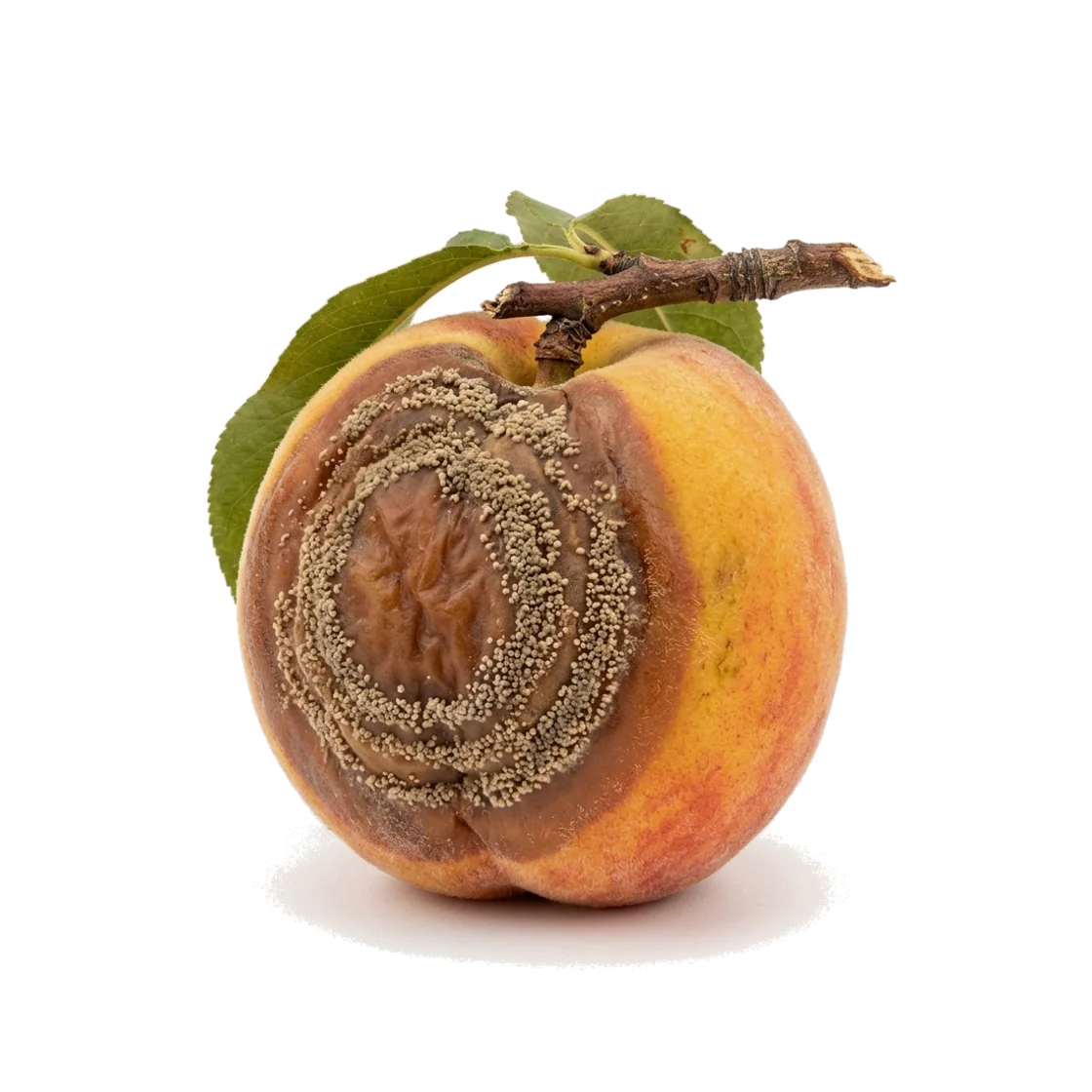
- Brown rot
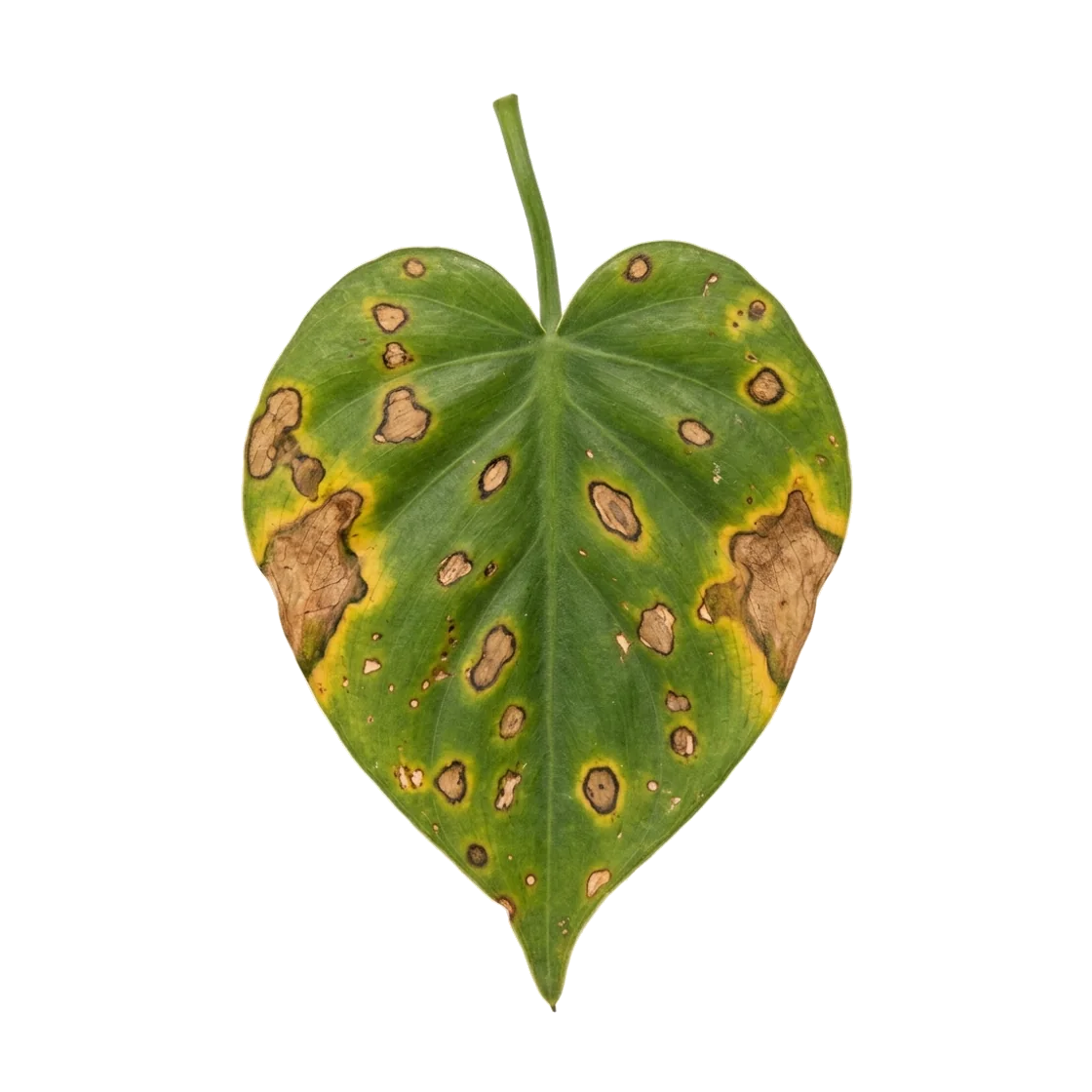
- Fungal or bacterial leaf spots

Frequently asked questions What people ask most.
Why does my flowering cherry not bloom?
Young trees often need three to five years before their first full bloom. Shade, hard winter pruning, and late frosts on the buds also reduce flowering. Plant in full sun and prune lightly in summer rather than winter.
How often should I water a Japanese cherry?
Water newly planted trees deeply once or twice a week during dry spells for the first two years. Established trees usually need no extra water except in prolonged drought. A thick mulch layer helps the soil hold moisture in summer.
When and how do I prune a flowering cherry?
Prune in summer, shortly after flowering, when wounds heal faster and disease pressure is lower. Remove only dead, crossing or inward-growing branches with clean sharp tools. Avoid large cuts and never leave stubs that rot back into the trunk.
Why do the leaves have holes and brown edges?
Wind scorch, late frost, or leaf-spot fungi can mark the foliage of ornamental cherries. Rake up fallen leaves, water at the base, and give the crown space and sun. Most trees leaf out normally again the following spring.
Can I grow a flowering cherry in a pot?
Only compact varieties suit large containers for a few years, as the species grows into a wide tree. Use a very large pot with drained loam-based compost and water faithfully in summer. Plant it out in the ground once roots fill the container.