Spineless yucca
Yucca guatemalensis
Learn how to care for spineless yucca (Yucca guatemalensis): light needs, watering tips, well-draining soil, and fixing common yellow leaf problems.
- Light
- Direct sun
- Watering
- 2–3weeks between waterings
- Temperature
- 16–26 °Cideal temperature
- Pets
- Toxic
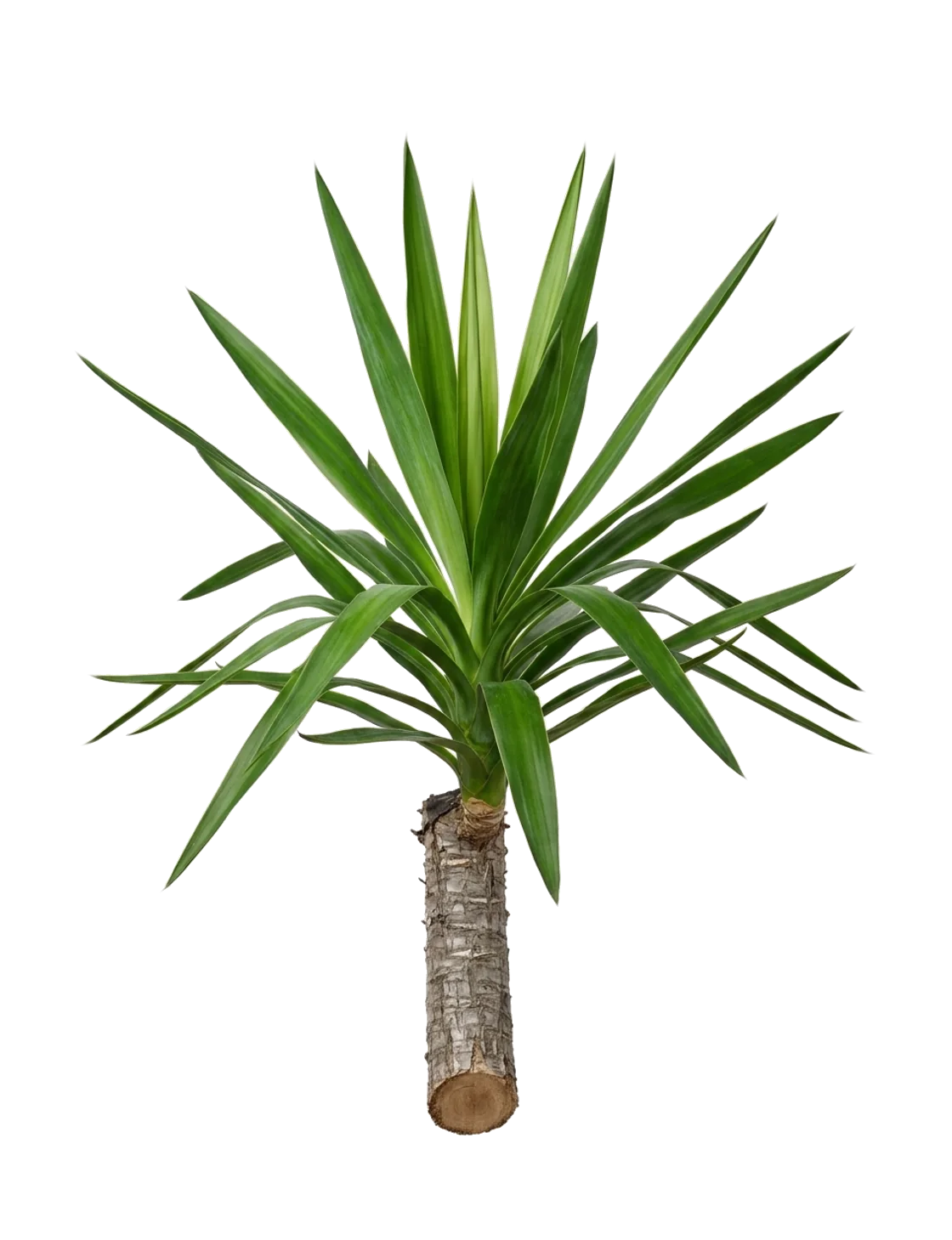
The spineless yucca (Yucca guatemalensis), also commonly known as the giant yucca or stick yucca, is an arborescent plant native to Central America and Mexico. It features thick, woody cane trunks resembling miniature tree stems, topped by graceful rosettes of broad, arching evergreen foliage. Unlike many other species in the genus, its leaves lack sharp terminal spines, making it a safe and practical houseplant.
In domestic cultivation, it has earned a reputation as one of the sturdiest and most reliable greenery choices for homes and offices. Its slow growth habit in containers ensures that it remains manageable in size for many years without quickly outgrowing its spot. With its strong vertical silhouette, it brings an attractive architectural presence to bright living spaces and covered patios.
Outstanding drought tolerance is this plant's greatest strength, as its swollen base and fleshy cane store substantial water reserves. It easily handles occasional missed waterings and dry indoor air, though it will not tolerate constantly soggy compost. Provided it receives ample bright light, a spineless yucca can thrive indoors for decades with remarkably little fuss.
Did you know?Unlike wild desert yuccas, its leaf tips are pliable and lack sharp thorns, which inspired its common name, spineless yucca.
Care. What it needs, point by point.
- Watering
- 2–3 weeks between wateringsWater thoroughly only when the potting mix has completely dried out through most of the pot, typically every two to three weeks during warm weather. In winter, reduce watering frequency significantly to about once a month to prevent stem rot.
- Light
- Direct sunProvide plenty of bright light, ideally near an east- or south-facing window with some direct sun. Insufficient lighting will cause weak, floppy growth and dull foliage.
- Temperature
- 16–26 °C ideal temperatureIt thrives best in temperatures between 16 °C and 26 °C throughout the growing season. Protect the plant from cold drafts and never expose it to prolonged temperatures below 7 °C.
- Soil
- Use a gritty, well-draining potting soil formulated for cacti and succulents or mix standard houseplant compost with coarse sand and perlite. Sharp drainage is essential to protect its root system.
- Fertilizer
- Feed once a month from mid-spring through late summer using a balanced liquid fertilizer diluted to half strength. Suspend feeding entirely during autumn and winter when growth slows down.
- Pruning
- Peel away brown, spent lower leaves along the trunk to keep the plant tidy. You can cut tall canes back in spring if they outgrow your ceiling, which will stimulate fresh side shoots.
- Propagation
- Propagate by taking cane cuttings or removing mature basal offshoots with a clean, sharp knife. Allow the cut ends to callus for a few days before potting them into lightly moist, gritty compost.
Where it grows. In the wild and in homes.
In the wild it grows in Central America and Mexico, in a seasonally dry tropical climate.
People have also taken it to 7 more regions where it now grows on its own: South and Central America and the Caribbean and Europe.
The Florami community has photographed it in España.
Range: Plants of the World Online, Royal Botanic Gardens, Kew
Is Spineless yucca toxic to cats and dogs?
Toxic to cats and dogs.

Cats
Toxic

Dogs
Toxic
Usual signs
In dogs and cats, it can cause vomiting; in horses, liver disease and dermatitis.
If your pet has chewed it and shows symptoms, call your vet or the nearest emergency vet.
Source · ASPCA Animal Poison Control
Gallery As the community sees it.
Photo · Cillas · CC BY-SA 4.0
Common problems What tends to go wrong.
- Root rot
- Overwatering
- Too little light
- Mealybugs and scale
- Natural ageing




Frequently asked questions What people ask most.
Why are the lower leaves turning yellow?
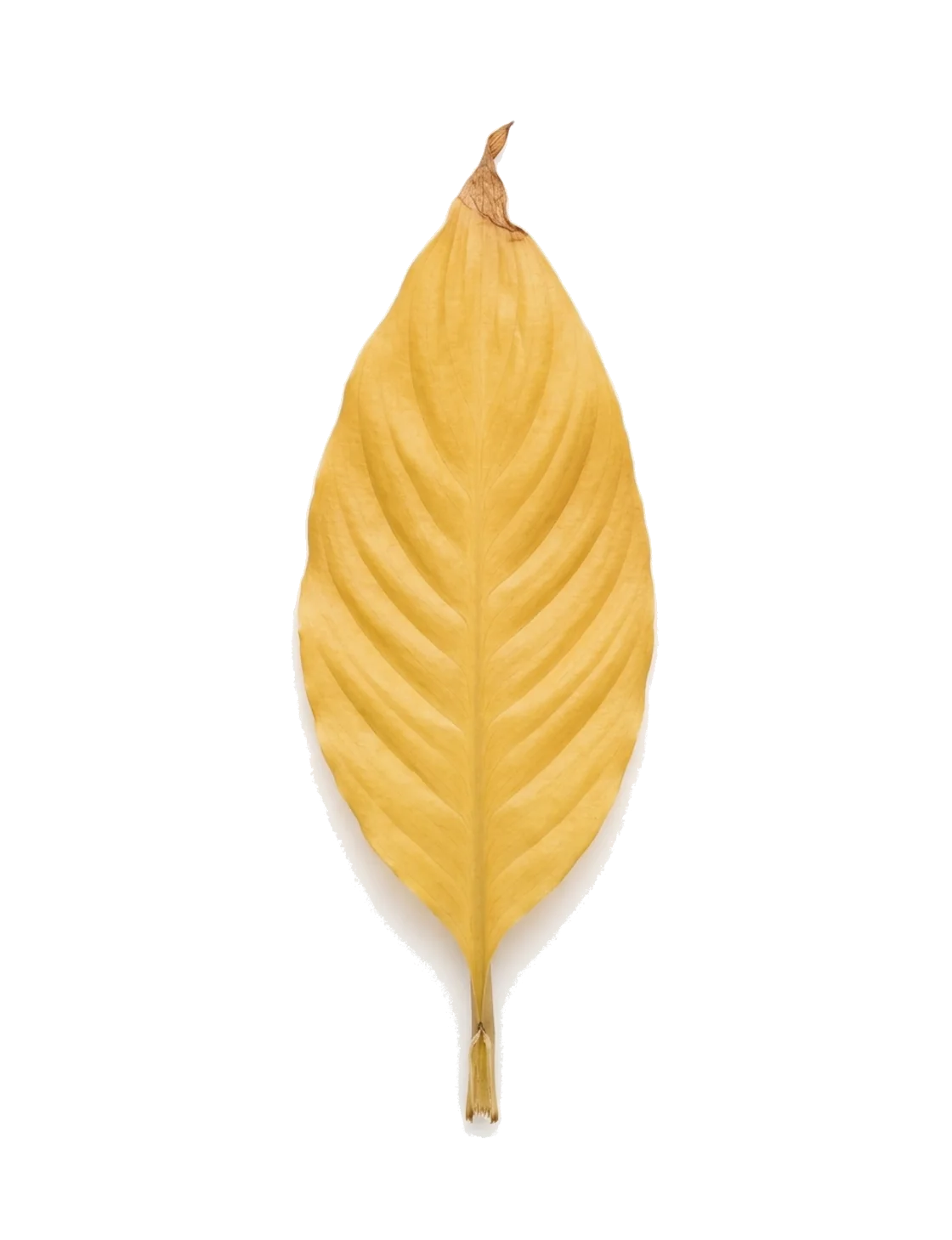
The occasional loss of older lower leaves is part of the plant's natural shedding process as the cane extends. However, widespread yellowing accompanied by soft foliage is almost always a sign of overwatering.
What causes a soft or mushy cane trunk?
A soft cane is a classic symptom of root rot brought on by saturated potting mix and poor drainage. Stop watering immediately, inspect the root ball for black or mushy roots, and repot into fresh, dry soil.
Can it live outdoors year-round?
Spineless yucca can stay outdoors all year only in frost-free, temperate or Mediterranean climates. In cooler areas, move it outside to a sunny patio for the summer and bring it indoors before temperatures dip below 10 °C.
How often does it need repotting?
Because of its slow growth, repotting is generally needed only every two to three years in early spring. For very large specimen pots, simply refresh the top few inches of compost annually instead of full repotting.