Flamingo flower
Anthurium andraeanum
Complete care guide for the flamingo flower. Learn ideal watering, indirect light, humidity, and soil requirements to enjoy long-lasting indoor blooms.
- Watering
- 1×a week
- Temperature
- 18–26 °Cideal temperature
- Toxicity
- Non-toxic
- Difficulty
- Medium
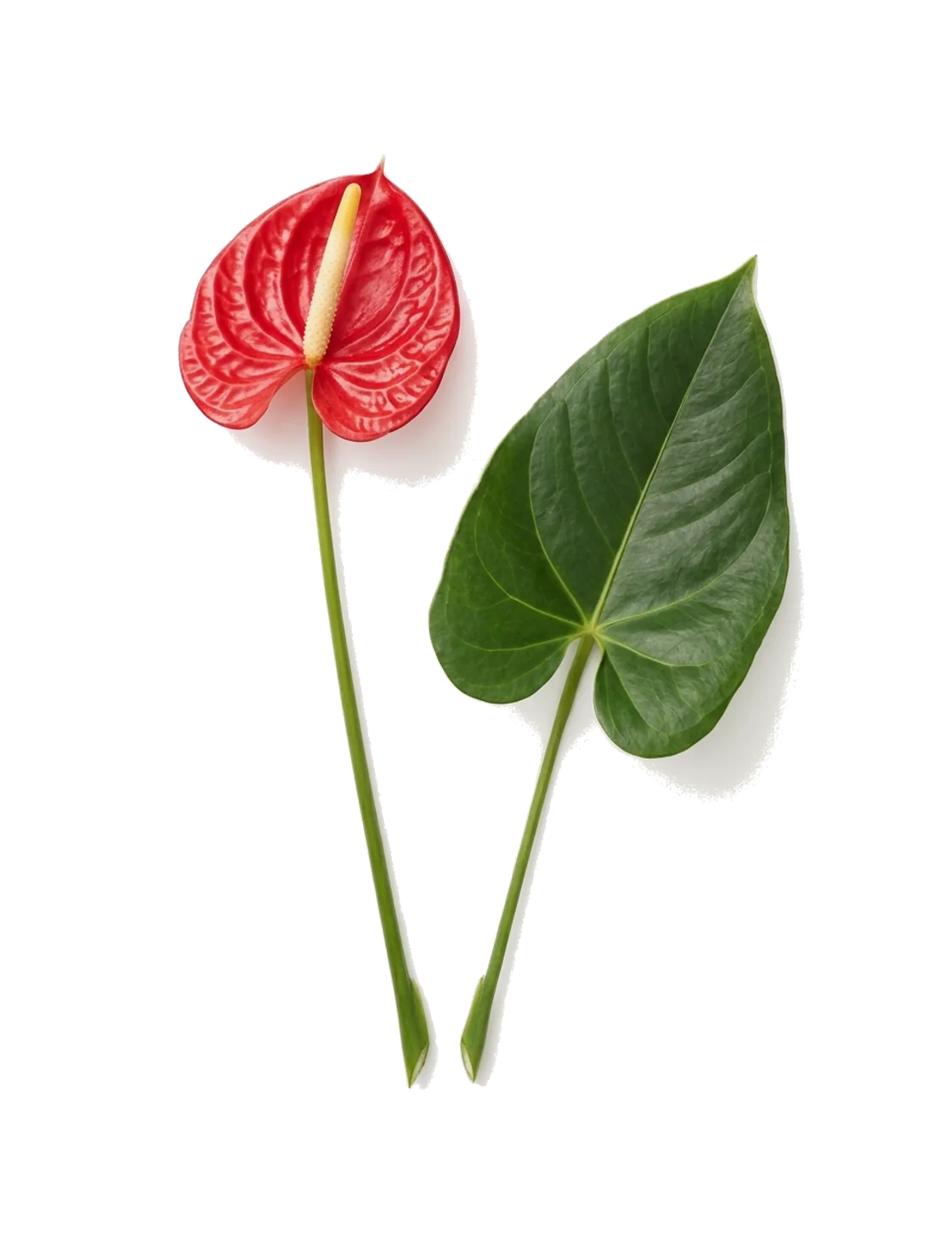
Native to the tropical rainforests of Colombia and Ecuador, the flamingo flower (Anthurium andraeanum) is a celebrated indoor specimen renowned for its glossy, heart-shaped foliage and striking floral displays. Its deep green leaves grow in lush, compact clumps that provide elegant decorative value year-round, even between active blooming cycles.
The plant is famous for its vibrant, waxy spathes, most commonly bright red, though modern cultivars also showcase shades of pink, white, purple, and salmon. Emerging gracefully from the center of each spathe is the spadix, a slender spike covered with tiny florets. Under favorable indoor conditions, these showy structures can easily remain pristine for several weeks or even months.
Because it lives as an epiphyte in its native canopy habitat, this plant requires superior root aeration and consistent ambient humidity rather than dense, heavy soil. It thrives best in warm, brightly lit rooms away from harsh direct sunlight, chilly drafts, and the dry air produced by household heating units.
Did you know?The colorful heart-shaped structure is not a petal, but a modified leaf called a spathe that shields the central flowering spadix.
Care. What it needs, point by point.
- Watering
- 1× a weekWater thoroughly once the top half of the potting medium dries out, roughly once a week in summer and less often in winter. Never allow water to pool in saucers to protect the roots from rotting.
- Light
- Place in bright, filtered light away from harsh direct midday sun that can scorch leaves and flowers. Inadequate lighting will quickly stop the plant from developing new blooms.
- Temperature
- 18–26 °C ideal temperatureMaintain ambient temperatures between 18 °C and 26 °C throughout the year. The plant will suffer stress and decline if exposed to cold conditions below 15 °C.
- Soil
- Use a coarse, airy mix containing orchid bark, peat moss, and perlite that drains freely while retaining light moisture.
- Fertilizer
- 3 weeks between feedsFeed every three weeks during spring and summer with a balanced flowering plant fertilizer diluted to half strength.
- Pruning
- Remove spent blooms and yellowing bottom leaves by cutting their stems near the base with sanitized shears.
- Propagation
- Propagate by division when repotting healthy root-bound plants in the spring. Ensure every separated section includes healthy roots and several well-formed leaves.
Where it grows. In the wild and in homes.
In the wild it grows in western South America, in a wet tropical climate.
People have also taken it to 3 more regions where it now grows on its own: the Caribbean.
Range: Plants of the World Online, Royal Botanic Gardens, Kew
Is Flamingo flower toxic to cats and dogs?
The ASPCA doesn't list this species. If your pet has chewed it and seems unwell, call your vet.
Common problems What tends to go wrong.
- Root rot
- Dry air
- Too little light
- Mealybugs and scale
- Overwatering




Frequently asked questions What people ask most.
Why is my flamingo flower not blooming?
Low light levels are the most common cause behind a lack of flowers. Shift the plant into a brighter room with ample indirect sunlight and supply mild fertilizer during the active growing season.
Why are the leaf tips turning brown and dry?
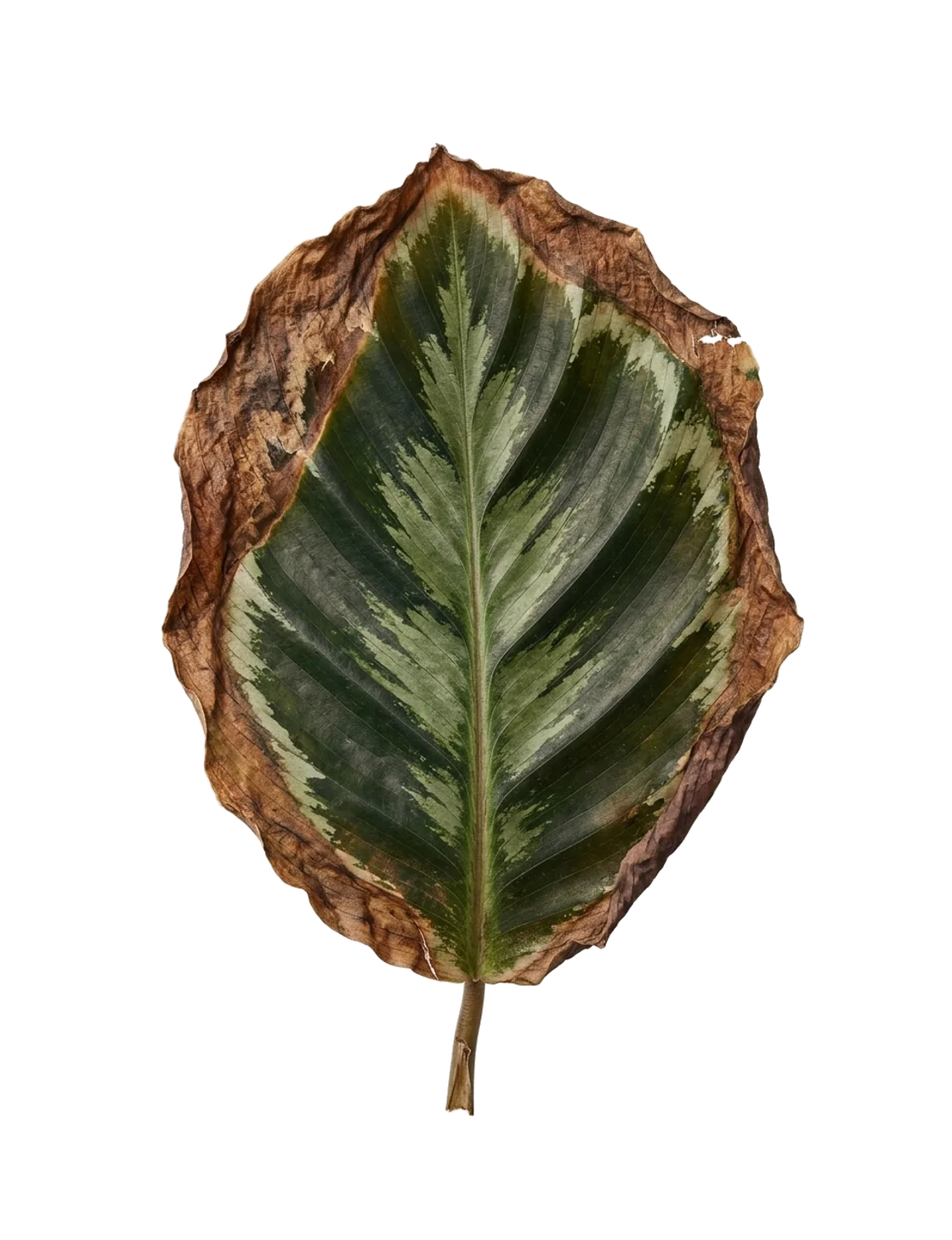
Dry indoor air or heating radiators commonly cause brittle, brown leaf tips. Boost ambient humidity by grouping plants together, running a room humidifier, or setting the container on a wet pebble tray.
Why are the leaves turning yellow?
Yellowing leaves typically indicate overwatering or poorly aerated soil that retains too much moisture. Space out watering sessions and verify that the pot drains freely from the base.
How long do flamingo flowers last?
A single spathe generally stays fresh and colorful for six to eight weeks on the plant. It will eventually turn green or dry out as it completes its natural life cycle.