Fishbone prayer plant
Ctenanthe burle-marxii
Fishbone prayer plant: care guide with humidity, watering and indirect light for patterned leaves that lift and move at night in rooms.
- Light
- Indirect
- Temperature
- 18–26 °Cideal temperature
- Toxicity
- Non-toxic
- Difficulty
- Medium
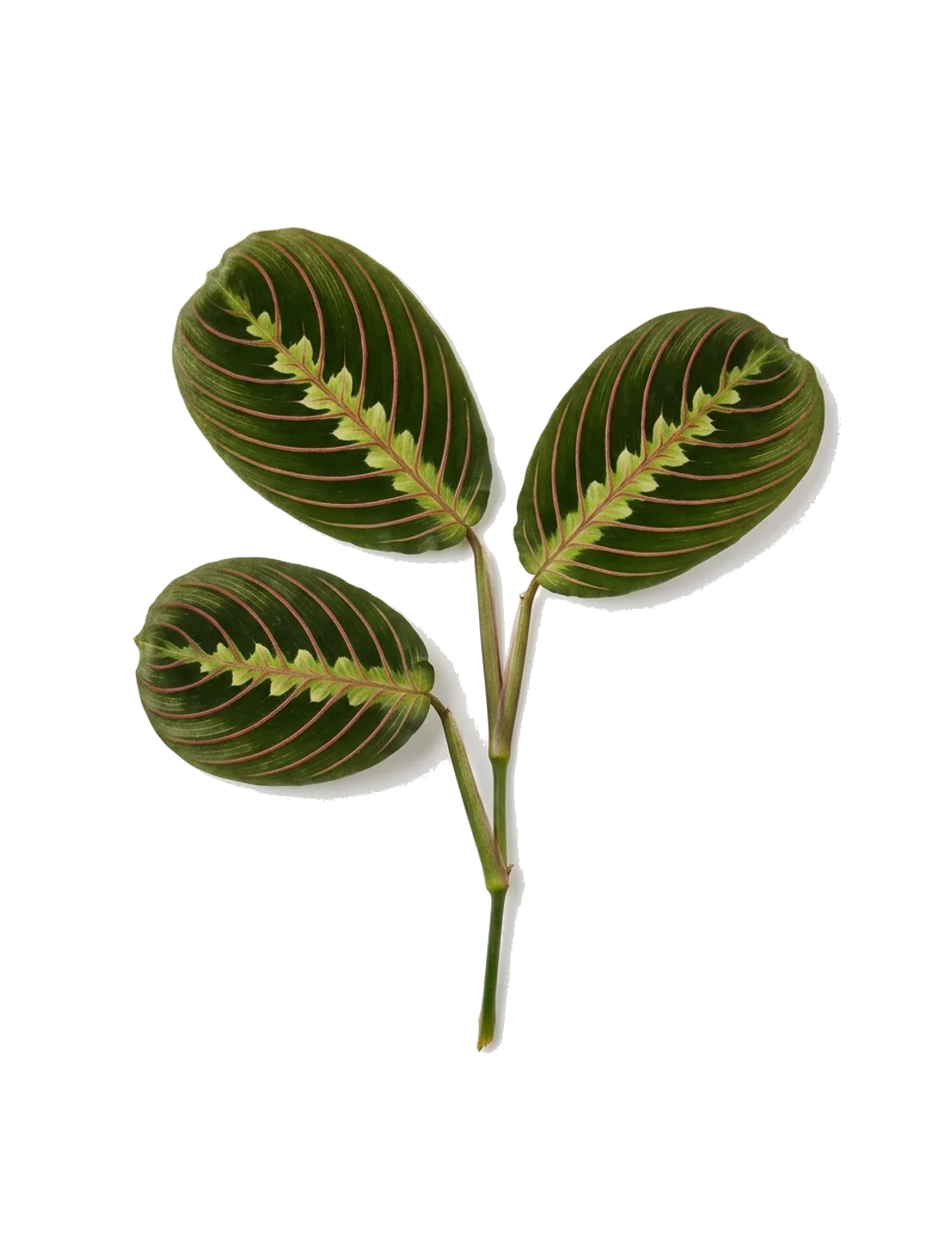
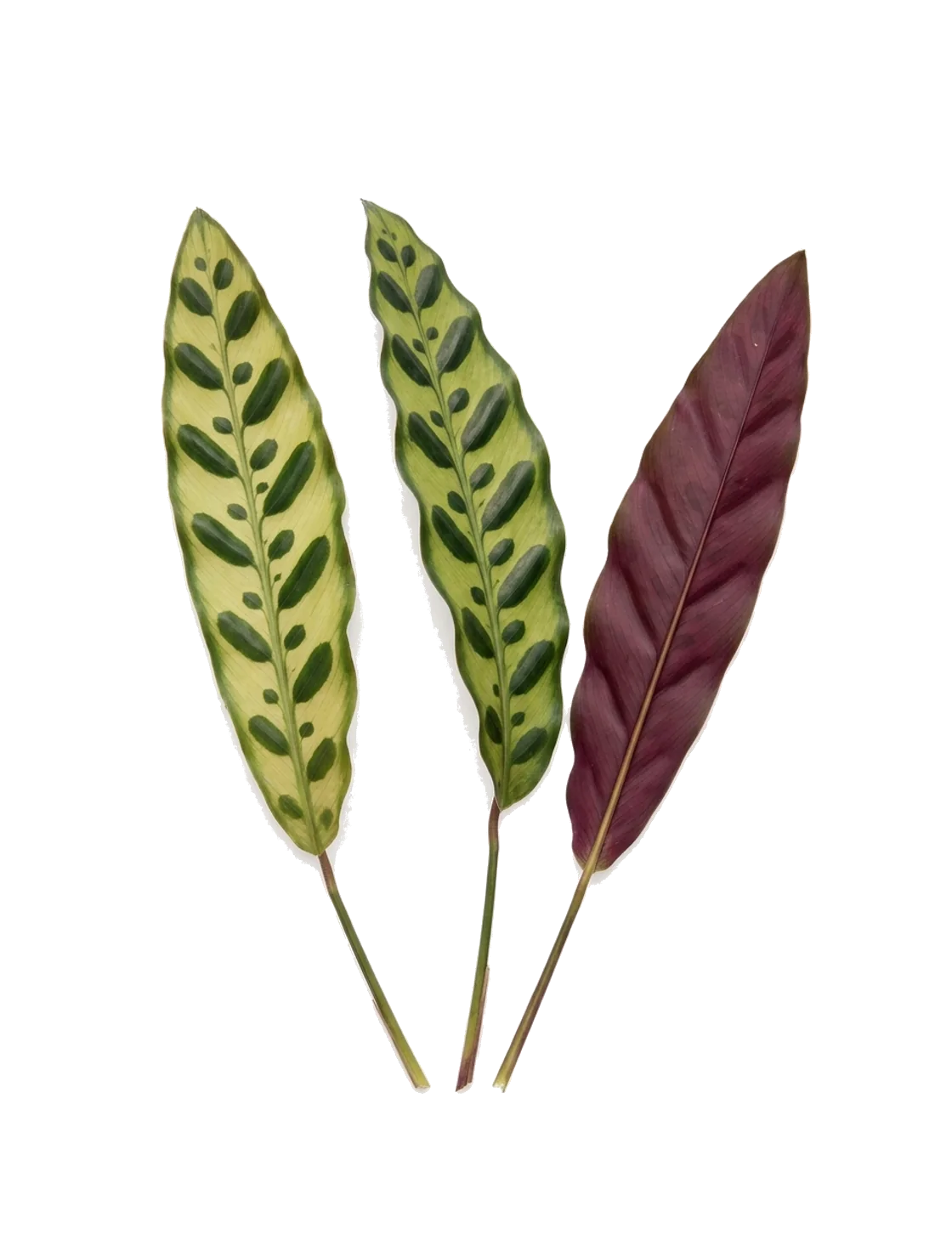
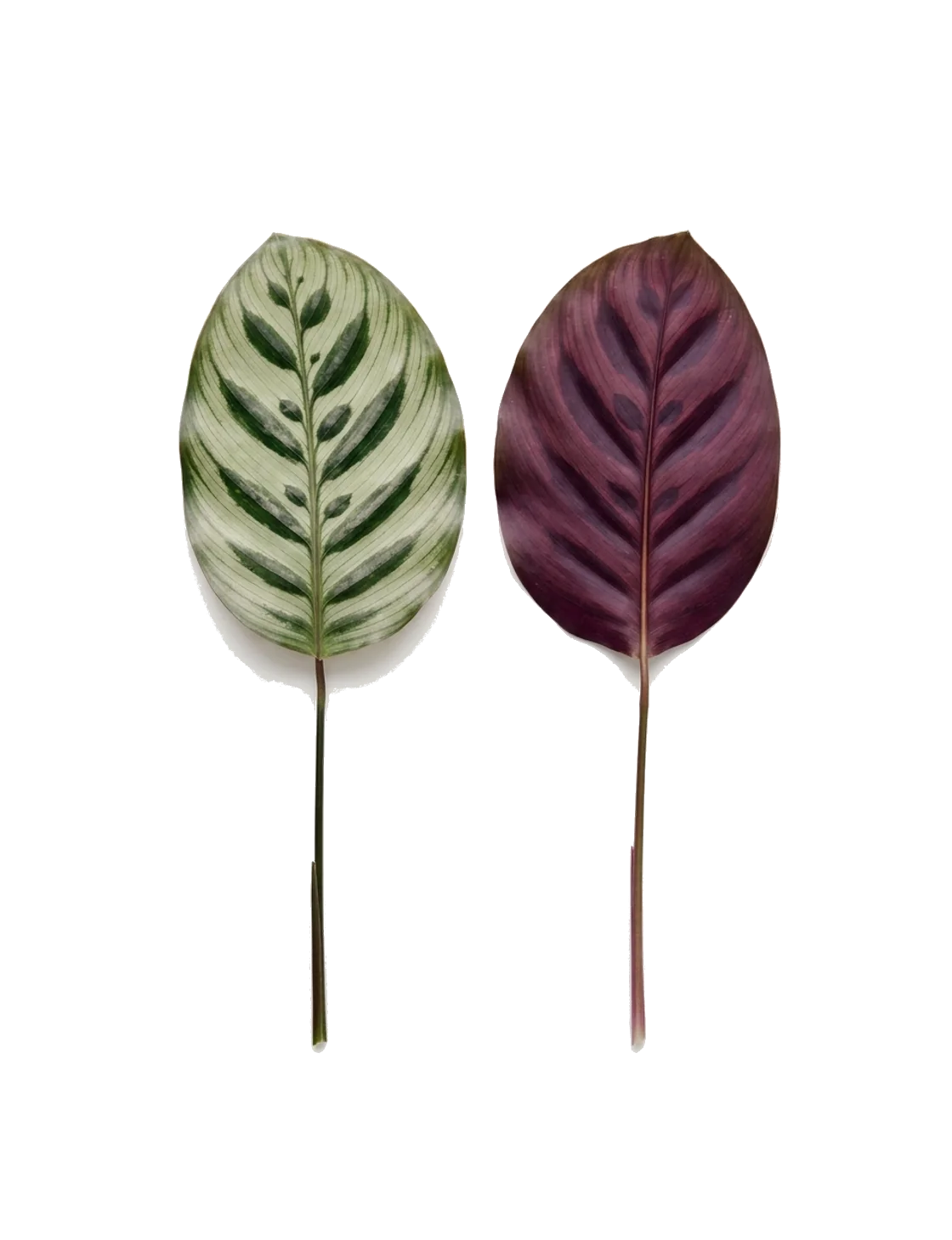
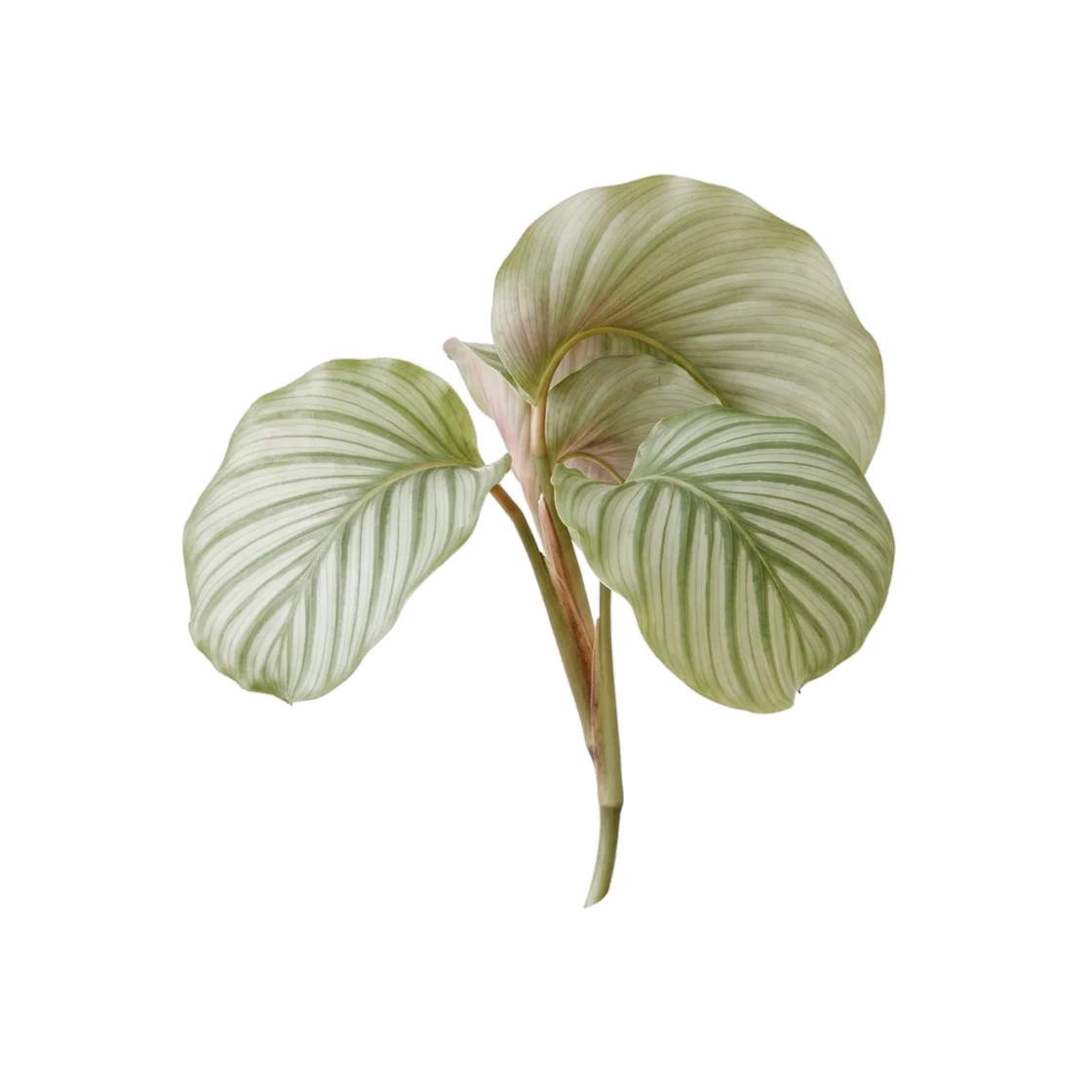
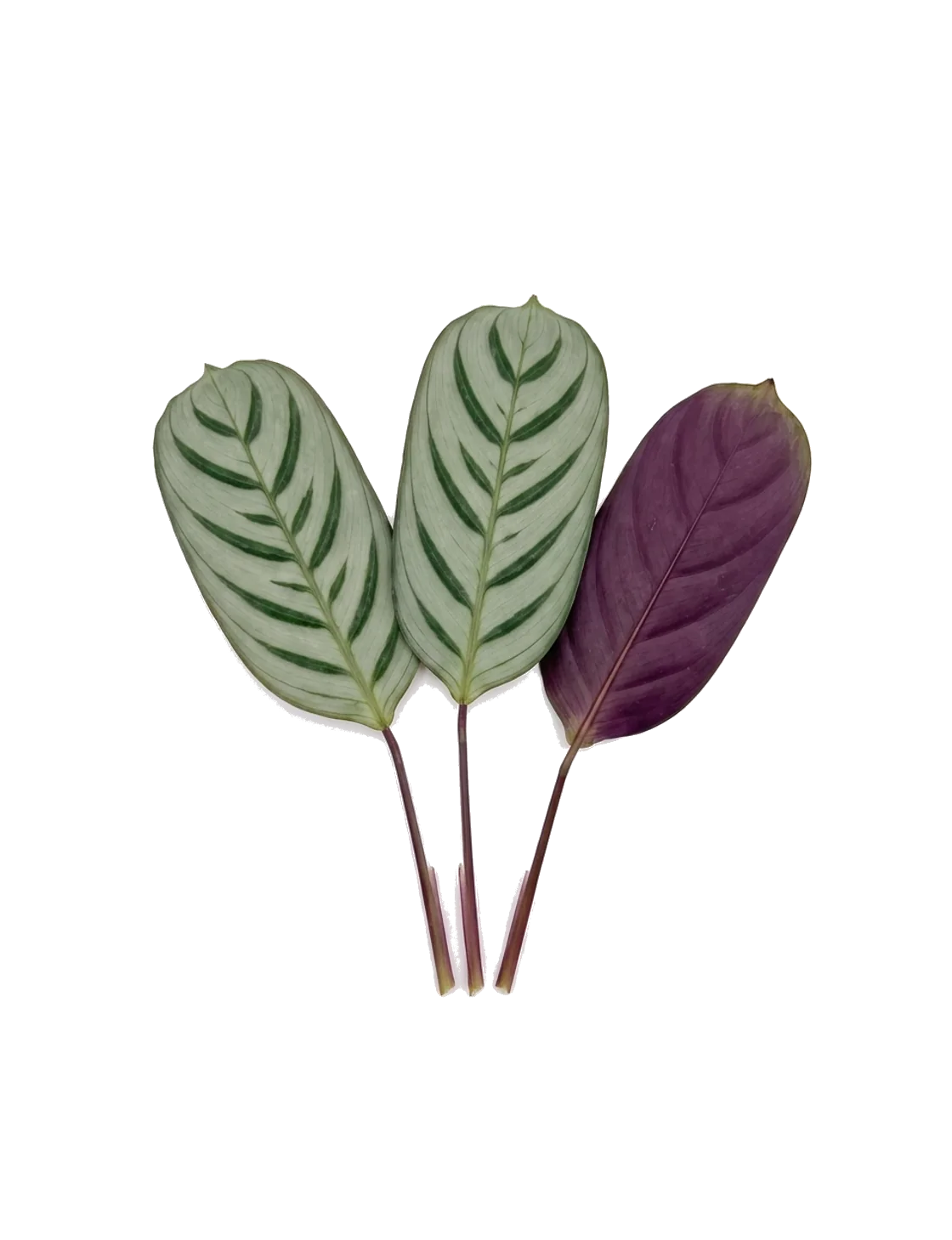
The fishbone prayer plant (Ctenanthe burle-marxii) is an herbaceous plant in the Marantaceae family, named for the striking herringbone pattern that runs along the midrib of its pale green leaves. Native to the humid forests of eastern Brazil, it grows on the shaded forest floor, where it forms low, spreading clumps. It was named in honor of the Brazilian landscape architect Burle Marx, a passionate collector of native plants.
Indoors it wants bright indirect light, steady warmth between 18 and 26 °C and generous humidity to keep leaf edges smooth. Watering keeps the soil lightly moist with soft water at room temperature, avoiding both drought and waterlogging. It tolerates ordinary homes better than its delicate look suggests, provided the air is not too dry and the sun never strikes it directly.
Like its relatives, it moves its leaves with the day: blades rest horizontally in the morning and lift at nightfall. Growth is moderate and clumping, so the plant fills its pot over a couple of seasons and divides easily in spring. With stable moisture, soft water and protection from harsh sun, it is a grateful and decorative foliage plant.
Did you know?Its leaves fold upward at night like hands in prayer, and the fishbone pattern runs along the midrib of every leaf.
Care. What it needs, point by point.
- Watering
- Water when the top 1 to 2 cm feel dry, keeping the mix lightly moist but never soggy. Soft water at room temperature suits it best, since hard water can mark the leaves. Empty the saucer after each watering.
- Light
- IndirectIt prefers bright, indirect light, for example a few metres from a sunny window. Some gentle morning sun is tolerated, but harsh midday sun bleaches the fishbone pattern.
- Temperature
- 18–26 °C ideal temperatureIt grows best between 18 and 26 °C and dislikes cold below about 15 °C. Keep it away from cold drafts and from heaters that dry the surrounding air.
- Soil
- Use a light, airy mix with coco coir, perlite and a little pine bark. It should hold moisture evenly without compacting around the shallow roots.
- Fertilizer
- Feed with a quarter- to half-strength balanced fertilizer once a month in spring and summer. Too much fertilizer burns the leaf margins, so err on the weak side.
- Pruning
- Cut old or damaged leaves at the base of the stem to keep the clump fresh. This plant renews itself from the base, so occasional cleaning is all it needs.
- Propagation
- Divide the clump in spring so each section keeps several stems and roots. Pot at the same depth in a light mix and keep warm and humid until established.
Where it grows. In the wild and in homes.
In the wild it grows in Brazil, in a seasonally dry tropical climate.
Range: Plants of the World Online, Royal Botanic Gardens, Kew
Is Fishbone prayer plant toxic to cats and dogs?
The ASPCA doesn't list this species. If your pet has chewed it and seems unwell, call your vet.
Common problems What tends to go wrong.
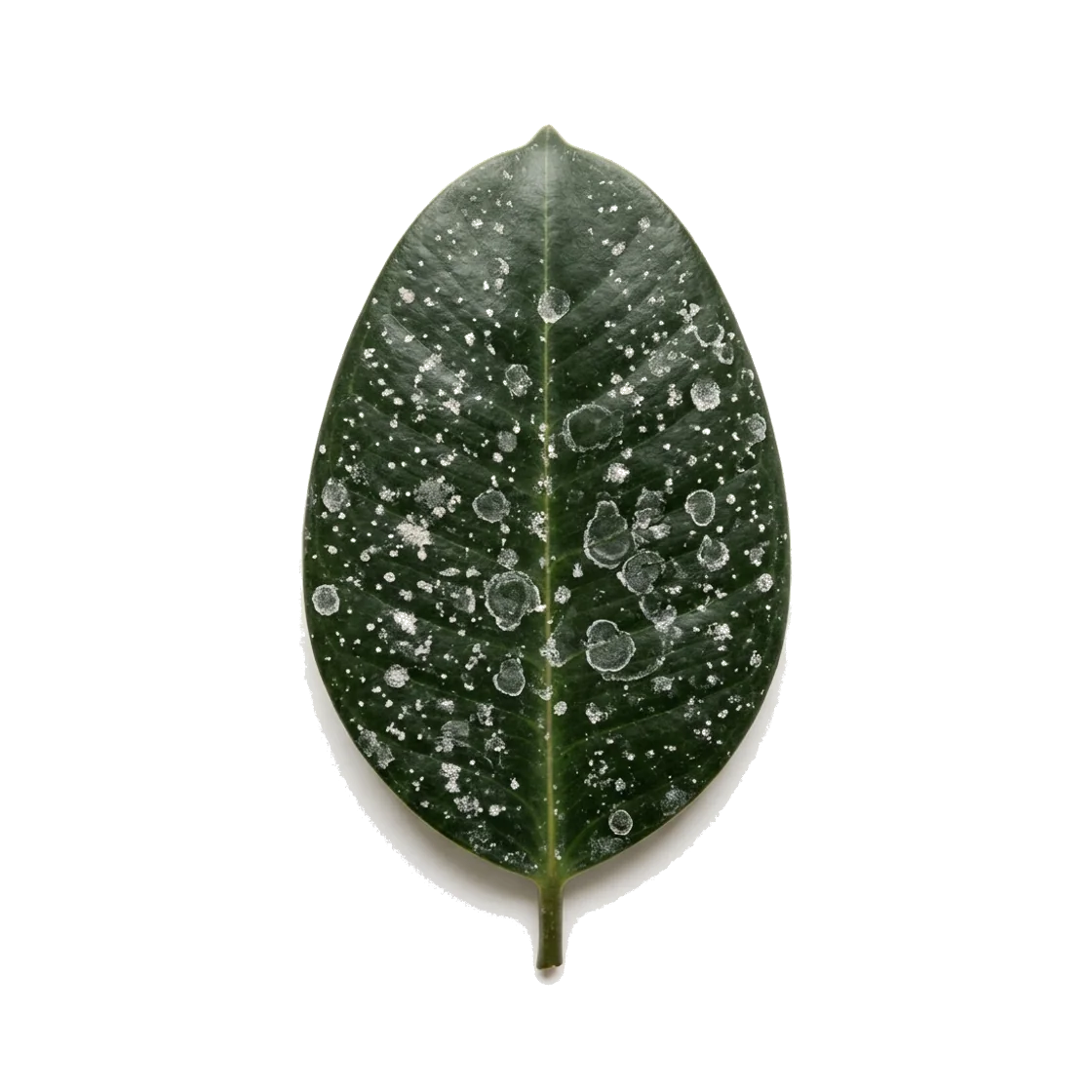
- Dry air
- Spider mites
- Overwatering
- Hard water


Frequently asked questions What people ask most.
How often should I water a fishbone prayer plant?
Water when the top 1 to 2 cm feel dry, usually once or twice a week depending on warmth. The goal is steady light moisture, never a soggy pot or a fully dry root ball. Leaves that curl by day usually signal that watering is overdue.
Why are the leaf edges brown and crispy?
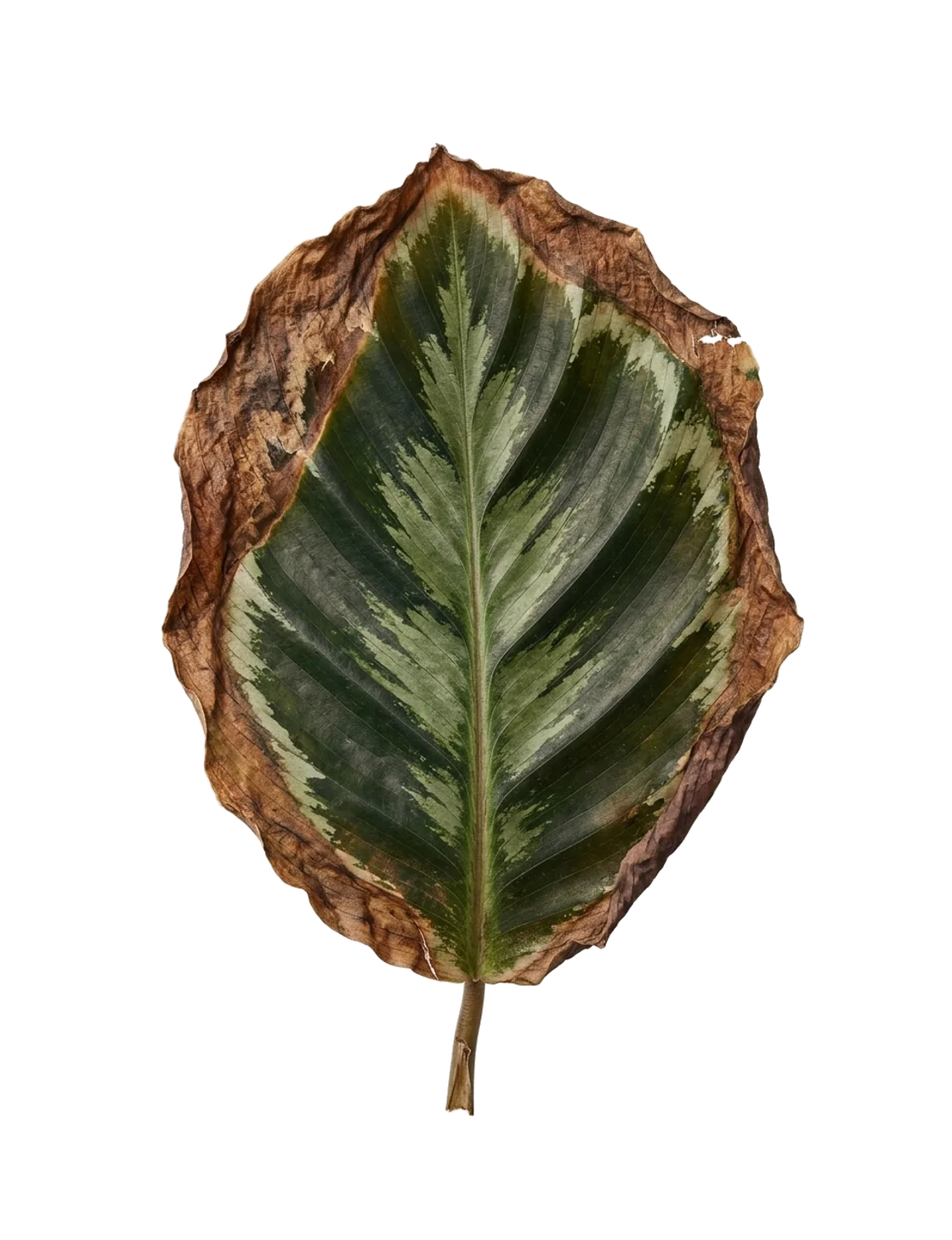
Dry air is the first suspect, followed by hard water and excess fertilizer. Raise humidity, switch to soft water and feed weakly and only in the growing season. Damaged edges do not heal, but new leaves will emerge clean.
Why do the leaves move at night?
The nightly lifting is a natural rhythm shared by the whole prayer-plant family. Leaves rest flat by day to catch light and rise after dusk. Strong movement is actually a good sign that the plant is hydrated and healthy.
How do I propagate it?
Divide the clump in spring, making sure each piece keeps several stems with roots. Pot the divisions at the same depth and keep them warm, shaded and humid for a few weeks. Divisions usually settle quickly in the growing season.
Can it grow in low light?
It tolerates moderate light better than direct sun, but deep shade weakens it over time. Give it the brightest indirect spot available, such as near a curtained window. Pale, sparse growth means it would like a little more light.