Calathea orbifolia
Calathea orbifolia
Discover essential Calathea orbifolia care tips: light, watering, humidity, and soil requirements to keep its stunning striped foliage lush and vibrant.
- Light
- Indirect
- Watering
- 1–2×a week
- Temperature
- 18–24 °Cideal temperature
- Pets
- Non-toxic
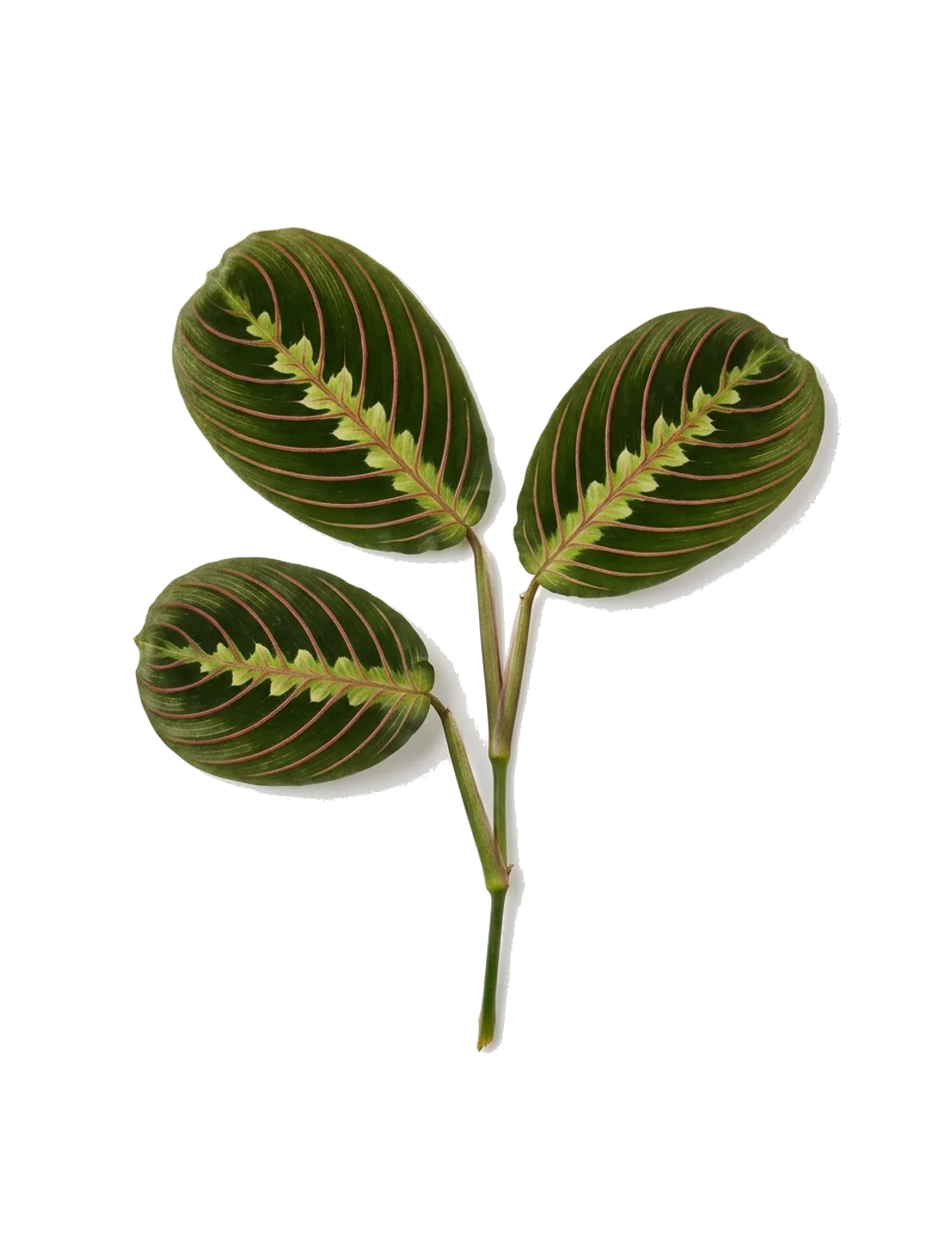
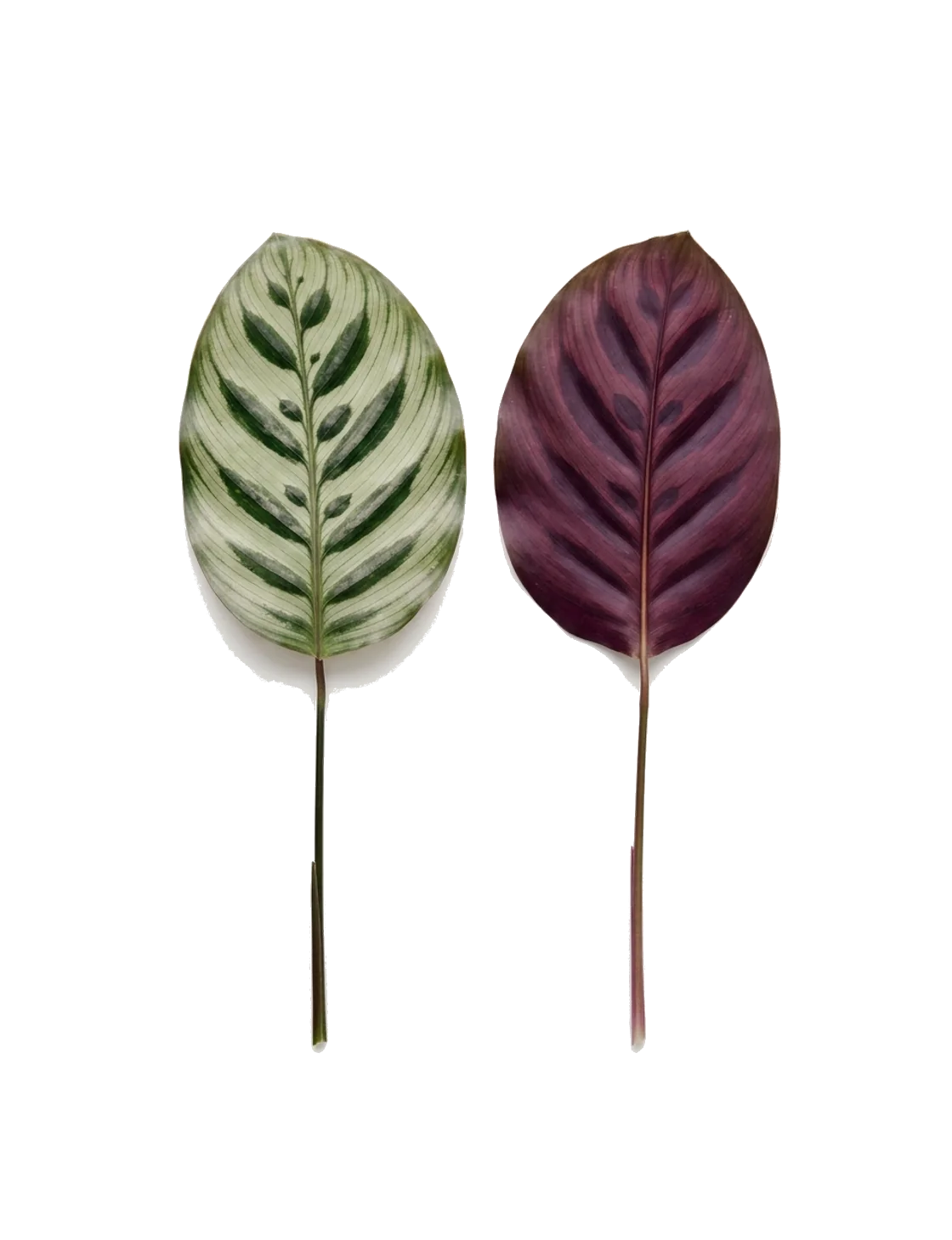
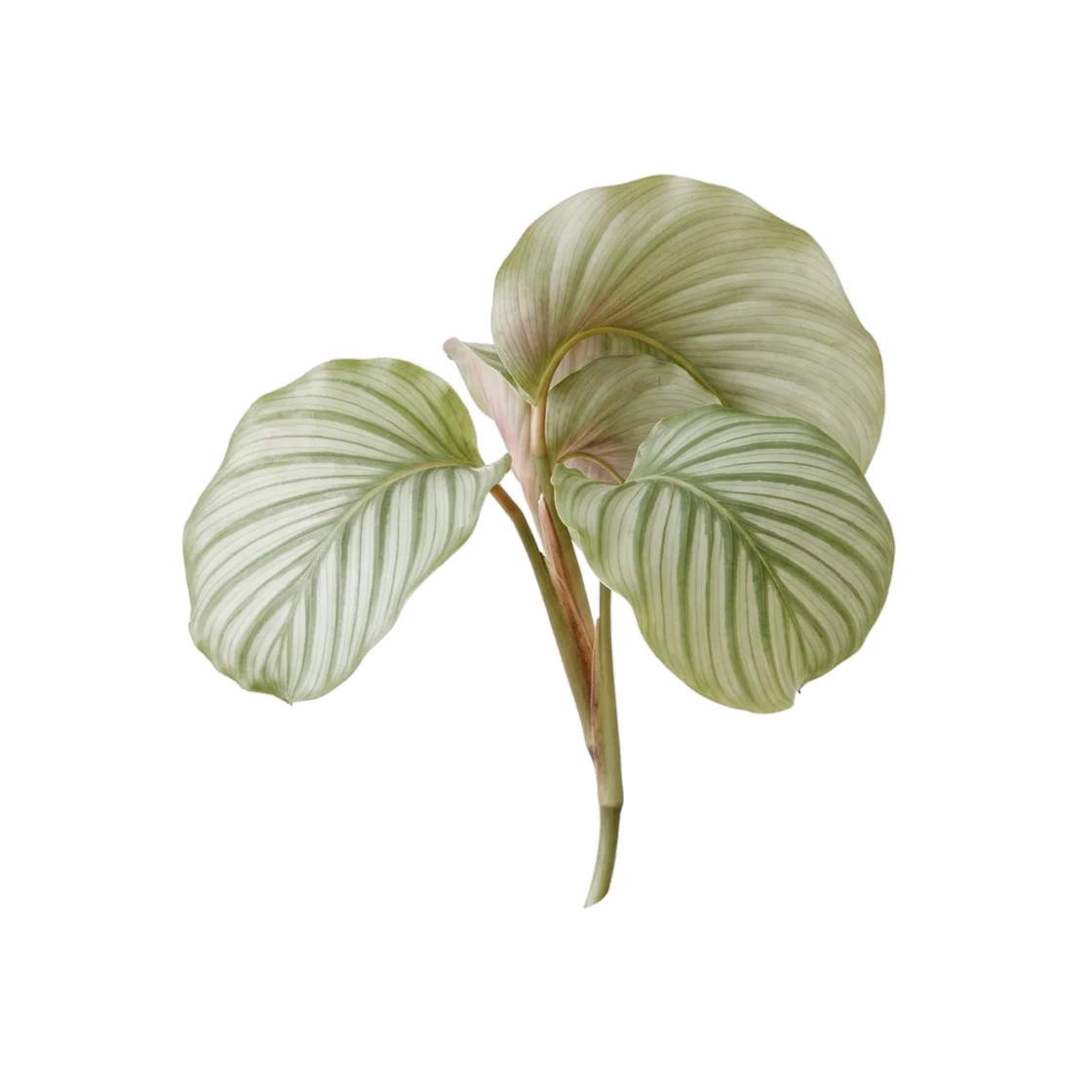
Calathea orbifolia is an evergreen perennial native to the tropical rainforest understories of Bolivia, famous for its oversized, rounded leaves patterned with metallic silver and deep green bands. Its architectural elegance and broad foliage have made it a prized showpiece among houseplant enthusiasts seeking to create a lush, tropical interior display.
Replicating its native rainforest climate indoors is essential for keeping this plant healthy. It thrives best in medium to bright indirect light, as harsh direct sun quickly bleaches and scorches its delicate leaves. Maintaining consistently high humidity is equally important; dry household air is the primary culprit behind crisping margins and leaf curling.
Watering should be measured and attentive, keeping the potting soil evenly moist without ever letting the roots sit in stagnant water. This species is notoriously sensitive to hard tap water minerals, so offering filtered or rainwater ensures the cleanest growth. Given stable warmth and protection from cold drafts, it will reward you with glorious foliage year-round.
Did you know?Like other prayer plants, Calathea orbifolia exhibits nyctinasty, naturally raising its broad striped leaves at dusk and lowering them during the day.
Care. What it needs, point by point.
- Watering
- 1–2× a weekWater when the top two inches of potting mix feel dry to the touch, generally once or twice a week depending on ambient warmth. Use filtered, distilled, or rainwater, as chlorine and minerals in tap water cause brown leaf margins.
- Light
- IndirectPosition the plant in medium to bright indirect light, shielding it completely from direct sunbeams. It tolerates softer lower light, though growth will be slower and leaves may lose some contrast.
- Temperature
- 18–24 °C ideal temperatureProvide consistent temperatures between 18 °C and 24 °C (65 °F to 75 °F) all year round. Keep it sheltered from temperatures dropping below 15 °C and away from cold drafty windows or heating vents.
- Soil
- Plant in an airy, moisture-retentive potting mix composed of peat moss or coco coir, perlite, and fine bark chips.
- Fertilizer
- 4 weeks between feedsFeed every four weeks during spring and summer using a balanced liquid foliage fertilizer diluted to half strength.
- Pruning
- Trim away older yellowing or browning leaves near the base using sharp, sterilized pruning shears.
- Propagation
- Propagate through root ball division during springtime repotting. Make sure each separated clump has well-established root systems and several healthy stems before potting individually.
Where it grows. In the wild and in homes.
In the wild it grows in Brazil, in a wet tropical climate.
Range: Plants of the World Online, Royal Botanic Gardens, Kew
Is Calathea orbifolia toxic to cats and dogs?
Non-toxic to cats and dogs.

Cats
Non-toxic

Dogs
Non-toxic
Source · ASPCA Animal Poison Control
Common problems What tends to go wrong.
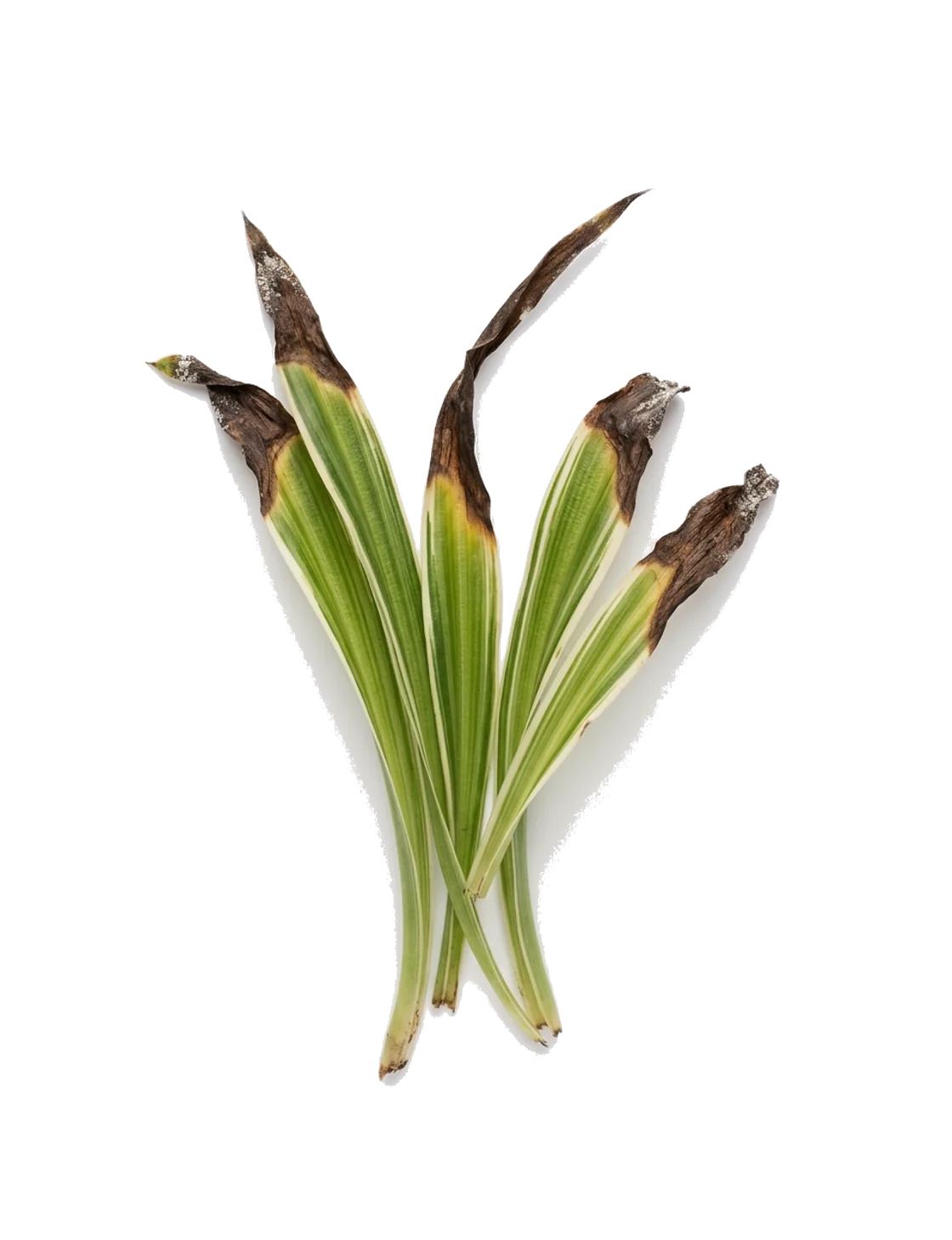
- Dry air
- Salt or fertiliser build-up
- Spider mites
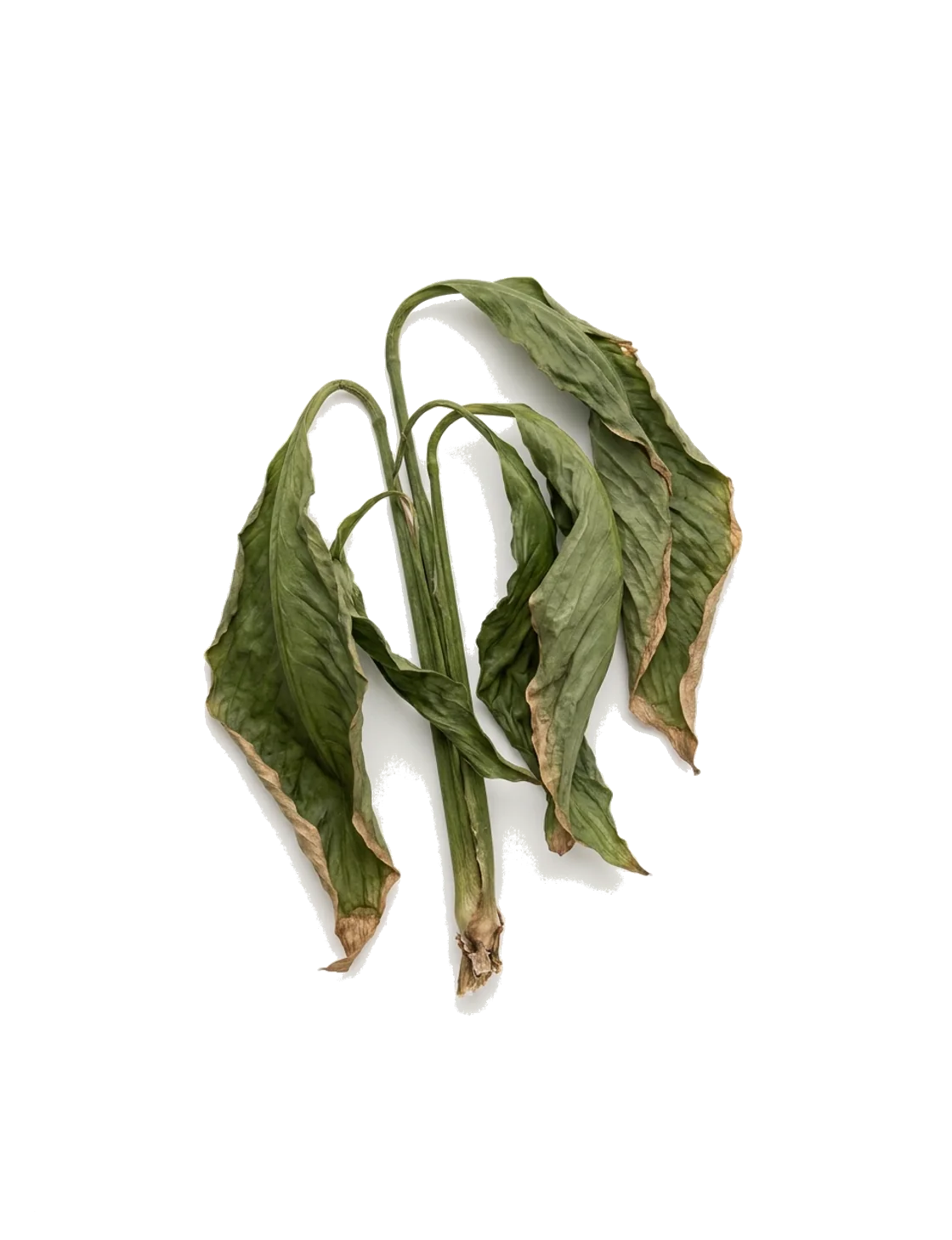
- Overwatering
- Underwatering



Frequently asked questions What people ask most.
Why are the edges of the leaves turning brown and crispy?
Crispy margins are typically caused by dry indoor air or sensitivity to tap water chemicals like fluoride and chlorine. Run a cool-mist humidifier nearby and switch to filtered water or collected rainwater.
Why are my Calathea orbifolia leaves curling inward?
Curled foliage is a protective reaction to moisture stress, usually caused by underwatering, low humidity, or intense light. Check the soil moisture promptly and soak the pot thoroughly if the mix feels dry.
Why do the leaves move up and down?
This diurnal movement is a natural botanical process called nyctinasty shared by prayer plants. The leaves naturally fold upward in the evening and relax back down during daylight hours.
Why are the lower leaves turning yellow?
Yellow leaves are most frequently a symptom of overwatering or soil that stays saturated for too long. Allow the topsoil to dry slightly between waterings and ensure the pot has functional drainage holes.