Prayer plant
Maranta leuconeura
Discover how to care for your prayer plant (Maranta leuconeura). Learn key tips on watering, humidity, indirect light, and propagation for lush growth.
- Light
- Indirect
- Watering
- 1–2×a week
- Temperature
- 18–24 °Cideal temperature
- Toxicity
- Non-toxic
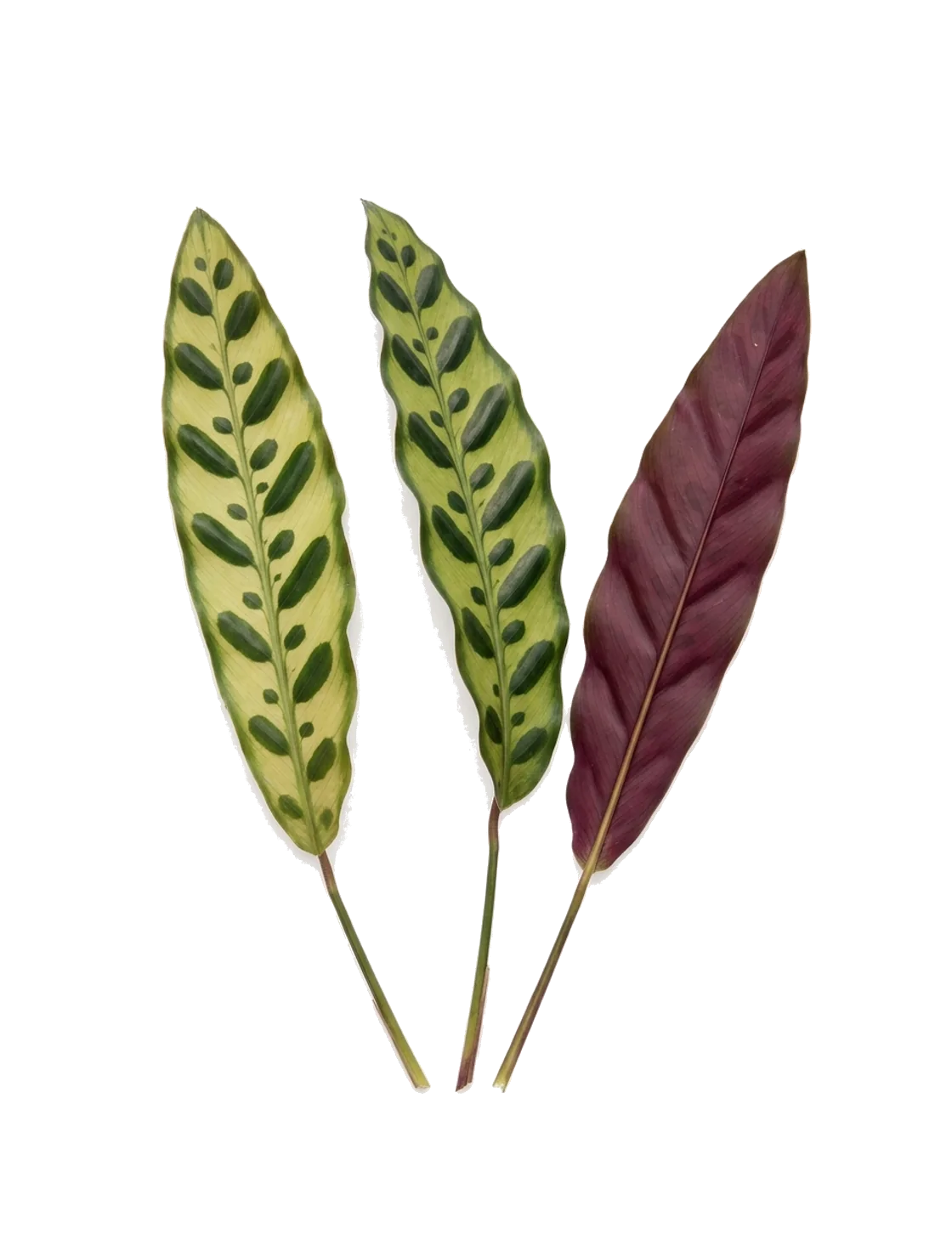
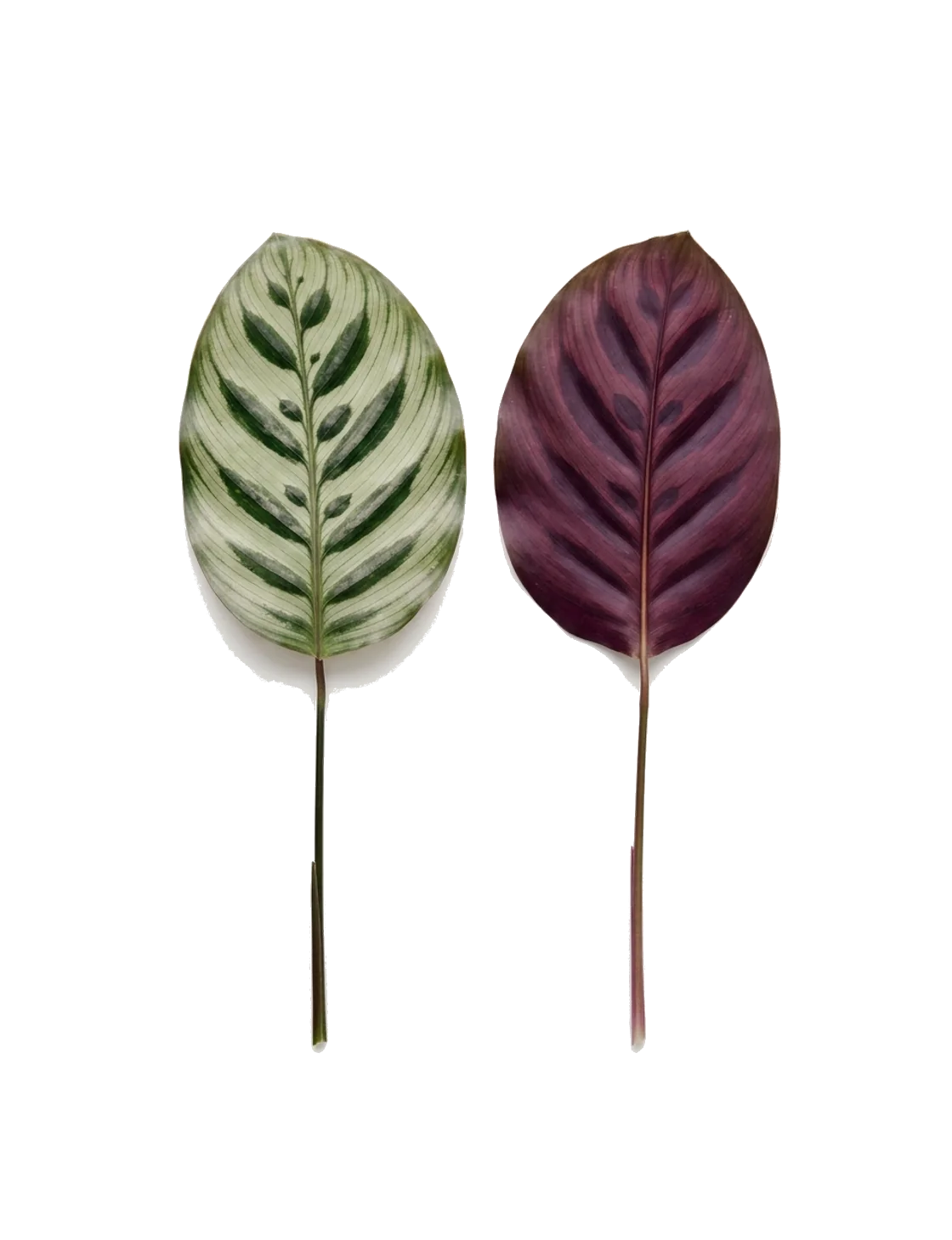
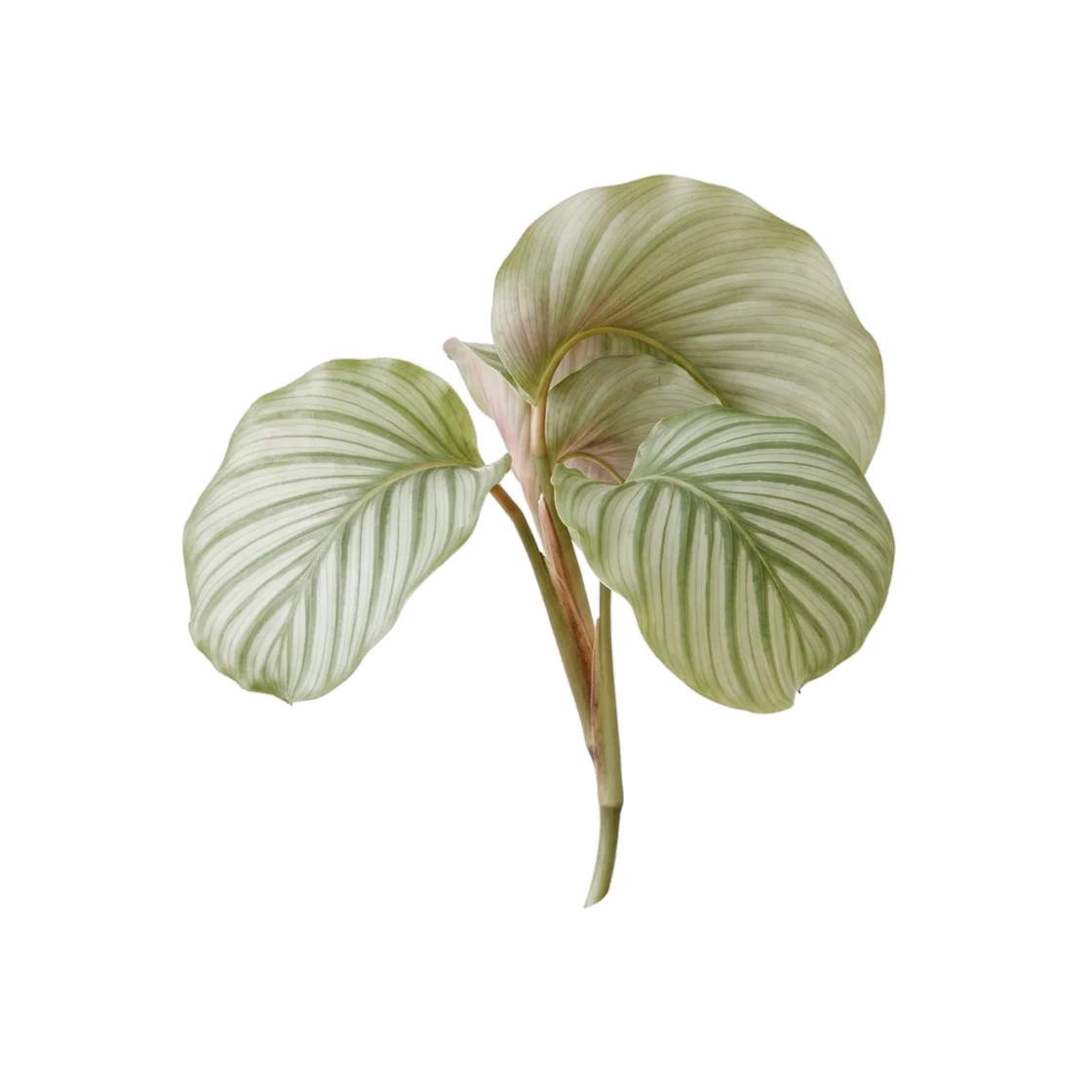
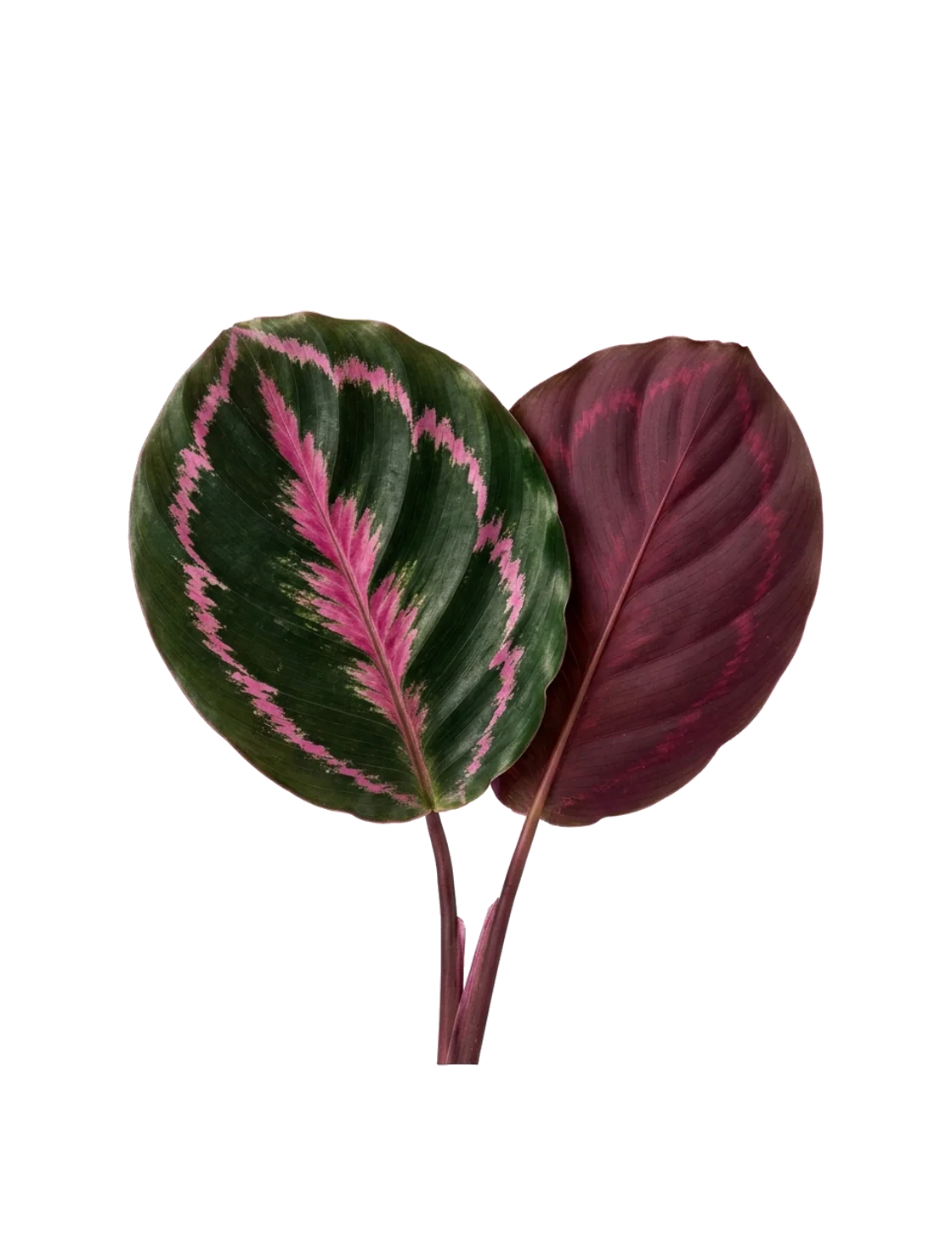
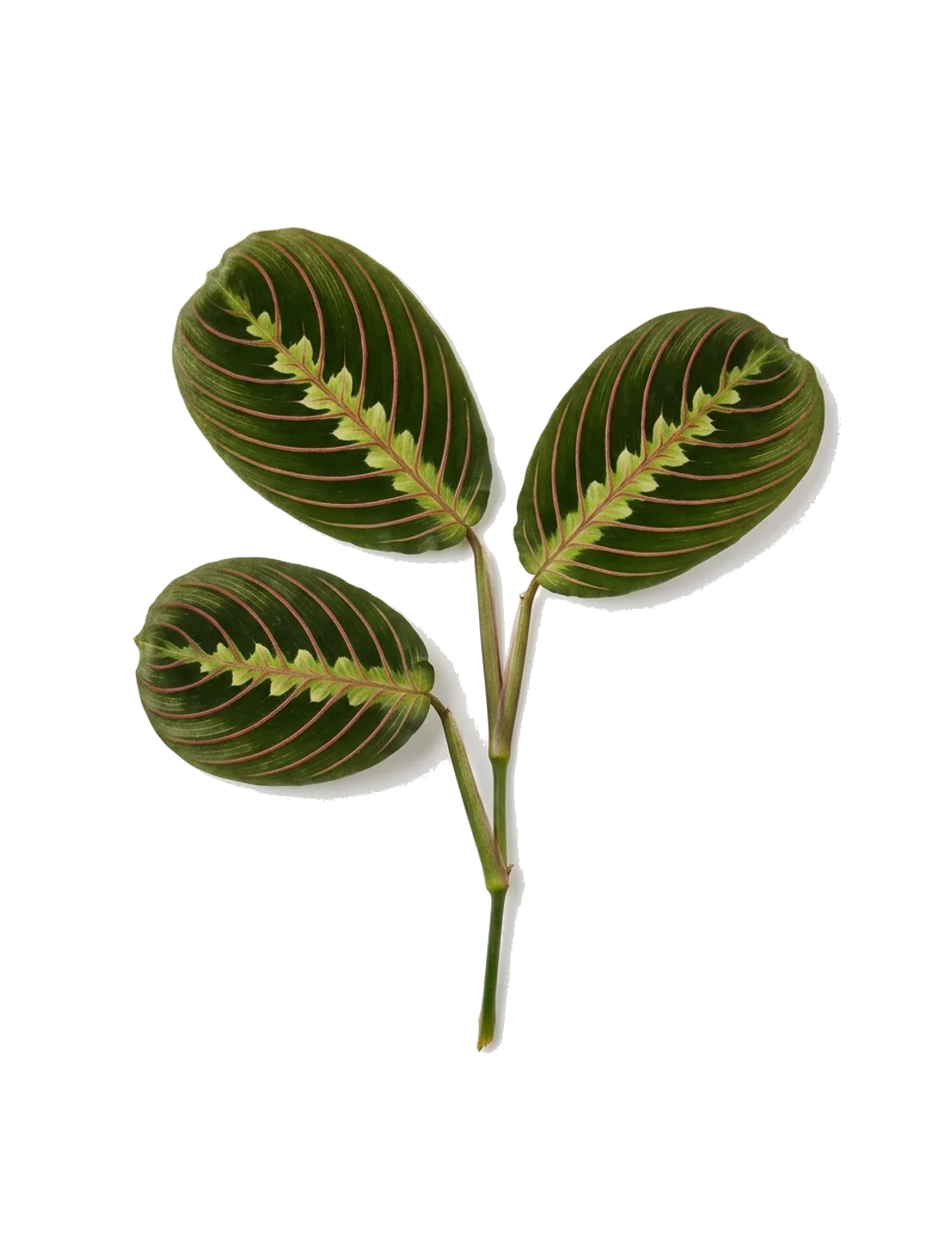
The prayer plant (Maranta leuconeura) is a distinctive tropical perennial native to the rainforest floors of Brazil. Cherished for its striking foliage, it features broad oval leaves decorated with intricate feather-like patterns, bright green tones, striking red or silvery veins, and purplish undersides. Its spreading, low-growing habit makes it a charming centerpiece for desks, plant stands, or hanging baskets.
The common name comes from its fascinating nyctinastic habit: as darkness falls, specialized cells at the base of the petioles cause the leaves to fold vertically, resembling hands gathered in prayer. Come morning, the leaves slowly lower to capture ambient light. This rhythmic daily movement helps conserve moisture during the night and maximizes photosynthesis on shaded jungle floors.
In the home, the prayer plant flourishes when provided with conditions reminiscent of its native rainforest habitat. It appreciates warm temperatures, steady humidity, and filtered light, disliking harsh direct sun and bone-dry air. With attentive watering and an airy, moisture-retentive potting mix, this expressive houseplant provides vibrant color and gentle dynamic movement all year round.
Did you know?Its leaves fold upward at night and open flat during the day due to changes in water pressure within a specialized joint called the pulvinus.
Care. What it needs, point by point.
- Watering
- 1–2× a weekWater when the top inch of potting soil feels dry to the touch, typically once or twice a week in warmer months and every ten days in winter. Use rainwater or distilled water at room temperature, as this plant is sensitive to tap water salts and fluoride.
- Light
- IndirectPosition in bright, indirect light or gentle partial shade to protect the vibrant foliage. Direct sunlight can bleach the distinctive patterns and scorch the delicate leaves.
- Temperature
- 18–24 °C ideal temperatureKeep in a steady temperature range between 18 °C and 24 °C for healthy growth. Protect it from cold drafts, air conditioning vents, and sudden dips below 15 °C.
- Soil
- Use an airy, well-draining potting mix rich in peat or coco coir blended with perlite to maintain moisture without becoming waterlogged.
- Fertilizer
- Feed monthly during spring and summer with a balanced liquid houseplant fertilizer diluted to half strength.
- Pruning
- Trim discolored or spent leaves at the soil line, and pinch back leggy stems in early spring to encourage bushier growth.
- Propagation
- Take stem cuttings just below a leaf node and root them in water or damp potting mix during spring. You can also divide large, mature plants during repotting.
Where it grows. In the wild and in homes.
In the wild it grows in Brazil, in a wet tropical climate.
People have also taken it to 2 more regions where it now grows on its own: western South America and Mexico.
The Florami community has photographed it in España.
Range: Plants of the World Online, Royal Botanic Gardens, Kew
Is Prayer plant toxic to cats and dogs?
The ASPCA doesn't list this species. If your pet has chewed it and seems unwell, call your vet.
Gallery As the community sees it.
Photo · Photo by David J. Stang · CC BY-SA 4.0
Common problems What tends to go wrong.
- Dry air
- Overwatering
- Root rot
- Spider mites
- Sunburn




Frequently asked questions What people ask most.
Why are the leaf tips turning brown and crispy?
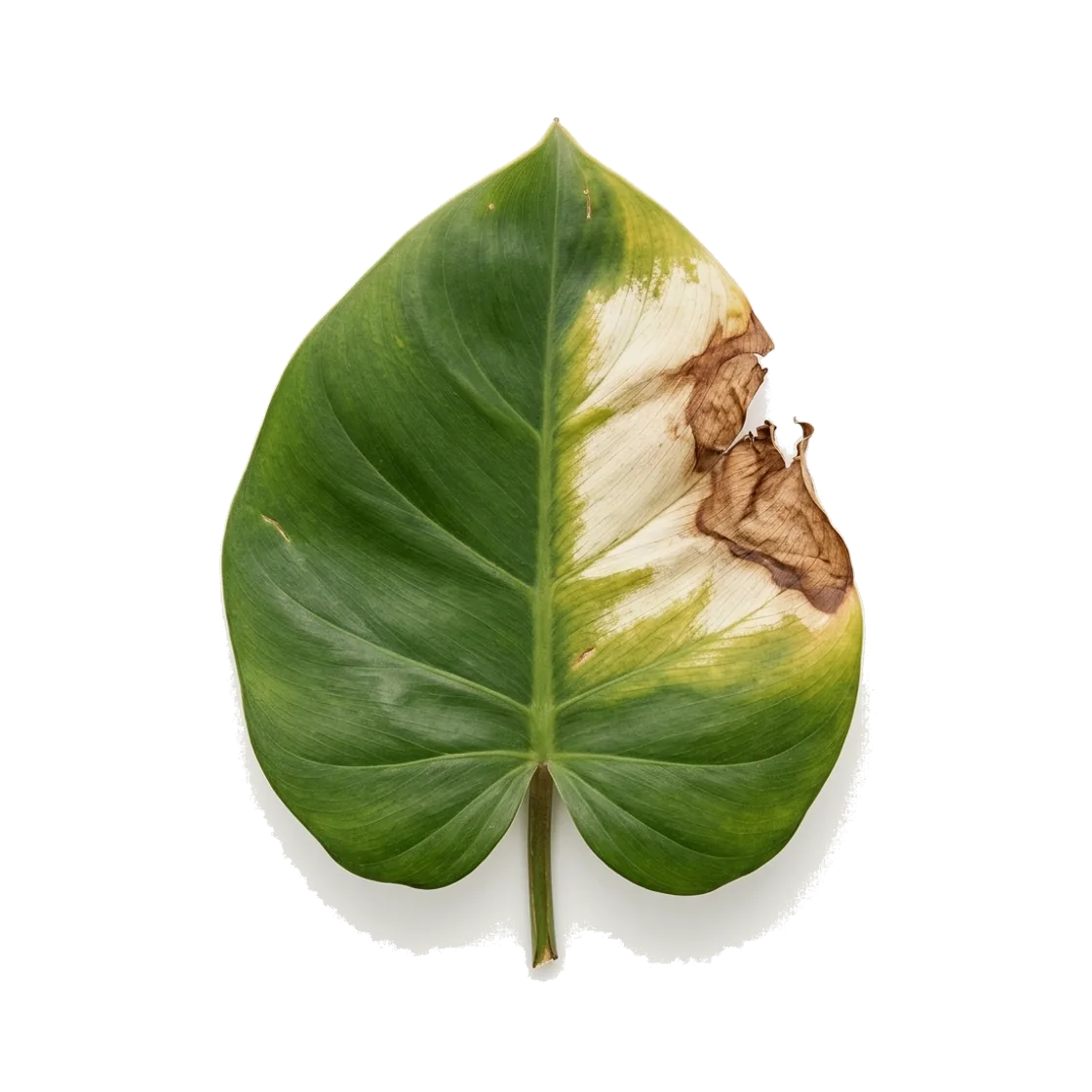
Crispy brown edges are usually caused by dry indoor air or mineral accumulation from hard tap water. Boost ambient humidity with a humidifier and switch to distilled, filtered, or rainwater.
Why is my prayer plant not folding its leaves at night?
If your plant stops moving, it may not be receiving enough daylight to establish its natural circadian rhythm, or it could be underwatered. Move it to a brighter spot with indirect light and check that the soil is lightly moist.
Why are the leaves turning yellow?
Widespread yellowing most often stems from overwatering and poor drainage, which suffocates the roots. Allow the top layer of soil to dry out before watering again and ensure the pot has drainage holes.
Does the prayer plant need to be misted daily?
While it loves high humidity, frequent foliar misting can encourage fungal leaf spotting if airflow is stagnant. Using a room humidifier or grouping it with other plants creates a healthier microclimate.