Rattlesnake plant
Calathea lancifolia
Learn how to care for the rattlesnake plant: watering, indirect light, humidity needs, and soil tips to keep its patterned foliage healthy and vibrant.
- Light
- Indirect
- Watering
- 1×a week
- Temperature
- 18–24 °Cideal temperature
- Pets
- Non-toxic
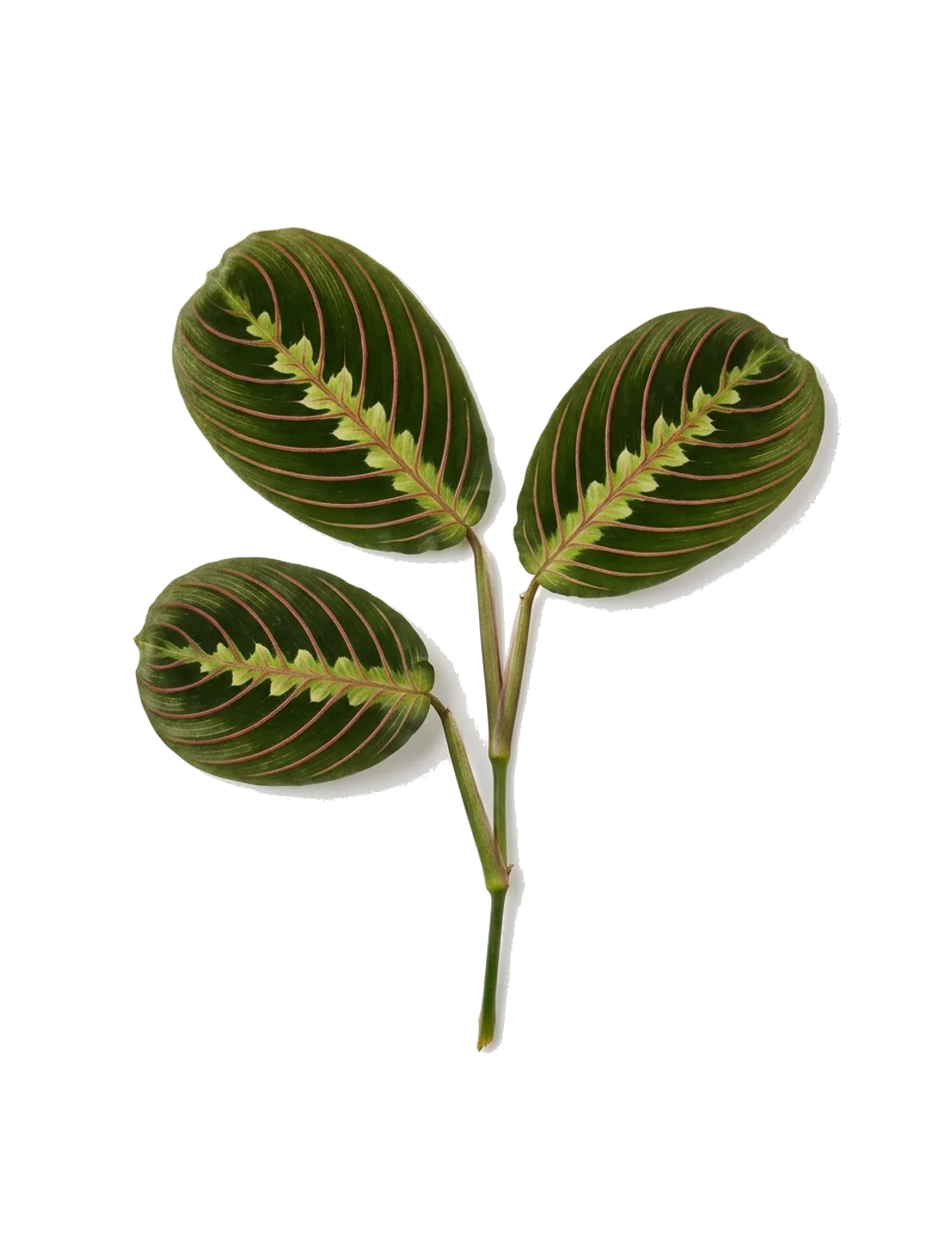
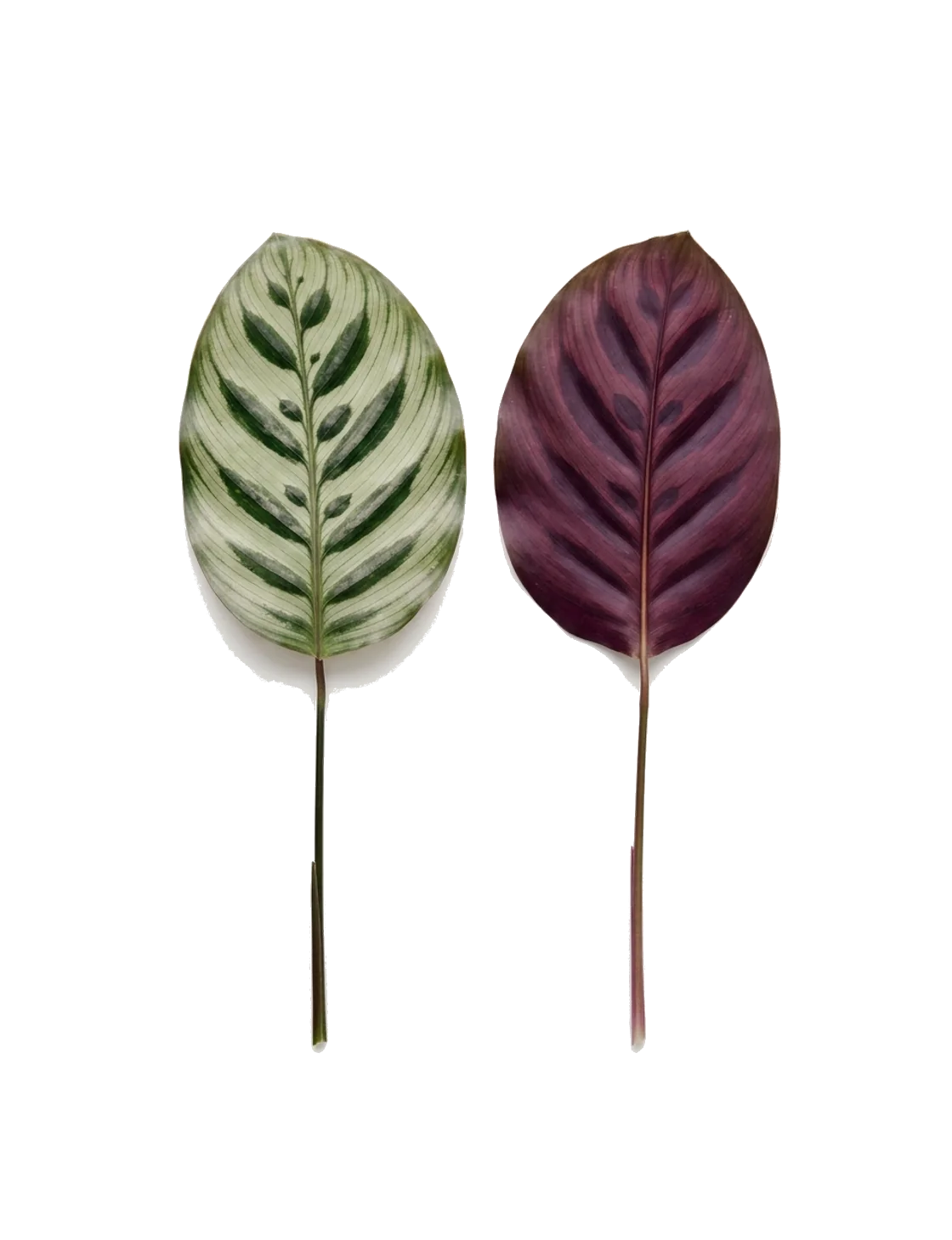
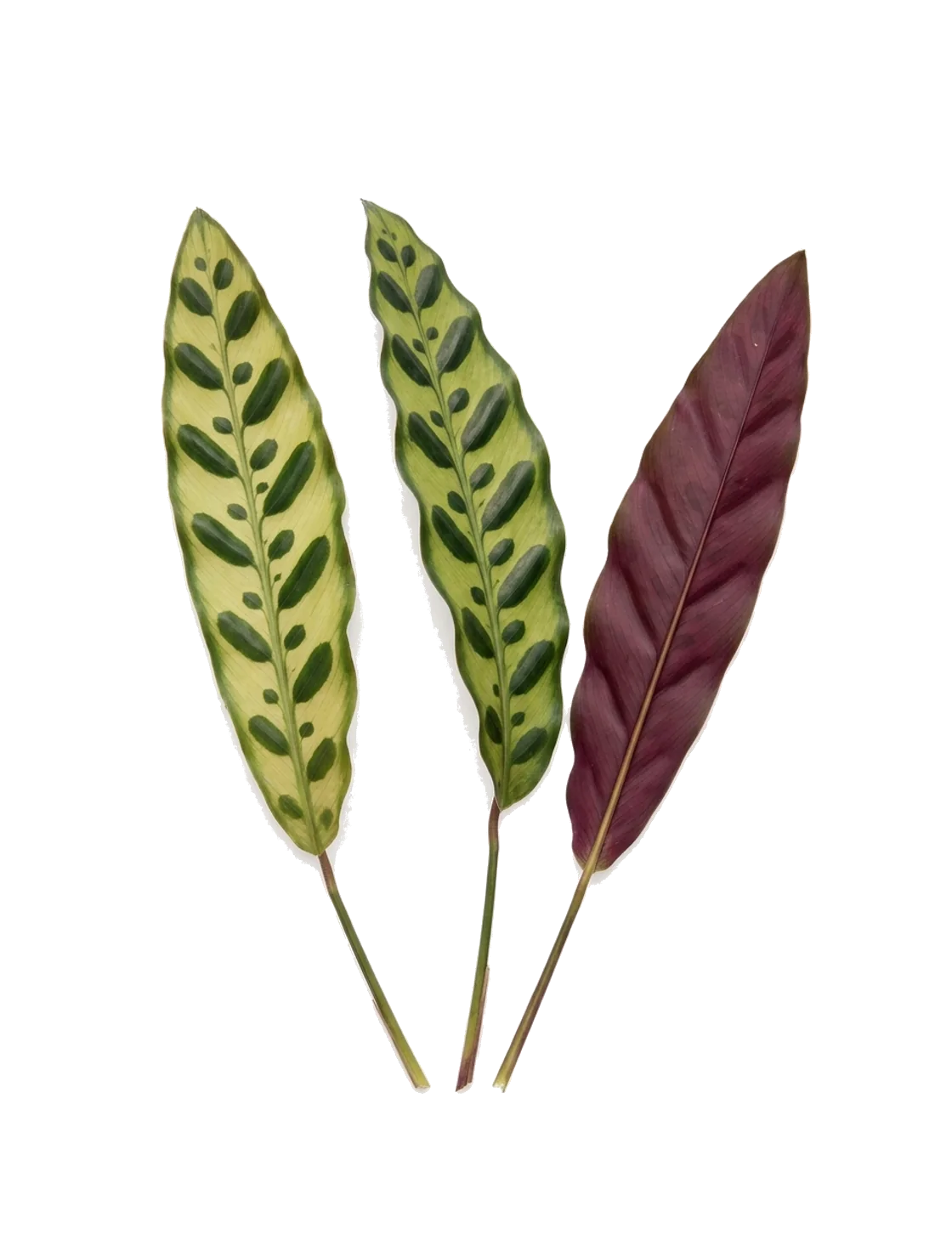
The rattlesnake plant (Calathea lancifolia, also classified as Goeppertia insignis) is an evergreen perennial native to the tropical rainforests of Brazil. It is celebrated for its distinctive long, sword-shaped leaves with wavy margins and bold, alternating dark green spots on a pale green surface. The undersides of the leaves display a rich purple hue, creating an eye-catching contrast that makes it a favorite among houseplant enthusiasts.
As a member of the prayer plant family, Marantaceae, it exhibits nyctinasty: its leaves fold upright at dusk and lower during daylight hours. This natural daily rhythm gives the plant an engaging, almost lively presence in living spaces. Among calatheas, the rattlesnake plant is widely regarded as one of the most forgiving and adaptable to indoor conditions, though it still demands consistent baseline care.
To thrive indoors, it needs a warm spot with abundant indirect light, shielded from drafty windows and heating vents. Managing air humidity is the main requirement for keeping foliage pristine, as dry indoor air often causes brown, crispy margins. Providing a loose, moisture-retentive potting mix and using chlorine-free water will reward you with steady growth and a dense, striking display year-round.
Did you know?Its leaves move dynamically between day and night thanks to a specialized swollen joint at the base of each leaf called the pulvinus.
Care. What it needs, point by point.
- Watering
- 1× a weekWater thoroughly once the top inch or two of soil feels dry to the touch, typically once a week during warmer months and every ten to fourteen days in winter. Ensure excess water drains away completely and use filtered, distilled, or rainwater to prevent leaf edge burn.
- Light
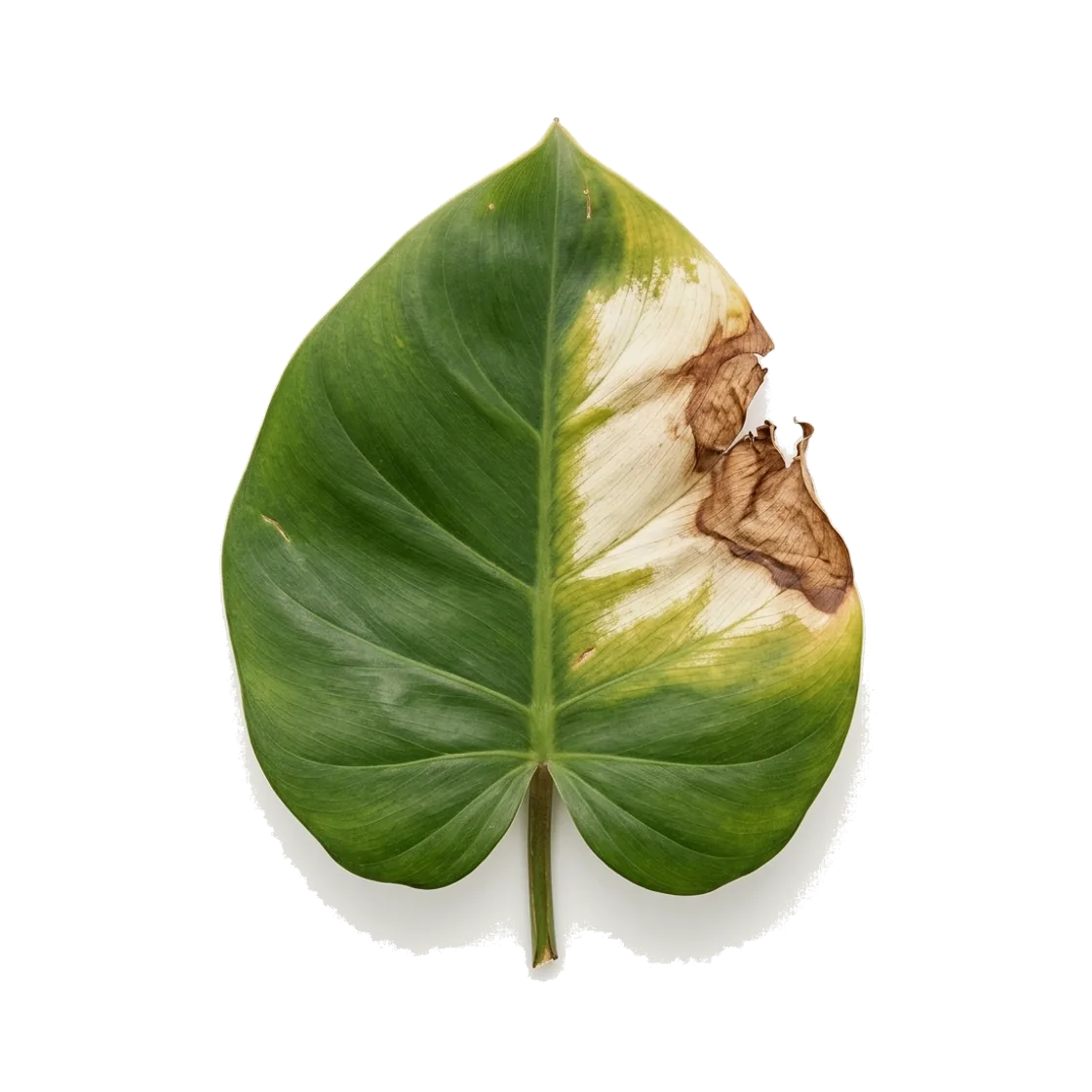
- IndirectProvide bright, indirect sunlight throughout the day to preserve leaf coloration. Avoid direct sun exposure, which easily scorches the delicate foliage and bleaches the distinctive spots.
- Temperature
- 18–24 °C ideal temperatureKeep temperatures between 18 °C and 24 °C (65 °F to 75 °F) year-round. Shield the plant from sudden drafts and temperatures below 15 °C (60 °F).
- Soil
- Use a well-draining yet moisture-retentive potting mix based on peat moss, coco coir, and perlite in balanced proportions.
- Fertilizer
- Feed monthly during spring and summer with a balanced liquid houseplant fertilizer diluted to half strength. Discontinue feeding during the autumn and winter months.
- Pruning
- No routine pruning is required beyond snipping off old, yellowed, or damaged leaves near the soil line using clean, sharp shears.
- Propagation
- Propagate by division when repotting in early spring, gently separating rhizome clumps with healthy root systems and multiple leaves. Keep newly potted divisions in high humidity until established.
Where it grows. In the wild and in homes.
In the wild it grows in Brazil, in a wet tropical climate.
Range: Plants of the World Online, Royal Botanic Gardens, Kew
Is Rattlesnake plant toxic to cats and dogs?
Non-toxic to cats and dogs.

Cats
Non-toxic

Dogs
Non-toxic
Source · ASPCA Animal Poison Control
Common problems What tends to go wrong.
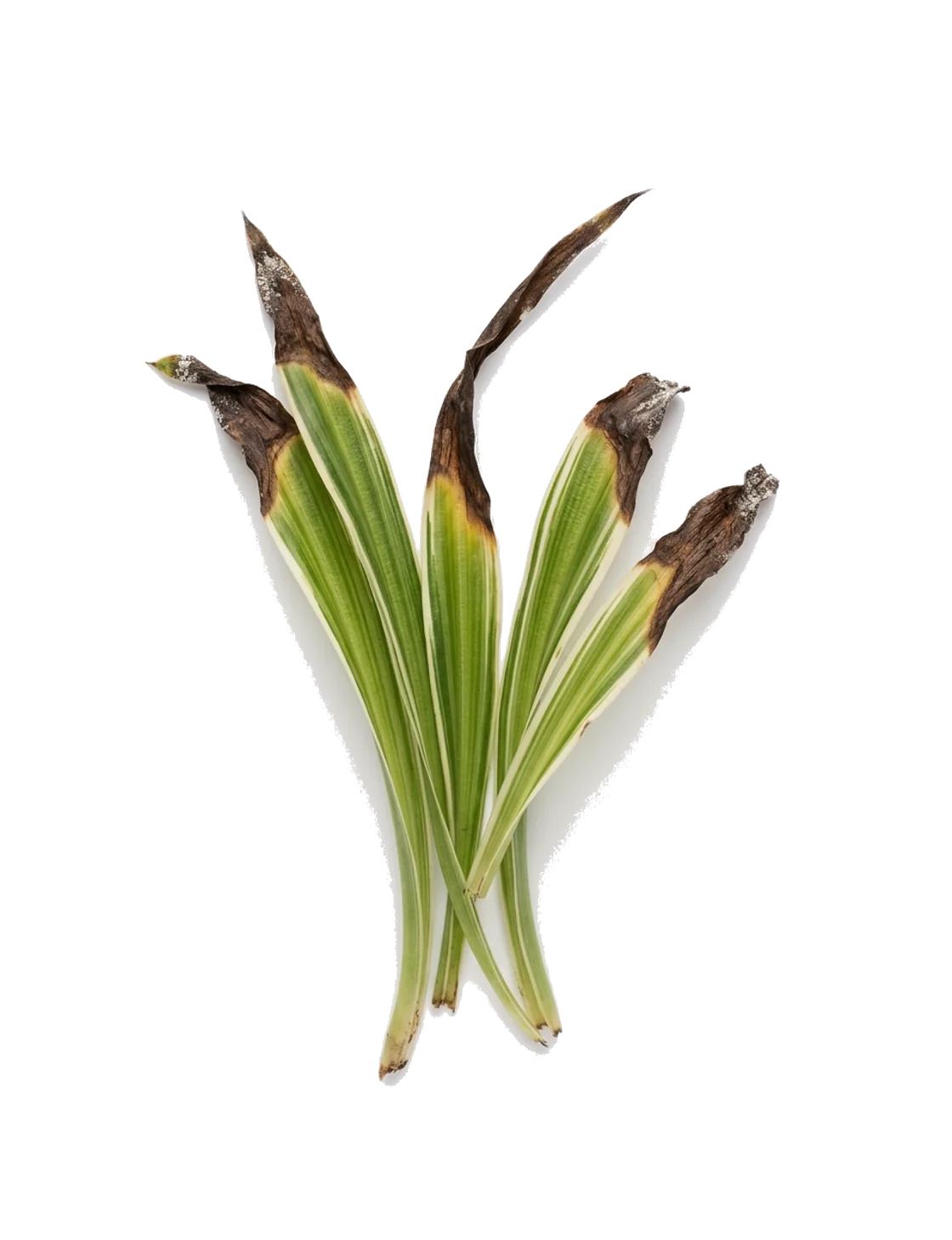
- Dry air
- Overwatering
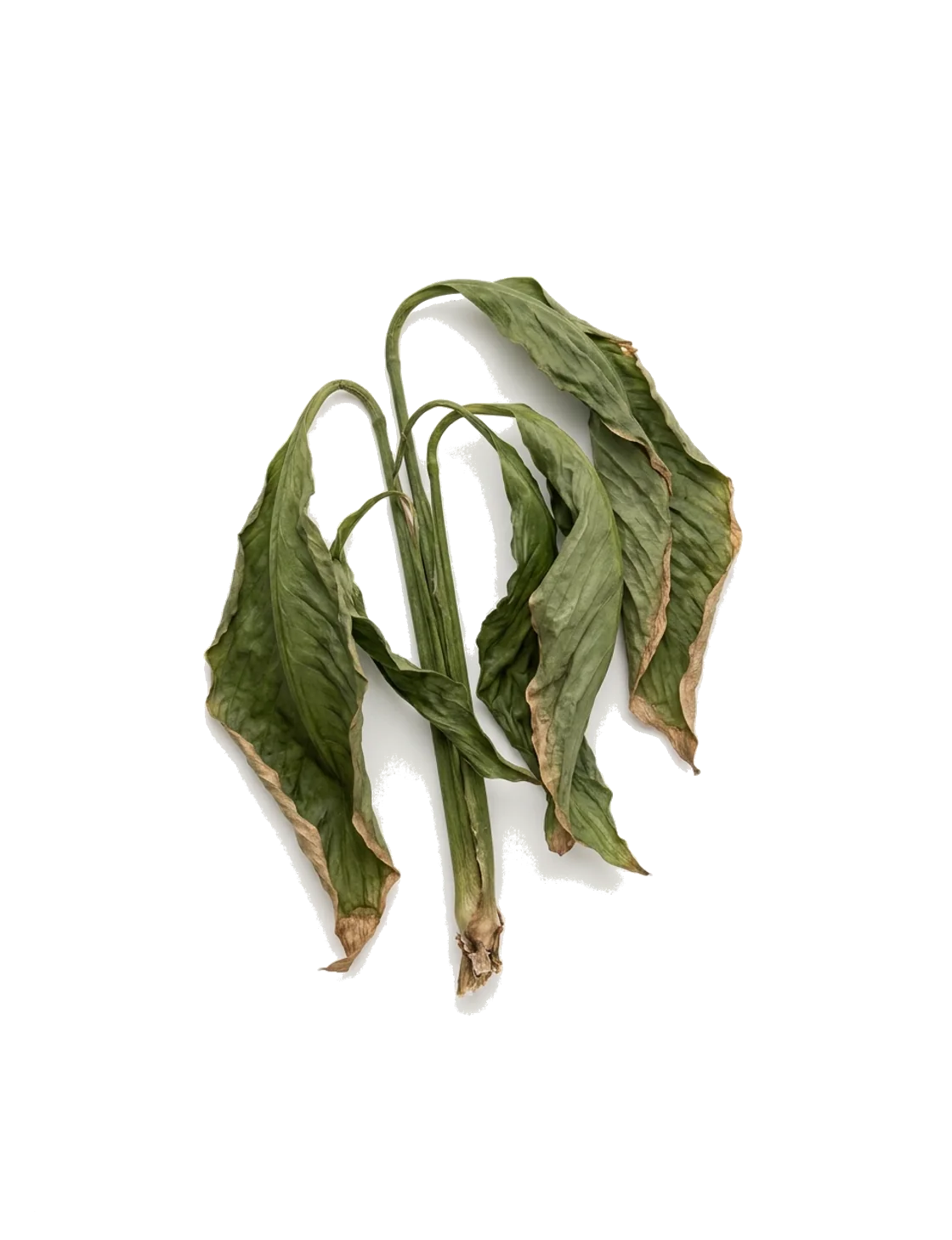
- Underwatering
- Sunburn
- Spider mites
- Salt or fertiliser build-up



Frequently asked questions What people ask most.
Why are the leaf tips turning brown and crispy?
Crispy edges are almost always caused by dry indoor air or high levels of tap water additives like chlorine and fluoride. Raise ambient humidity using a pebble tray or humidifier, and switch to distilled or filtered water.
Why are my rattlesnake plant's leaves curling inward?
Inward leaf curling is a protective defense mechanism usually triggered by underwatering, low humidity, or excessive heat and bright direct light. Check the soil moisture immediately, hydrate thoroughly if dry, and move the pot away from harsh light sources.
How often should I repot my rattlesnake plant?
Repot every one to two years during spring when the root mass fills the existing pot. Select a container only one size larger with functional drainage holes to prevent overpotting and soggy soil.
Why has my plant stopped moving its leaves at night?
Calatheas may stop their upward folding motion if they receive insufficient light during the day, experience root stress, or are severely underwatered. Relocate the plant to a spot with brighter indirect light and maintain consistent moisture.