Dragon tail plant
Epipremnum pinnatum
Dragon tail plant (Epipremnum pinnatum): complete guide to watering, light and propagation of the lobed-leaf tropical climber. Home growing tips.
- Light
- Indirect
- Watering
- 10–14days between waterings
- Temperature
- 18–30 °Cideal temperature
- Toxicity
- Non-toxic
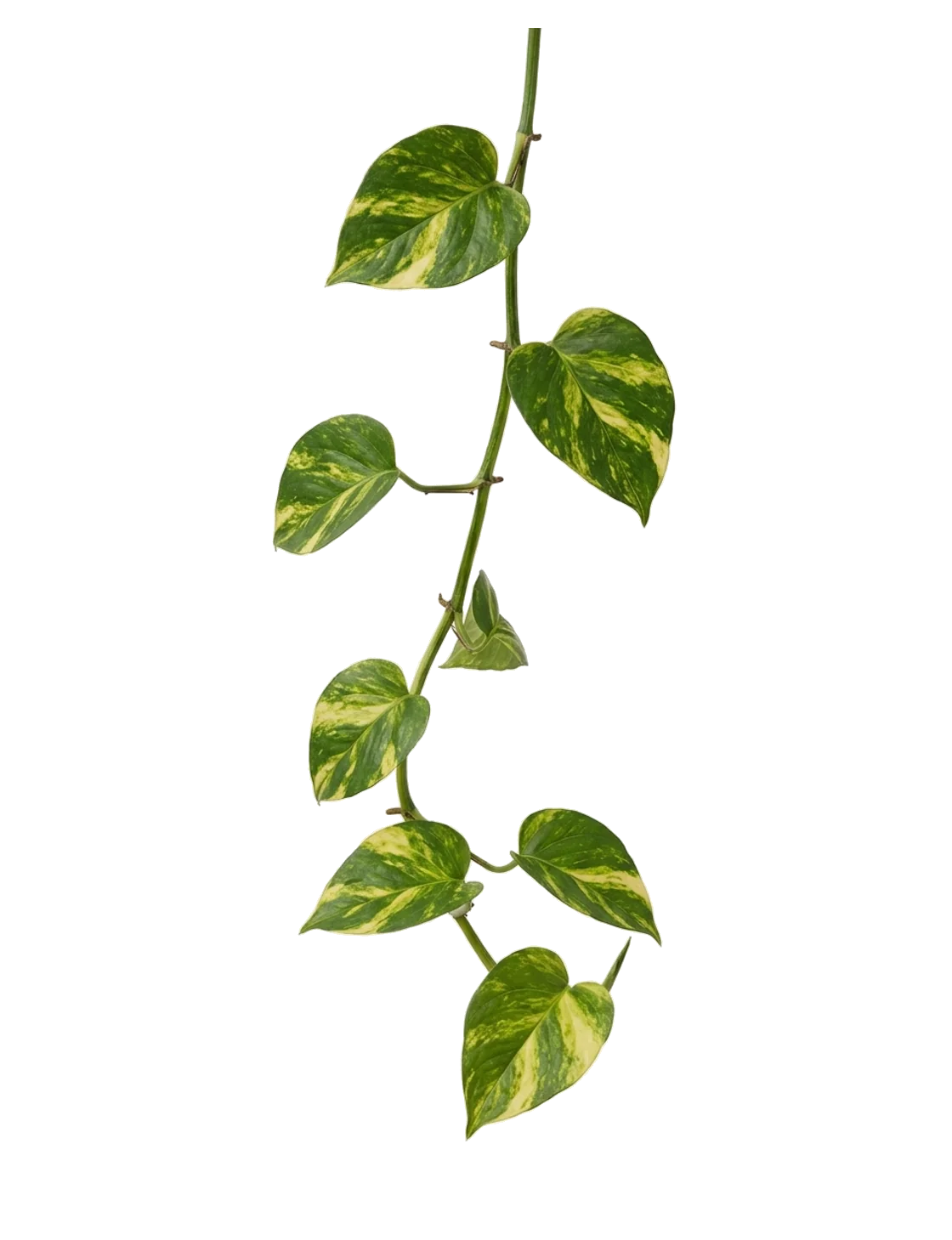
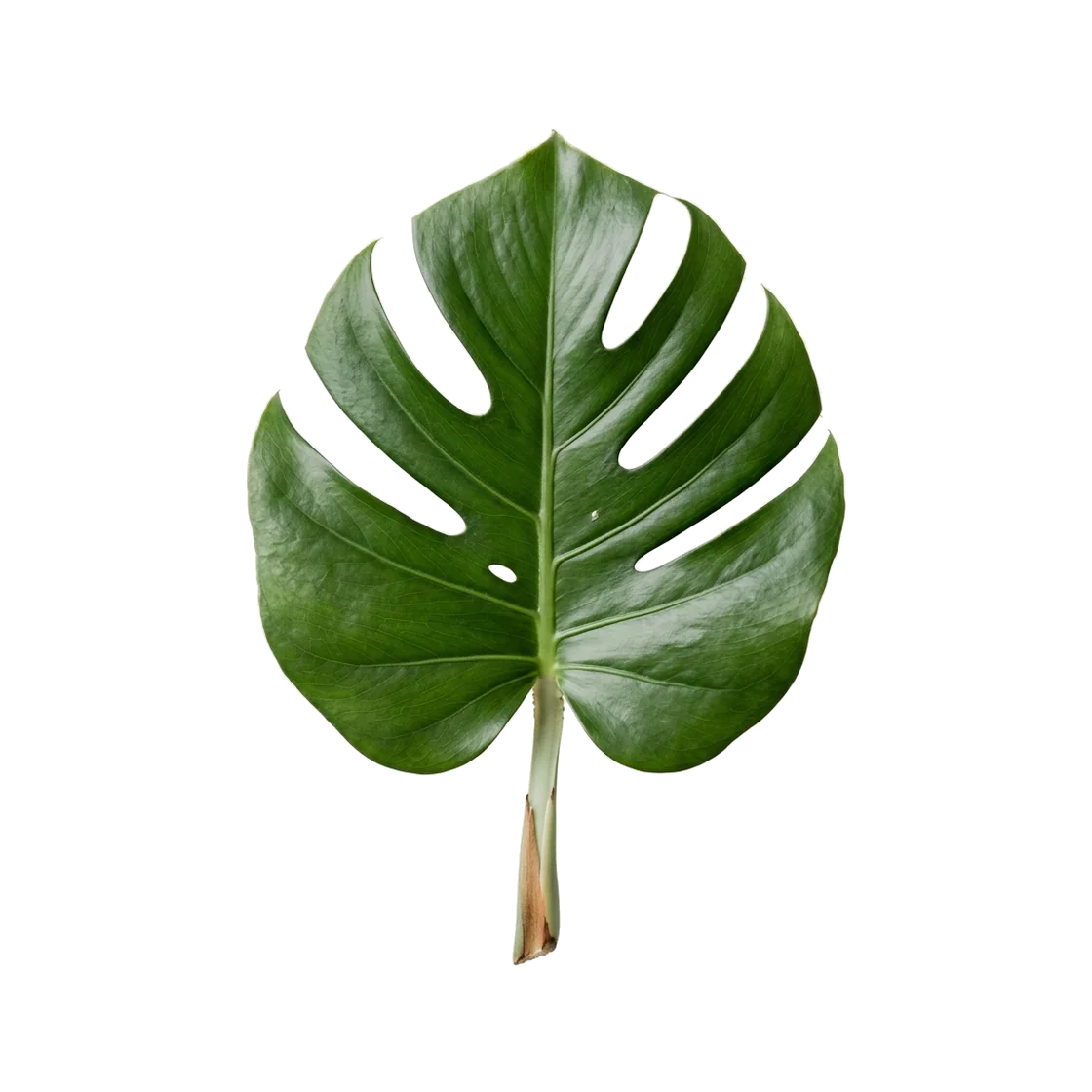
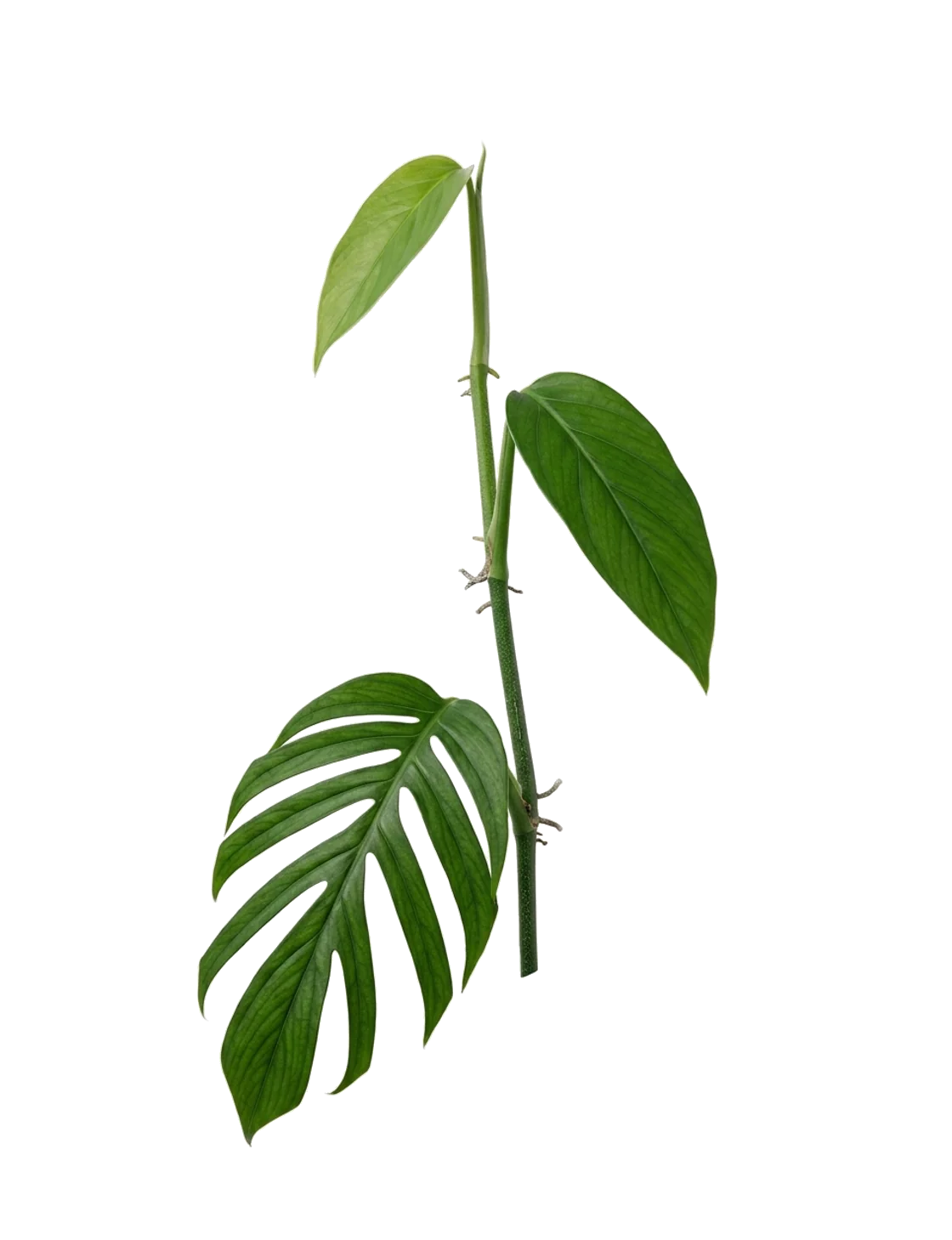
The dragon tail plant (Epipremnum pinnatum) is a vigorous climber from the tropical forests stretching from Southeast Asia to Australia and the Pacific islands. Young plants grown in pots show elegant heart-shaped leaves, but given a support to climb, the foliage transforms: it grows much larger and develops deep lobes and splits. That double personality makes it one of the most entertaining foliage plants to grow.
In care it resembles its famous cousin the golden pothos, asking for bright indirect light and watering once the top of the mix dries. It climbs by means of aerial roots, so a moss pole or a rough support keeps it happiest and unlocks the dramatic mature foliage. In lower light it survives as a trailing plant with smaller leaves, which suits hanging baskets perfectly well.
It is a fast, grateful plant that only asks for steady warmth, watering without waterlogging, and a spring trim if it outgrows its space. Clean the leaves occasionally, feed lightly in the growing season, and repot when the roots fill the pot. Outdoors it only suits frost-free climates, so in most regions it lives as a houseplant all year.
Did you know?Climbing high into trees, its leaves can grow enormous and split deeply, looking like a different plant entirely.
Care. What it needs, point by point.
- Watering
- 10–14 days between wateringsWater when the top 2 or 3 centimetres of mix are dry, usually weekly in summer and every 10 to 14 days in winter indoors. Soak well each time and empty the saucer.
- Light
- IndirectIt thrives in bright, indirect light, where it grows fast and the leaves reach a good size. It tolerates medium light, but deep shade keeps the leaves small and juvenile.
- Temperature
- 18–30 °C ideal temperatureIt grows best between 18 and 30 °C and hates cold: never let it drop below 13 to 15 °C. Keep it away from cold draughts and frosty windowpanes in winter.
- Soil
- Use a loose, fertile mix with bark or perlite that drains freely, in a pot with drainage holes. A moss pole keeps climbing stems vigorous and encourages larger leaves.
- Fertilizer
- 2–4 weeks between feedsFeed with a balanced liquid fertiliser at half strength every two to four weeks from spring to early autumn. Ease off in winter when growth slows.
- Pruning
- Prune in spring to control size, cutting stems just above a node; the plant branches willingly. Wipe large leaves with a damp cloth so they can photosynthesise well.
- Propagation
- Root stem cuttings with at least one node in water or moist mix in spring; they root quickly and reliably. Aerial roots along the stems show exactly where to cut.
Where it grows. In the wild and in homes.
In the wild it grows in tropical Asia, the Pacific, temperate Asia, and Australasia, in a wet tropical climate.
People have also taken it to 7 more regions where it now grows on its own: the Caribbean, western South America, and Central America.
Range: Plants of the World Online, Royal Botanic Gardens, Kew
Is Dragon tail plant toxic to cats and dogs?
The ASPCA doesn't list this species. If your pet has chewed it and seems unwell, call your vet.
Common problems What tends to go wrong.
- Overwatering
- Root rot
- Mealybugs and scale
- Spider mites




Frequently asked questions What people ask most.
How often should I water a dragon tail plant?
Water when the top 2 or 3 centimetres feel dry, roughly weekly in summer and every 10 to 14 days in winter indoors. Drench the root ball each time and tip away the excess so the roots never sit in water.
Why are the leaves small with no splits?
Small, entire leaves are simply the juvenile form, which persists without climbing or bright light. Offer a moss pole to climb and plenty of indirect light, and new leaves will emerge progressively larger and lobed.
Why are the leaves yellowing?
Yellow leaves usually point to overwatering or a mix that stays soggy. Check the watering rhythm, make sure the pot drains freely, and move the plant somewhere with a little more light.
How do I propagate Epipremnum pinnatum?
Snip stem sections with at least one node in spring and root them in water or moist mix; aerial roots make success almost certain. Pot up rooted pieces in groups for a fuller plant from day one.
Can it grow outdoors?
Only in frost-free climates, where it climbs trees with enthusiasm and can become vigorous. Everywhere else it is strictly a houseplant, moved outside only in the warmest months if at all.