Corn plant
Dracaena fragrans
Learn how to care for the corn plant (Dracaena fragrans): watering schedule, light needs, ideal temperature, and tips for lush, vibrant green foliage.
- Light
- Indirect
- Watering
- 7–10days between waterings
- Temperature
- 18–24 °Cideal temperature
- Pets
- Toxic
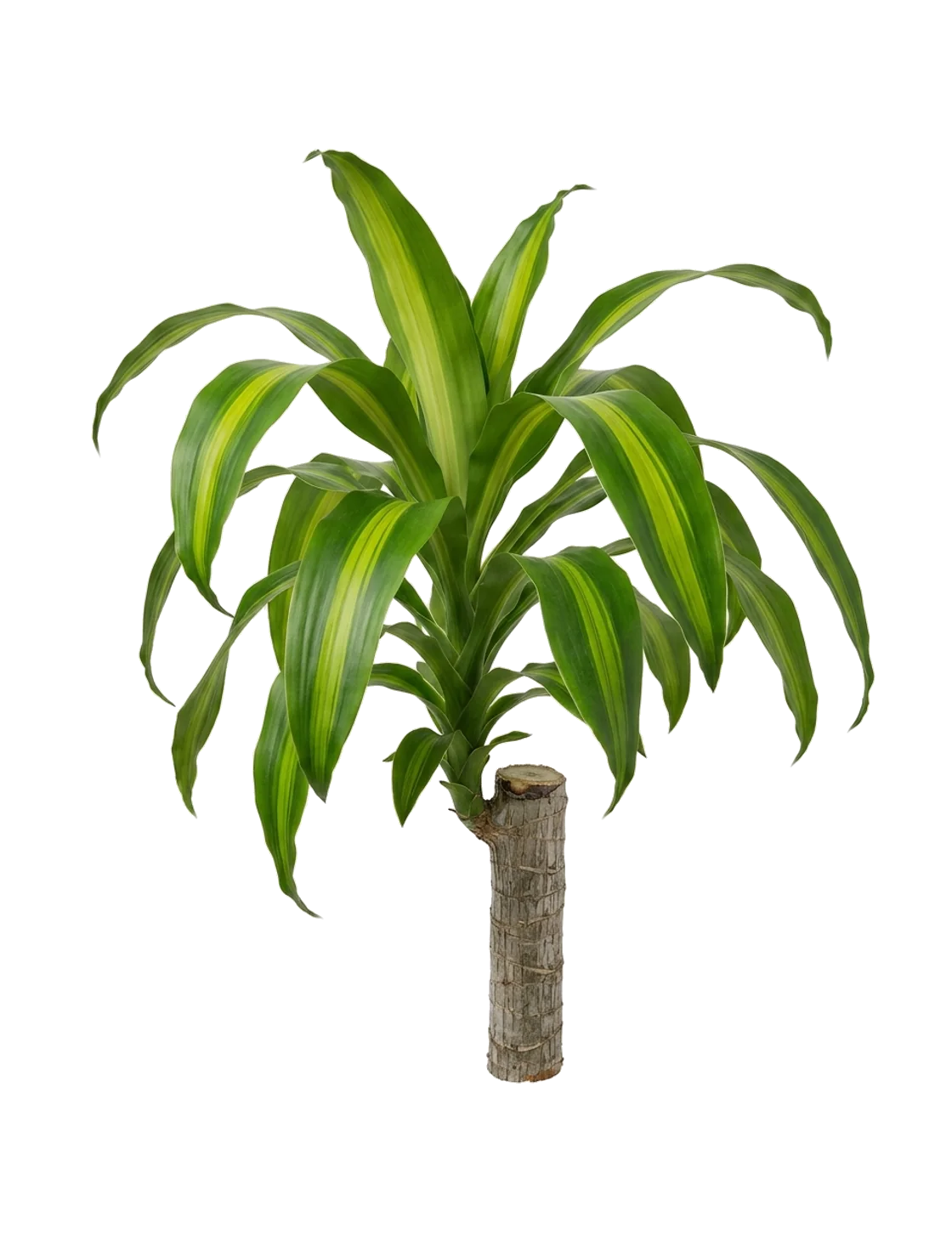
The corn plant (Dracaena fragrans) is a classic tropical evergreen shrub native to central and eastern Africa. Highly valued as an indoor specimen, it features sturdy woody stems crowned with dense rosettes of broad, arching foliage. Its glossy green leaves often display a luminous yellow-green central stripe in popular cultivars like Massangeana, giving it an elegant, tropical presence.
Known for its resilient nature and slow growth rate, this plant adapts well to standard home and office conditions while tolerating occasional neglect. While wild specimens can reach heights over fifteen feet and produce clusters of highly scented white blooms, potted indoor plants stay much more compact and rarely produce flowers indoors. Its upright habit makes it ideal for filling vertical interior spaces.
Proper cultivation centers on disciplined watering and filtered sunlight. Wet, poorly draining soil quickly leads to root problems, while direct sun can scorch the decorative leaves. Providing a well-aerated potting mix, moderate indoor temperatures, and allowing the root zone to dry down between waterings ensures vigorous growth and vibrant foliage for decades.
Did you know?The species name 'fragrans' refers to its intensely sweet-smelling night blossoms, which seldom appear when grown in household conditions.
Care. What it needs, point by point.
- Watering
- 7–10 days between wateringsWater thoroughly only after the top half of the potting mix has completely dried out, usually every seven to ten days in warm months and less often during winter. Always test soil moisture with a finger or wooden skewer before watering. Standing water in the drip tray must be discarded promptly to protect roots from suffocation.
- Light
- IndirectPosition your plant in bright, indirect sunlight to maintain vibrant leaf color and sturdy growth. Keep it shielded from intense midday sun, which readily bleaches and burns the leaves.
- Temperature
- 18–24 °C ideal temperatureThe ideal indoor temperature ranges between 18 °C and 24 °C throughout the year. Protect the plant from cold drafts, air conditioning vents, and temperatures dropping below 12 °C.
- Soil
- Plant in a loose, well-draining potting blend containing standard peat or coco coir amended with twenty percent perlite.
- Fertilizer
- Feed with a balanced liquid houseplant fertilizer diluted to half strength once a month through spring and summer, pausing feeding entirely in autumn and winter.
- Pruning
- Trim away spent or yellowing lower leaves close to the main cane using clean, sanitized pruning shears to maintain a neat appearance.
- Propagation
- Propagate easily from cane cuttings or top rosettes placed in water or rooted directly in moist potting mix. Keep the new cuttings in warm, softly lit conditions until a solid root network establishes.
Where it grows. In the wild and in homes.
In the wild it grows in Africa, in a seasonally dry tropical climate.
People have also taken it to 19 more regions where it now grows on its own: South and Central America and the Caribbean, Africa, the Pacific, and tropical Asia.
Range: Plants of the World Online, Royal Botanic Gardens, Kew
Is Corn plant toxic to cats and dogs?
Toxic to cats and dogs.

Cats
Toxic

Dogs
Toxic
Usual signs
Vomiting (occasionally with blood), depression, anorexia, hypersalivation, and dilated pupils in cats.
If your pet has chewed it and shows symptoms, call your vet or the nearest emergency vet.
Source · ASPCA Animal Poison Control
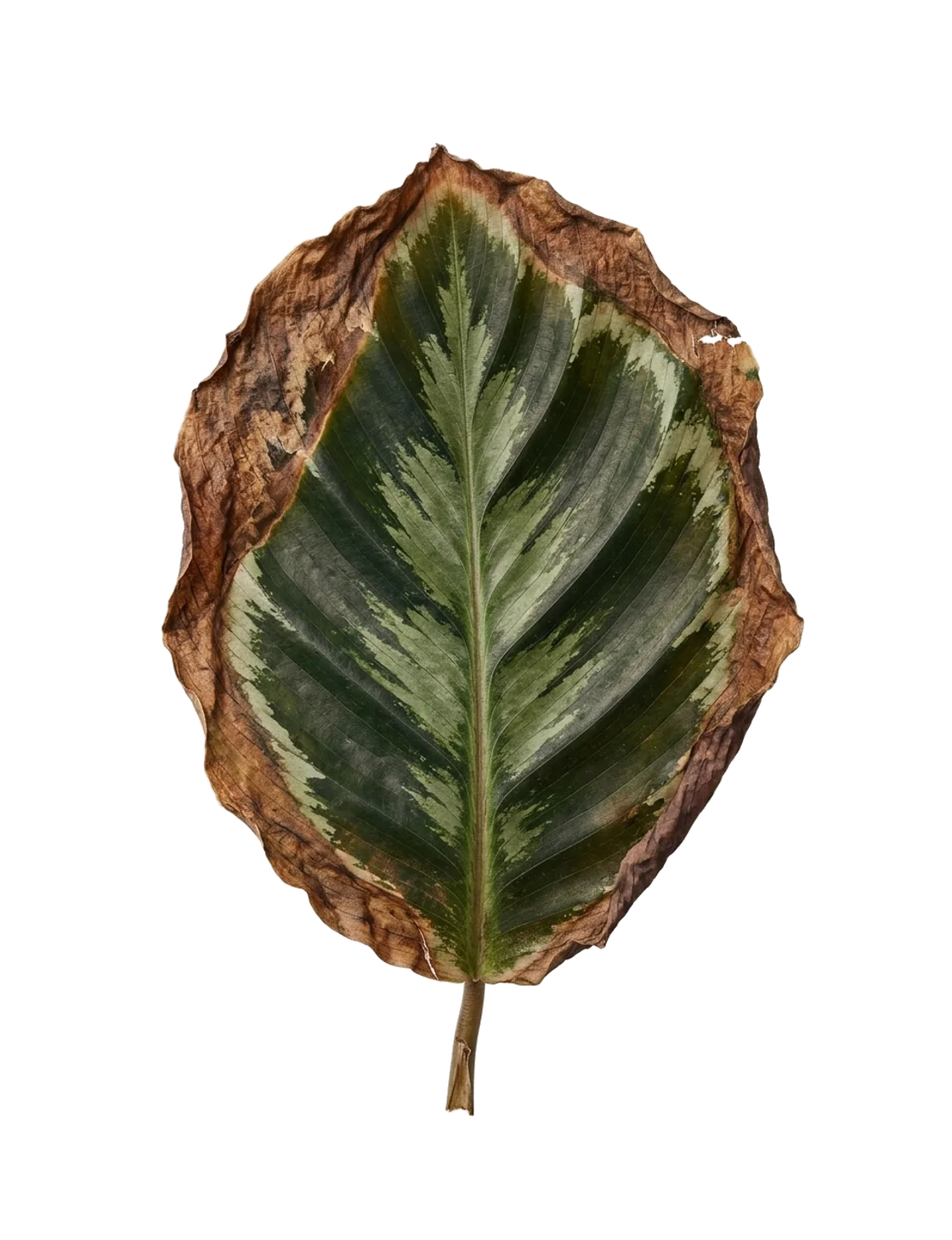
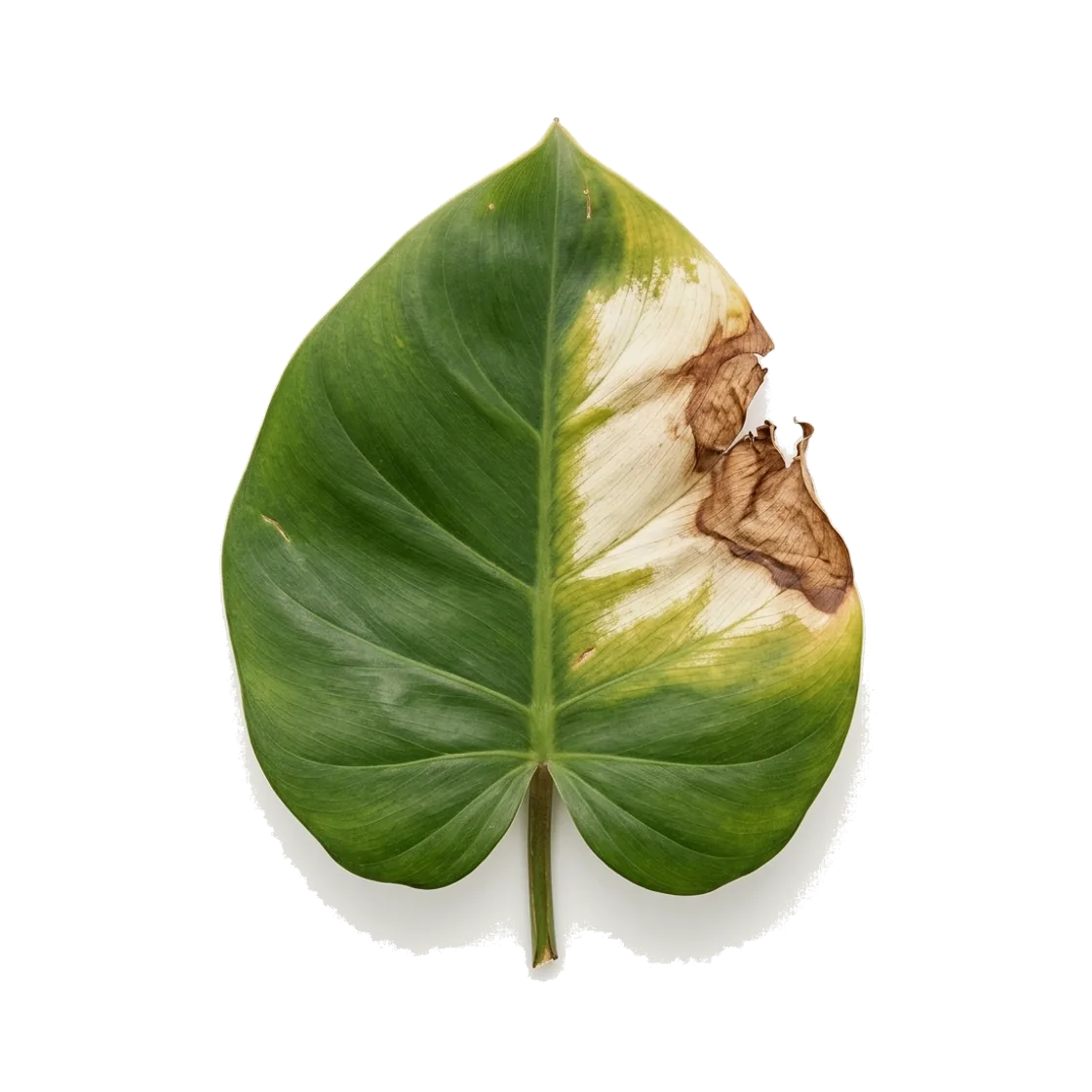
Common problems What tends to go wrong.
- Overwatering
- Root rot
- Dry air
- Sunburn
- Mealybugs and scale



Frequently asked questions What people ask most.
Why are the leaf tips turning brown?
Brown crispy tips usually signal dry indoor air, mineral build-up, or sensitivity to tap water chemicals like fluoride and chlorine. Increase surrounding humidity and let tap water sit out overnight before watering, or use filtered water.
Why are the leaves turning yellow and limp?
Yellow, dropping leaves commonly indicate overwatering or poorly draining soil that suffocates the roots. Allow the root ball to dry significantly between waterings and ensure the container has functional drainage holes.
What causes a soft or mushy stem?
A soft stem is a symptom of advanced stem or root rot caused by prolonged waterlogging. Cut away firm, healthy tops to propagate fresh plants and discard the decayed lower stem sections.
How often should a corn plant be repotted?
Repot every two to three years in early spring into a container only one size larger. For mature specimens that are too large to move, simply scrape off and replace the top few inches of old soil.