Chinese evergreen
Aglaonema commutatum
Learn how to care for your Chinese evergreen at home: watering routines, light requirements, potting mix tips, and troubleshooting common issues.
- Light
- Indirect
- Watering
- 7–10days between waterings
- Temperature
- 18–26 °Cideal temperature
- Toxicity
- Non-toxic
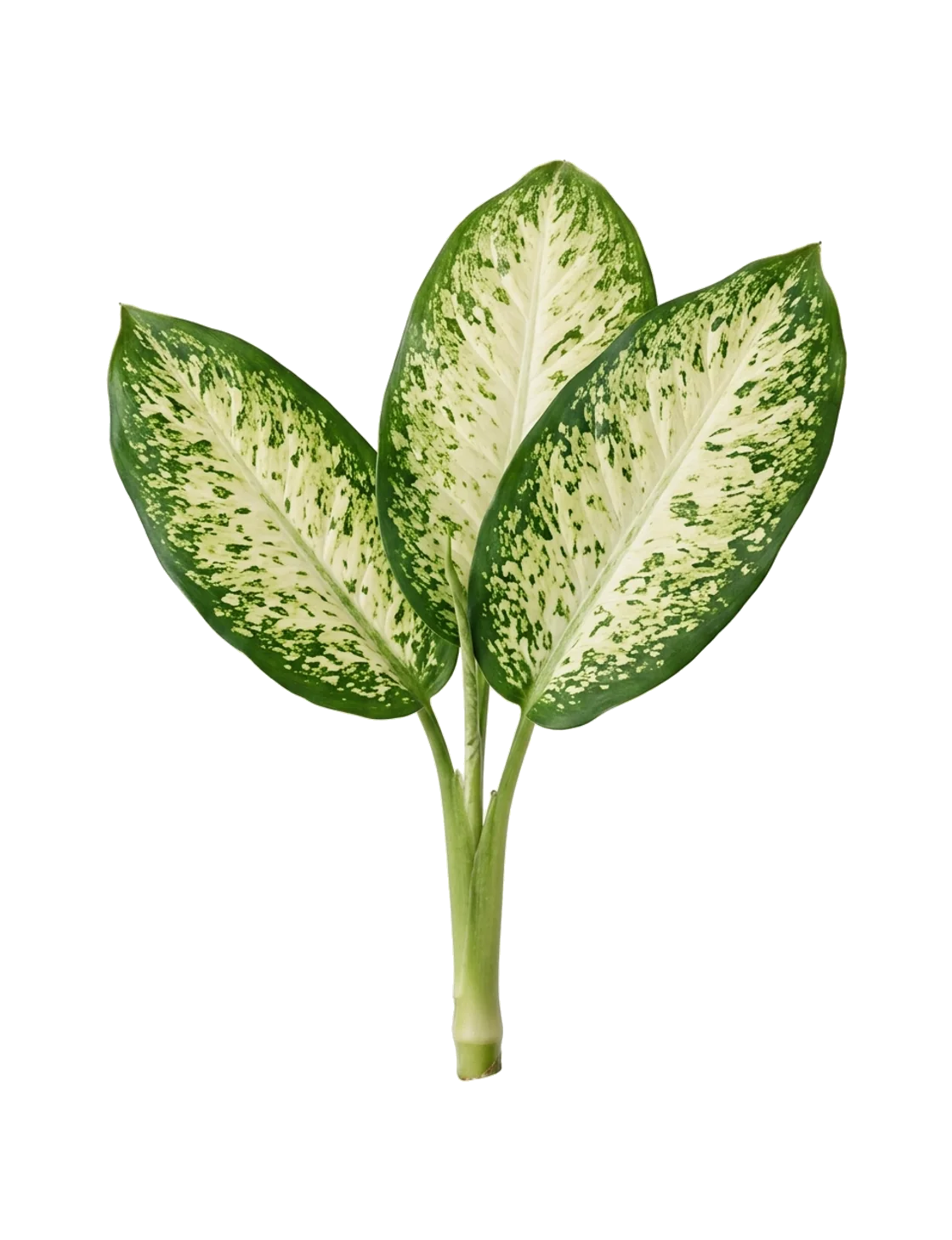
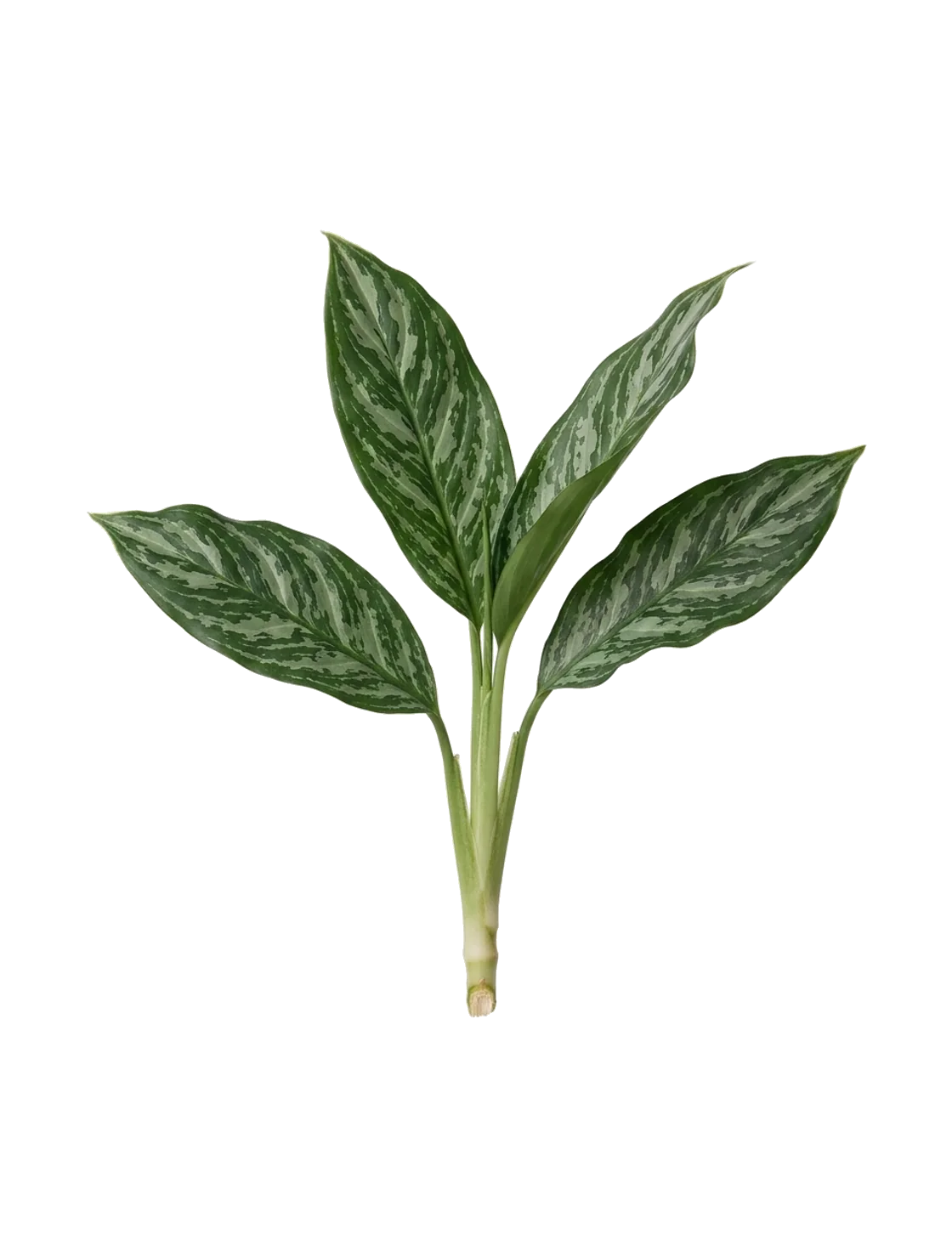
Chinese evergreen (Aglaonema commutatum) is a dependable and popular tropical perennial grown worldwide for its attractive foliage. It produces broad, lance-shaped leaves marked with striking silvery-gray patterns atop upright stems, creating a lush, compact display. Its elegant appearance makes it a staple for home interiors, offices, and low-light living spaces.
Native to the humid forest floors of Southeast Asia, this plant has adapted to thrive under dense tree canopies. As a houseplant, this trait allows it to tolerate lower light levels far better than most other variegated tropicals. It grows at a steady, manageable pace and rarely demands demanding maintenance or complex routines to stay healthy.
The primary secret to growing a thriving Chinese evergreen lies in measured watering and warmth. It easily handles occasional neglect, but sitting in soggy soil or enduring cold drafts will quickly damage its root system. With well-draining soil and minimal care, it will reward you with vibrant greenery for many years to come.
Did you know?Despite its tropical rainforest origin, the Chinese evergreen is celebrated as one of the most shade-tolerant and enduring houseplants known in cultivation.
Care. What it needs, point by point.
- Watering
- 7–10 days between wateringsWater only when the top half of the potting soil feels completely dry to the touch. In spring and summer, this typically translates to watering every seven to ten days, stretching to every two or three weeks in winter. Always discard any standing water collected in the drip tray.
- Light
- IndirectIt thrives in medium to low indirect light, making it exceptionally versatile for indoor spaces. Avoid placing it in direct sunlight, which can quickly scorch the foliage and wash out its patterns.
- Temperature
- 18–26 °C ideal temperatureMaintain steady room temperatures between 18°C and 26°C (65°F to 78°F) throughout the year. Protect the plant from cold drafts, air conditioning vents, and temperatures dropping below 15°C (60°F).
- Soil
- Use an airy, well-draining potting mix composed of standard houseplant soil amended with perlite and orchid bark. This open structure ensures good root oxygenation and prevents water from pooling around the crown.
- Fertilizer
- Feed with a balanced liquid houseplant fertilizer diluted to half strength once a month during spring and summer. Stop fertilizing in autumn and winter when plant growth naturally slows down.
- Pruning
- No shaping or formal pruning is required; simply trim away yellowing or older lower leaves at the base using clean shears. This keeps the plant tidy and redirects energy toward fresh, healthy growth.
- Propagation
- Easily propagate this plant by dividing root clumps during spring repotting, ensuring each division has roots attached. You can also root stem cuttings in water or moist potting mix kept in a warm location.
Where it grows. In the wild and in homes.
In the wild it grows in Malesia, in a wet tropical climate.
People have also taken it to 9 more regions where it now grows on its own: South and Central America and the Caribbean, tropical Asia, Africa, and the Pacific.
Range: Plants of the World Online, Royal Botanic Gardens, Kew
Is Chinese evergreen toxic to cats and dogs?
The ASPCA doesn't list this species. If your pet has chewed it and seems unwell, call your vet.
Common problems What tends to go wrong.
- Overwatering
- Root rot
- Cold damage
- Mealybugs and scale
- Dry air




Frequently asked questions What people ask most.
Why are my Chinese evergreen leaves turning yellow?
Yellow leaves most commonly indicate overwatering or poorly draining soil that suffocates the roots. Allow the top layers of soil to dry out between waterings and make sure the pot drains freely.
Why are the leaf tips turning brown and crispy?
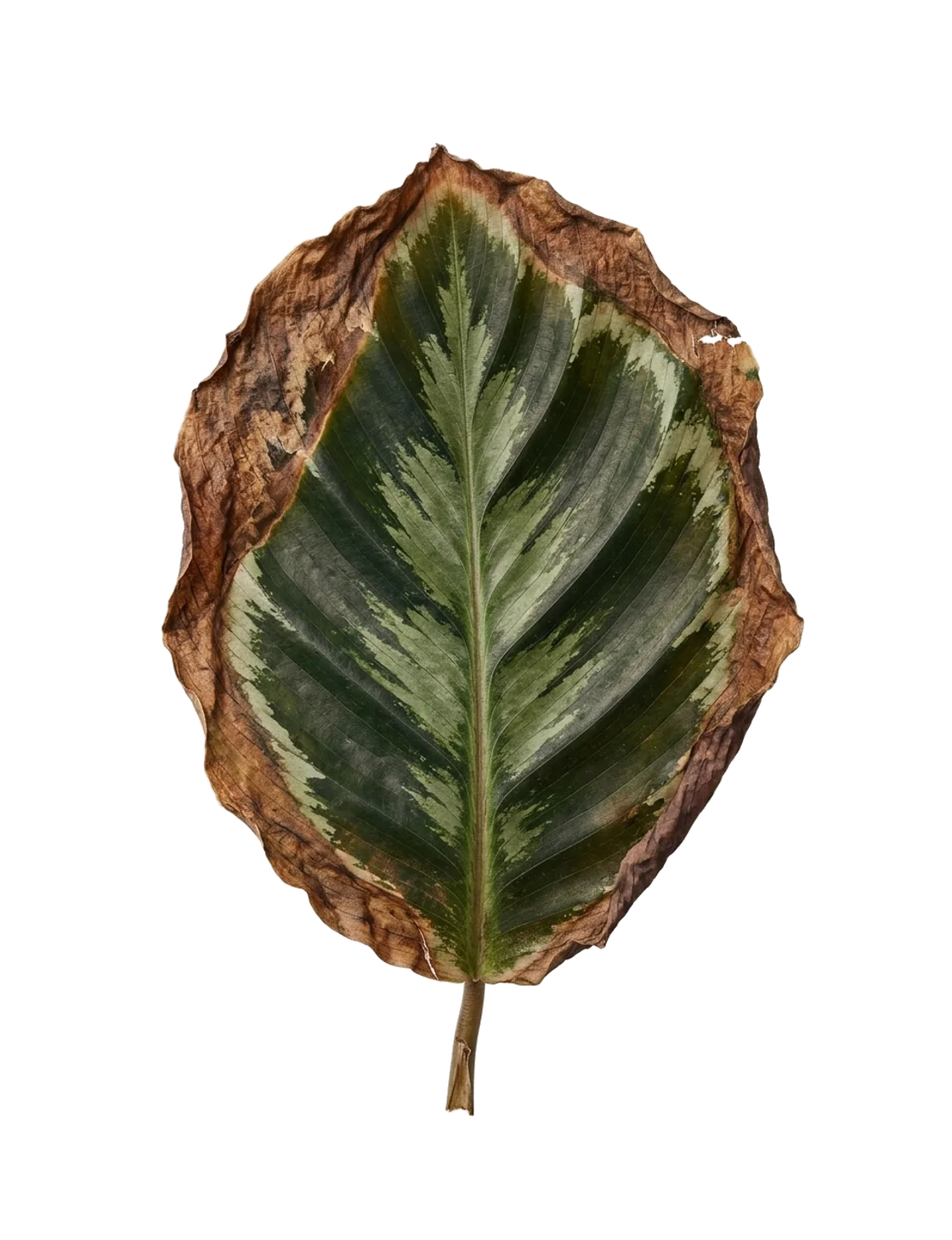
Brown tips are usually caused by low indoor humidity, dry air from heating vents, or mineral buildup from tap water. Increase ambient humidity or flush the soil with distilled or filtered water to remedy this issue.
Can Chinese evergreen survive in dark rooms?
It tolerates low light remarkably well compared to other houseplants, making it ideal for dimmer rooms. However, growth will slow significantly, and very dark environments can cause the leaf variegation to fade.
How often should I repot my plant?
Repot every two to three years in spring when roots begin crowding the current container. Choose a new pot that is only one or two inches wider in diameter to prevent excess soil moisture.