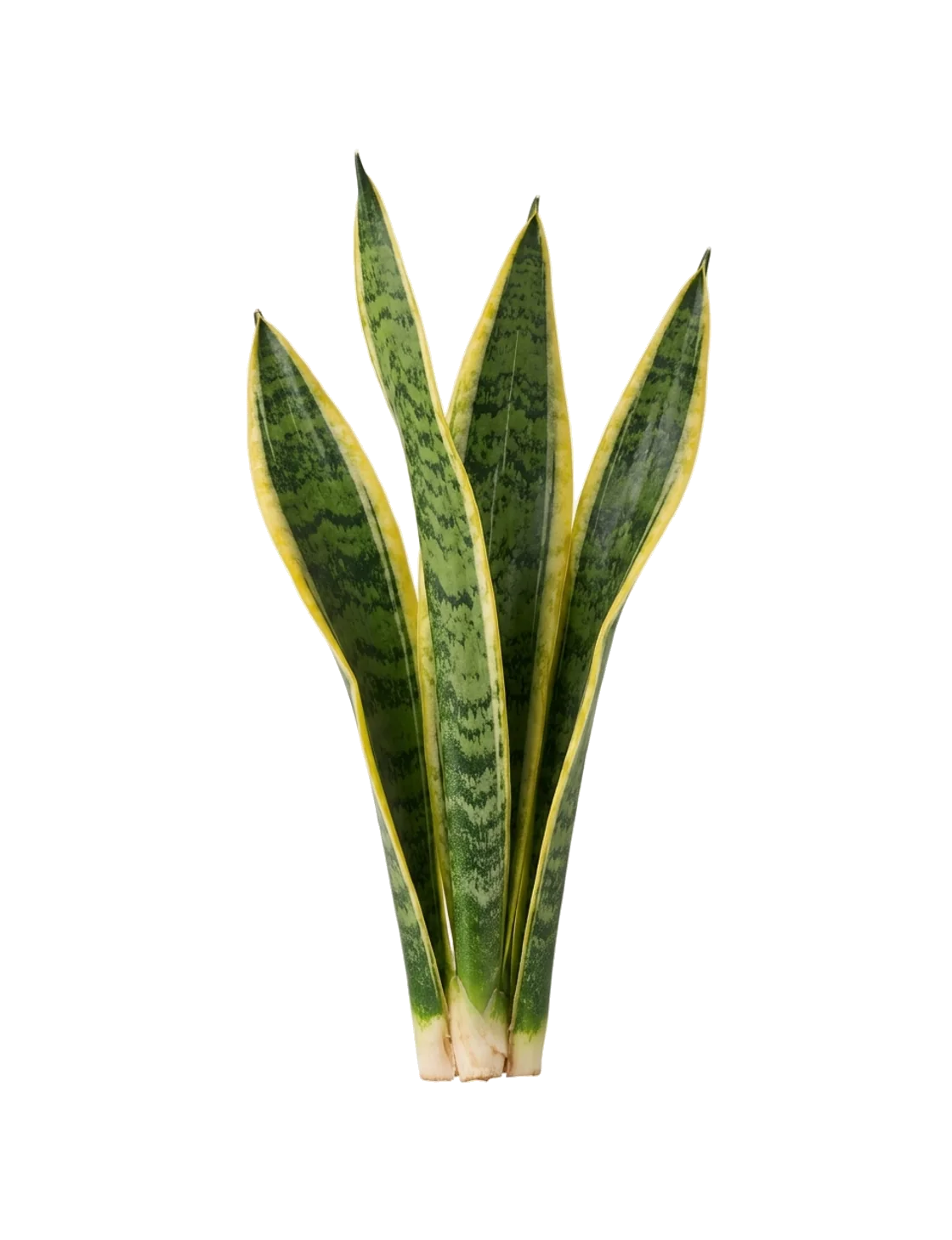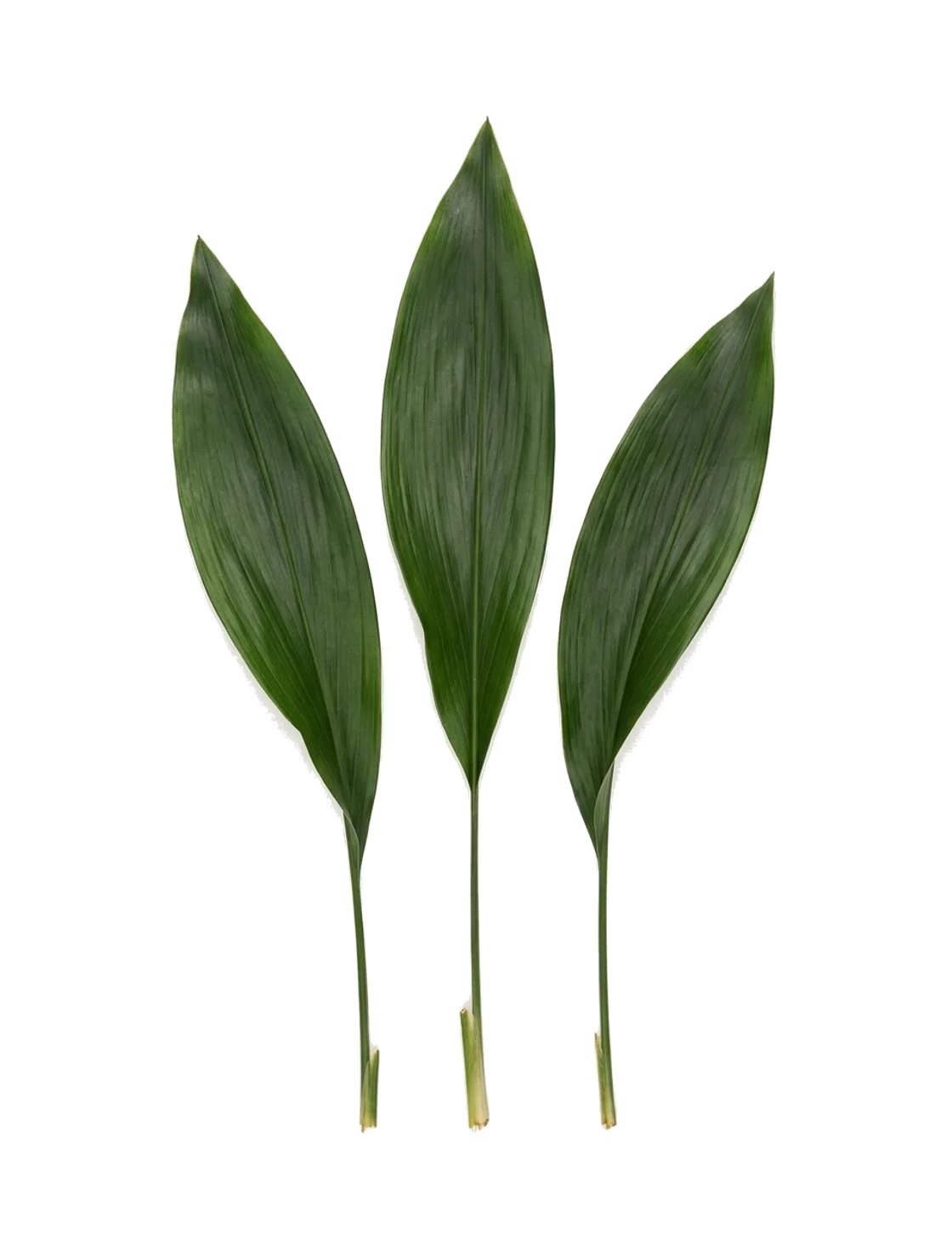
The cast iron plant is a hardy evergreen perennial renowned across the world for its remarkable resilience and graceful architectural foliage. Its broad, lance-shaped leaves boast a deep, glossy green tone and leathery texture, rising directly from stout underground rhizomes to create dense, upright clumps that bring lush greenery to any space.
True to its common name, it thrives in challenging conditions where other houseplants struggle, including dimly lit hallways, north-facing living rooms, and shaded outdoor patios. It forgives inconsistent watering, adapts readily to fluctuations in temperature, and withstands dry indoor air without crisping at the slightest draft.
Growth is inherently slow, producing only a handful of fresh leaves each growing season. Long-term success relies on avoiding direct sun exposure, which scorches the elegant foliage, and ensuring the root system never sits in waterlogged soil, allowing the compost to dry partially between thorough waterings.
Did you know?Its peculiar purple flowers bloom right at soil level hidden beneath the leaves, where they are pollinated in nature by tiny amphipods and ground insects.
Care. What it needs, point by point.
- Watering
- 1× a weekWater thoroughly only when the top half to two-thirds of the potting soil feels dry to the touch. Once every week or ten days is usually plenty in summer, scaling back to every two or three weeks in winter.
- Light
- IndirectPrefers moderate to deep indirect light or partial shade. Direct sun should be strictly avoided because it easily burns and bleaches the dark green leaves.
- Temperature
- 10–24 °C ideal temperatureThrives best at temperatures between 10 and 24 °C. While it can withstand brief cold spells near freezing if kept relatively dry, it is best shielded from hard winter frosts.
- Soil
- A well-draining, rich houseplant potting mix amended with perlite or coarse sand works best. Good drainage holes in the container are essential to prevent standing moisture.
- Fertilizer
- Feed with a balanced liquid houseplant fertilizer once a month during spring and summer. Stop fertilizing entirely through the autumn and winter dormant months.
- Pruning
- Trim off yellowing, damaged, or aged leaves right at soil level using clean, sharp pruning shears. This routine tidying keeps the clump healthy and promotes fresh shoots.
- Propagation
- Propagate by rhizome division in early spring while repotting. Ensure each divided clump has at least two to three healthy leaves and a robust section of root.
Where it grows. In the wild and in homes.
In the wild it grows in East Asia, in a subtropical climate.
People have also taken it to 14 more regions where it now grows on its own: North America, temperate Asia, Europe, and South and Central America and the Caribbean.
Range: Plants of the World Online, Royal Botanic Gardens, Kew
Is Cast iron plant toxic to cats and dogs?
Non-toxic to cats and dogs.

Cats
Non-toxic

Dogs
Non-toxic
Source · ASPCA Animal Poison Control
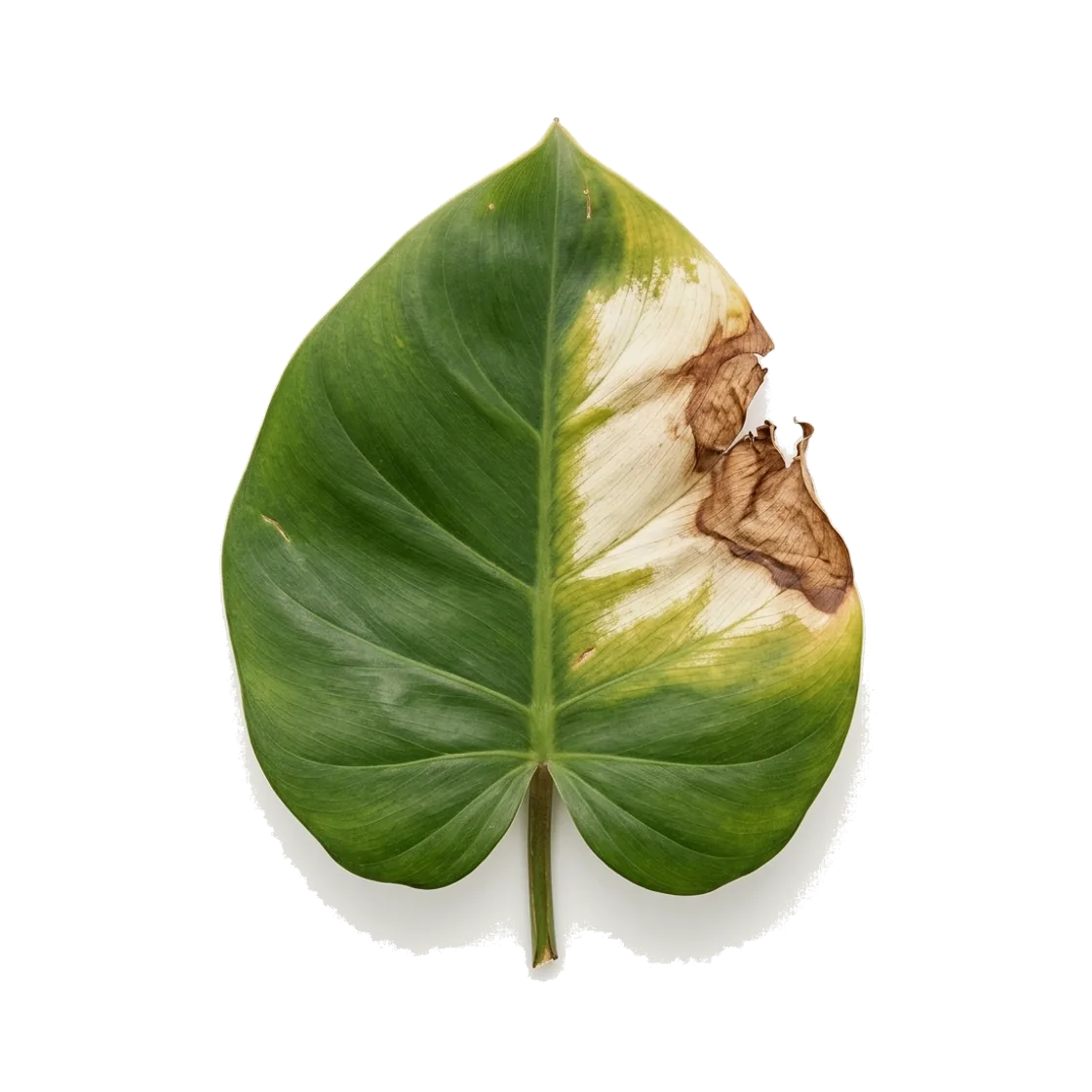
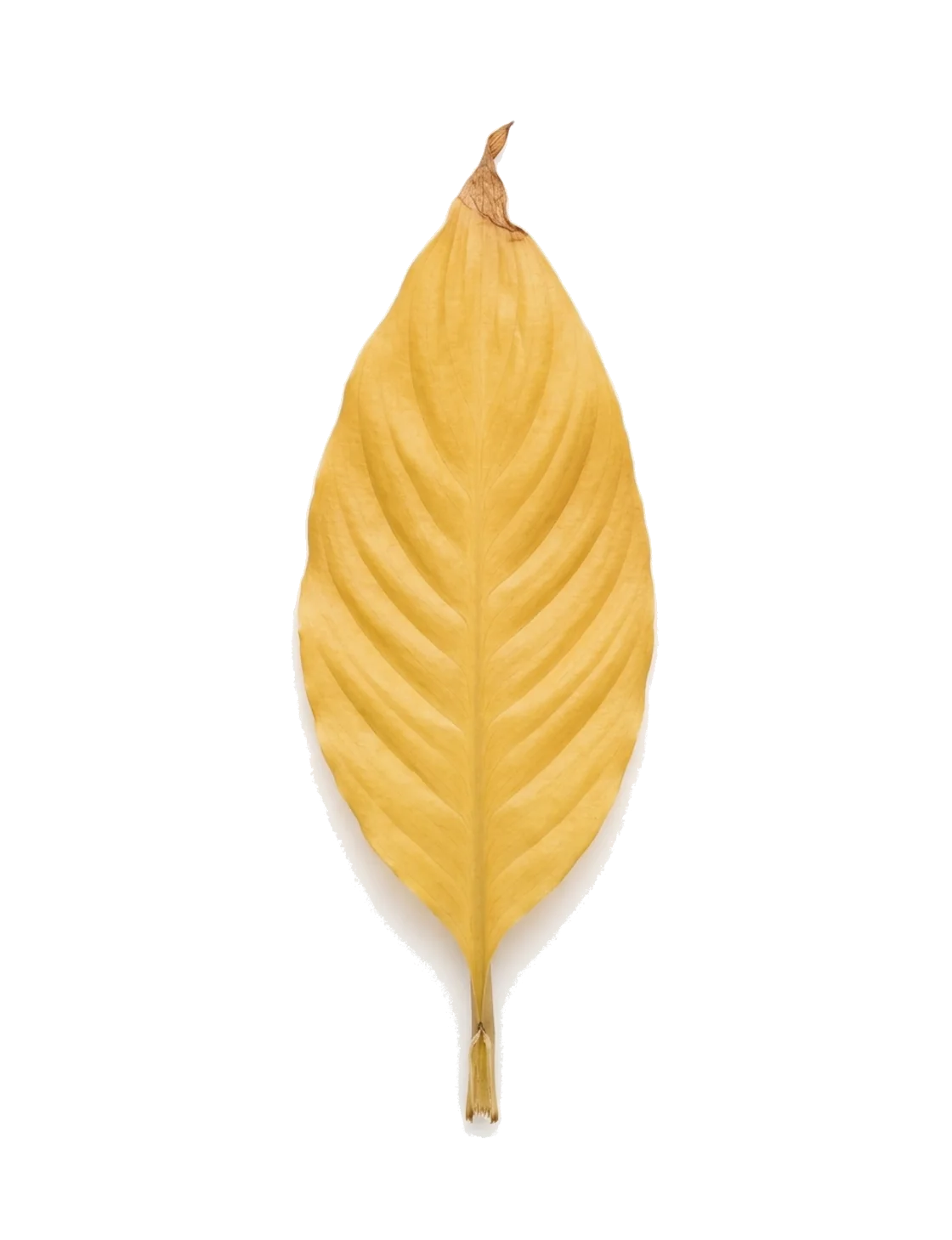
Common problems What tends to go wrong.
- Root rot
- Sunburn
- Mealybugs and scale
- Overwatering
- Natural ageing



Frequently asked questions What people ask most.
Why are the tips of the leaves turning brown and dry?
Brown tips are most commonly caused by overwatering or mineral buildup from hard tap water. Let the potting mix dry out more between waterings and consider flushing the soil with filtered water.
Why is my plant growing so slowly?
Cast iron plants are naturally slow growers that only produce a few new leaves each season. If there is no progress for over a year, move it to a slightly brighter spot with indirect light.
How often does a cast iron plant need repotting?
It prefers being rootbound and dislikes frequent root disturbance, so repotting every three to four years is sufficient. When moving it, choose a pot only one size larger to avoid holding excess moisture.
Can a cast iron plant survive in a room with low light?
Yes, it is one of the most reliable houseplants for low-light corners and shaded rooms. However, completely windowless areas will eventually weaken the plant unless supplemented with artificial light.