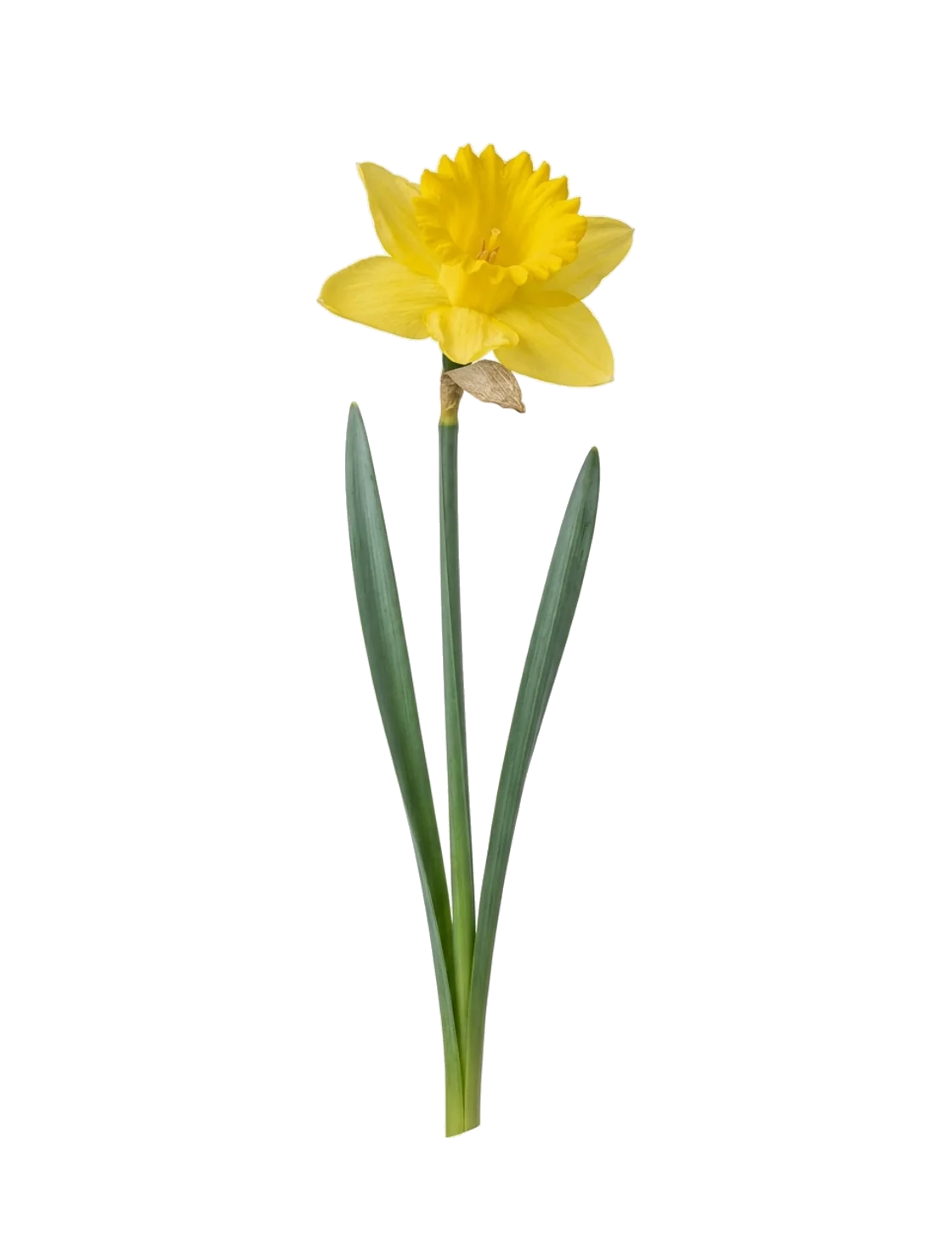
The wild daffodil (Narcissus pseudonarcissus) is a hardy perennial bulb famed for its cheerful, trumpet-shaped yellow blooms and upright, strap-like foliage. Each flower features a distinctive central cup surrounded by a ring of paler petals, rising proudly on sturdy stems that announce the arrival of early spring.
This classic bulb follows a clear seasonal rhythm dictated by temperature cues. It requires a sustained period of winter cold to break dormancy and trigger healthy flower bud formation. Once the striking flowers fade, the green foliage continues photosynthesizing for several weeks, channeling crucial sugars back down into the underground bulb to fuel the next year's bloom before withering away for summer dormancy.
Daffodils are exceptionally easy to grow and thrive equally well in borders, naturalized lawns, or outdoor patio containers. Extremely cold-hardy and undemanding, they multiply naturally over time to form generous clumps that return reliably season after season with very little intervention from the gardener.
Did you know?Daffodils are widely celebrated as the national flower of Wales and a herald of spring. Their bulbs contain distasteful compounds that naturally deter squirrels, deer, and burrowing rodents.
Care. What it needs, point by point.
- Watering
- 1–2× a weekWater once or twice a week while shoots are actively growing and flowering, keeping the soil evenly moist. Check that the top 2 inches of soil feel dry before watering again, and stop completely once leaves die back in summer.
- Light
- Full sunPosition in full sun to bright partial shade to encourage robust stems and vibrant petals. For indoor potted daffodils, place them on a sunny windowsill that receives direct morning light.
- Temperature
- 10–18 °C ideal temperatureThey grow best in cool conditions between 10 °C and 18 °C during their shoot and bloom phase. Bulbs easily endure freezing winter temperatures down to -15 °C underground, while warm indoor heat above 22 °C will shorten bloom life.
- Soil
- Use an open, well-aerated potting mix that drains excess moisture quickly to protect the bulb from rot. A blend of regular potting compost amended with coarse grit or perlite is ideal.
- Fertilizer
- Feed with a potassium-rich bulb fertilizer as shoots emerge in late winter and continue until petals fade. Avoid high-nitrogen feeds, which encourage lush foliage at the expense of flower development.
- Pruning
- Deadhead spent blossoms right at the top of the flower stalk to prevent seed production. Never trim or tie back green foliage until it has turned entirely yellow and dry on its own.
- Propagation
- Propagate by lifting dormant clumps in late summer or autumn and teasing apart the small offset bulbs from the parent. Replant offsets immediately at roughly three times their own height in depth.
Where it grows. In the wild and in homes.
In the wild it grows in central Europe, southwestern Europe, and northern Europe, in a temperate climate.
People have also taken it to 50 more regions where it now grows on its own: North America, Europe, Australasia, and temperate Asia.
The Florami community has photographed it in España.
Range: Plants of the World Online, Royal Botanic Gardens, Kew
Is Daffodil toxic to cats and dogs?
Toxic to cats and dogs.

Cats
Toxic

Dogs
Toxic
Usual signs
Causes vomiting, salivation, and diarrhea; large ingestions lead to convulsions, low blood pressure, tremors, and cardiac arrhythmias, with bulbs being the most toxic part.
If your pet has chewed it and shows symptoms, call your vet or the nearest emergency vet.
Source · ASPCA Animal Poison Control
Gallery As the community sees it.
Photo · Wikimedia Commons · CC BY-SA 3.0
Common problems What tends to go wrong.
- Root rot
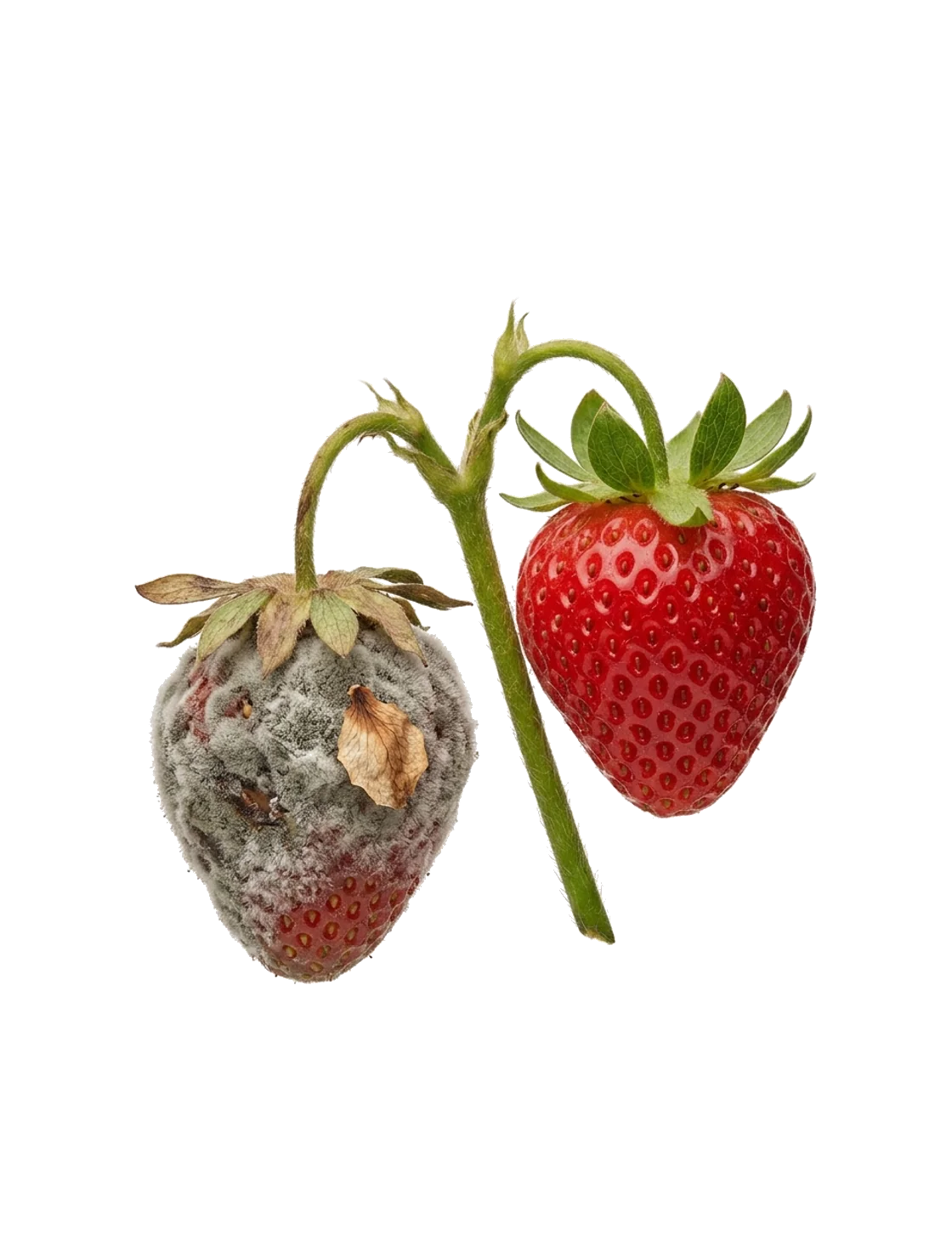
- Botrytis (grey mould)
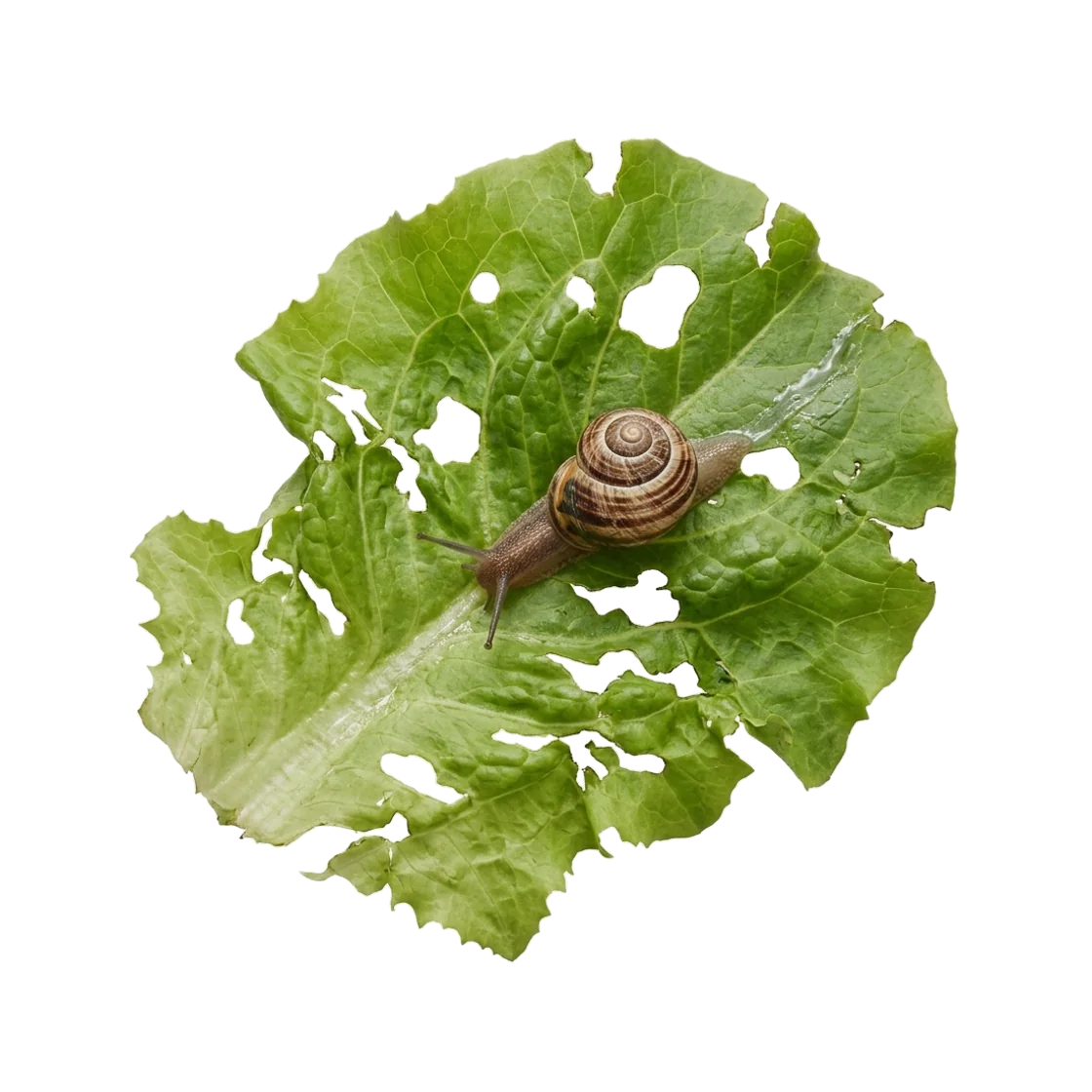
- Snails and slugs
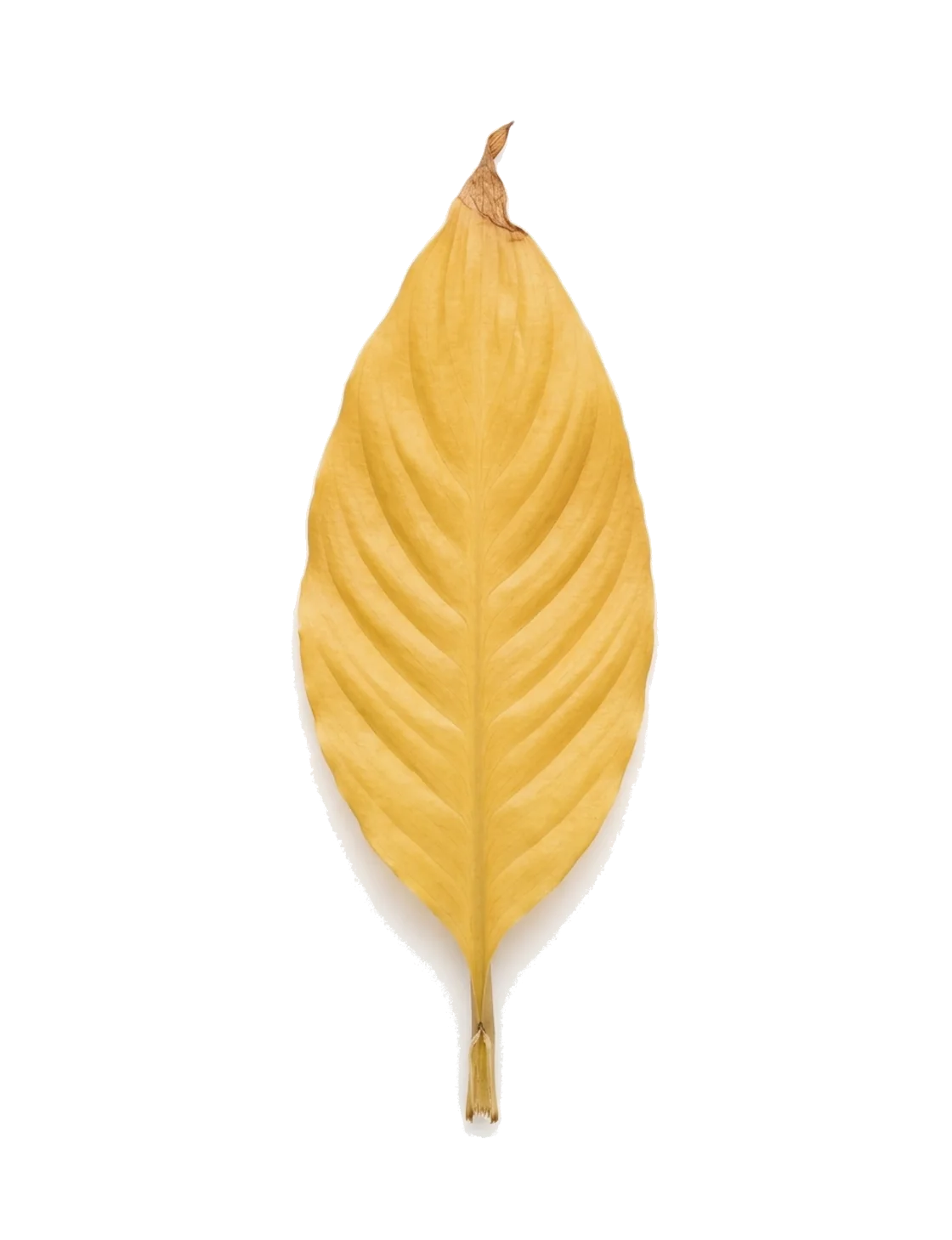
- Natural ageing
- Overwatering


Frequently asked questions What people ask most.
Why is my daffodil producing leaves but no flowers?
This condition, known as daffodil blindness, often occurs when leaves were trimmed too early the previous season, preventing energy storage. It can also stem from insufficient winter chilling, overcrowded bulbs, or planting in deep shade.
When should daffodil bulbs be planted?
Plant daffodil bulbs in early to mid-autumn, about two to four weeks before the ground freezes. This gives the root system ample time to anchor into the soil before freezing winter temperatures arrive.
Why are my daffodil leaves turning yellow?
Yellowing foliage after flowering is entirely normal as the plant draws nutrients back into the underground bulb before summer dormancy. If leaves turn yellow prematurely while buds are forming, soggy soil and root rot are the primary suspects.
Do I need to dig up daffodil bulbs every year?
No, daffodil bulbs can remain undisturbed in the garden soil for years where they naturally expand into larger clumps. Only lift them if the soil becomes overly damp in summer or if clumps become crowded and need dividing.