Bush lily
Clivia miniata
Learn how to care for your bush lily (Clivia miniata) with tips on indirect light, sparse watering, well-drained soil, and winter chilling for blooms.
- Light
- Indirect
- Watering
- 10–14days between waterings
- Temperature
- 15–24 °Cideal temperature
- Pets
- Toxic
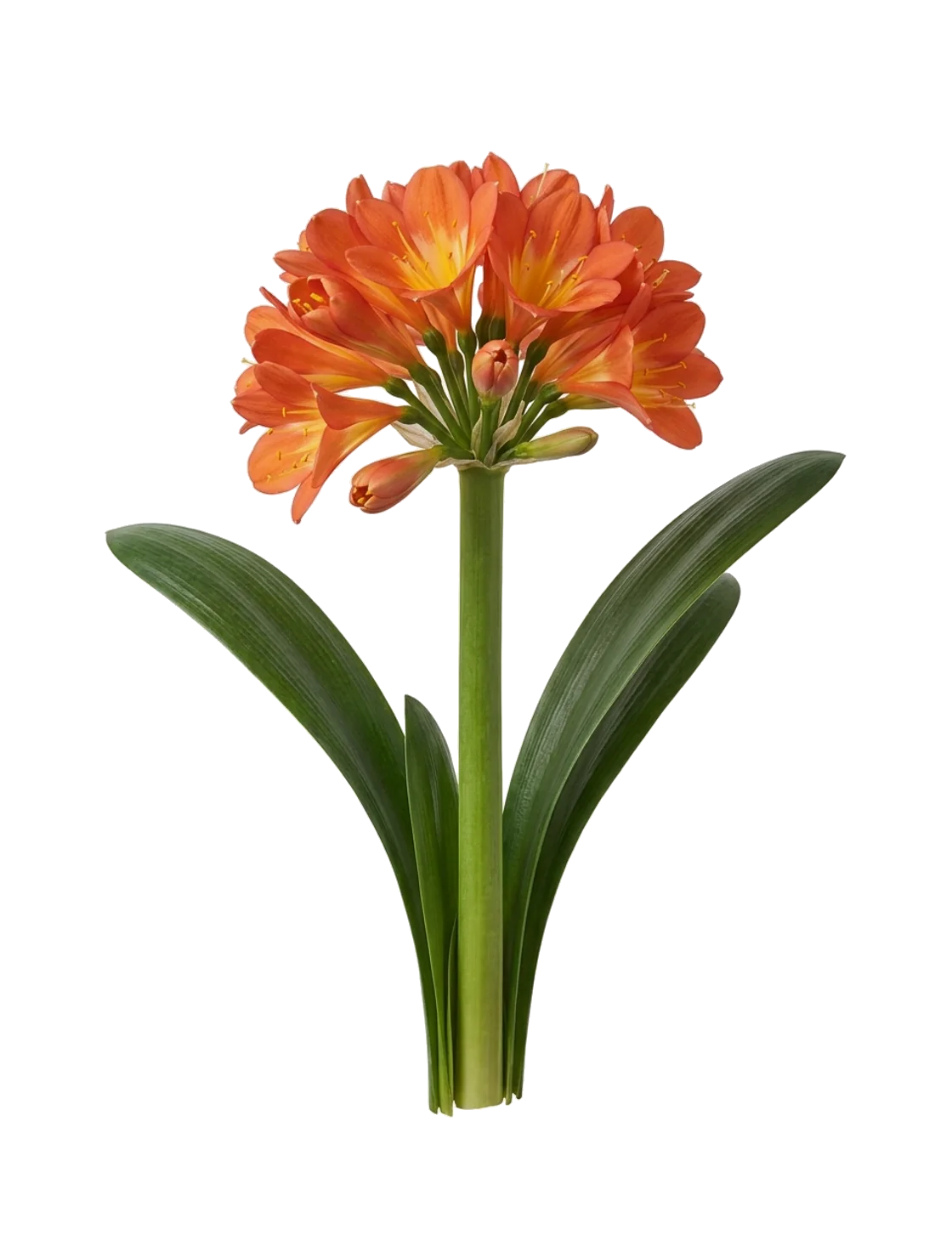
The bush lily (Clivia miniata) is an elegant evergreen perennial native to the shaded subtropical forest floors of South Africa. It features arching, dark green strap-like leaves arranged in a tidy fan shape, supported by thick, fleshy roots that efficiently store water and nutrients. In late winter and early spring, mature plants produce stout flowering stalks topped with clusters of striking trumpet-shaped blossoms, typically in vibrant shades of orange, red, or salmon with contrasting yellow centers.
Valued for its resilience and tolerance of lower light conditions, this plant thrives indoors in bright, indirect light as well as outdoors in shaded, frost-free patios. Direct sun must be strictly avoided, as harsh ultraviolet rays will quickly scorch the foliage and cause unsightly bleached blemishes. Furthermore, bush lilies dislike frequent root disturbance and actually produce far more prolific blooms when kept comfortably root-bound in relatively snug containers.
Achieving reliable blooms year after year requires replicating the plant's natural seasonal rhythm. Providing a mandatory rest period of six to eight weeks in late autumn and winter—characterized by cool temperatures and minimal watering—is essential to stimulate bud initiation. Once the flower stalk emerges from between the leaves, you can gradually resume regular watering and return the plant to room temperature.
Did you know?Bush lilies bloom best when pot-bound and need a cool, dry winter resting period to trigger flower buds.
Care. What it needs, point by point.
- Watering
- 10–14 days between wateringsWater moderately during spring and summer, allowing the top half of the potting mix to dry out completely before watering again, typically every 10 to 14 days. During the autumn and winter rest period, cut back drastically to once a month to prevent root rot. Always check soil moisture with your finger before adding water.
- Light
- IndirectProvide bright, indirect sunlight or luminous dappled shade. Never expose the plant to direct, unfiltered sunlight, which easily bleaches and scorches the leaves.
- Temperature
- 15–24 °C ideal temperatureThe optimal temperature range is between 15°C and 24°C during active growth. A cool winter dormancy period between 8°C and 12°C for about eight weeks is required to trigger flowering, avoiding frost.
- Soil
- Use an airy, coarse, and free-draining potting mix, such as standard potting soil amended with bark chips and perlite. Excellent drainage is vital to keep the thick, fleshy roots healthy.
- Fertilizer
- 3 weeks between feedsFeed with a balanced liquid fertilizer formulated for flowering plants every three weeks throughout spring and summer. Stop all fertilization during the autumn and winter resting period.
- Pruning
- Bush lilies require no pruning other than removing yellowed bottom leaves at the base. Cut spent flower stalks near the stem once blooming finishes so the plant conserves energy.
- Propagation
- Propagate by carefully separating offset pups from the parent plant during spring repotting. Ensure each division has developed its own robust set of roots before potting it individually.
Where it grows. In the wild and in homes.
In the wild it grows in southern Africa, in a subtropical climate.
People have also taken it to 3 more regions where it now grows on its own: Mexico.
Range: Plants of the World Online, Royal Botanic Gardens, Kew
Is Bush lily toxic to cats and dogs?
Toxic to cats and dogs.

Cats
Toxic

Dogs
Toxic
Usual signs
Causes vomiting, salivation, and diarrhea, with large ingestions leading to convulsions, low blood pressure, tremors, and cardiac arrhythmias, the bulb being the most toxic part.
If your pet has chewed it and shows symptoms, call your vet or the nearest emergency vet.
Source · ASPCA Animal Poison Control
Gallery As the community sees it.
Photo · Bernard DUPONT from FRANCE · CC BY-SA 2.0
Common problems What tends to go wrong.
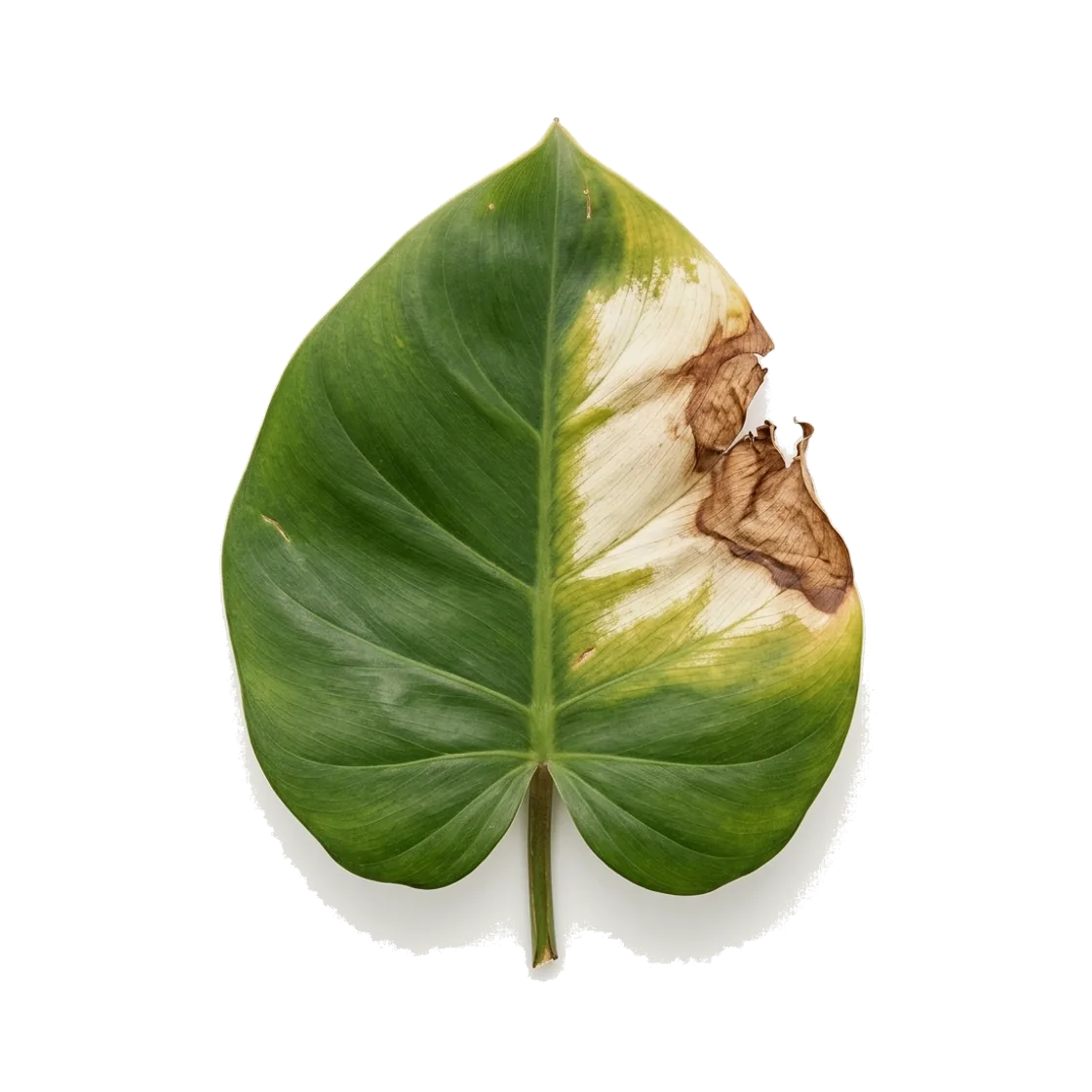
- Root rot
- Mealybugs and scale
- Sunburn
- Overwatering



Frequently asked questions What people ask most.
Why is my bush lily not flowering?
The most common reason is the absence of a cool, dry winter rest period. Clivias kept in warm rooms with regular year-round watering produce lush leaves but fail to set flower buds.
Why are the leaves on my bush lily turning yellow?
Yellow leaves are usually caused by overwatering or poorly draining soil that suffocates the fleshy root system. Allow the potting mix to dry significantly between waterings and ensure excess water drains freely.
Why is the flower stalk opening down inside the leaves?
This phenomenon, known as a trapped scape, typically happens when the plant receives cold water or insufficient light while the stalk develops. Watering with lukewarm water and moving the plant to a brighter spot usually solves the issue.
How often should I repot my bush lily?
Repot only every three to four years because clivias thrive and bloom best when their roots are crowded. Move them up a pot size only when roots crack the container or push out above the soil.