African lily
Agapanthus africanus
Learn how to care for the African lily: watering schedules, full sun needs, well-draining soil, and proven tips for spectacular summer flowers.
- Light
- 6 hof direct sun
- Watering
- 1–2×a week
- Temperature
- 15–28 °Cideal temperature
- Toxicity
- Non-toxic
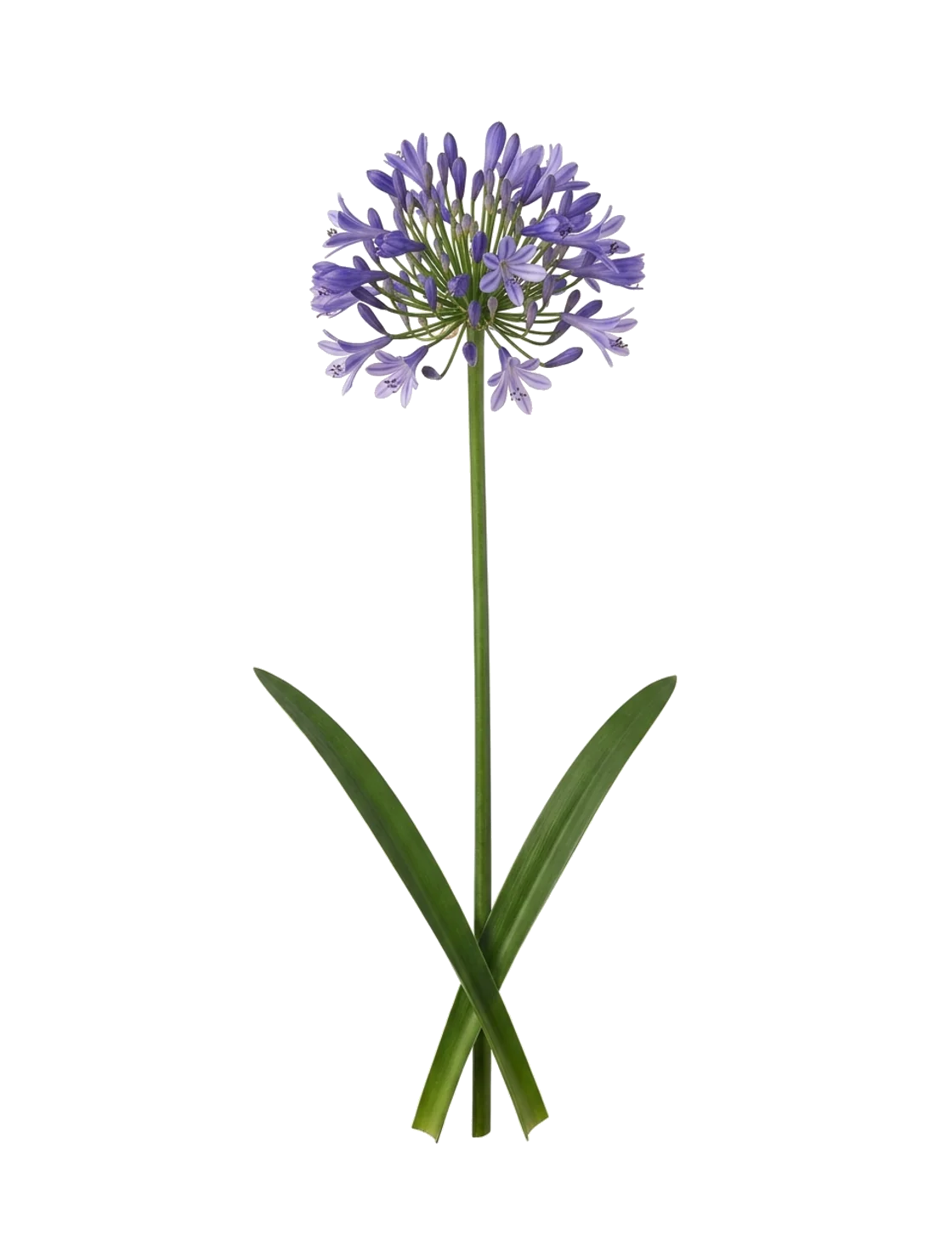
The African lily (Agapanthus africanus), also widely called Lily of the Nile, is an evergreen herbaceous perennial cherished for its striking spherical flower clusters. Its lush, strap-like foliage forms dense arching mounds of glossy green leaves that provide attractive structural ground cover throughout the year in frost-free regions.
From midsummer through early autumn, stout stalks rise above the leafy clump, opening into rounded umbels packed with funnel-shaped blooms in shades of deep blue, violet, or pure white. It is an exceptionally resilient plant, highly tolerant of coastal winds, salty air, and brief dry spells once established. It thrives equally well in sunny border beds or in decorative patio containers.
To flower prolifically, the African lily requires generous direct sunlight and well-aerated soil that allows water to drain freely away from its fleshy rhizomes. While it tolerates light frost, it appreciates winter protection in colder climates. With proper feeding and minimal disturbance to its root ball, this reliable perennial delivers spectacular summer color year after year.
Did you know?Its generic name comes from the Greek words 'agape' (love) and 'anthos' (flower). Interestingly, African lilies produce noticeably more blooms when their roots are slightly pot-bound.
Care. What it needs, point by point.
- Watering
- 1–2× a weekWater moderately whenever the top 3 to 5 centimeters of soil feel dry to the touch. During active summer growth, water once or twice a week, but reduce frequency significantly in winter to avoid root decay.
- Light
- 6 h of direct sunPosition in full sun for at least six hours daily to ensure strong stems and prolific blooms. In very hot climates, light afternoon shade is tolerated, though flowering may be somewhat reduced.
- Temperature
- 15–28 °C ideal temperatureOptimal growth occurs between 15 °C and 28 °C during the warmer months. It can withstand short cold snaps down to -3 °C if the soil remains dry, but requires frost protection in hard winters.
- Soil
- Use a loose, sharply draining potting mix enriched with grit, coarse sand, or perlite. Fleshy rhizomes rot easily if left sitting in heavy, waterlogged soil.
- Fertilizer
- 3–4 weeks between feedsFeed every three to four weeks from spring to midsummer with a fertilizer rich in phosphorus and potassium. Avoid excess nitrogen, which encourages lush leaf growth at the expense of flower buds.
- Pruning
- Deadhead spent flower stalks at the base once the blooms fade to channel energy into the rhizomes. Trim away brown or withered outer leaves periodically using clean garden shears.
- Propagation
- Propagate by division of rhizome clumps in late winter or early spring before fresh growth emerges. Plants can also be started from seeds in spring, though seedlings may take two to three years to flower.
Where it grows. In the wild and in homes.
In the wild it grows in southern Africa, in a subtropical climate.
People have also taken it to 8 more regions where it now grows on its own: North America, South and Central America and the Caribbean, Africa, and tropical Asia.
Range: Plants of the World Online, Royal Botanic Gardens, Kew
Is African lily toxic to cats and dogs?
The ASPCA doesn't list this species. If your pet has chewed it and seems unwell, call your vet.
Common problems What tends to go wrong.
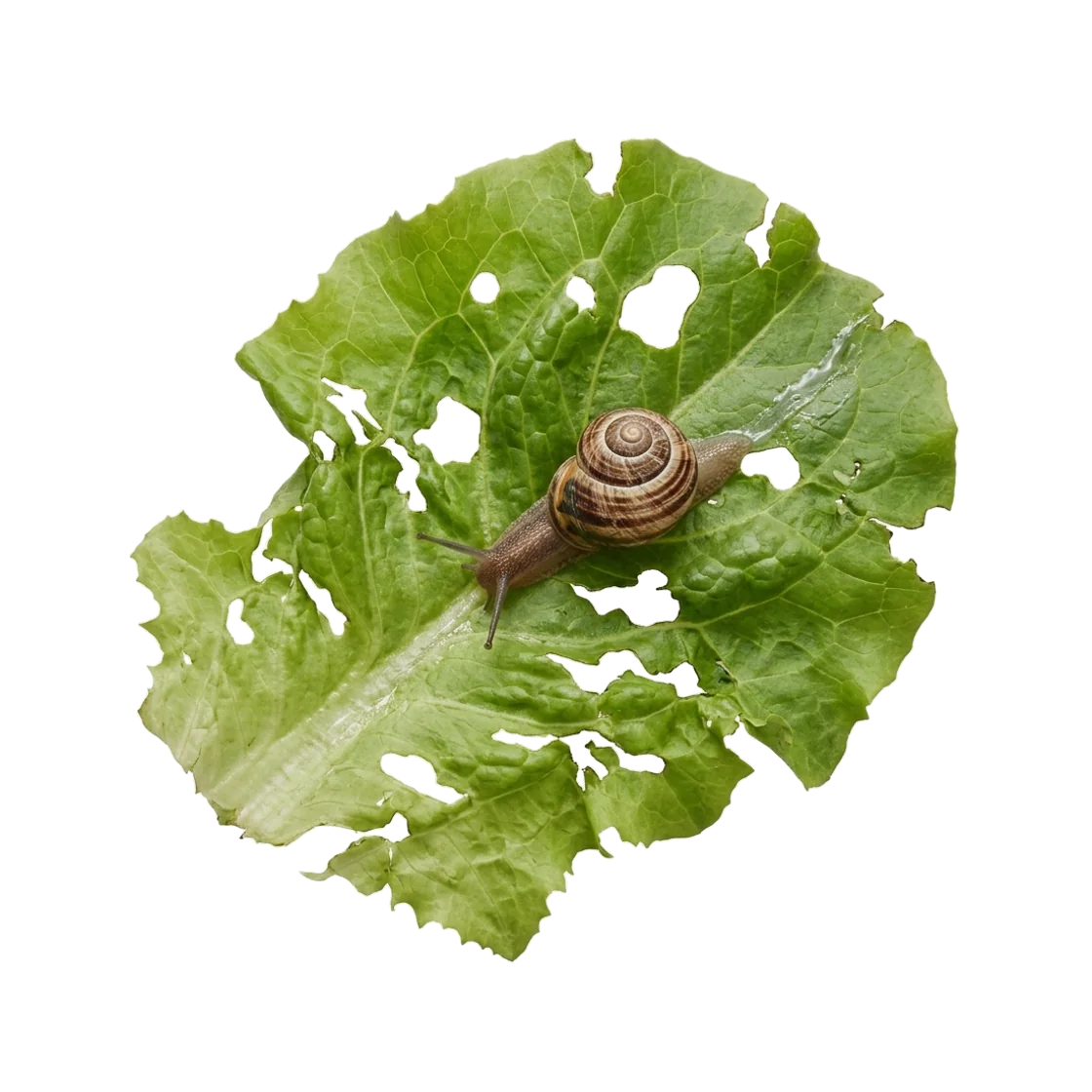
- Snails and slugs
- Root rot
- Too little light
- Cold damage
- Mealybugs and scale




Frequently asked questions What people ask most.
Why is my African lily not blooming?
The most frequent cause is insufficient sunlight, as the plant needs abundant direct sun to set flower buds. Over-fertilizing with nitrogen or planting in an oversized container can also cause the plant to produce leaves instead of flowers.
Why are the leaves turning yellow?
Yellowing leaves are usually a sign of overwatering or inadequate soil drainage suffocating the root system. Check the drainage holes, let the topsoil dry out between waterings, and ensure the rhizomes are not sitting in saturated compost.
How often should I repot my African lily?
Repot only every three to four years, preferably in early spring. African lilies bloom best when their root system is somewhat snug and pot-bound, so frequent repotting often halts flower production for a season.
How do I protect the plant during winter?
In cold climates subject to sustained freezing, move container-grown specimens to a cool, bright, frost-free room. For in-ground plants, apply a thick organic mulch of straw or bark over the crown and keep watering minimal.