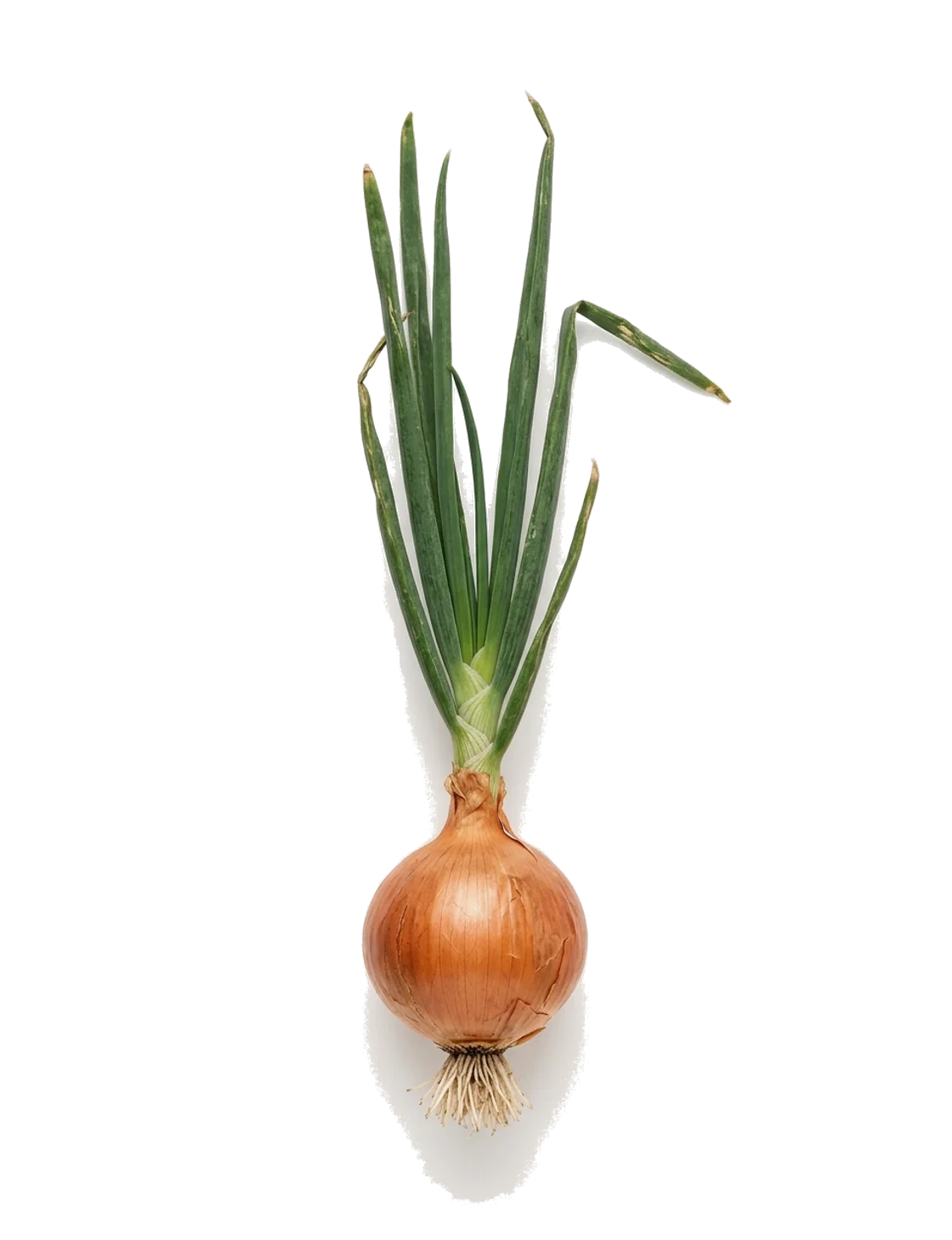
The onion (Allium cepa) is a biennial vegetable of the family Amaryllidaceae, grown around the world for its bulbs and usually harvested as an annual. It forms upright hollow green leaves and a rounded bulb built from thick overlapping scales wrapped in papery skin. Varieties range from sweet white and yellow types for fresh use to pungent red and storage onions for winter.
It is an outdoor crop for vegetable plots, raised beds and deep containers on sunny balconies. Seeds or sets go into the ground in late winter or early spring, and bulbs swell from late spring into summer according to day length. The crop asks for sun, loose soil and steady moisture while growing, then a dry spell for harvest. When the tops bend over naturally, bulbs are lifted and cured in airy shade.
Onions suit rotation plans beside carrots, lettuce and summer flowers that draw pollinators to the plot. They need little space, store for months in a cool dry place, and green leaves can be snipped sparingly during growth. Given sun and drained soil, even a small bed produces enough bulbs for the kitchen through autumn.
Did you know?Each onion is a swollen leaf base, and its papery skin takes on the white, yellow or red colour of the variety.
Care. What it needs, point by point.
- Watering
- Water steadily while leaves grow and bulbs begin to swell, keeping the soil evenly moist. Stop watering once the tops bend over so bulbs dry and cure in the ground.
- Light
- 6 h of direct sunGrow in full sun with at least six hours of direct light for firm bulbs. Shade produces soft leafy growth and small bulbs that store poorly.
- Temperature
- 13–24 °C ideal temperatureIt grows best between 13 °C and 24 °C and tolerates light frosts when young. Bulbs form in response to day length, so choose varieties suited to your latitude.
- Soil
- Use loose, fertile, well-drained soil with a neutral reaction. Break up compacted ground and avoid fresh manure, which encourages thick necks and rot.
- Fertilizer
- Mix compost into the bed before planting and feed lightly once while bulbs swell. Stop feeding six weeks before harvest so bulbs cure and store well.
- Pruning
- Onions need no pruning; simply remove yellow dry outer leaves and any flower stalks. If a plant bolts, use its bulb first, as it will not store.
- Propagation
- Sow seeds in late winter indoors or directly in early spring, or plant sets for a quicker crop. Thin seedlings to 8 to 10 centimetres so bulbs have room to swell.
Where it grows. In the wild and in homes.
In the wild it grows in Central Asia, in a temperate climate.
People have also taken it to 82 more regions where it now grows on its own: Europe, North America, temperate Asia, and South and Central America and the Caribbean.
Range: Plants of the World Online, Royal Botanic Gardens, Kew
Is Onion toxic to cats and dogs?
Toxic to cats and dogs.

Cats
Toxic

Dogs
Toxic
Usual signs
Vomiting, breakdown of red blood cells (hemolytic anemia, Heinz body anemia), blood in urine, weakness, rapid heart rate and panting.
If your pet has chewed it and shows symptoms, call your vet or the nearest emergency vet.
Source · ASPCA Animal Poison Control
Common problems What tends to go wrong.
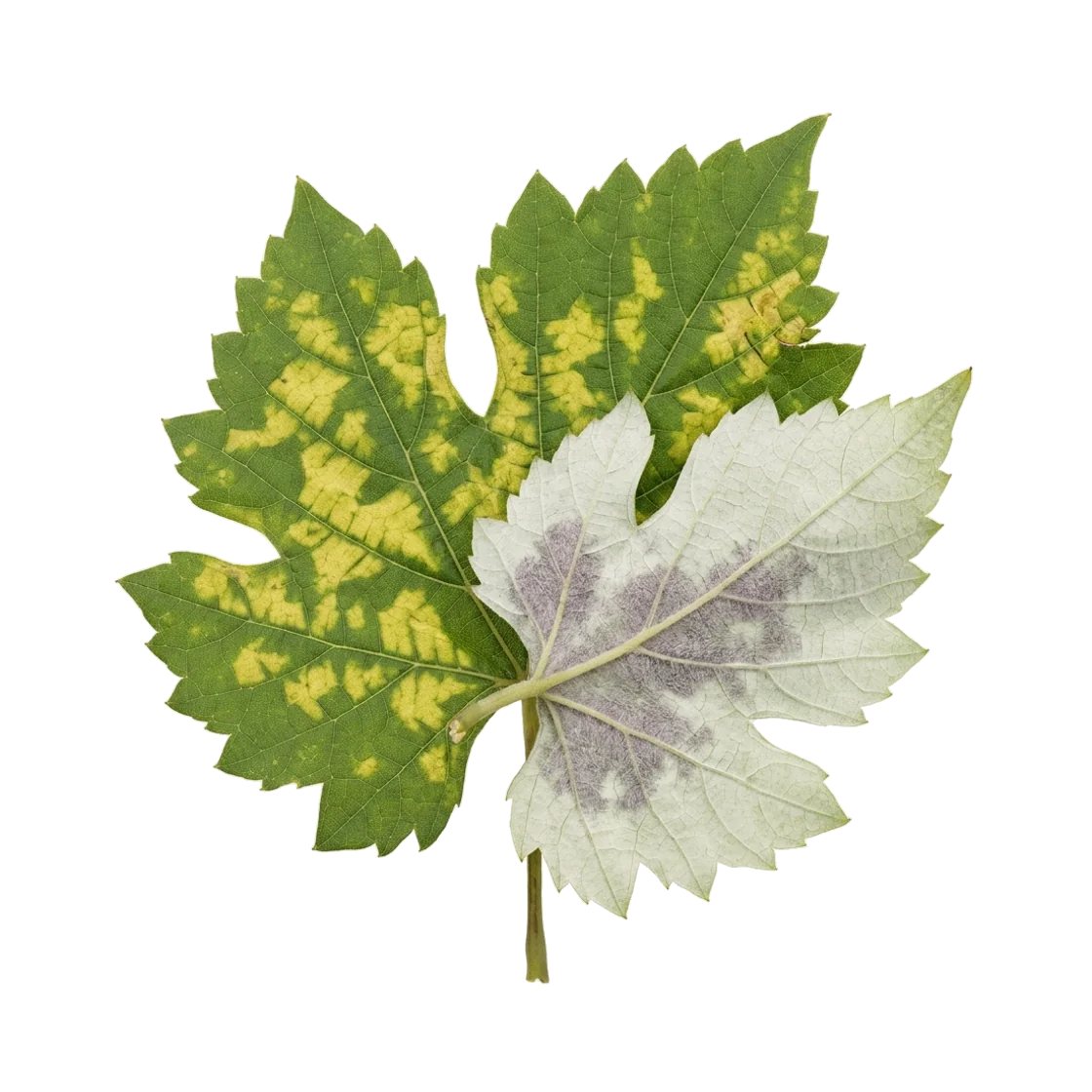
- Downy mildew
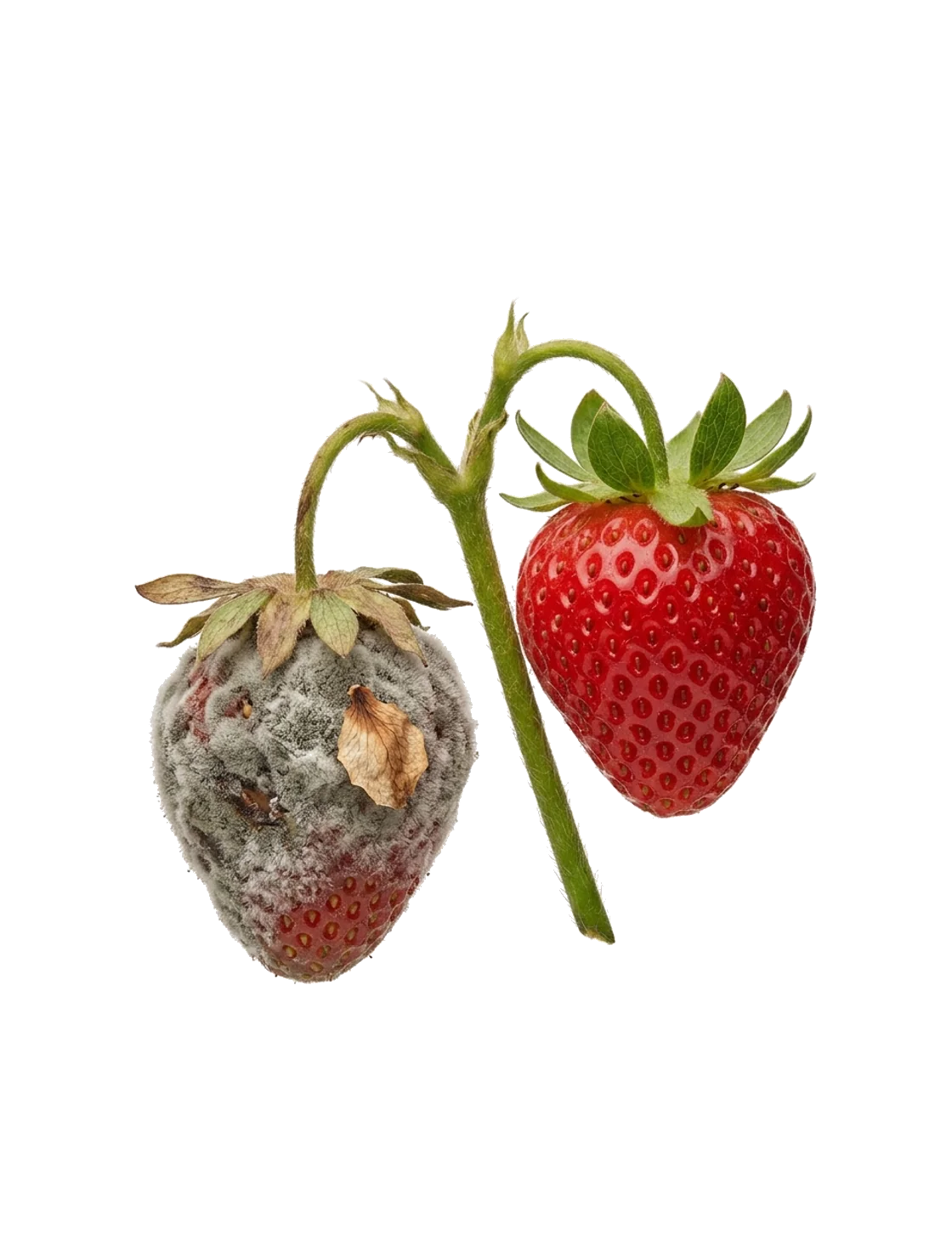
- Botrytis (grey mould)
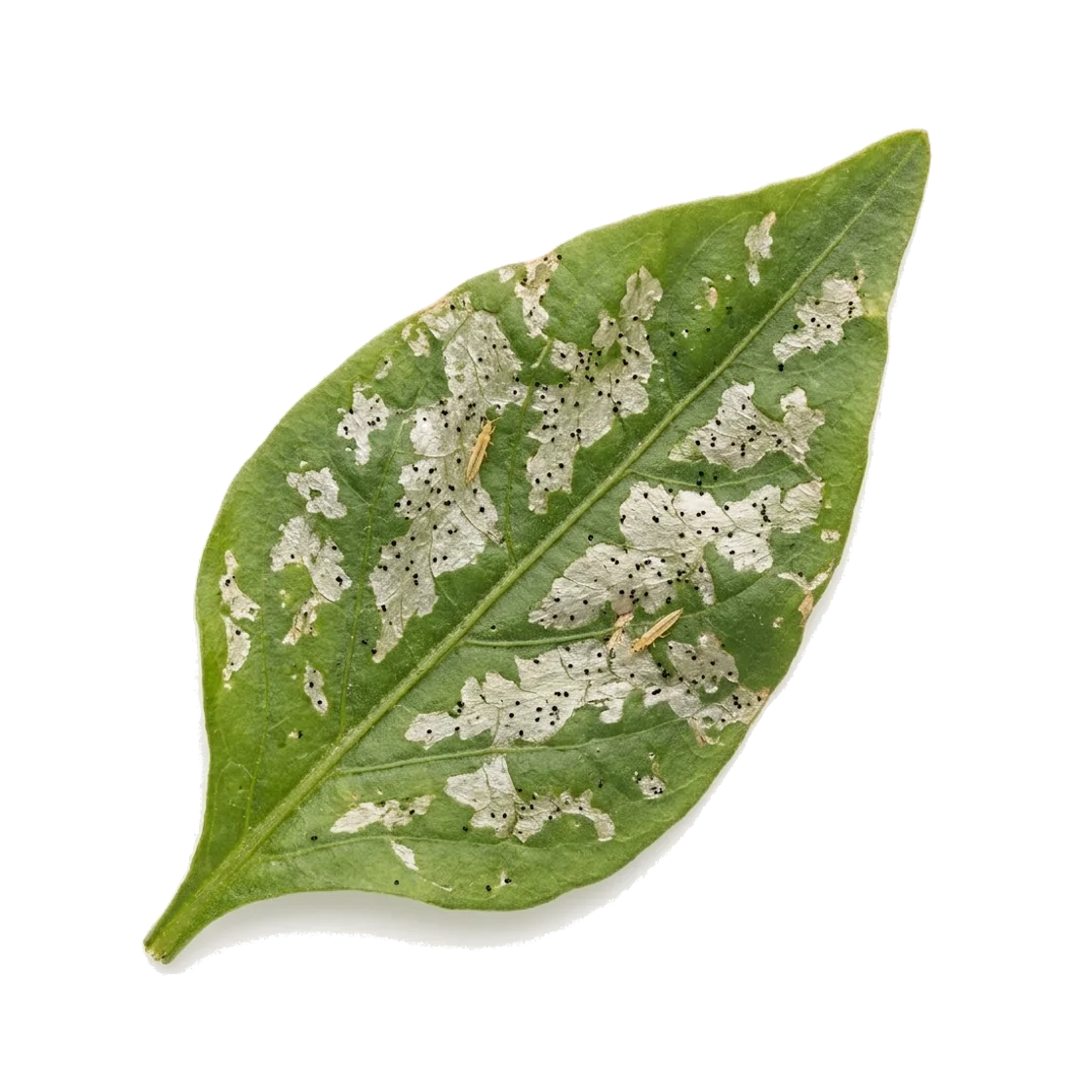
- Thrips
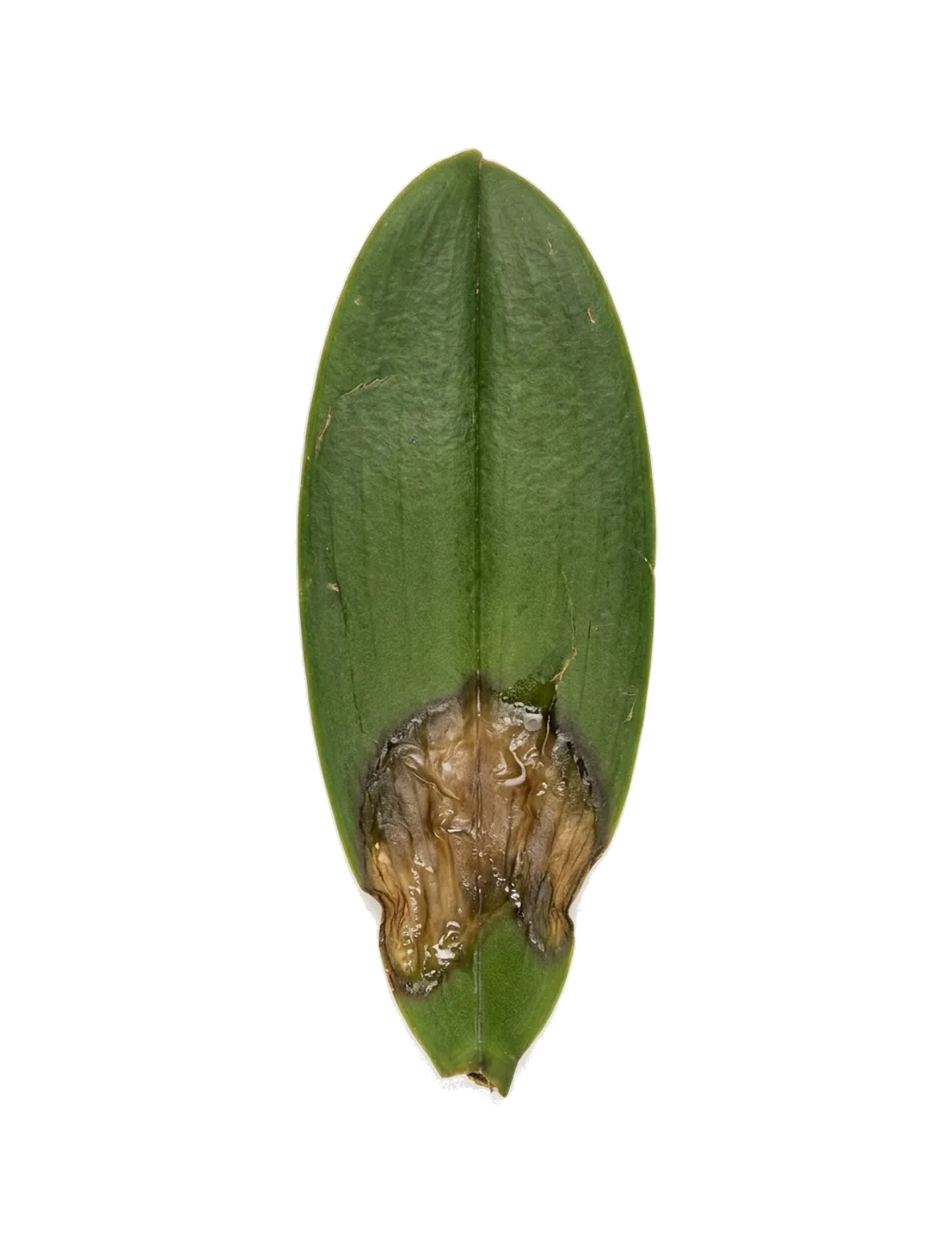
- Bacterial soft rot
Frequently asked questions What people ask most.
How often should I water onions?
Water regularly while leaves grow and bulbs start to swell, keeping the soil evenly moist but never soaked. As soon as most tops bend over, stop watering so bulbs cure. Wet soil at harvest time causes rot in storage.
Why are my onion leaves turning yellow?
Lower leaves yellow naturally when bulbs mature and tops bend over for harvest. Earlier yellowing across the bed often means drought, waterlogging or downy mildew after wet spells. Check drainage, water evenly, and remove badly spotted leaves.
Why did my onions flower in the first year?
Cold spells after planting can trick biennial onions into bolting instead of bulbing. Plant sets at the right time for your area and mulch against late frosts. Bolted bulbs are still usable fresh but will not store well.
When do I harvest onions?
Harvest when most tops have bent over and started to dry, usually in midsummer. Lift bulbs on a dry day and cure them for two weeks in airy shade before trimming. Store only fully dry bulbs with rustling skins in a cool dark place.
Can I grow onions in pots?
Yes, choose deep containers with drained compost and a sunny spot on the balcony. Sow densely for green leaves or thin to 8 centimetres for small bulbs. Pots dry fast, so water steadily until the tops bend over.