Marguerite daisy
Argyranthemum frutescens
Learn how to care for marguerite daisy (Argyranthemum frutescens): practical tips on full sun, watering, winter protection, and continuous blooming.
- Light
- 6 hof direct sun
- Watering
- 2–3×a week
- Temperature
- 15–25 °Cideal temperature
- Toxicity
- Non-toxic
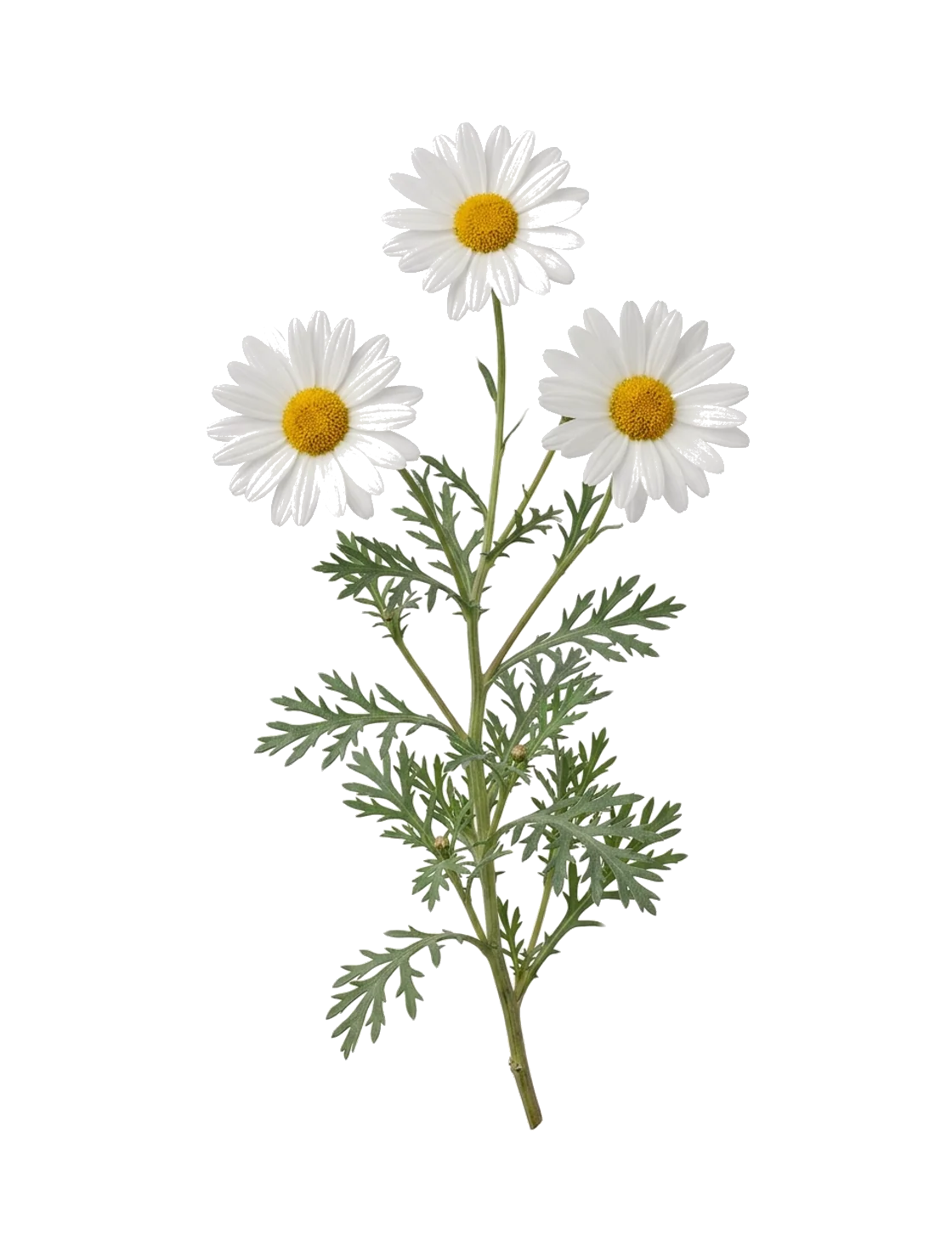
The marguerite daisy (Argyranthemum frutescens), native to the Canary Islands, is a vigorous perennial subshrub celebrated for its cheerful, prolific blossoms. It develops into a mounded bush covered with bright daisy-like flowers with white petals and sunny yellow centers, though modern cultivars also showcase pastel pink and vibrant yellow blooms.
This plant is an outstanding choice for sunny borders, patio containers, and coastal cottage gardens. Thanks to its rapid growth rate, it begins flowering in mid-spring and continues effortlessly until late autumn when given adequate direct sunlight. Its finely dissected, blue-green foliage releases a subtle herbal scent whenever it is brushed or trimmed.
While resilient and low maintenance, the marguerite daisy cannot tolerate harsh winter freezes or waterlogged soils. In Mediterranean and frost-free climates, it behaves as an evergreen perennial throughout the year; in colder regions, gardeners typically treat it as an annual or overwinter it indoors in containers.
Did you know?Often confused with the common lawn daisy, this Canary Island native actually develops a woody base and is remarkably tolerant of coastal sea breezes.
Care. What it needs, point by point.
- Watering
- 2–3× a weekWater thoroughly whenever the top few centimeters of soil feel dry to the touch. During hot summer months, potted plants may need water two to three times a week, reducing to occasional waterings in winter.
- Light
- 6 h of direct sunPosition your marguerite daisy in full sun where it receives at least six hours of direct light daily. Insufficient sunlight leads to leggy, weak stems and significantly fewer blooms.
- Temperature
- 15–25 °C ideal temperatureIt thrives in temperatures between 15 °C and 25 °C. While tolerant of mild heat, foliage and stems will suffer severe damage if temperatures drop below -2 °C.
- Soil
- Use a light, fertile, and well-draining potting mix incorporating perlite or coarse sand. Avoid heavy clay soils that retain excess moisture around root systems.
- Fertilizer
- 2 weeks between feedsFeed every two weeks during spring and summer using a balanced liquid fertilizer formulated for flowering plants. Discontinue feeding in late autumn as active growth slows.
- Pruning
- Deadhead spent blooms regularly to encourage the continuous production of fresh flower buds. In late winter, trim back the stems lightly to maintain a bushy, compact shape without cutting into old, bare wood.
- Propagation
- Propagate by taking softwood or semi-ripe cuttings in late spring or late summer. They root readily within three to four weeks when kept in moist, free-draining compost under bright, indirect light.
Where it grows. In the wild and in homes.
In the wild it grows in Macaronesia, in a subtropical climate.
People have also taken it to 22 more regions where it now grows on its own: Africa, Europe, Australasia, and South and Central America and the Caribbean.
The Florami community has photographed it in España.
Range: Plants of the World Online, Royal Botanic Gardens, Kew
Is Marguerite daisy toxic to cats and dogs?
The ASPCA doesn't list this species. If your pet has chewed it and seems unwell, call your vet.
Gallery As the community sees it.
Photo · W. Bulach · CC BY-SA 4.0
Common problems What tends to go wrong.
- Aphids
- Powdery mildew
- Root rot
- Cold damage
- Underwatering




Frequently asked questions What people ask most.
Why has my marguerite daisy stopped blooming in midsummer?
Intense heat above 30 °C can cause the plant to pause flower production temporarily. Removing spent flowers and providing regular feeding with a high-potassium fertilizer will help restart blooming once temperatures moderate.
How do I protect marguerite daisies in winter?
In frost-prone areas, move potted plants to a sheltered, frost-free greenhouse or bright porch before the first freeze. For garden beds, apply a thick mulch around the base and protect the branches with fleece during cold snaps.
Why are the lower leaves turning yellow and dry?
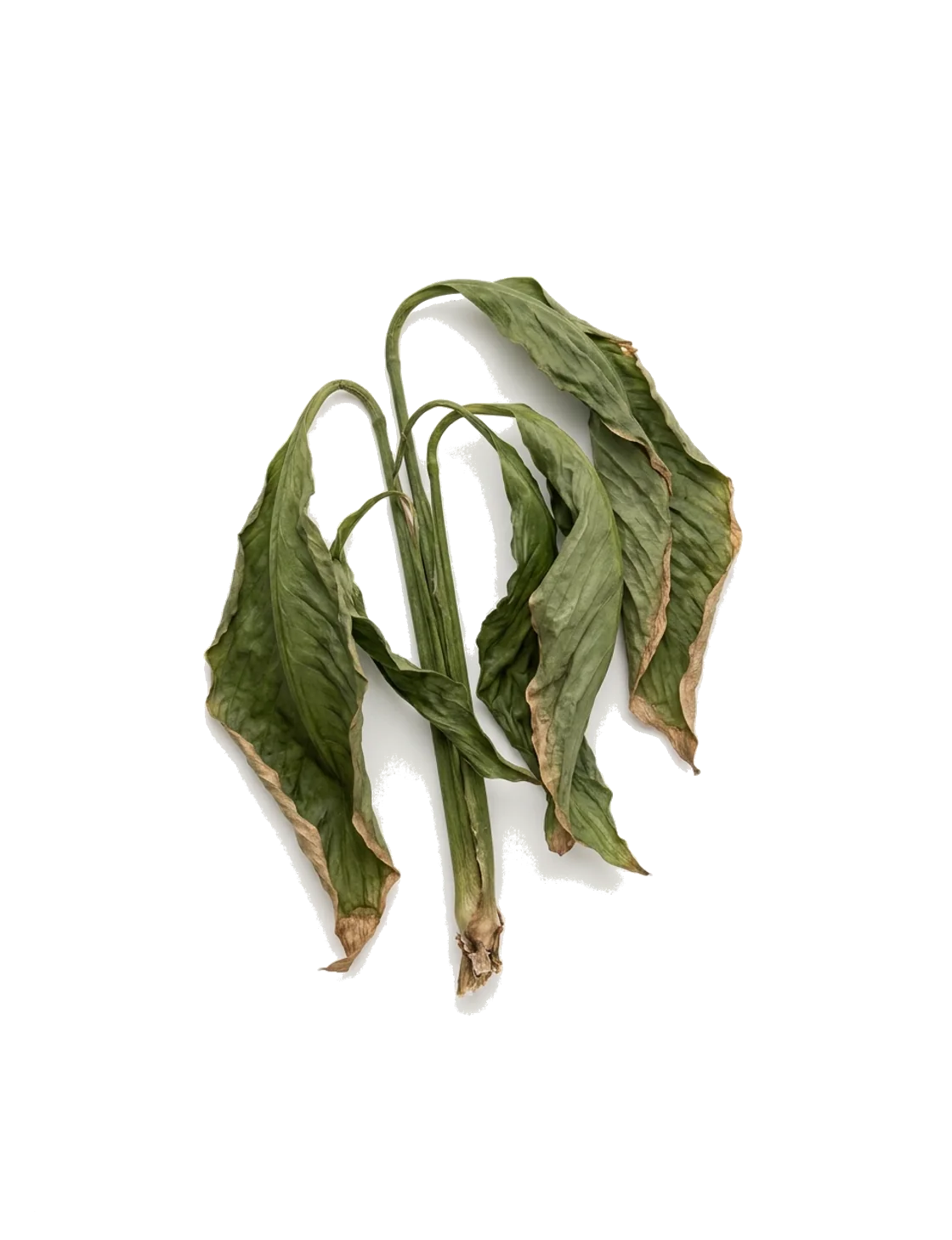
Lower leaves naturally turn yellow and drop as stems mature and inner foliage gets shaded by new growth. However, if yellowing is widespread, it often points to root rot caused by soggy, poorly drained soil.
How often should I water marguerite daisies in pots?
During the active growing season, check the pot every two days and water whenever the upper soil layer feels dry. In cooler months, water sparingly once a week or whenever the compost begins drying out.