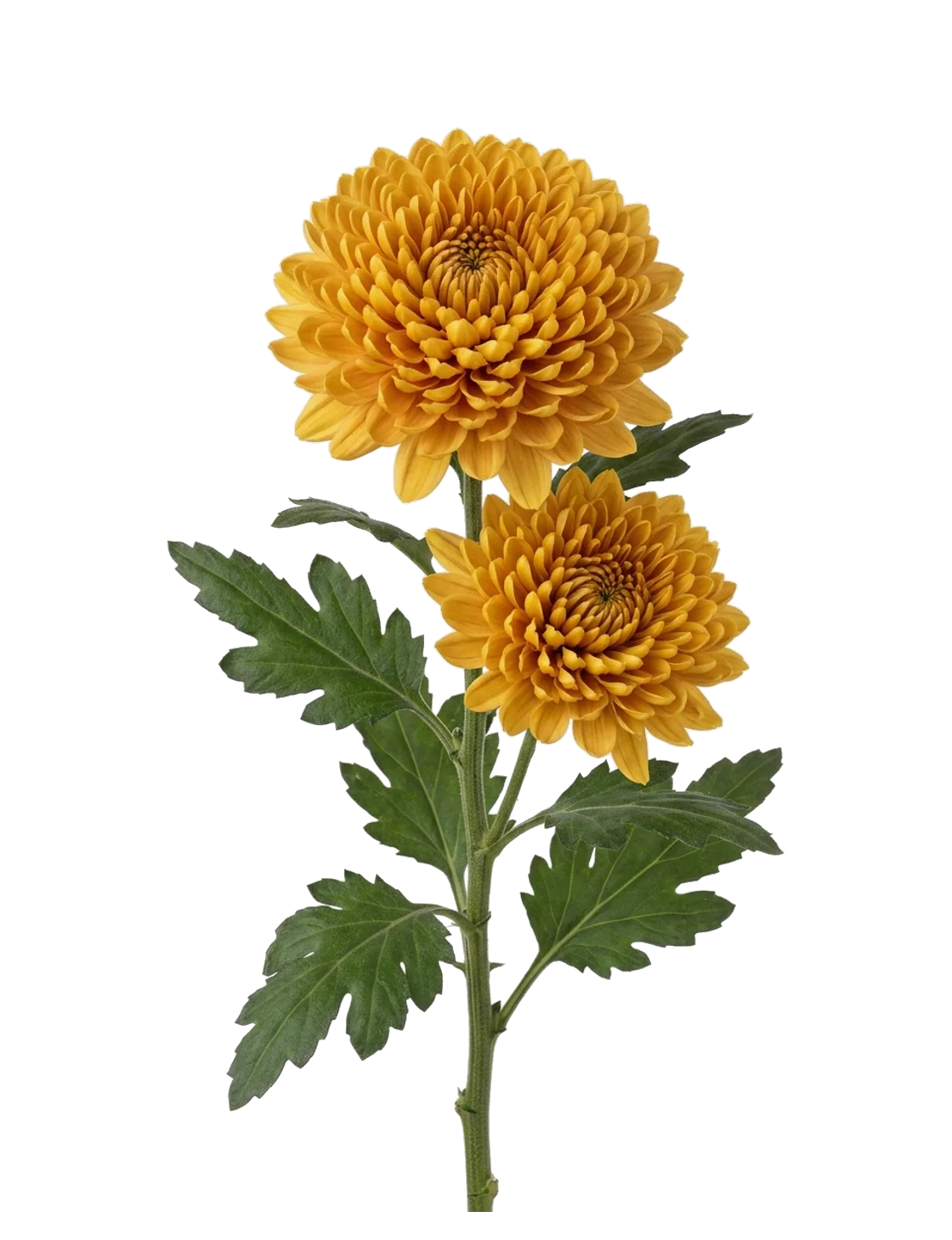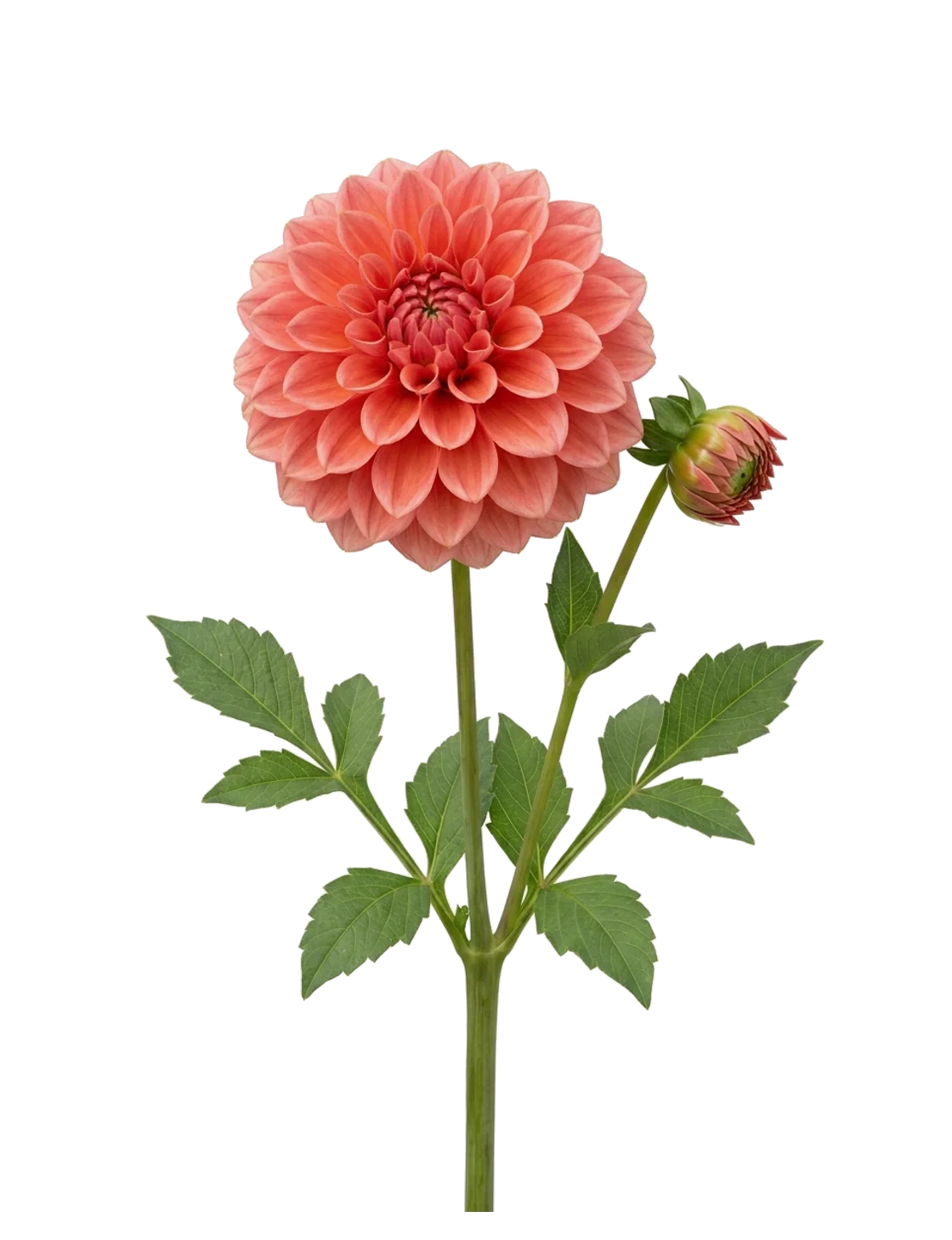
The garden dahlia (Dahlia pinnata) is a tuberous herbaceous perennial native to the temperate mountainous uplands of Mexico and Central America. Celebrated worldwide for its showy composite blooms, it features an astonishing diversity of flower forms, petal structures, and brilliant colors. From midsummer right through the end of autumn, it produces an abundant floral display that anchors outdoor garden beds, borders, and patio planters.
Dahlias thrive best under direct, unshaded sunlight, which provides the critical energy needed to build strong stems and produce abundant blossoms. Their hollow, leafy stems can grow quite tall, frequently requiring wooden stakes or garden supports to prevent breaking under heavy wind. In regions where winter temperatures dip below freezing, these tender tubers must be carefully lifted from the ground in late autumn, cleaned, and stored in a frost-free environment.
Providing deep, fertile, and organically enriched soil with flawless drainage allows these vigorous plants to flourish without risking moisture rot. By removing spent flower heads regularly and maintaining steady soil moisture during warm spells, you will encourage your plants to keep blooming profusely until the very first hard frost of the season arrives.
Did you know?Dahlias were officially declared the national flower of Mexico in 1963 and were cultivated centuries earlier by the Aztecs.
Care. What it needs, point by point.
- Watering
- 2–3× a weekWater 2 to 3 times per week during summer, keeping the soil evenly moist but never saturated. Always check that the top 2 to 3 centimeters of soil feel dry before adding water to prevent tuber rot.
- Light
- 6–8 h of direct sunDahlias require at least 6 to 8 hours of direct sunlight each day for optimal growth and flowering. In regions with scorching summer heat, light afternoon shade helps prevent bloom scorch and heat stress.
- Temperature
- 15–25 °C ideal temperatureThey grow best in moderate temperatures between 15 °C and 25 °C throughout their active period. Tubers and foliage cannot survive freezing temperatures below 0 °C and will die back quickly after frost.
- Soil
- Plant in nutrient-rich, organically amended garden soil that offers rapid drainage to safeguard the underground tubers.
- Fertilizer
- 2 weeks between feedsFeed every two weeks during the growing season with a low-nitrogen, potassium-rich liquid fertilizer to boost blooms.
- Pruning
- Deadhead spent blooms regularly back to a leafy stem joint to encourage a continuous succession of new flowers.
- Propagation
- Propagate by dividing tubers in early spring, ensuring each division contains at least one viable growing eye. You can also multiply plants through basal shoot cuttings taken from young sprouts.
Where it grows. In the wild and in homes.
In the wild it grows in Mexico, in a seasonally dry tropical climate.
People have also taken it to 45 more regions where it now grows on its own: Europe, South and Central America and the Caribbean, tropical Asia, and temperate Asia.
Range: Plants of the World Online, Royal Botanic Gardens, Kew
Is Dahlia toxic to cats and dogs?
Toxic to cats and dogs.

Cats
Toxic

Dogs
Toxic
Usual signs
Mild gastrointestinal signs and mild dermatitis.
If your pet has chewed it and shows symptoms, call your vet or the nearest emergency vet.
Source · ASPCA Animal Poison Control
Common problems What tends to go wrong.
- Powdery mildew
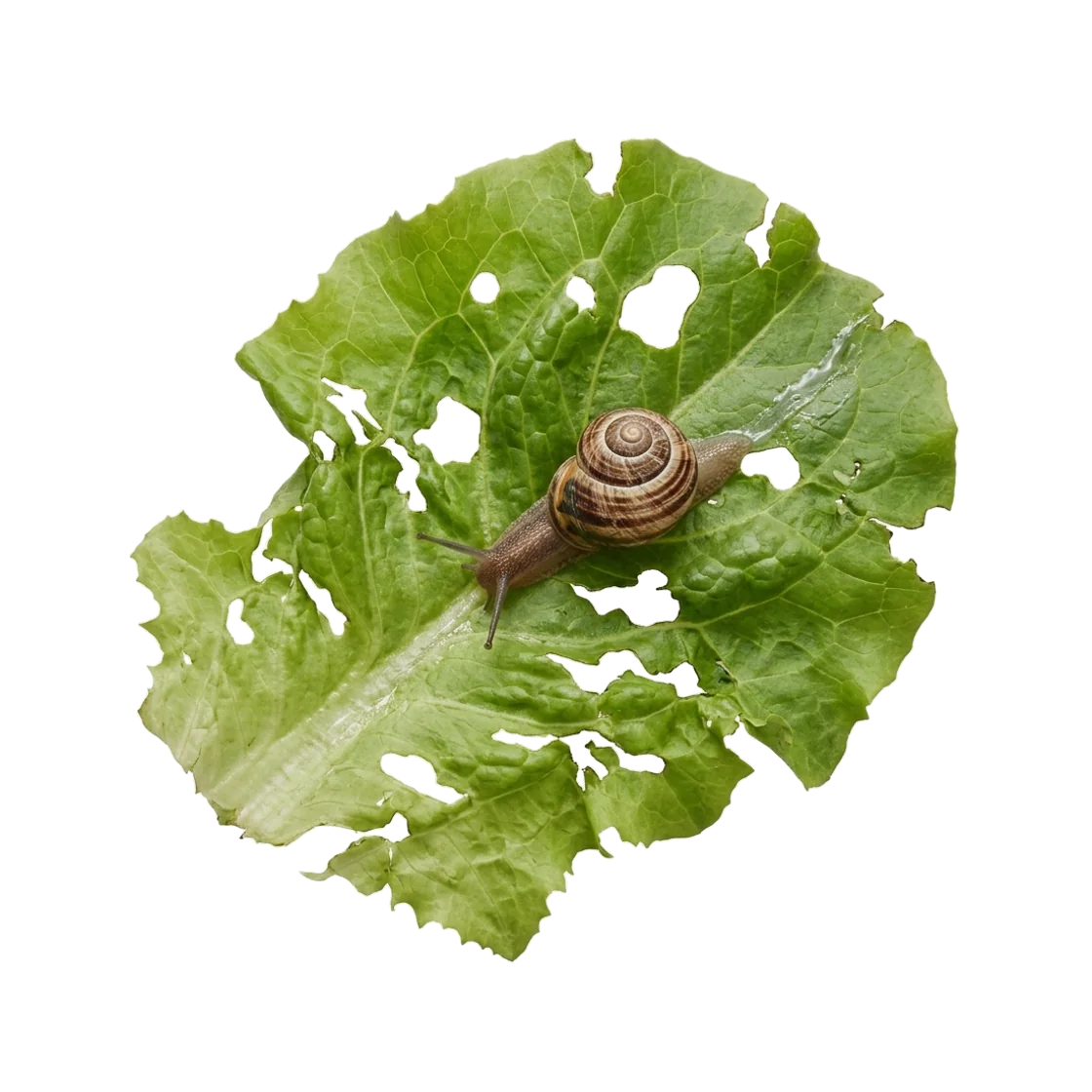
- Snails and slugs
- Root rot
- Aphids
- Cold damage




Frequently asked questions What people ask most.
Why is my dahlia producing foliage but no flowers?
The most frequent cause is insufficient sunlight or an excess of nitrogen fertilizer, which spurs leafy growth instead of buds. Move the plant to a full-sun site and switch to a bloom-promoting fertilizer higher in potassium and phosphorus.
How should I store dahlia tubers during the winter?
In freezing climates, cut the stalks down after the first frost and carefully dig up the tubers. Allow them to dry for a few days, brush away soil, and pack them in dry wood shavings or peat moss in a cool, frost-free room.
Why are there holes appearing on the young leaves?
Fresh dahlia shoots are an attractive food source for garden slugs and snails, especially during damp spring nights. Inspect the plants after dark and place physical barriers or organic slug traps around the base of the stems.
Do dahlia plants need to be staked?
Medium and tall dahlia cultivars produce hollow stems that bend or snap under the weight of large blossoms and strong winds. It is best to set stakes in the ground during planting time so you can tie up stems as they develop.