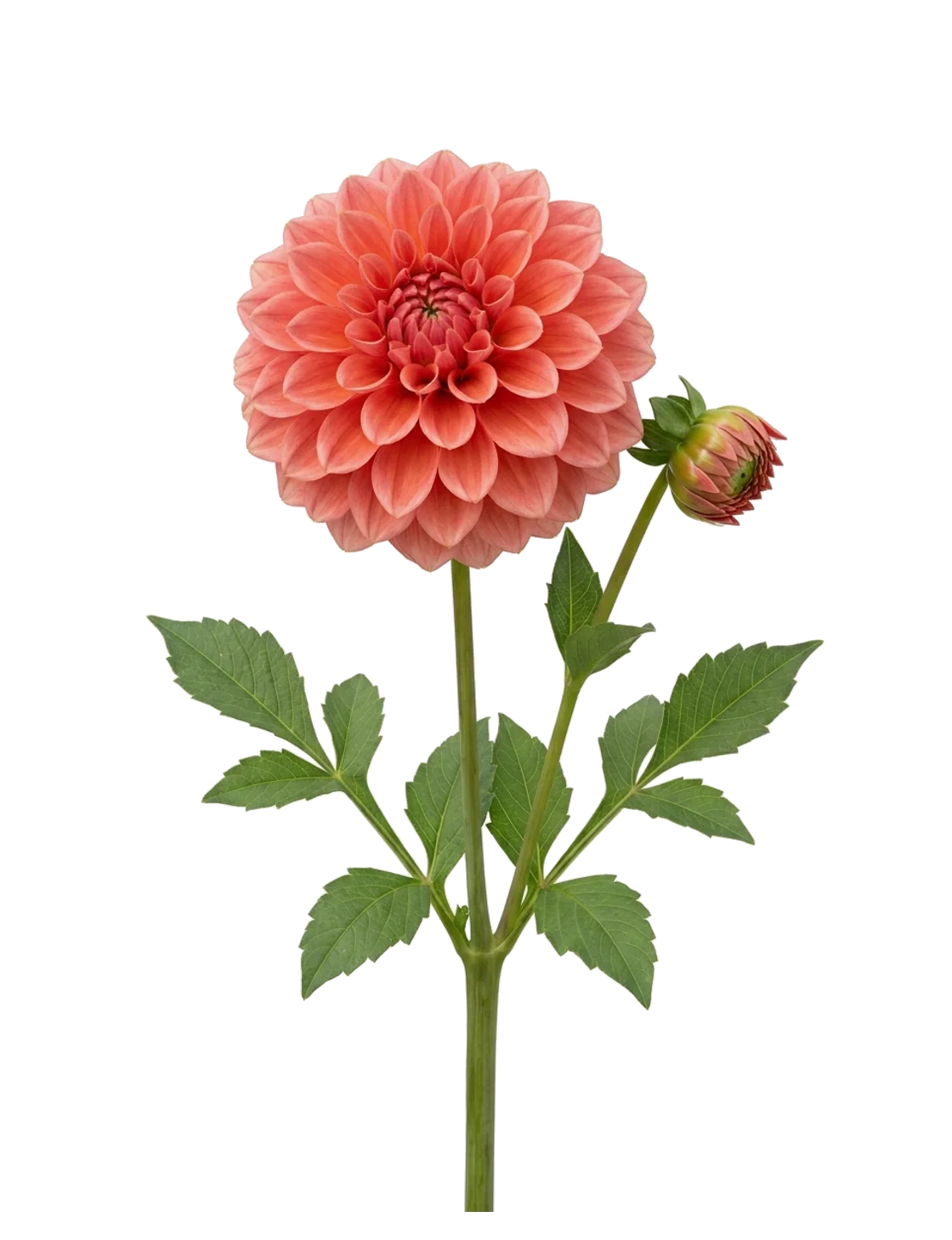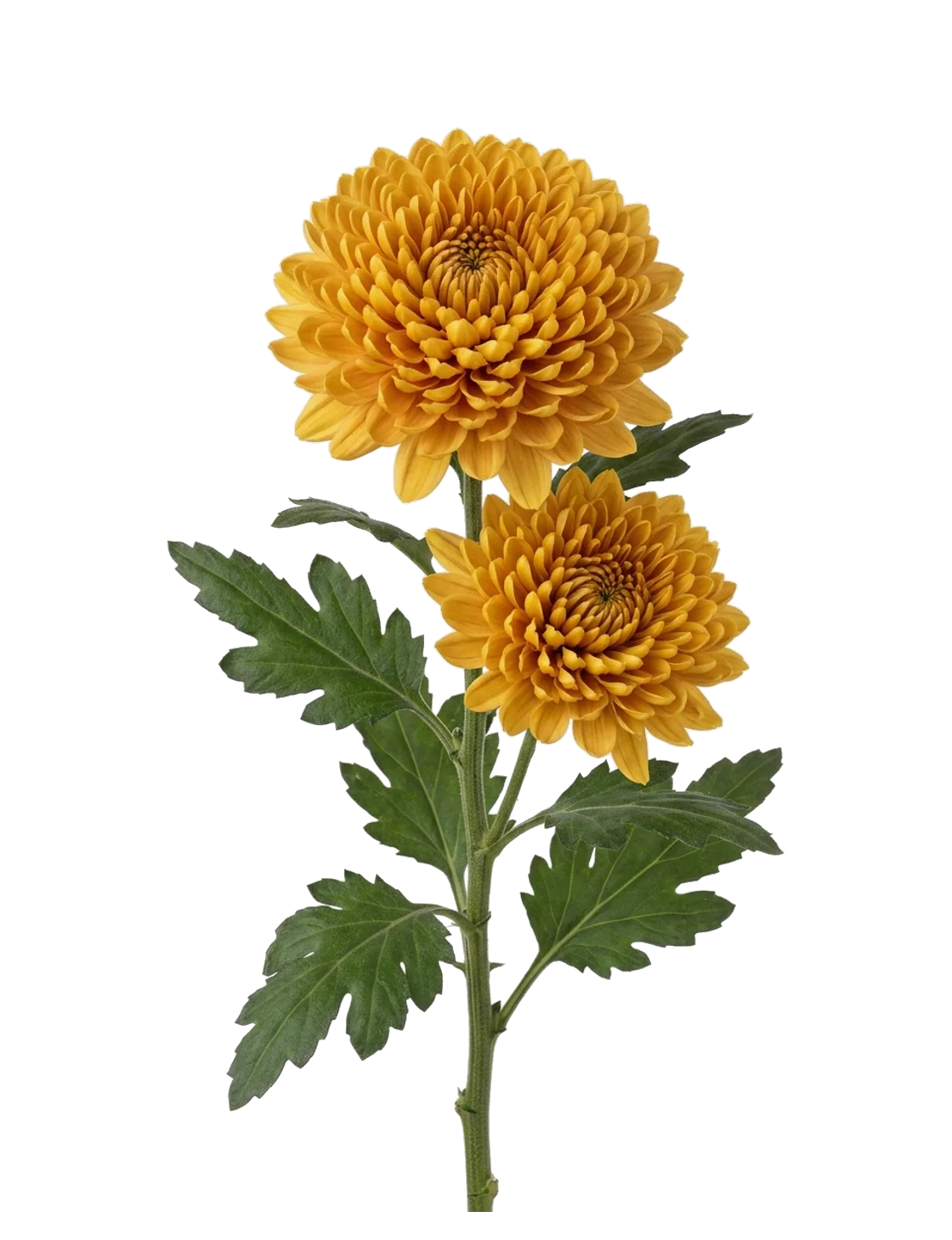
Chrysanthemums (Chrysanthemum morifolium), often affectionately called mums, are classic autumn-blooming perennials celebrated for their vivid displays of color. They feature dense, aromatic foliage with deeply lobed leaves supporting masses of flower heads. Their blooms come in an astonishing range of forms, from button and daisy styles to decorative pompons, in vibrant shades of bronze, yellow, crimson, purple, and white.
While commonly planted outdoors in garden beds and patio planters, flowering potted mums also make cheerful temporary additions to bright indoor spaces. They thrive best in plenty of sunlight and cool temperatures, which helps the dense blooms open slowly and stay fresh for weeks. Their compact, mounded habit makes them ideal for borders, entryway containers, and window boxes.
Keeping chrysanthemums thriving is straightforward with consistent moisture and well-draining soil. After the flowers fade in late autumn, cutting the stems back allows the root system to rest through winter, rewarding you with fresh green shoots and another spectacular flower show when the days shorten again.
Did you know?In Japan, the chrysanthemum is the imperial emblem and the national flower, celebrated every autumn during the traditional Chrysanthemum Day festival.
Care. What it needs, point by point.
- Watering
- 2–3× a weekWater two to three times a week during warm weather and reduce frequency in cooler seasons. Check that the top inch of soil feels dry before watering again, applying moisture directly to the soil to keep the blooms dry.
- Light
- Full sunProvide full sun to bright direct morning light to encourage abundant flower buds. In hot climates, offer light afternoon shade to prevent flower petals from fading quickly.
- Temperature
- 13–20 °C ideal temperatureThe optimal growing temperature ranges between 13 °C and 20 °C. The plant can tolerate light frosts, but prolonged heat above 25 °C tends to shorten the blooming period.
- Soil
- Plant in a rich, fertile potting mix amended with perlite or coarse sand to ensure sharp drainage.
- Fertilizer
- 2 weeks between feedsFeed with a balanced liquid fertilizer for blooming plants every two weeks from late summer until flower buds begin showing color.
- Pruning
- Deadhead spent blooms regularly to encourage lingering buds, and cut the plant back close to the ground after all foliage dies back in late autumn.
- Propagation
- Propagate easily using soft-stem cuttings taken in late spring. You can also divide mature root clumps in early spring just as new green shoots emerge.
Where it grows. In the wild and in homes.
In the wild it grows in China, in a subtropical climate.
People have also taken it to 31 more regions where it now grows on its own: South and Central America and the Caribbean, temperate Asia, tropical Asia, and North America.
Range: Plants of the World Online, Royal Botanic Gardens, Kew
Is Chrysanthemum toxic to cats and dogs?
Toxic to cats and dogs.

Cats
Toxic

Dogs
Toxic
Usual signs
Vomiting, diarrhea, excessive salivation, incoordination, and dermatitis.
If your pet has chewed it and shows symptoms, call your vet or the nearest emergency vet.
Source · ASPCA Animal Poison Control
Common problems What tends to go wrong.
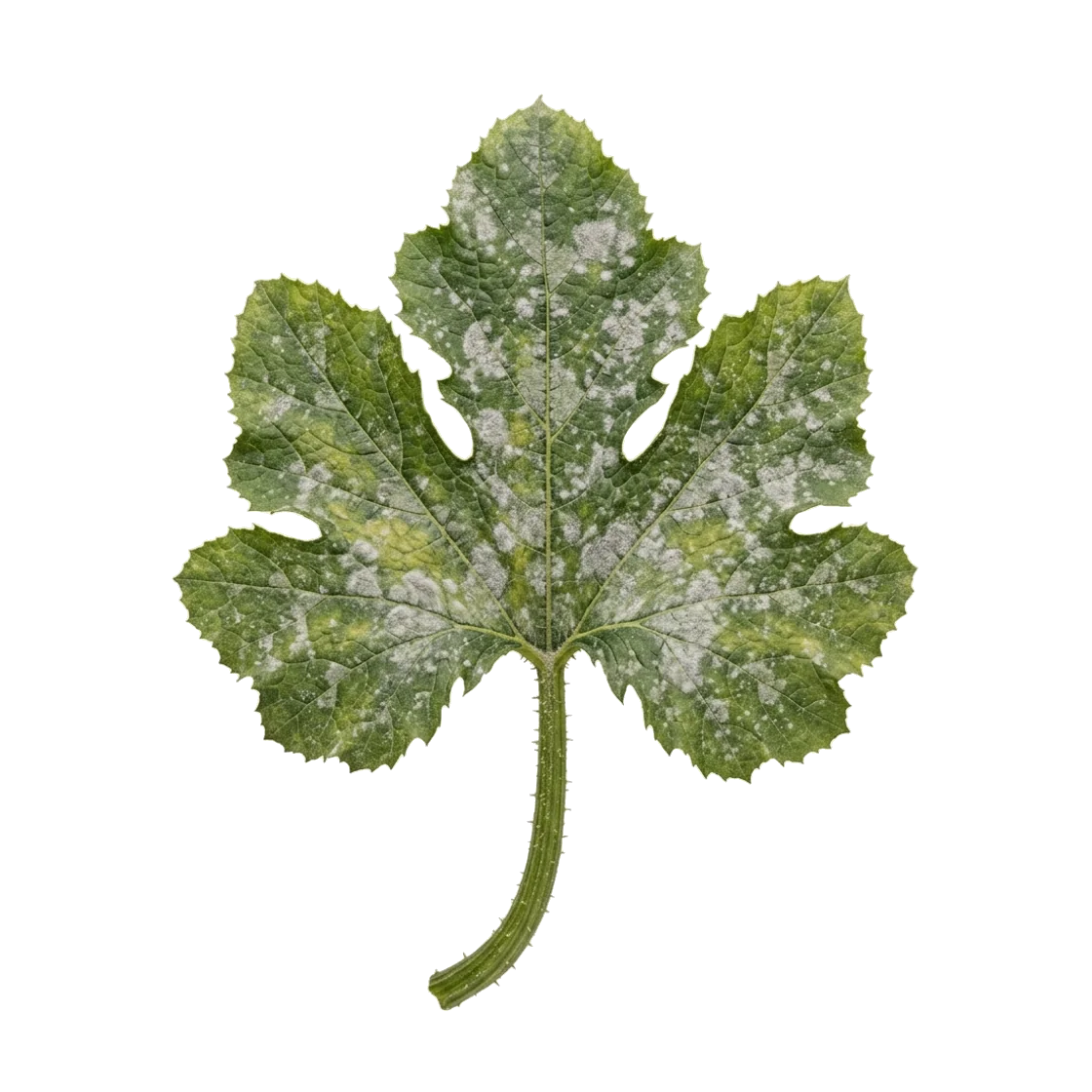
- Powdery mildew
- Aphids
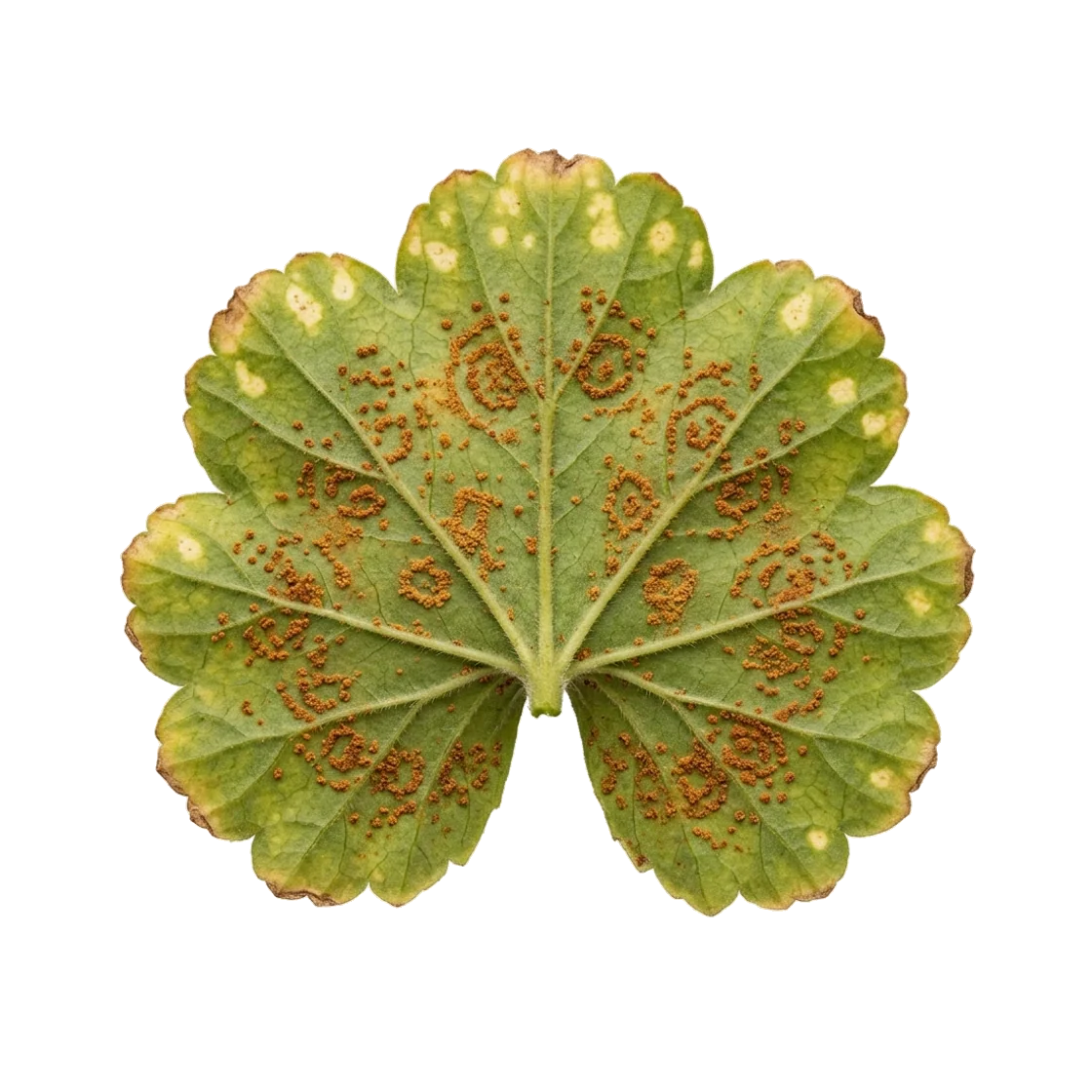
- Rust
- Root rot
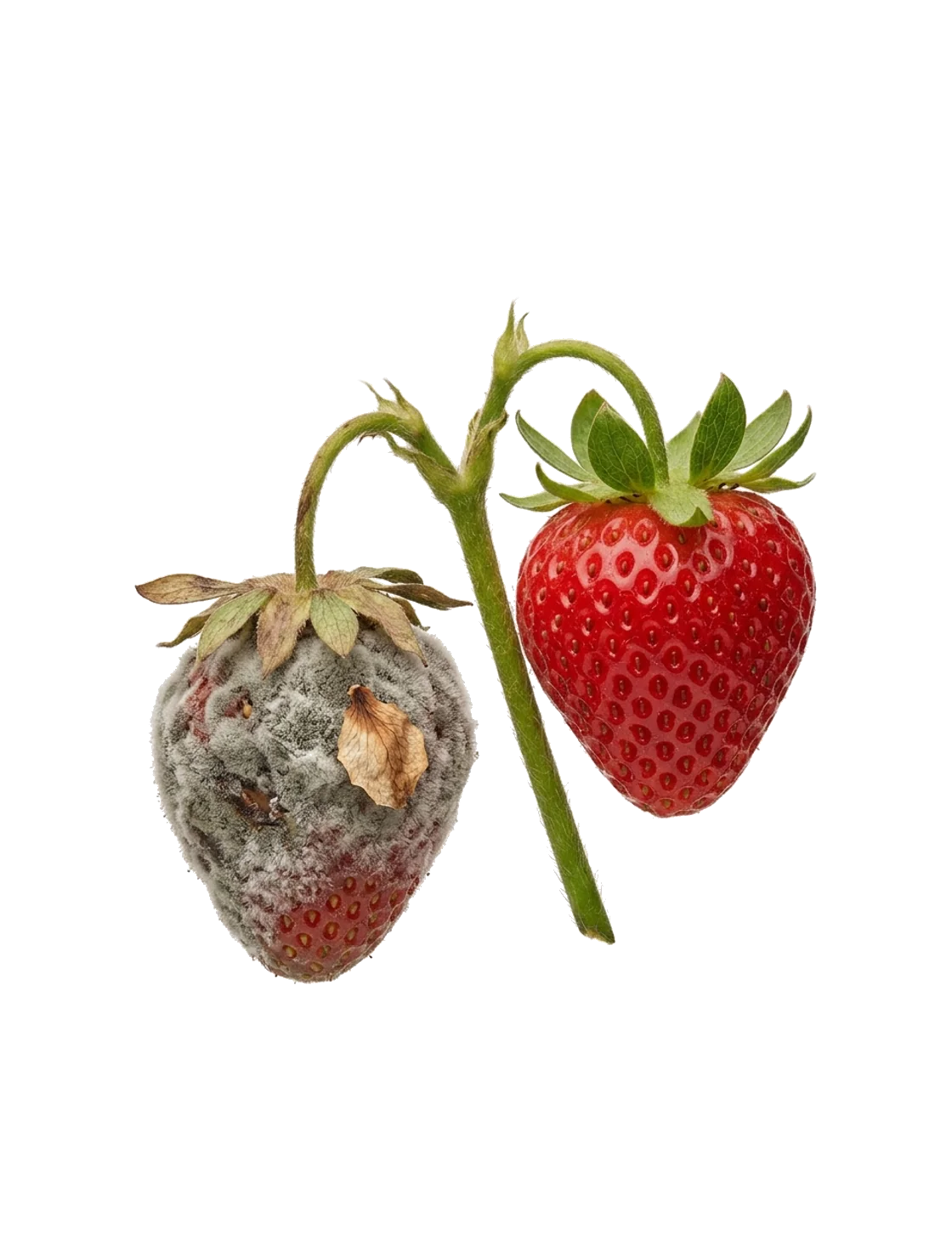
- Botrytis (grey mould)


Frequently asked questions What people ask most.
Why are my chrysanthemum flowers wilting so quickly?
Premature wilting is usually caused by excessive indoor heat or dry soil. Keep the plant in a cooler spot away from direct heaters or radiators and maintain consistently moist soil without waterlogging.
Can chrysanthemums come back year after year?
Yes, garden mums are hardy perennials that will return each year if planted in the ground before winter. Cut them back after the first frost, apply a layer of mulch, and new growth will appear in spring.
Why are the lower leaves turning yellow and dropping?
Yellowing lower leaves typically indicate overwatering or poorly draining soil. Allow the top layer of soil to dry between waterings and ensure the pot has drainage holes so water never sits at the base.
Can I grow chrysanthemums indoors permanently?
Chrysanthemums can stay indoors while blooming, but they do best outdoors long-term where they receive full sunlight and seasonal light cycles. Moving them outside after flowering ensures they gather enough energy to survive and rebloom.