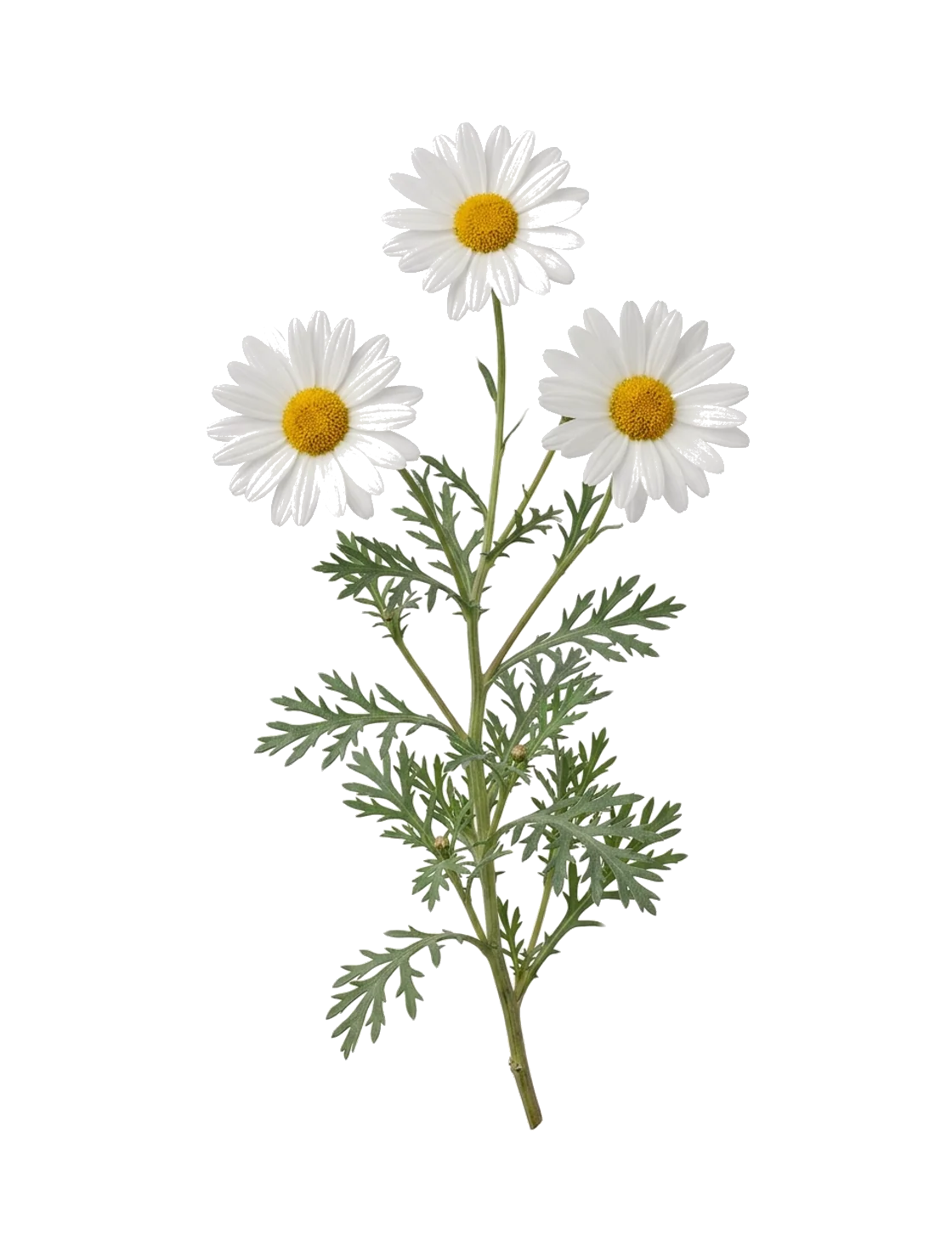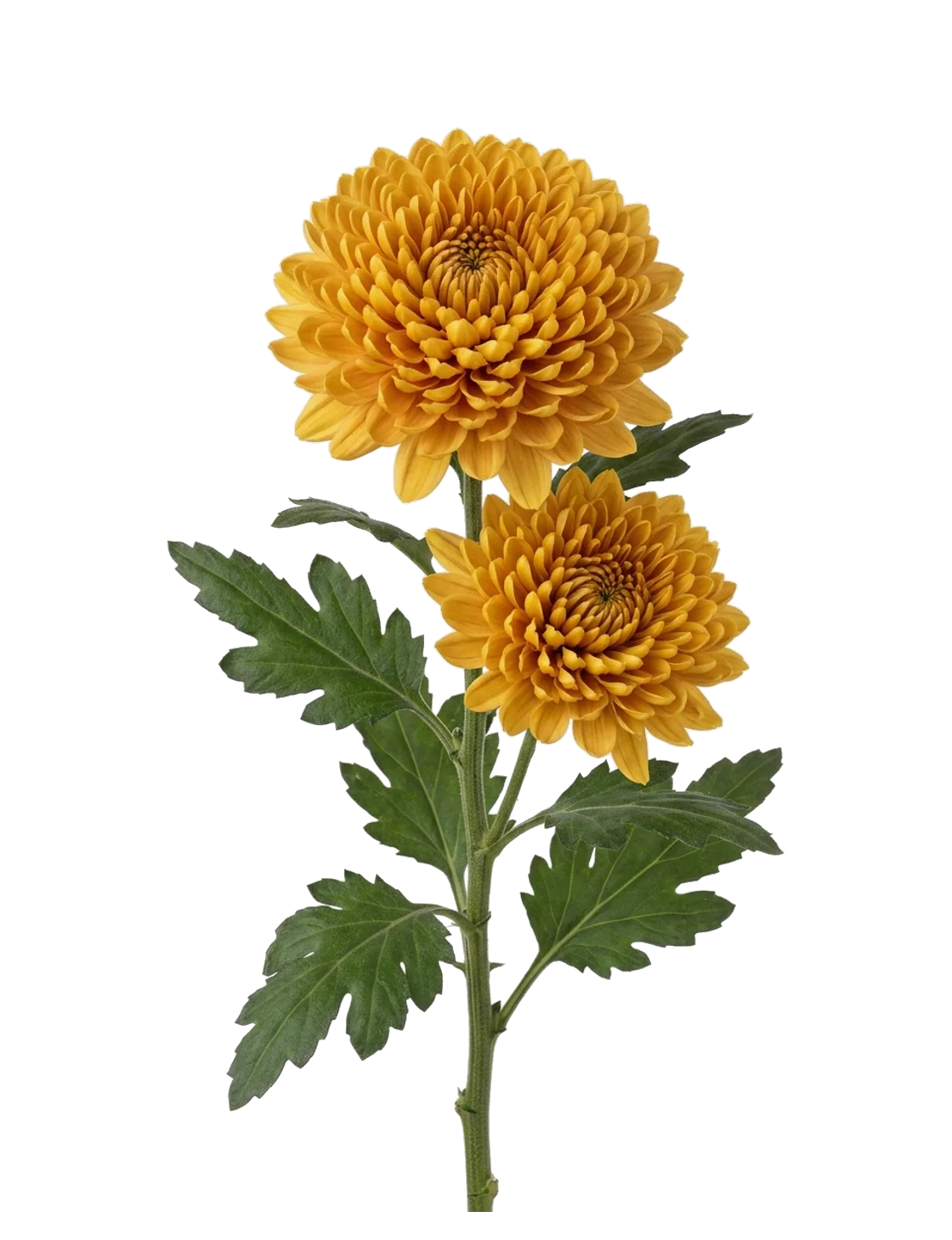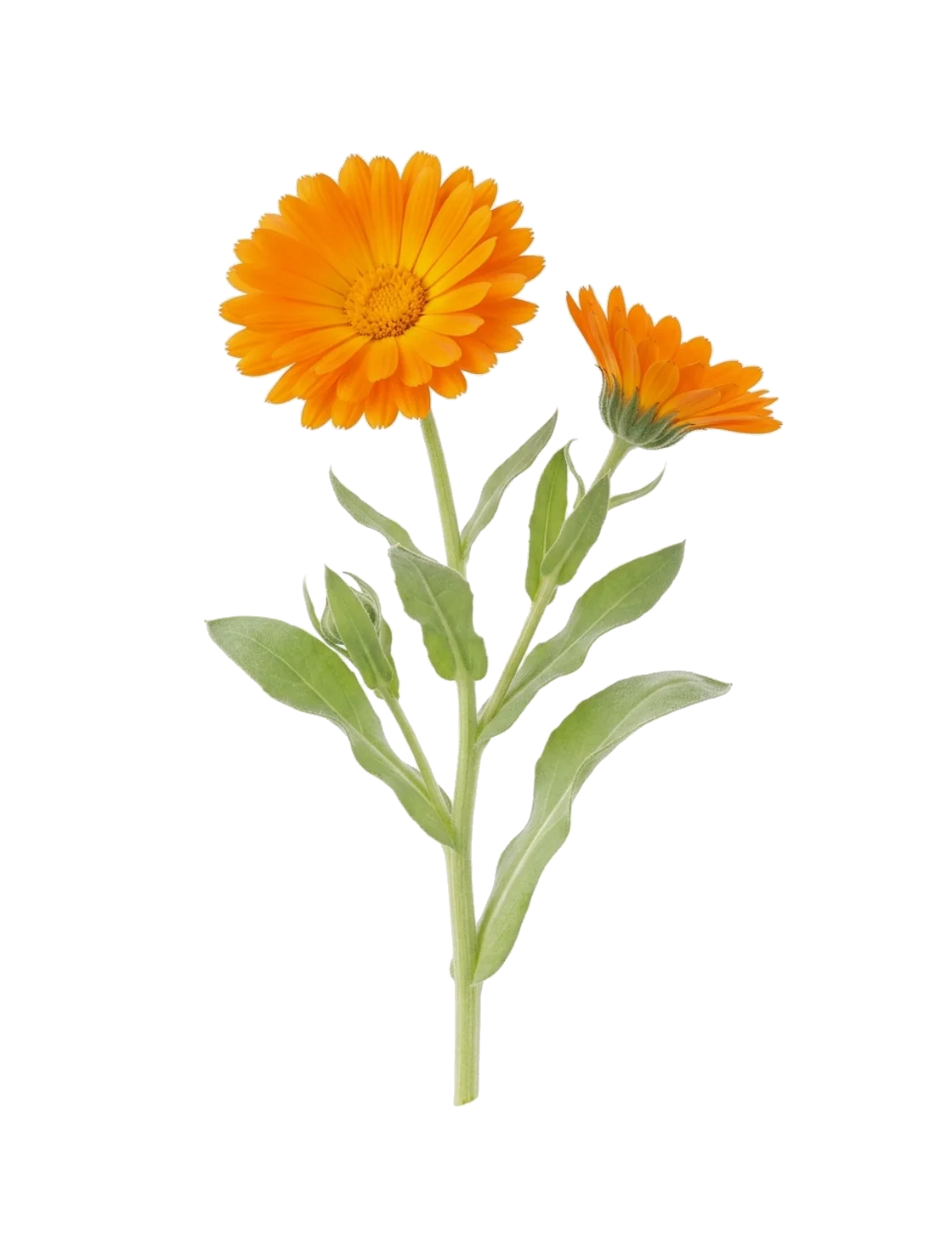
Pot marigold is a cheerful, classic garden plant admired worldwide for its profuse, long-lasting blooms that display vivid shades of golden yellow and rich orange. It brings warmth, texture, and bright visual appeal to outdoor flower beds, borders, and patio containers alike throughout several seasons of the year.
Native to the Mediterranean region, this remarkably hardy species grows quickly from seed and establishes itself with great vigor. In temperate climates it is typically treated as a cool-season annual or a short-lived perennial, developing rapidly to produce a continuous flush of daisy-like flower heads from early spring until the autumn frosts arrive.
Beyond its ornamental qualities, it is highly valued by gardeners as an outstanding companion plant that readily attracts beneficial pollinators such as bees, butterflies, and hoverflies to the garden. It demands very little routine maintenance to thrive, making it an ideal choice for beginners and experienced growers seeking resilient, reliable color without complicated care.
Did you know?Pot marigold blossoms naturally open with the morning sunlight and close in late afternoon or when overcast, rainy weather approaches.
Care. What it needs, point by point.
- Watering
- 2–3× a weekWater about two to three times a week during warm weather, cutting back to once a week in cooler periods. Always check that the top inch of soil has dried out before watering again to prevent moisture buildup around the roots.
- Light
- Full sunIt thrives best in full direct sun, which fuels vigorous growth and continuous flower production. It can tolerate light partial shade, though excessive shade will cause stems to stretch and produce fewer flowers.
- Temperature
- 15–25 °C ideal temperatureThe ideal temperature range for healthy growth is between 15 °C and 25 °C. The plant tolerates light frosts down to -3 °C, but prolonged summer heat above 30 °C may slow down or pause flower production.
- Soil
- Use a light, well-draining potting mix or fertile garden soil enriched with coarse sand or perlite. Excellent drainage is essential to protect the crown and roots from stagnant water.
- Fertilizer
- 3 weeks between feedsFeed with a balanced liquid fertilizer for flowering plants every three weeks during the active blooming season. Avoid fertilizers high in nitrogen, which encourage foliage growth at the expense of blossoms.
- Pruning
- Regularly deadhead spent flowers by cutting the stems back to the nearest set of leaves to stimulate continuous blooming.
- Propagation
- Easily propagated by sowing seeds directly outdoors in early spring or late summer. Seeds usually germinate within one to two weeks if the soil is kept moderately moist.
Where it grows. In the wild and in homes.
In the wild it grows in southwestern Europe, in a temperate climate.
People have also taken it to 125 more regions where it now grows on its own: Europe, temperate Asia, South and Central America and the Caribbean, and North America.
Range: Plants of the World Online, Royal Botanic Gardens, Kew
Is Pot marigold toxic to cats and dogs?
Non-toxic to cats and dogs.

Cats
Non-toxic

Dogs
Non-toxic
Source · ASPCA Animal Poison Control
Common problems What tends to go wrong.
- Powdery mildew
- Aphids
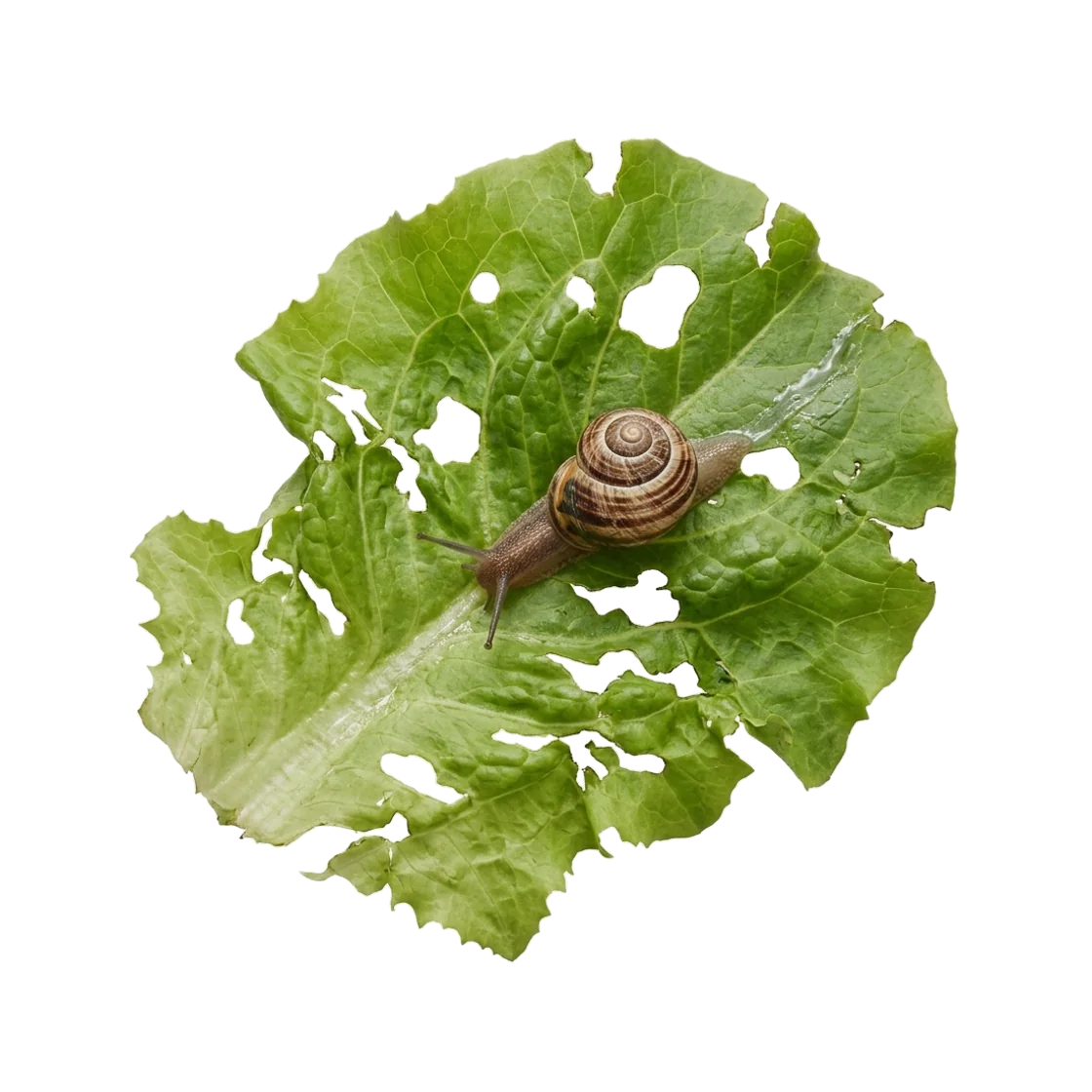
- Snails and slugs
- Root rot



Frequently asked questions What people ask most.
Why are the leaves on my pot marigold turning yellow?
Yellow leaves are most often caused by overwatering or soil that retains too much moisture. They can also represent natural aging on lower stems or signify an infestation of common pests like aphids.
How can I encourage my pot marigold to produce more flowers?
The most effective method is deadheading faded blossoms regularly before they go to seed. Providing at least six hours of direct sunlight each day and applying a low-nitrogen fertilizer will also maximize bloom count.
Is pot marigold an annual or a perennial?
It is technically a short-lived perennial, but gardeners usually treat it as a cool-season annual that completes its lifecycle in one season. In mild climates, mature plants may overwinter successfully and self-seed readily for the following year.
What is the white powdery film on my plant's foliage?
This white coating is powdery mildew, a fungal condition that develops in humid conditions with limited airflow. Remove badly infected leaves, improve air circulation around the plant, and avoid wetting foliage when you water.