Thyme
Thymus vulgaris
Discover how to grow thyme successfully: direct sunlight requirements, infrequent watering, sharp-draining soil, and pruning tips for bushy, fragrant growth.
- Light
- 6 hof direct sun
- Watering
- 7–10days between waterings
- Temperature
- 15–28 °Cideal temperature
- Pets
- Non-toxic
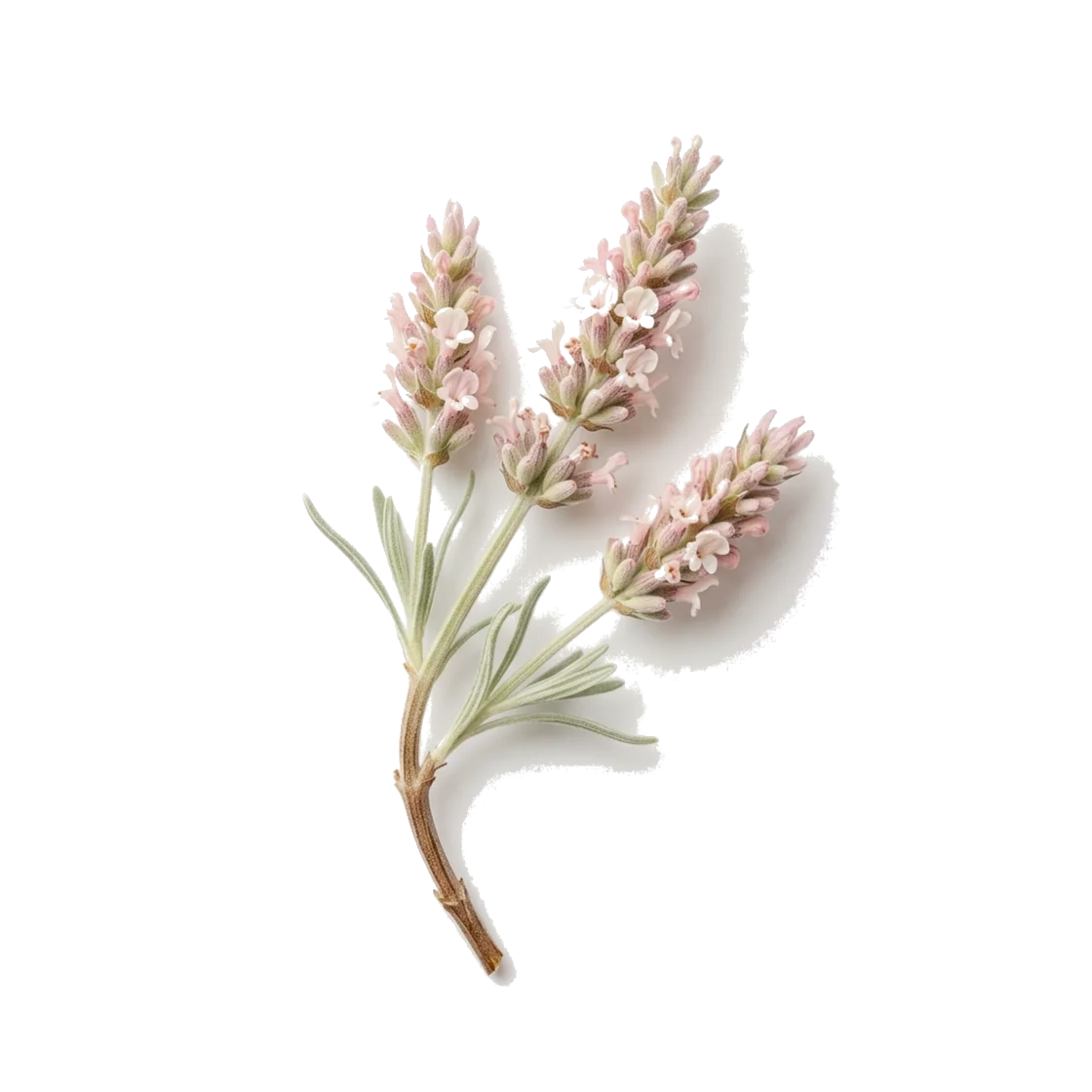
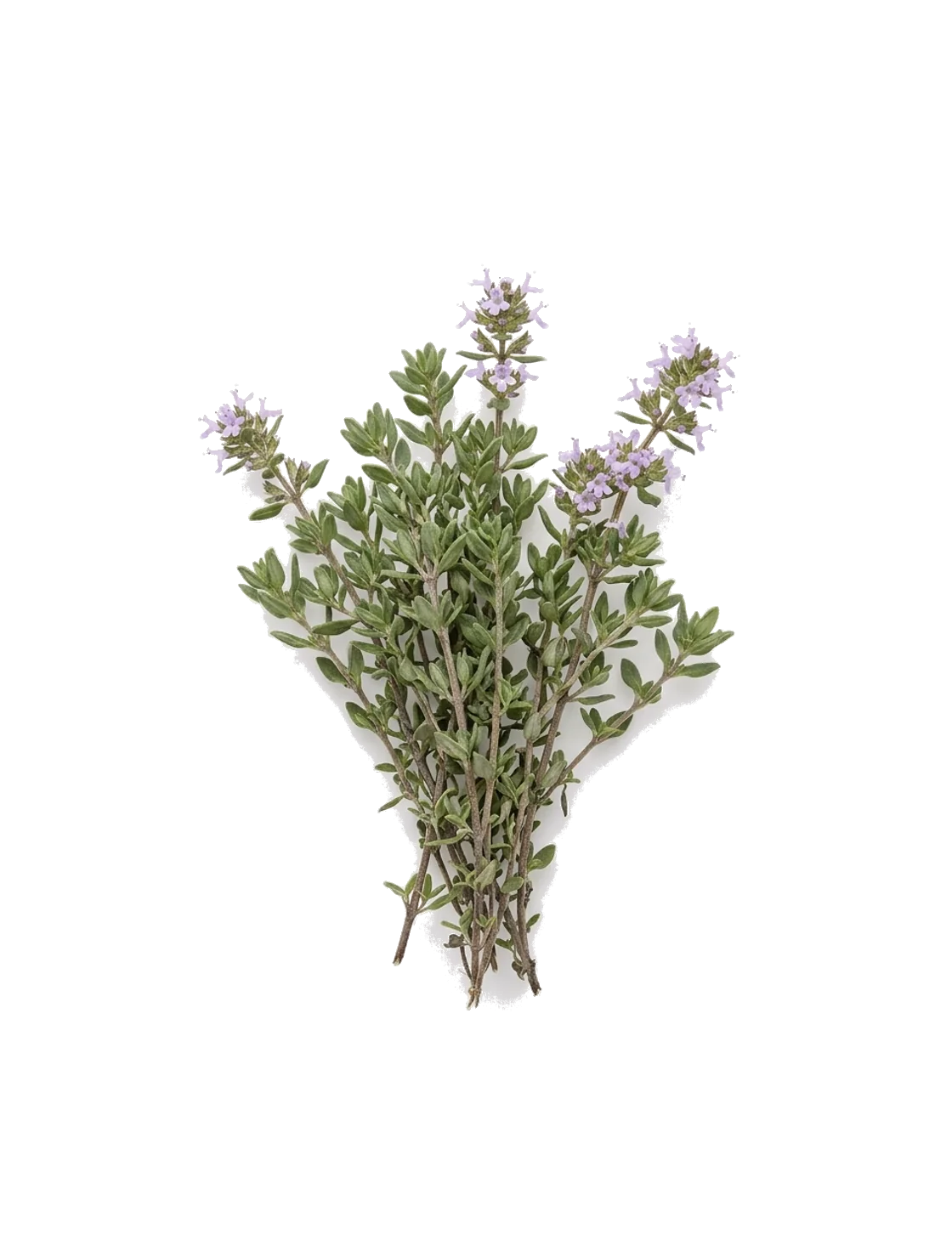
Thyme (Thymus vulgaris) is a hardy, evergreen dwarf shrub native to the rocky hillsides and sunny scrublands of the western Mediterranean basin. It naturally forms dense, compact mounds of upright, wiry stems densely clad in tiny, gray-green oval leaves that release an unmistakable, pungent herbal aroma whenever brushed.
During late spring and early summer, the top of the foliage is crowned by clusters of miniature white to pale lavender flowers that attract bees and beneficial pollinators. Perfectly adapted to poor, stony terrain, thyme excels in rock gardens, gravel borders, edible raised beds, and terracotta containers placed on bright patios or sunny balconies.
Cultivating thyme requires minimal intervention provided you respect its core environmental preferences: intense direct sunlight, warmth, and exceptionally sharp drainage. Lingering moisture is virtually its only significant weakness, meaning this resilient Mediterranean herb will readily forgive prolonged drought but will deteriorate rapidly if its root zone remains wet or waterlogged.
Did you know?In ancient Greece, thyme was considered a symbol of courage and was burned as temple incense. Its essential oil contains thymol, a powerful natural antiseptic compound.
Care. What it needs, point by point.
- Watering
- 7–10 days between wateringsWater deeply only when the potting mix or surrounding soil has dried out completely throughout the root zone. In warm summer weather, a watering every seven to ten days is usually sufficient, while in winter you should cut back to every two to three weeks.
- Light
- 6 h of direct sunPosition thyme where it receives full direct sun for at least six hours each day. Adequate sunlight is essential to keep growth dense and maximize the concentration of its fragrant essential oils.
- Temperature
- 15–28 °C ideal temperatureIt tolerates intense summer heat with ease and can withstand cold down to approximately -12 °C in well-drained ground. Its optimum growth occurs between 15 °C and 28 °C.
- Soil
- Use a gritty, lean, and neutral-to-alkaline growing medium with exceptional drainage. Incorporate coarse sand, pumice, or fine gravel into standard potting compost to prevent moisture retention around the roots.
- Fertilizer
- Thyme thrives in nutrient-poor conditions and requires little to no supplemental fertilizer; a modest application of organic compost in early spring is plenty. Excessive nitrogen produces weak, leggy stems and dilutes the leaf flavor.
- Pruning
- Prune the plant back by about one third after flowering finishes to maintain a neat shape and encourage fresh shoots. Avoid cutting into bare, hard old wood, as thyme rarely breaks new buds from older woody stems.
- Propagation
- Propagate thyme by taking semi-ripe stem cuttings in late spring or early summer, rooting them in a porous, gritty mix. It can also be grown from seed in early spring or multiplied through mound layering and clump division in autumn.
Where it grows. In the wild and in homes.
In the wild it grows in southwestern Europe and southeastern Europe, in a temperate climate.
People have also taken it to 13 more regions where it now grows on its own: Europe, South and Central America and the Caribbean, Africa, and Australasia.
Range: Plants of the World Online, Royal Botanic Gardens, Kew
Is Thyme toxic to cats and dogs?
Non-toxic to cats and dogs.

Cats
Non-toxic

Dogs
Non-toxic
Source · ASPCA Animal Poison Control
Common problems What tends to go wrong.
- Root rot
- Overwatering
- Too little light
- Aphids




Frequently asked questions What people ask most.
Why are the leaves on my thyme turning yellow and dropping?
The most frequent cause is root rot triggered by overwatering or dense, poorly draining soil. Inspect the root system, let the potting mix dry out completely, and move the plant to a gritty, free-draining substrate if needed.
Can thyme be grown indoors successfully?
It can be kept indoors only if placed directly on an unobstructed, south-facing windowsill that receives several hours of direct sun daily. In lower light levels, stems stretch weakly toward the light and the plant will rapidly lose vitality.
How and when should I harvest thyme?
Harvest stems in mid-morning once the dew has dried, ideally just before the flower buds open when the aromatic compounds are at their peak. Snip the tender upper growth using clean shears, leaving a few inches of leafy stems so the plant can regenerate.
Why has my thyme plant become woody and bare at the center?
As thyme matures, the central stems naturally turn woody and lose lower foliage if they are not pruned back regularly. Prevent this by shearing the plant lightly every year after flowering, which stimulates fresh, bushy basal growth.