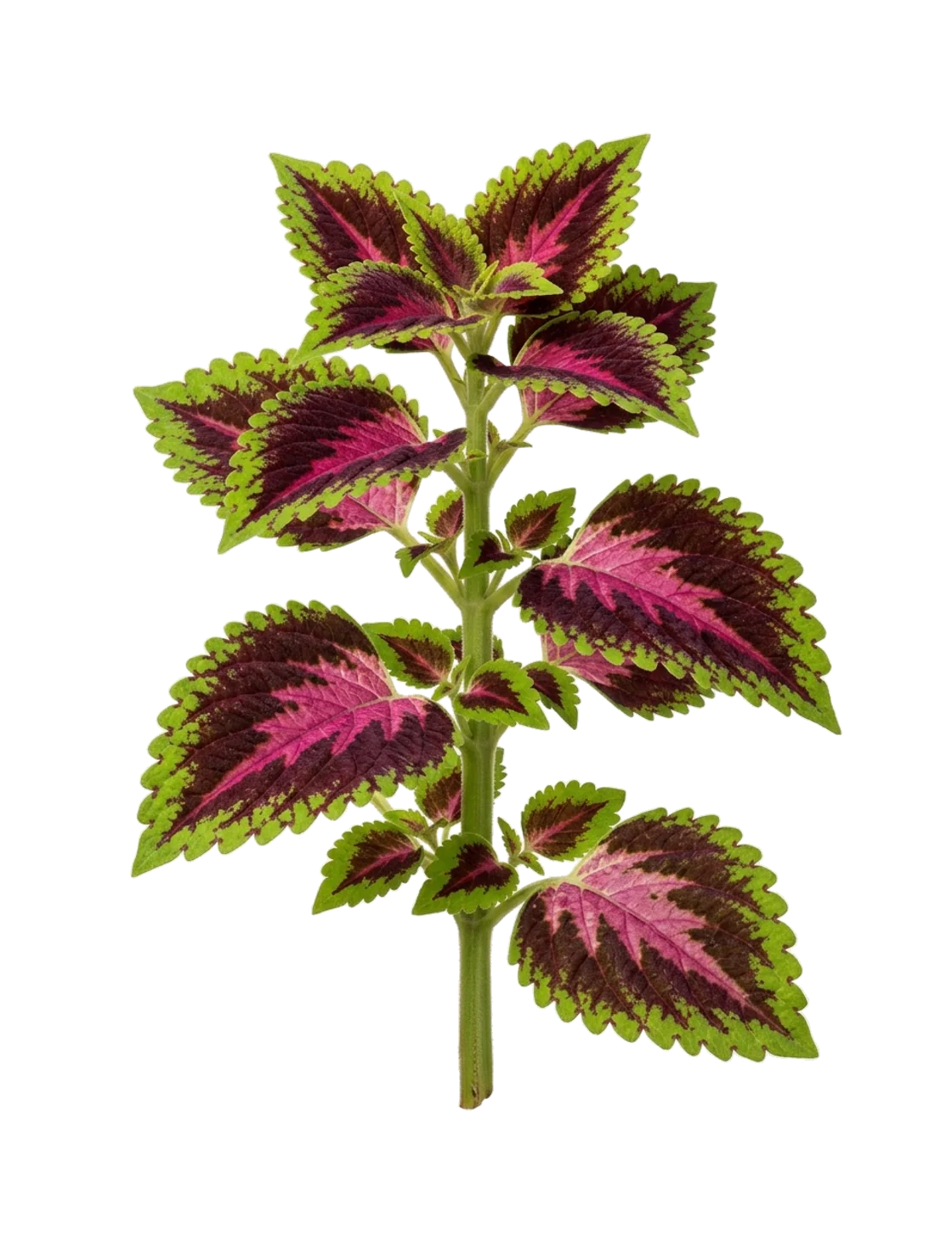
Coleus (Coleus scutellarioides) is a beloved tropical perennial prized worldwide for its striking foliage and kaleidoscopic patterns. Its velvety leaves display dramatic combinations of ruby red, bright pink, chartreuse, cream, and deep burgundy. While commonly grown as a houseplant across temperate zones, it is equally popular as a container specimen or seasonal bedding plant in sheltered outdoor gardens.
Native to Southeast Asia and parts of Australasia, coleus grows quickly and adapts well to indoor environments. In warm, frost-free climates it thrives year-round as a perennial, whereas colder regions typically treat it as a warm-season annual. The plant occasionally produces small spikes of blue or white blossoms, but growers typically pinch them off immediately to keep the plant bushy and prevent leaf degradation.
Cultivating coleus is straightforward, making it an excellent choice for beginner plant owners. It communicates its moisture needs clearly by wilting slightly when thirsty, yet rebounds within hours after a good soak. With bright indirect light and routine pinching of stem tips, it easily maintains a lush, full appearance throughout the growing season.
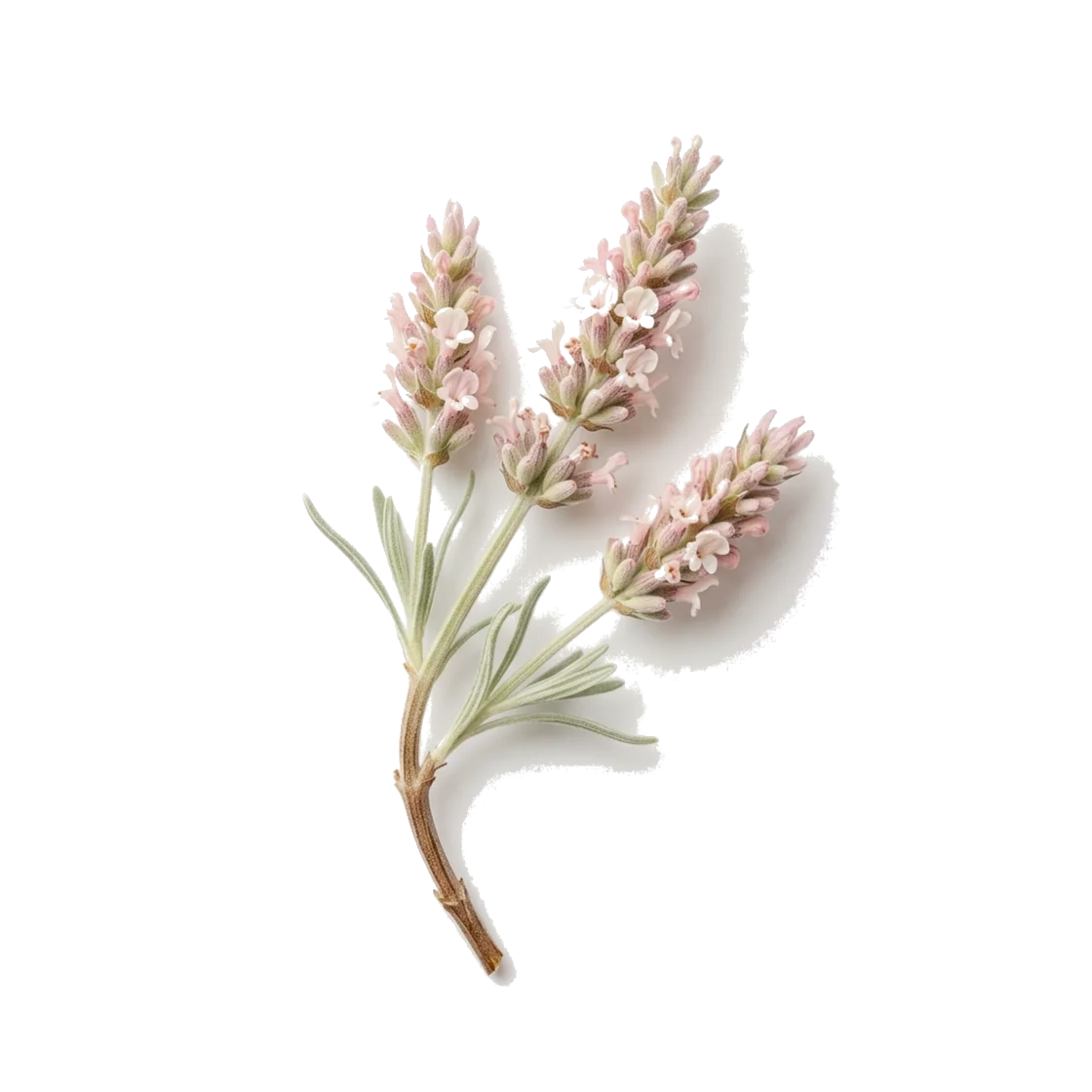
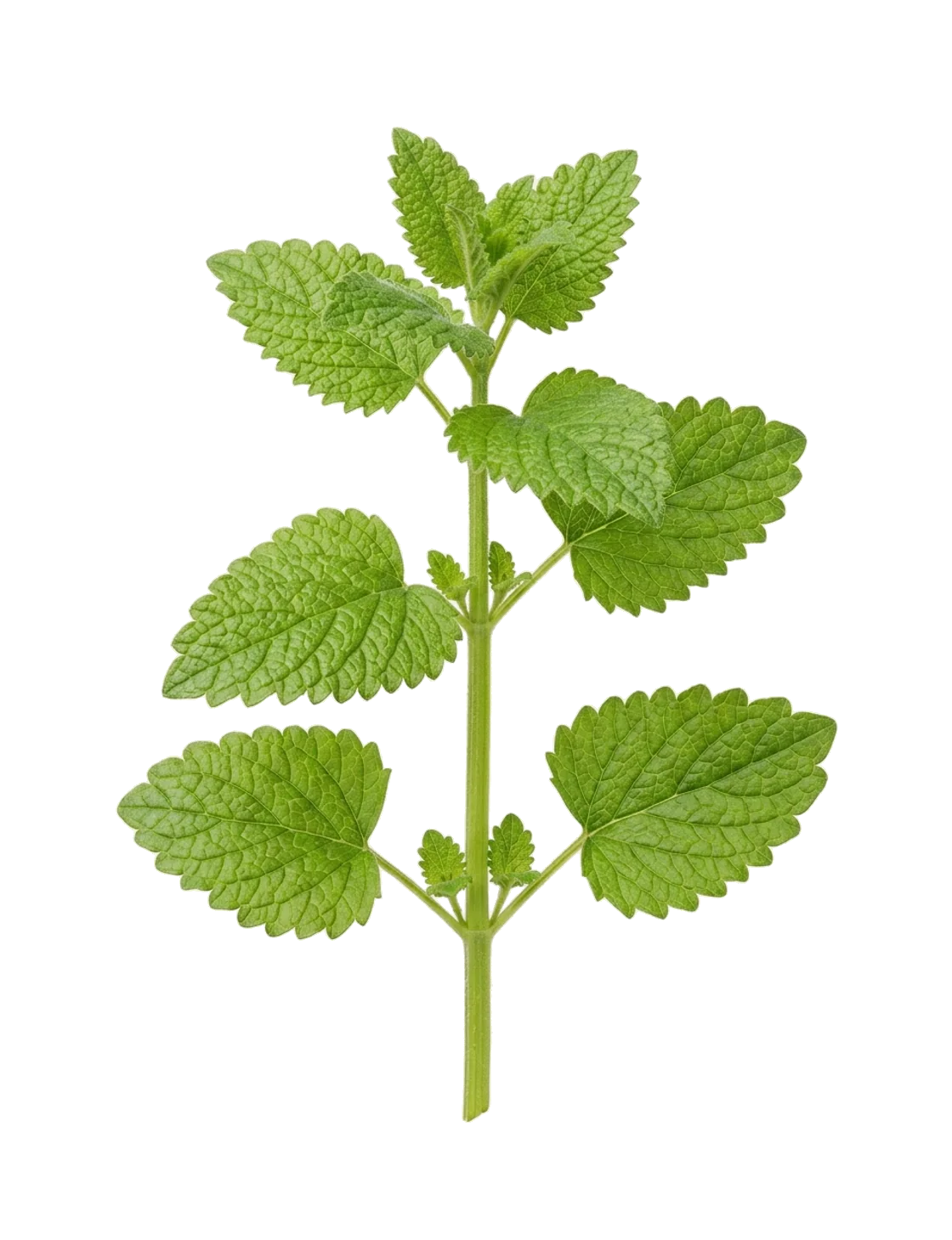
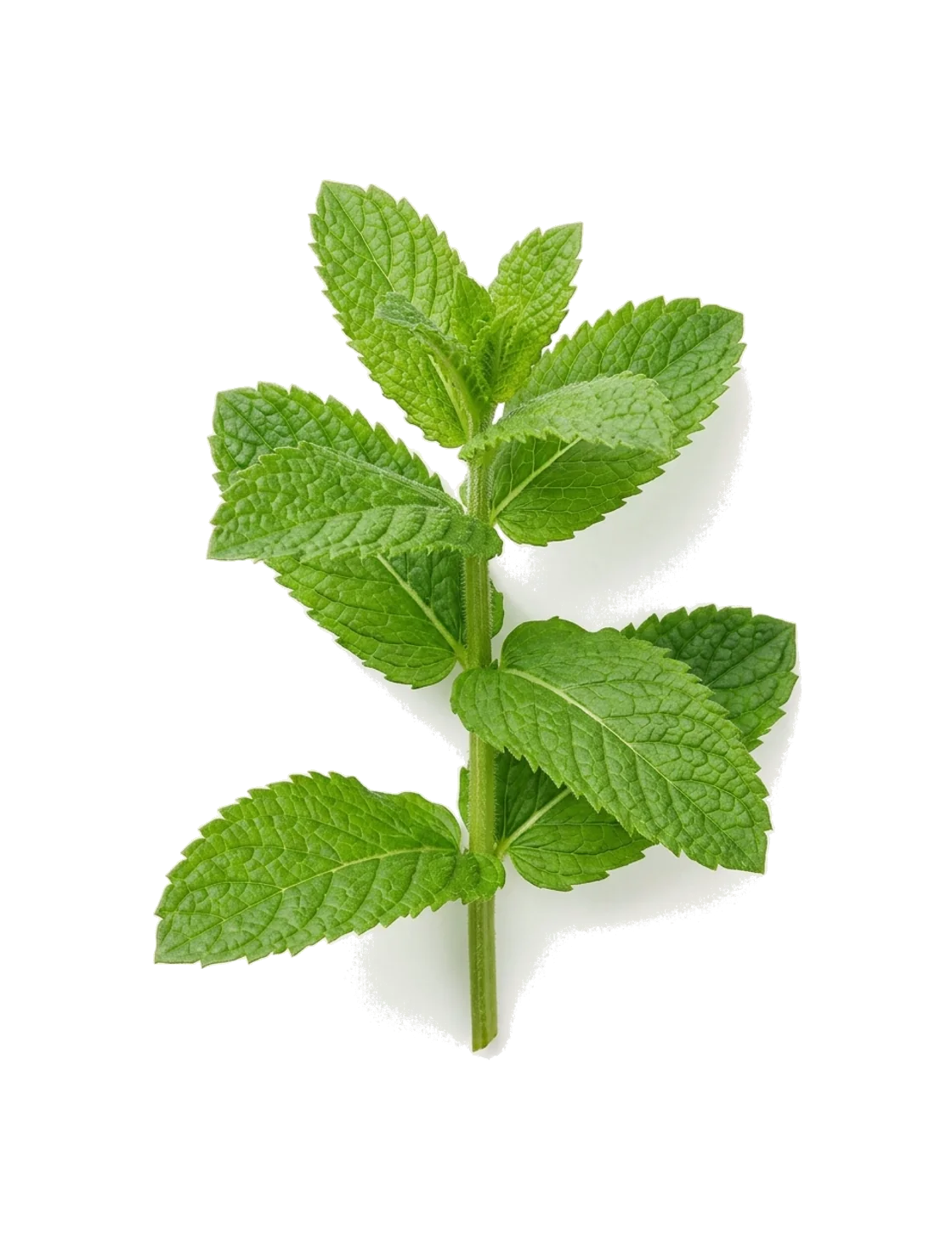
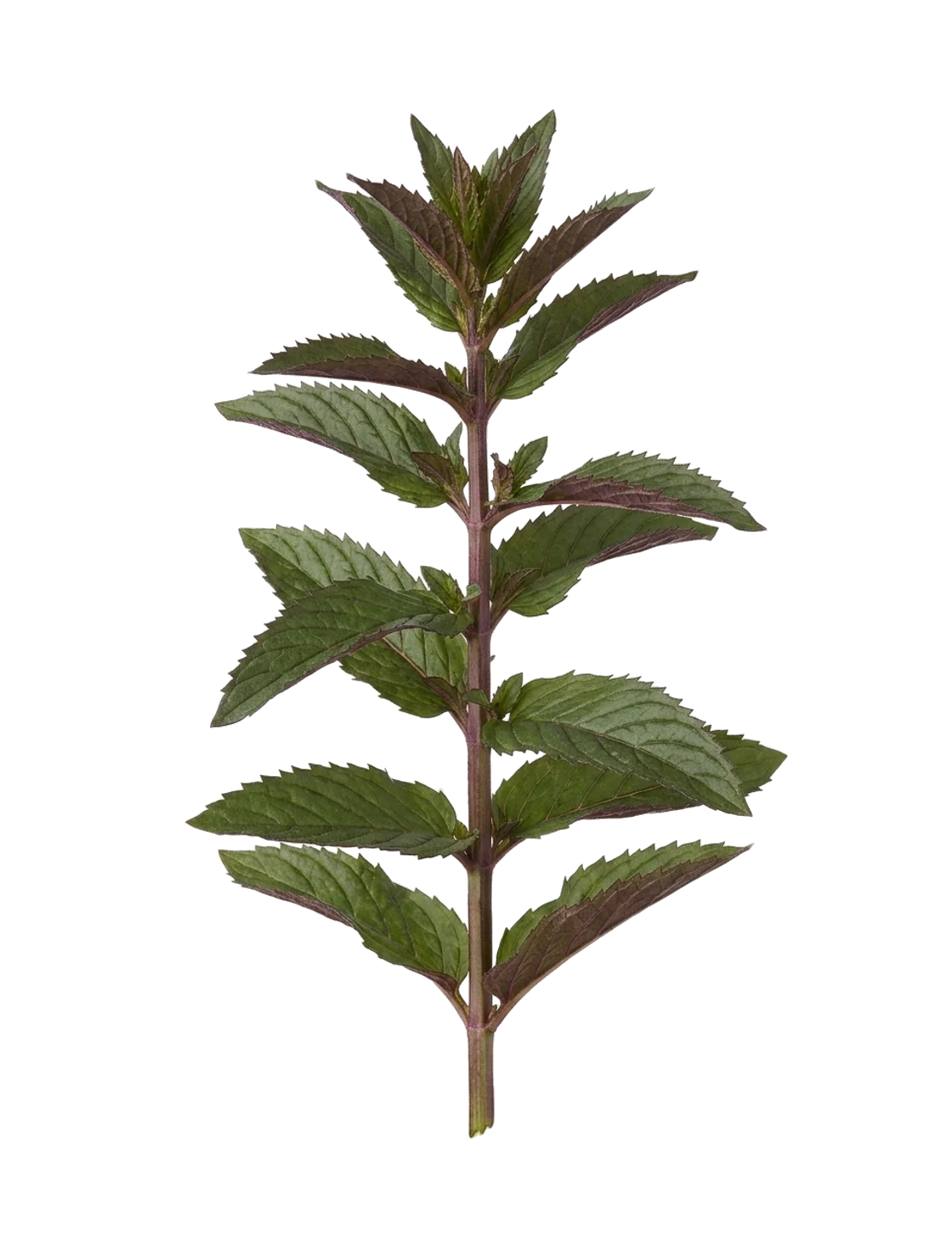
Did you know?Coleus is part of the mint family (Lamiaceae), which explains why its tender stems are distinctly four-sided and square to the touch.
Care. What it needs, point by point.
- Watering
- 2–3× a weekWater about two to three times per week during spring and summer, cutting back in winter when growth slows down. Always check that the top inch of soil feels dry before watering again to avoid soggy roots.
- Light
- IndirectProvide bright, indirect sunlight or gentle morning sun to keep the foliage vibrant and deeply saturated. Avoid intense midday sun, which can scorch the delicate leaves and wash out their patterns.
- Temperature
- 18–25 °C ideal temperatureMaintain temperatures between 18 °C and 25 °C (65 °F to 77 °F) for steady growth. The plant will suffer foliage damage and drop leaves if exposed to cold drafts or temperatures below 12 °C.
- Soil
- Use a loose, well-draining potting mix containing peat moss, perlite, and coconut coir. This retains essential moisture while allowing excess water to drain freely away from the root system.
- Fertilizer
- 2–3 weeks between feedsFeed with a balanced liquid houseplant fertilizer diluted to half strength every two to three weeks during active spring and summer growth. Suspend fertilizing during fall and winter when growth naturally pauses.
- Pruning
- Pinch off emerging flower spikes and terminal bud tips regularly to encourage dense, bushy lateral branching. Trim back leggy stems with clean shears in early spring to rejuvenate the plant's shape.
- Propagation
- Propagate effortlessly by taking four-inch stem cuttings just below a leaf node. Place the cuttings in a glass of water or moist potting mix, where roots will readily sprout within one to two weeks.
Where it grows. In the wild and in homes.
In the wild it grows in tropical Asia, temperate Asia, Australasia, and the Pacific, in a wet tropical climate.
People have also taken it to 39 more regions where it now grows on its own: the Pacific, South and Central America and the Caribbean, Africa, and tropical Asia.
The Florami community has photographed it in España.
Range: Plants of the World Online, Royal Botanic Gardens, Kew
Is Coleus toxic to cats and dogs?
Toxic to cats and dogs.

Cats
Toxic

Dogs
Toxic
Usual signs
It can cause vomiting, diarrhea (occasionally bloody), lethargy, and loss of appetite.
If your pet has chewed it and shows symptoms, call your vet or the nearest emergency vet.
Source · ASPCA Animal Poison Control
Gallery As the community sees it.
Photo · W. Bulach · CC BY-SA 4.0
Common problems What tends to go wrong.
- Too little light
- Overwatering
- Underwatering
- Mealybugs and scale
- Cold damage




Frequently asked questions What people ask most.
Why are my coleus leaves losing their color?
Faded or washed-out leaves almost always indicate insufficient lighting. Move your plant to a spot with brighter indirect light to encourage intense, rich pigment production.
Should I let my coleus flower?
It is best to pinch off flower buds as soon as they appear. Allowing the plant to flower diverts energy away from foliage production and often causes stems to become sparse and woody.
Why is my coleus drooping suddenly?
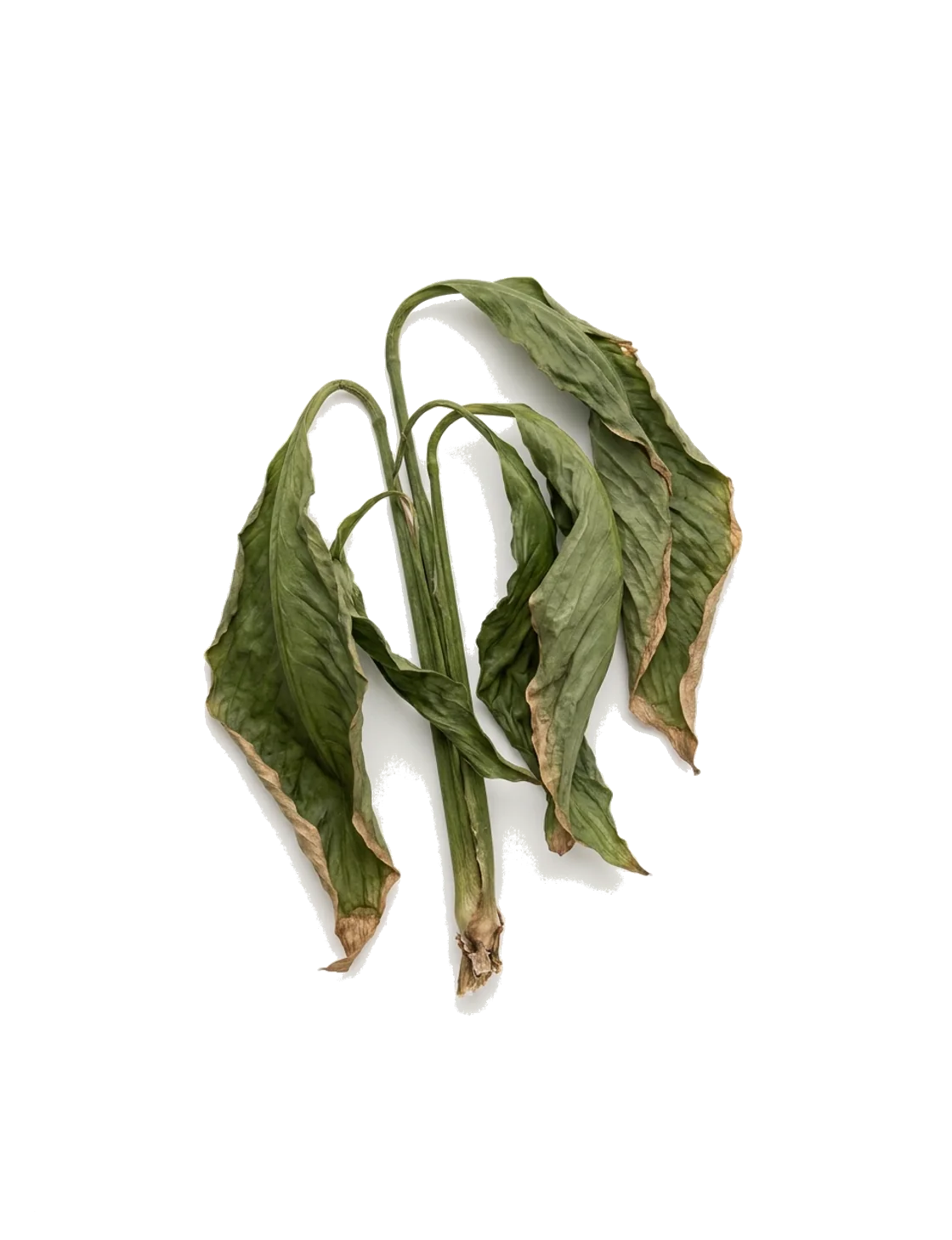
Sudden drooping is typically a classic sign of underwatering, as coleus wilts dramatically when the soil dries out. Water thoroughly, and the stems should perk back up within a few hours.
Why are the lower leaves turning yellow and falling off?
Lower leaf drop usually points to overwatering, inadequate drainage, or cold drafts. Ensure the container has drainage holes and allow the top layer of soil to dry out between waterings.